


Primary sourcePainting1702
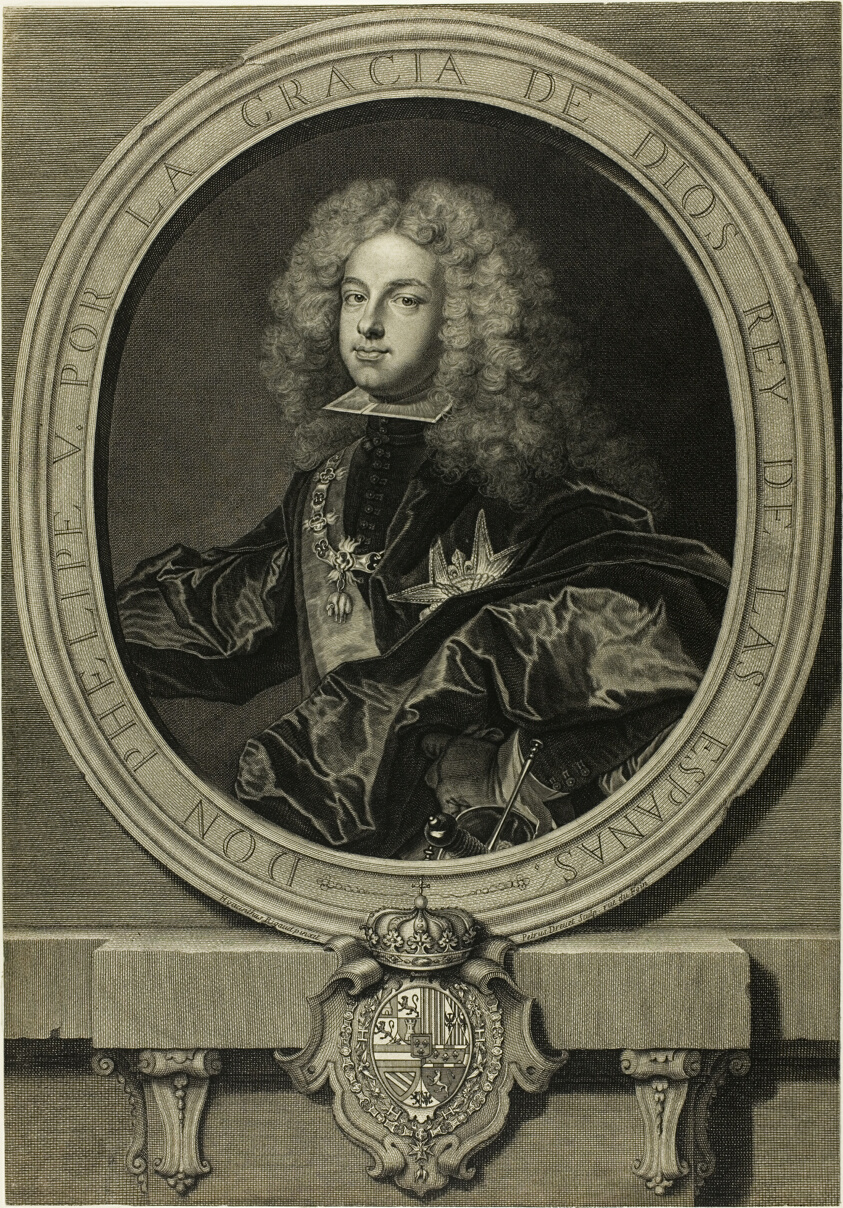
Portrait of Philip V of Spain
Pierre-Imbert Drevet · 1702
An engraving made in 1702, early in Philip V's reign, after a painted portrait by Hyacinthe Rigaud, showing him as a young king.
An official early portrait of Philip V made soon after he became King of Spain.
About this source
What it is
This engraving was made in 1702 by Pierre-Imbert Drevet, based on a portrait painted by Hyacinthe Rigaud, a leading French court painter. It shows a young Philip V in an oval frame, wearing a wig and velvet robe with a star-shaped order on his chest, identified by an inscription naming him King of Spain. The print is now held by the Art Institute of Chicago.
Why it matters
This image was made soon after Philip became king, and portraits like it were used to spread an official image of the new monarch across Europe. Engravings based on famous painters' work, like Rigaud's, allowed many copies to circulate, shaping how people who never met the king pictured him.
Look closer
- What does the formal pose and costume tell you about how kings wanted to be seen?
- Why might an engraving based on a famous painter's portrait have been especially valued?
- What parts of Philip's personality or rule can't be learned from a formal portrait like this?
This painting is part of the curated material that grounds the AI version of Philip V of Spain on Humy.ai — when students ask about related events, the AI can quote it and cite it.
More Philip V of Spain sources
Browse all 93 →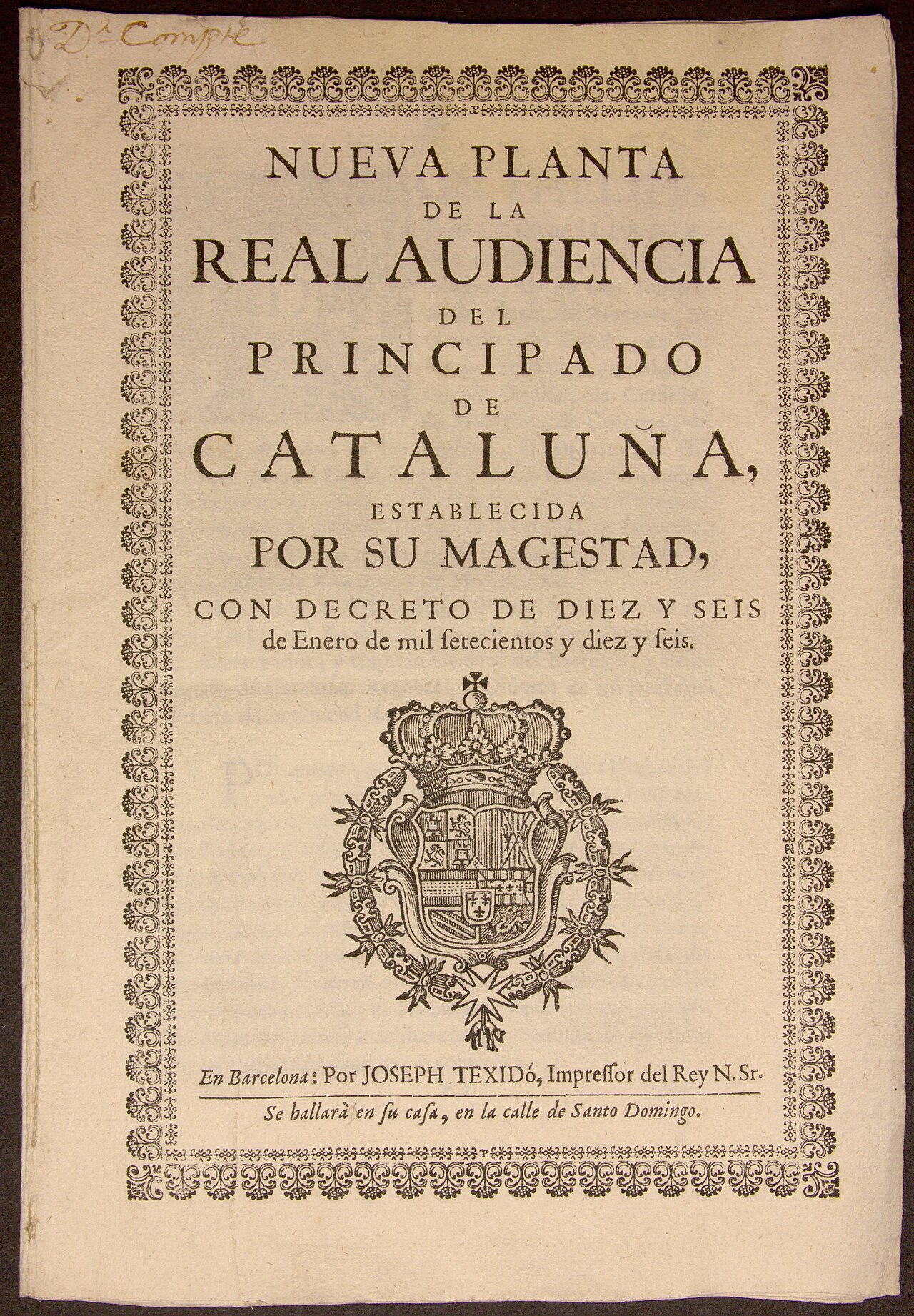 Document
Primary source
Nueva Planta Decrees
Philip V of Spain · 1707–1716
DocumentPrimary source
Nueva Planta Decree of the Principality of Catalonia
Philip V of Spain · 1716
 Document
Primary source
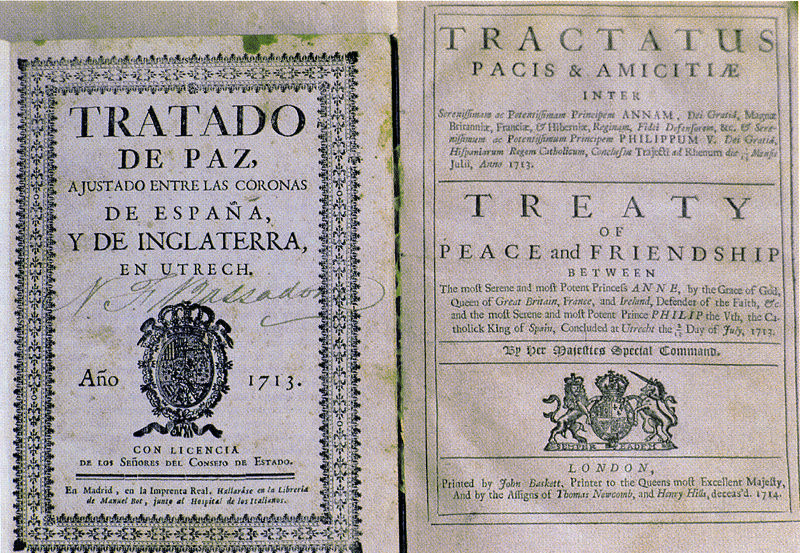
Peace of Utrecht
1713-1715
 Painting
Primary source
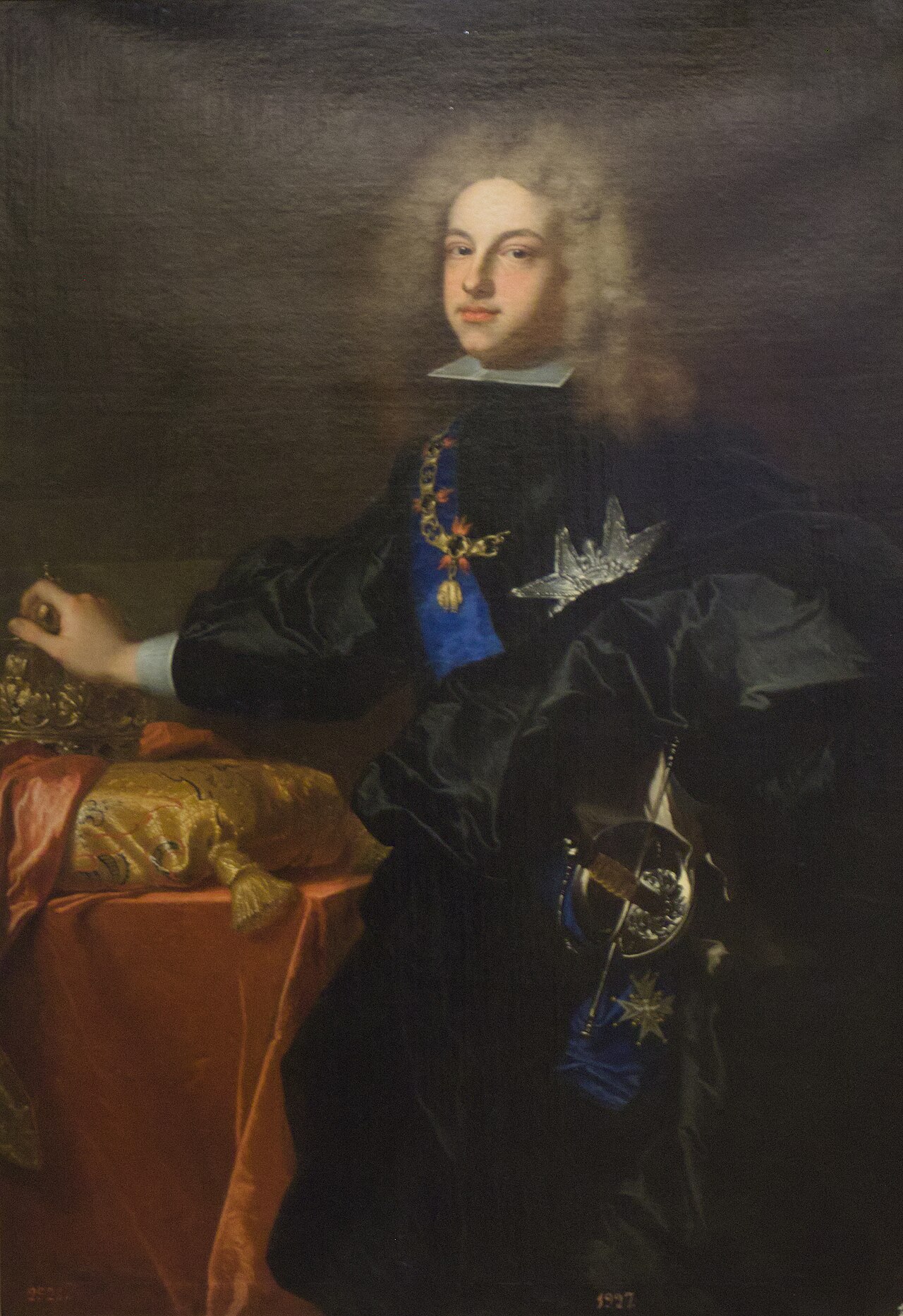
Philip V, King of Spain
Hyacinthe Rigaud · 1701
Free account
Read every Philip V of Spain source
Sign up free →
Ready when you are
Start chatting with Philip V of Spain now.
20 messages free · No credit card · Available in 50+ languages.