


Primary sourcePainting1700
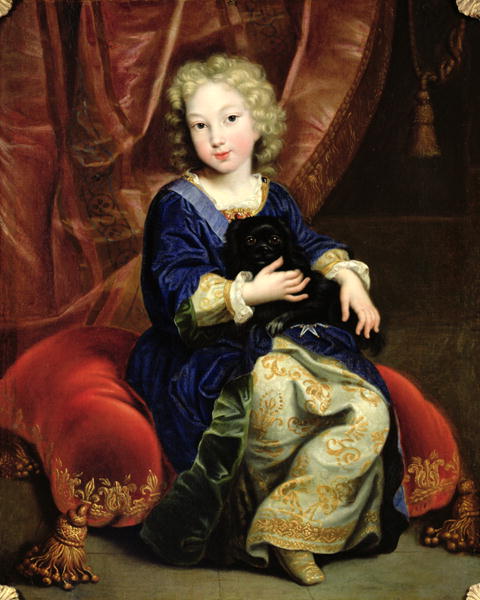
Portrait of Philippe of France (future Philip V of Spain) as a Child
1700
A 1700 painting of a young boy who later became Philip V of Spain, shown during his French princely upbringing as Duke of Anjou.
It shows Philip V as a boy, the Duke of Anjou, during the French princely upbringing that came before his Spanish reign.
About this source
What it is
This is a painting dated 1700, held at the Palace of Versailles. It shows a young boy who is Philippe, Duke of Anjou, later Philip V of Spain. He has curly blond hair and wears a dark blue velvet coat with a light blue sash. He sits on a red cushion in front of red drapery and holds a black pug dog. The facts available do not name the painter.
Why it matters
Childhood portraits show how a royal child was presented before he held any power. This picture records his upbringing in France, before he was called to rule Spain. Students can compare the boy shown here with the king the Spanish later knew. The painting is kept at Versailles, the French royal palace where he was raised as a prince.
Look closer
- What objects, clothes and animals does the artist give the boy, and what might they suggest about his rank?
- Why might a royal family commission a portrait of a young child, and who would have seen it?
- What does the painting leave out about the boy's life, such as his future or the people around him?
This painting is part of the curated material that grounds the AI version of Philip V of Spain on Humy.ai — when students ask about related events, the AI can quote it and cite it.
More Philip V of Spain sources
Browse all 93 →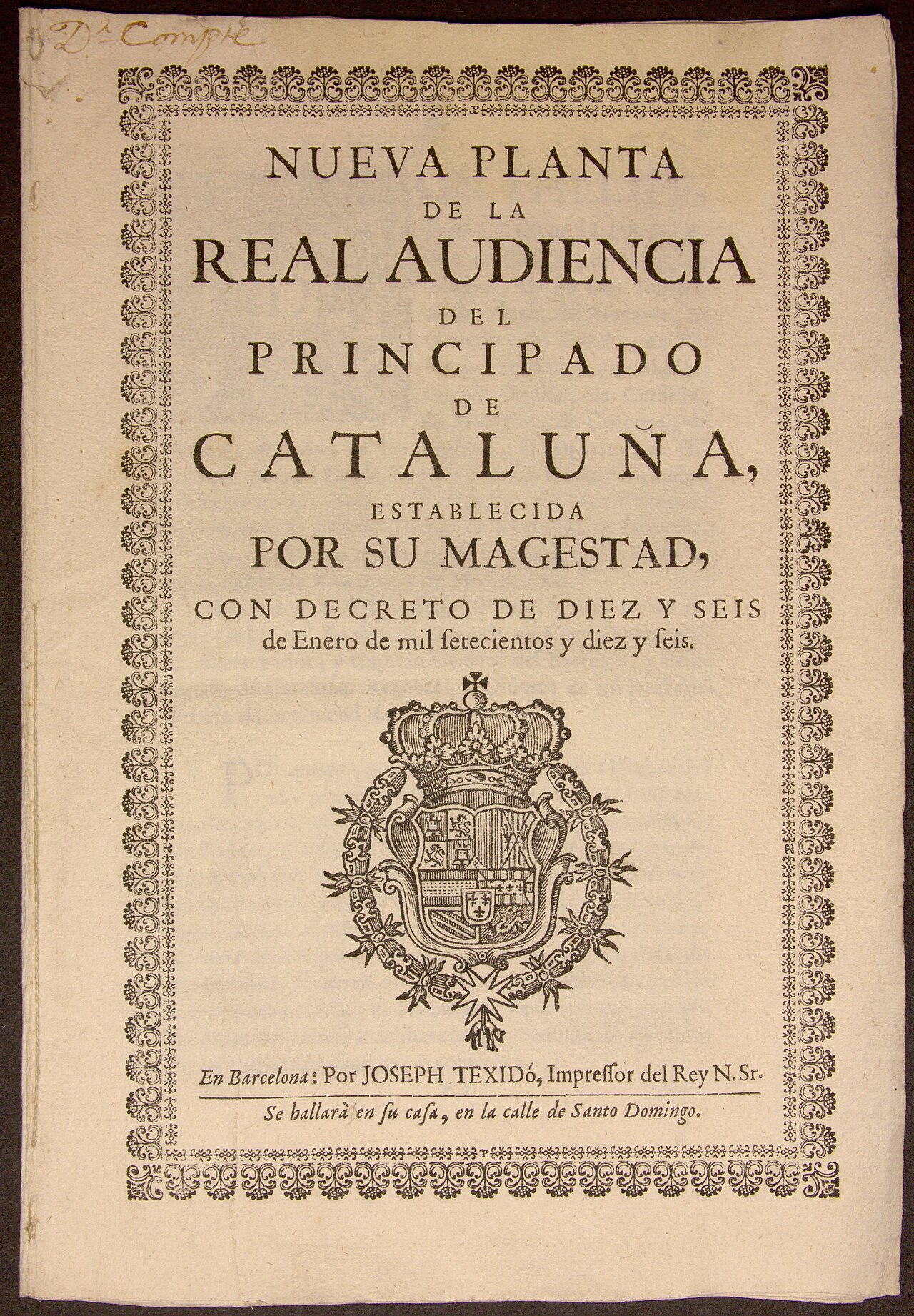 Document
Primary source
Nueva Planta Decrees
Philip V of Spain · 1707–1716
DocumentPrimary source
Nueva Planta Decree of the Principality of Catalonia
Philip V of Spain · 1716
 Document
Primary source
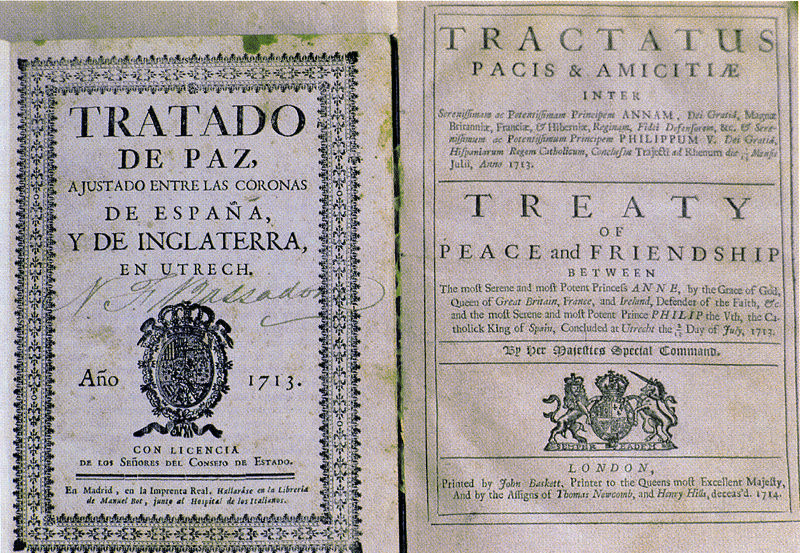
Peace of Utrecht
1713-1715
 Painting
Primary source
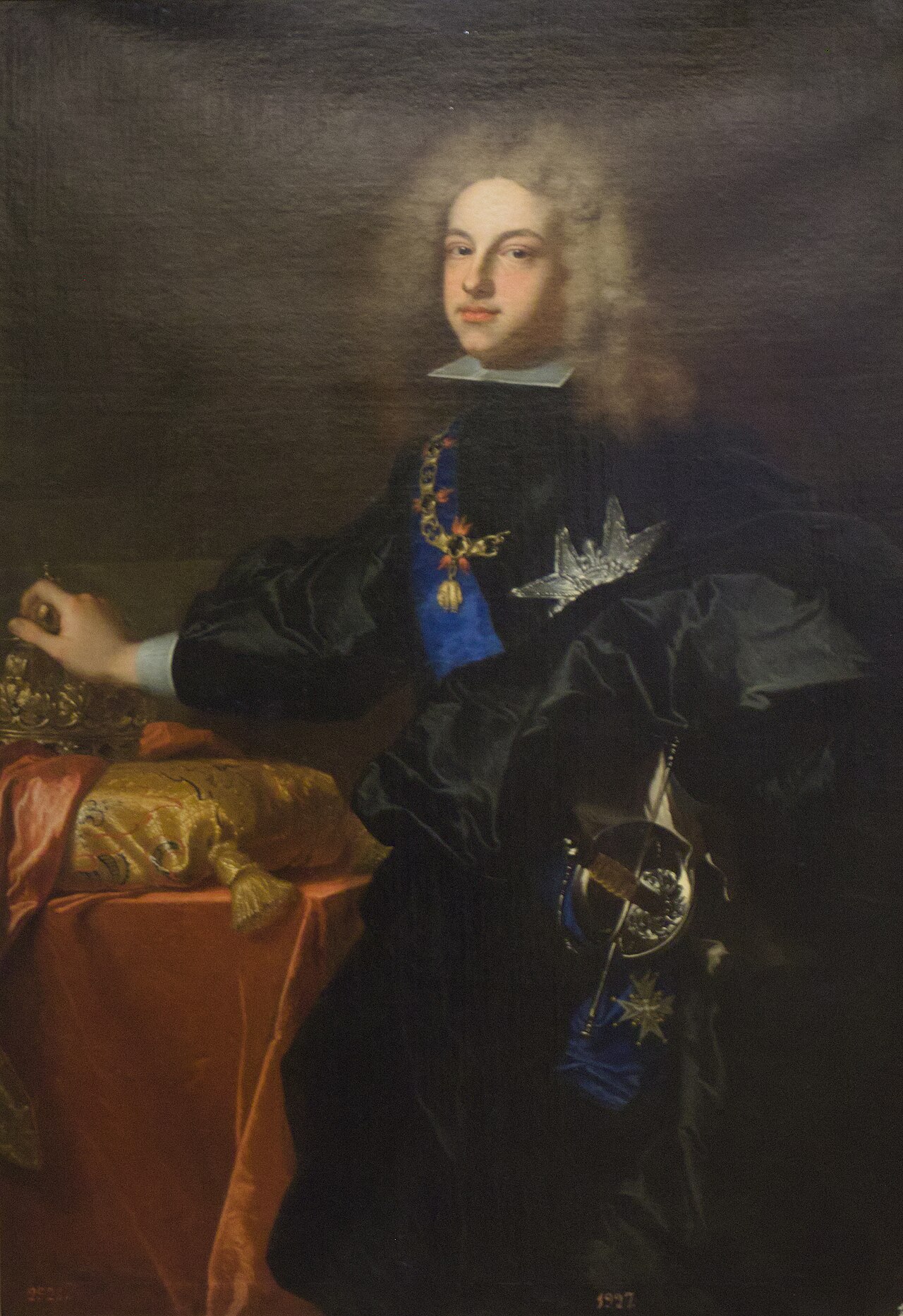
Philip V, King of Spain
Hyacinthe Rigaud · 1701
Free account
Read every Philip V of Spain source
Sign up free →
Ready when you are
Start chatting with Philip V of Spain now.
20 messages free · No credit card · Available in 50+ languages.