


Secondary sourcePaintingfirst half of the 13th century
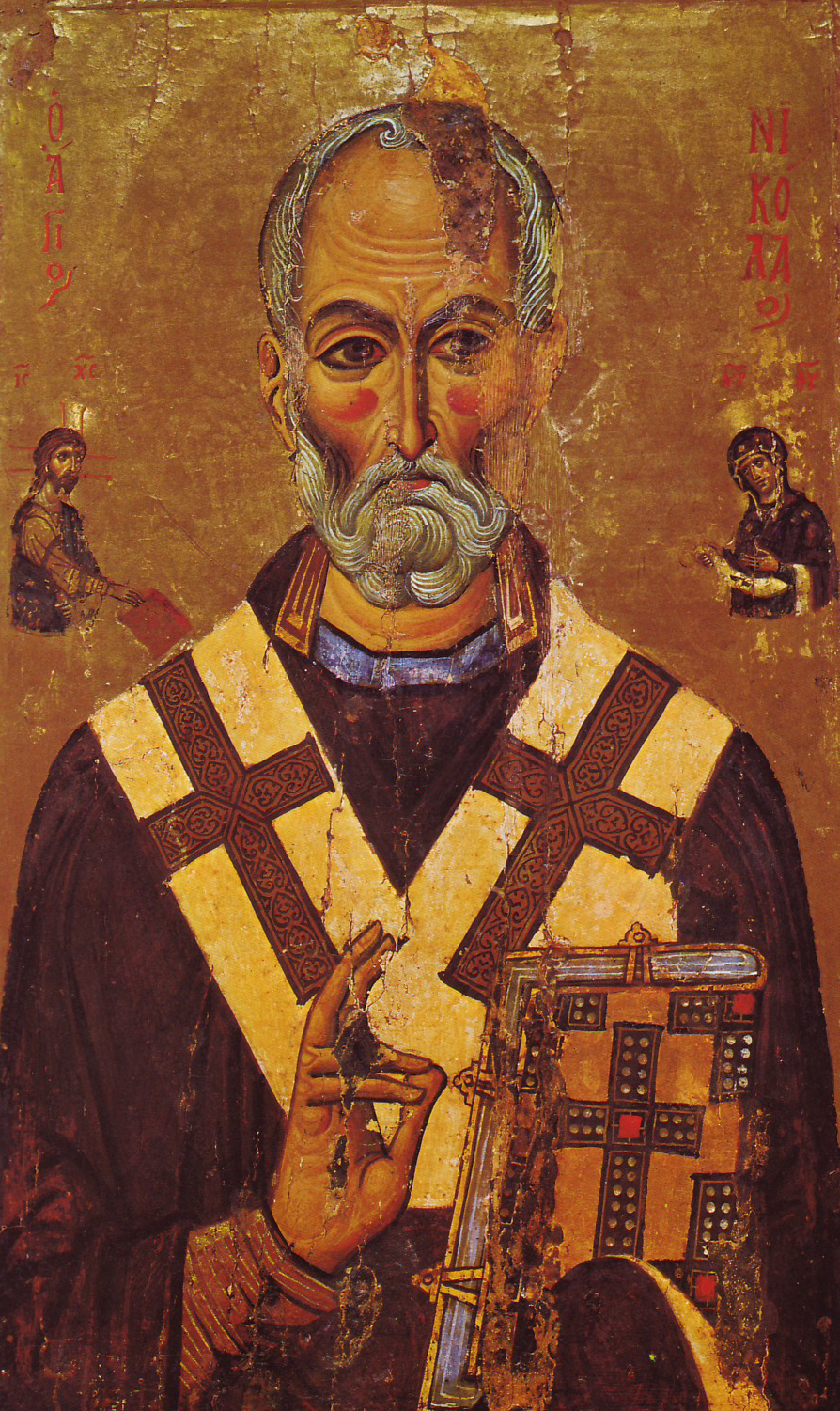
Portrait of Saint Nicholas
first half of the 13th century
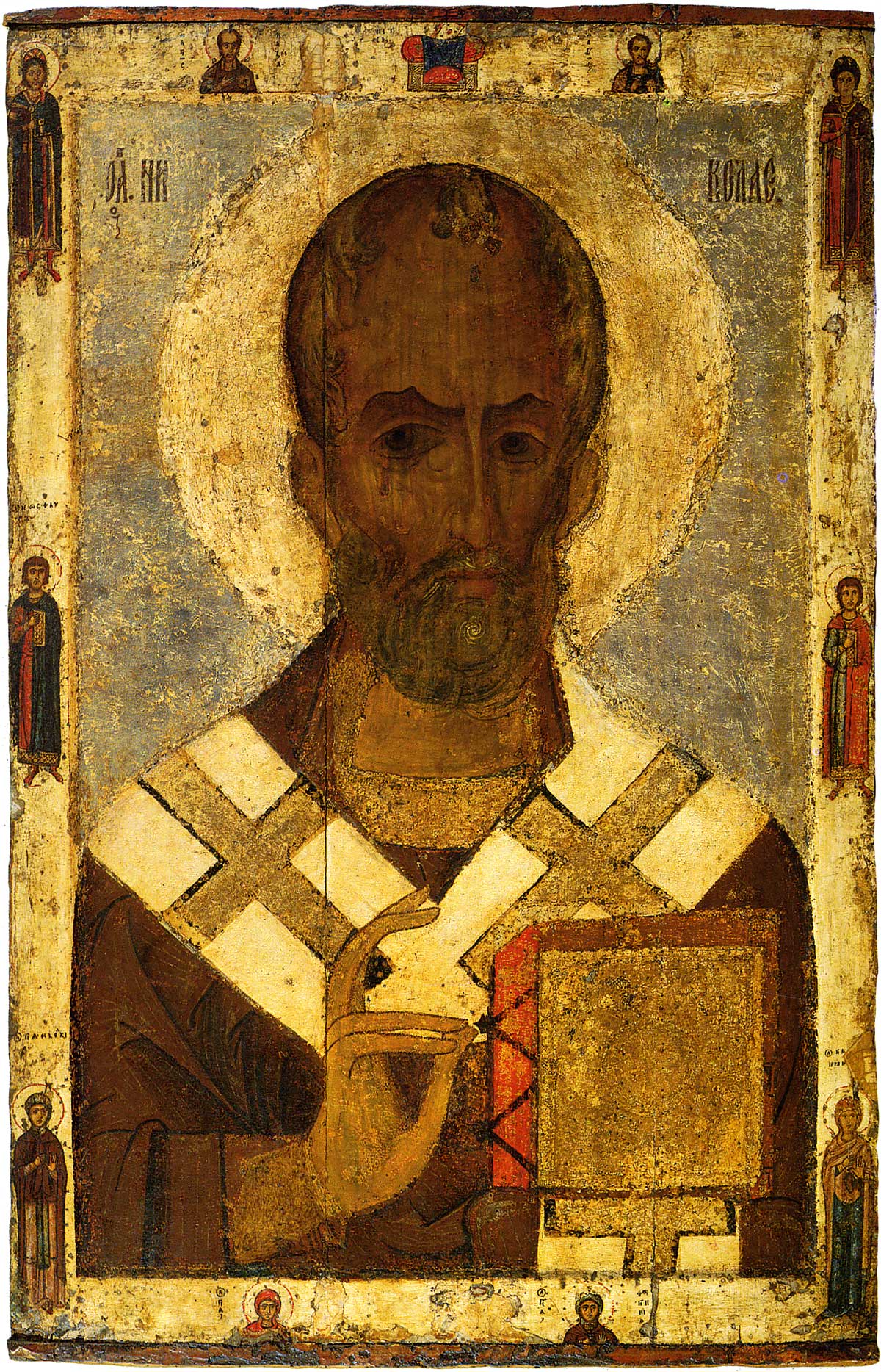
A 13th-century Byzantine icon from Sinai showing Saint Nicholas as a bald, white-bearded bishop, the standard model for his later images.
This icon depicts Nicholas directly, fixing the bishop's traditional appearance used in later images of him.
About this source
What it is
This is a half-length icon painting of Saint Nicholas of Myra, made in the first half of the 13th century. It shows him in bishop's vestments, raising his right hand in blessing, against a gold background, with Greek inscriptions and small figures of Christ and the Virgin Mary at the top corners.
Why it matters
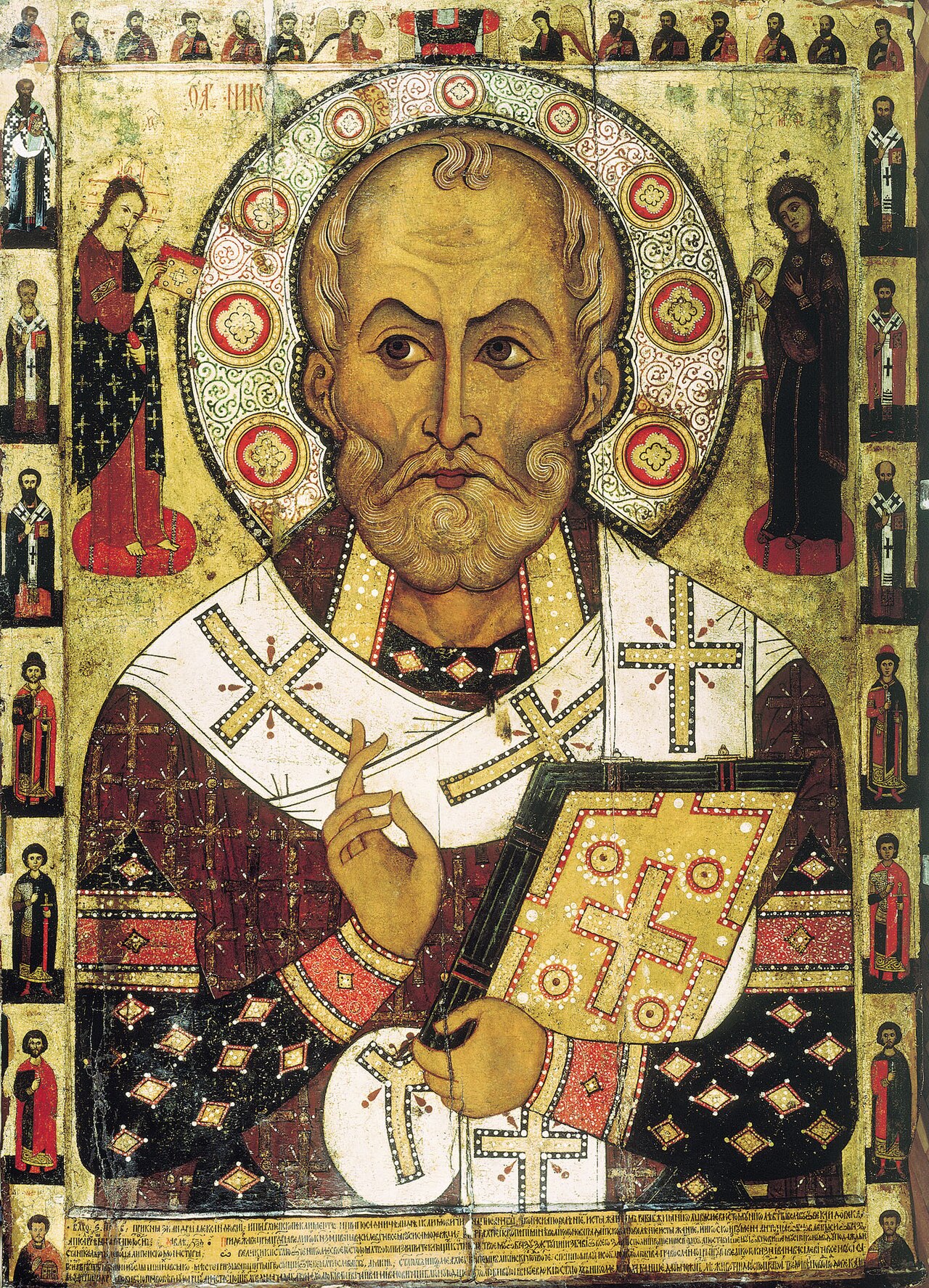
Icons like this established the standard way Nicholas was shown across the Christian world: an elderly, bald, bearded bishop holding the Gospel. This visual type, repeated for centuries, is the direct ancestor of how Nicholas is recognized in art today, and it shows how important his cult had become by the 13th century.
Look closer
- What details tell you this is a religious, not a realistic, portrait?
- Why might an icon maker want every image of a saint to look similar?
- What do the small figures of Christ and the Virgin in the corners add to the meaning of the image?
This painting is part of the curated material that grounds the AI version of Saint Nicholas on Humy.ai — when students ask about related events, the AI can quote it and cite it.
More Saint Nicholas sources
Browse all 91 →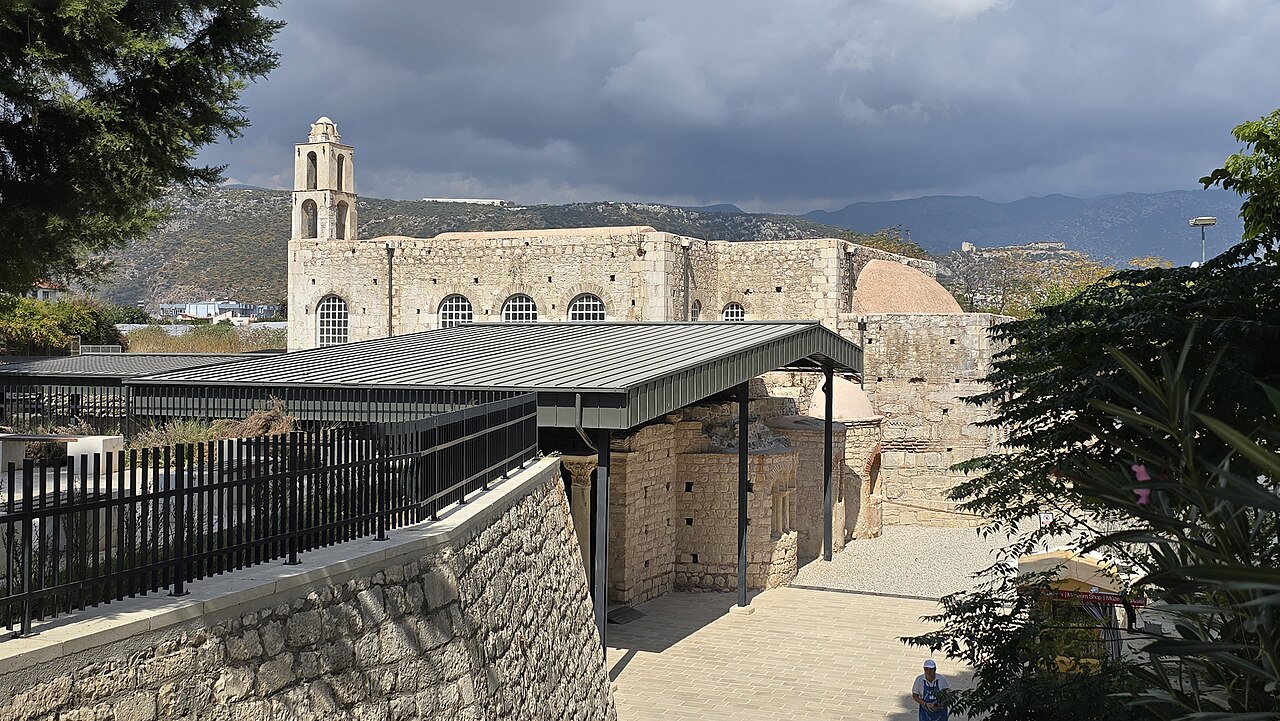 Artifact
Secondary source
St. Nicholas Church, Demre
6th century AD (rebuilt; ruins visible today)
 Artifact
Secondary source
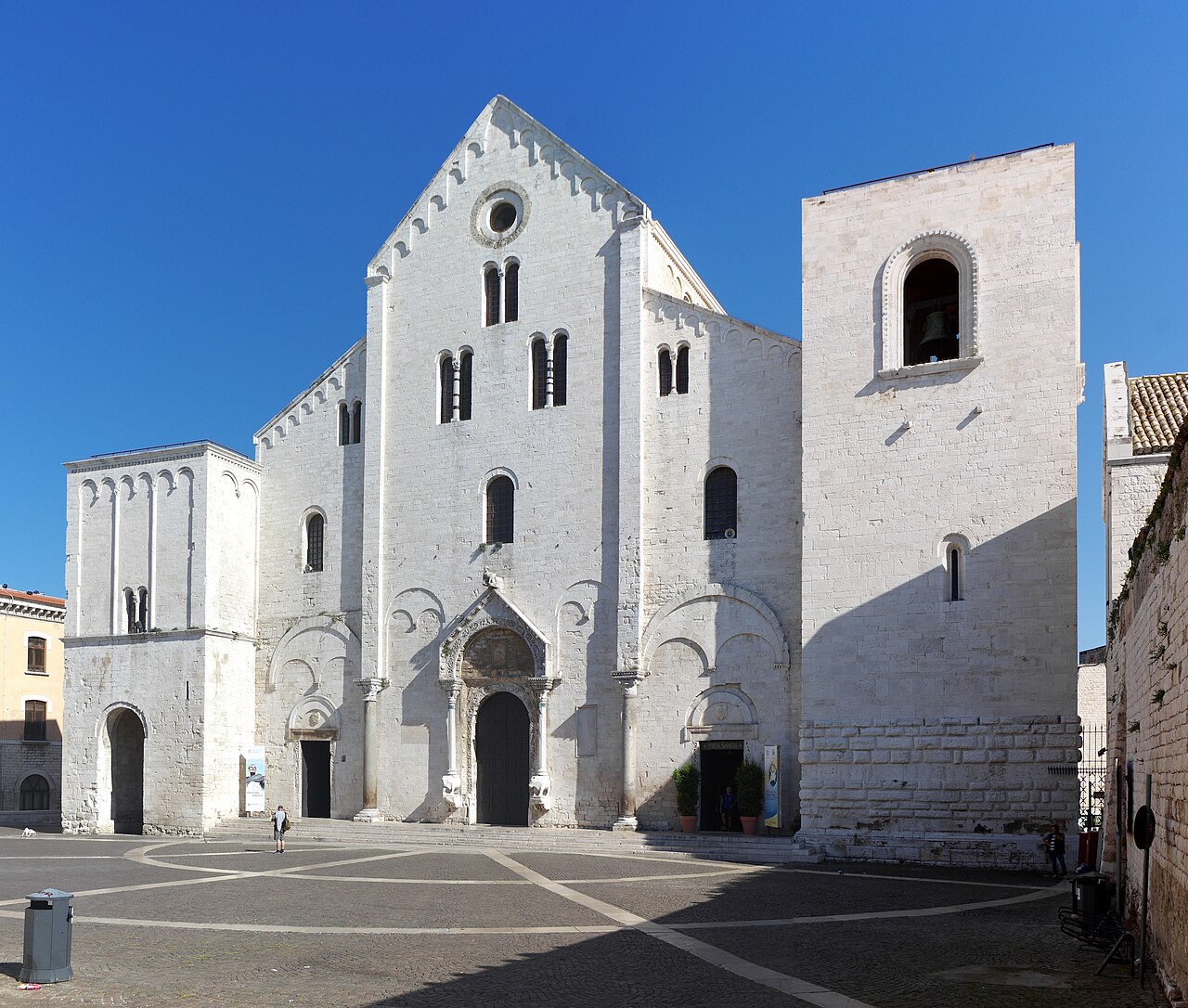
Basilica of Saint Nicholas, Bari
1087–1197
 Document
Secondary source
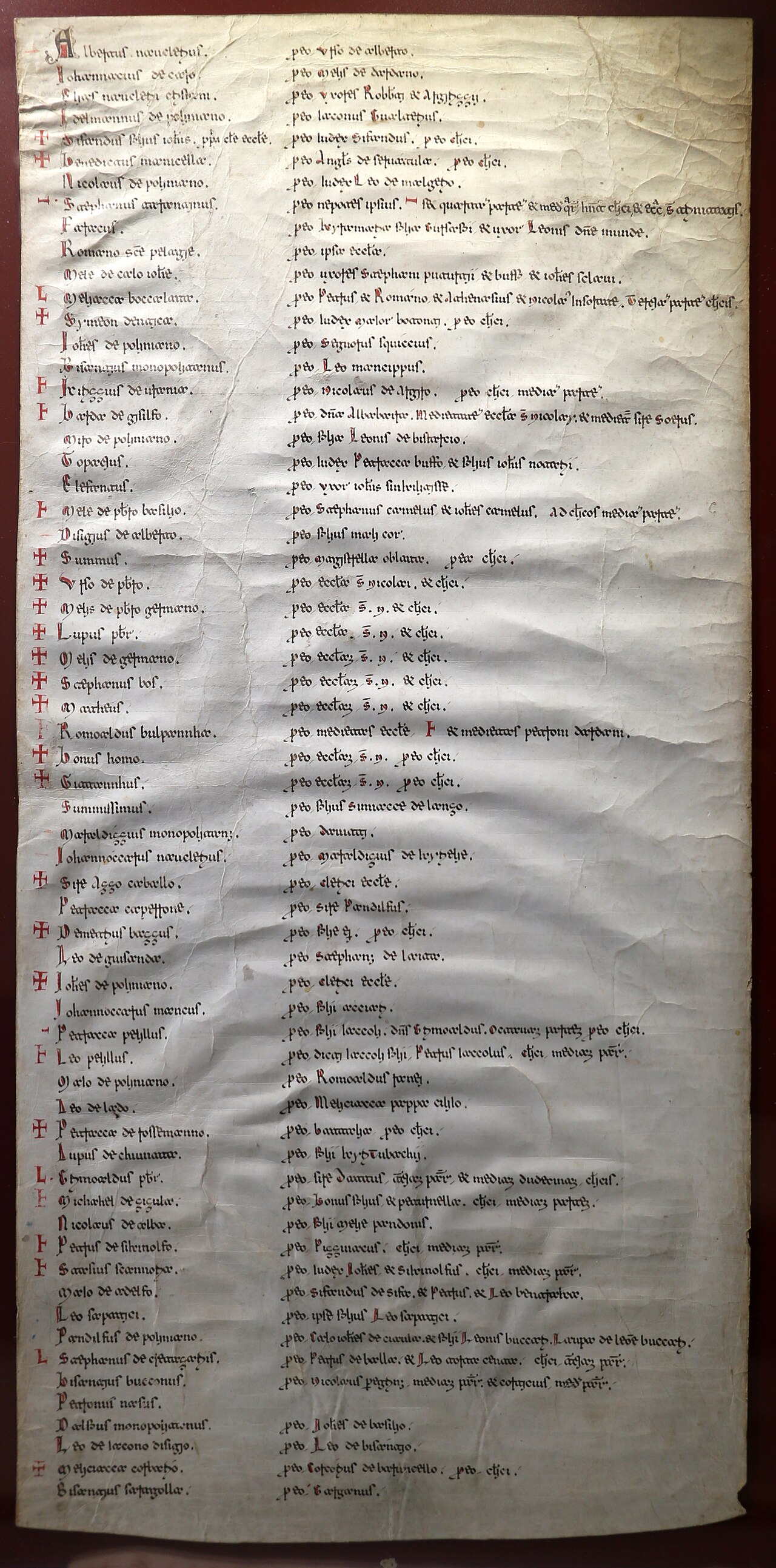
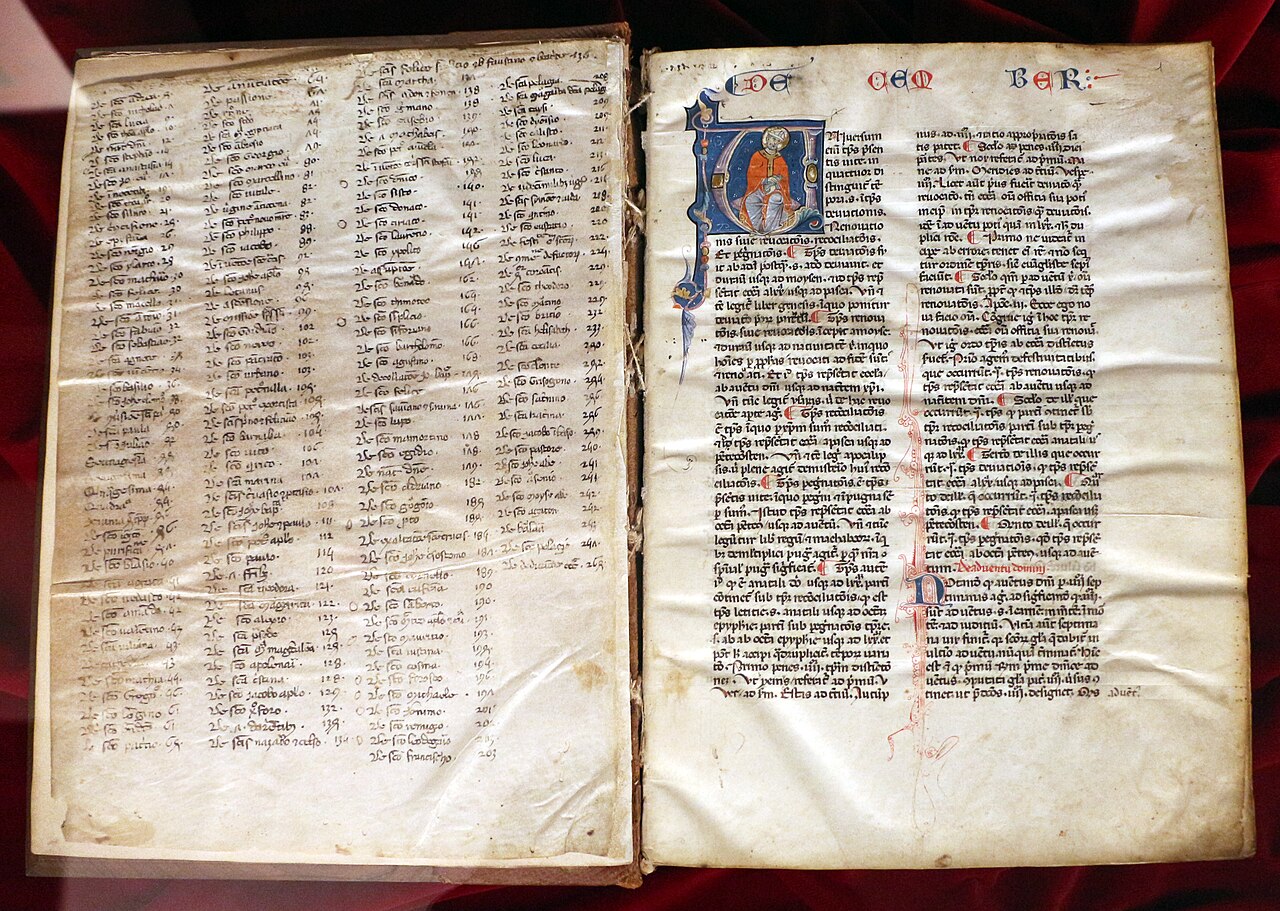
Parchment of the 62 Sailors Who Carried Saint Nicholas's Relics to Bari
c. 1175
 Book
Secondary source
Golden Legend
Jacobus de Voragine · c. 1259–1266
Free account
Read every Saint Nicholas source
Sign up free →
Ready when you are
Start chatting with Saint Nicholas now.
20 messages free · No credit card · Available in 50+ languages.