


Primary sourcePaintingc. 1644
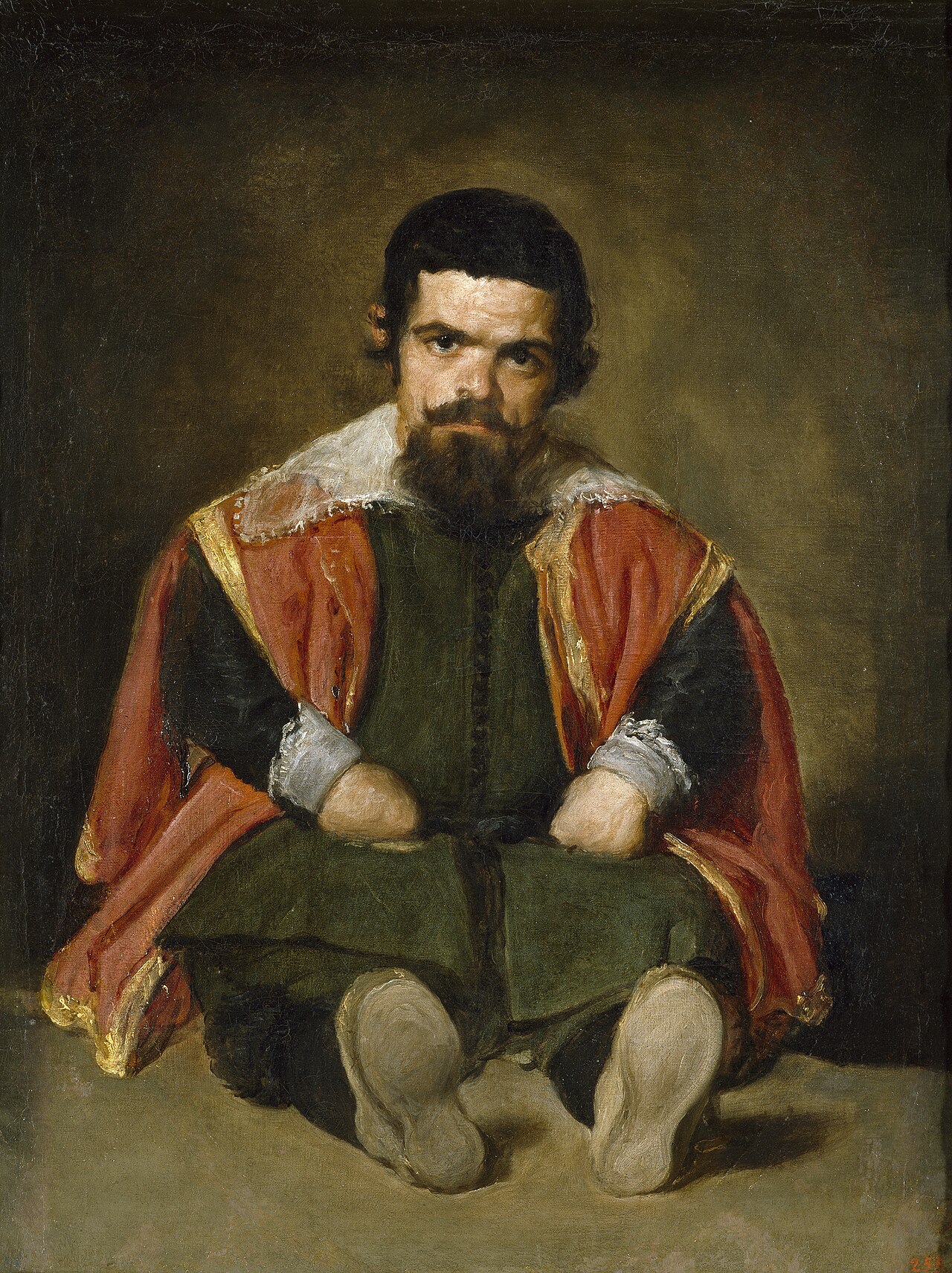
Portrait of Sebastián de Morra
Diego Velázquez · c. 1644
Velázquez's portrait of Sebastián de Morra, a court dwarf and jester at the Spanish court, painted around 1644.
Velázquez painted this dignified portrait of a court jester, showing his humane treatment of marginalised figures.
About this source
What it is
This painting by Diego Velázquez shows Sebastián de Morra, a court dwarf and jester who served Philip IV of Spain and later Prince Baltasar Carlos. It was painted around 1644 and is now in the Museo del Prado in Madrid.
Why it matters
Velázquez painted at least ten portraits of court dwarfs, treating them with a warmer, more naturalistic style than earlier court painters, who usually depicted them coldly. Some historians see this portrait's direct, motionless gaze as a quiet comment on how dwarfs like de Morra were treated at court. The painting is evidence both of Velázquez's skill and of the position of marginalised people within the royal household.
Look closer
- What does de Morra's direct gaze and stillness suggest about his feelings or situation?
- Why might Velázquez have avoided giving de Morra any object or gesture, unlike other court portraits?
- What does this painting reveal, or not reveal, about how dwarfs were treated at the Spanish court?
This painting is part of the curated material that grounds the AI version of Diego Velázquez on Humy.ai — when students ask about related events, the AI can quote it and cite it.
More Diego Velázquez sources
Browse all 98 →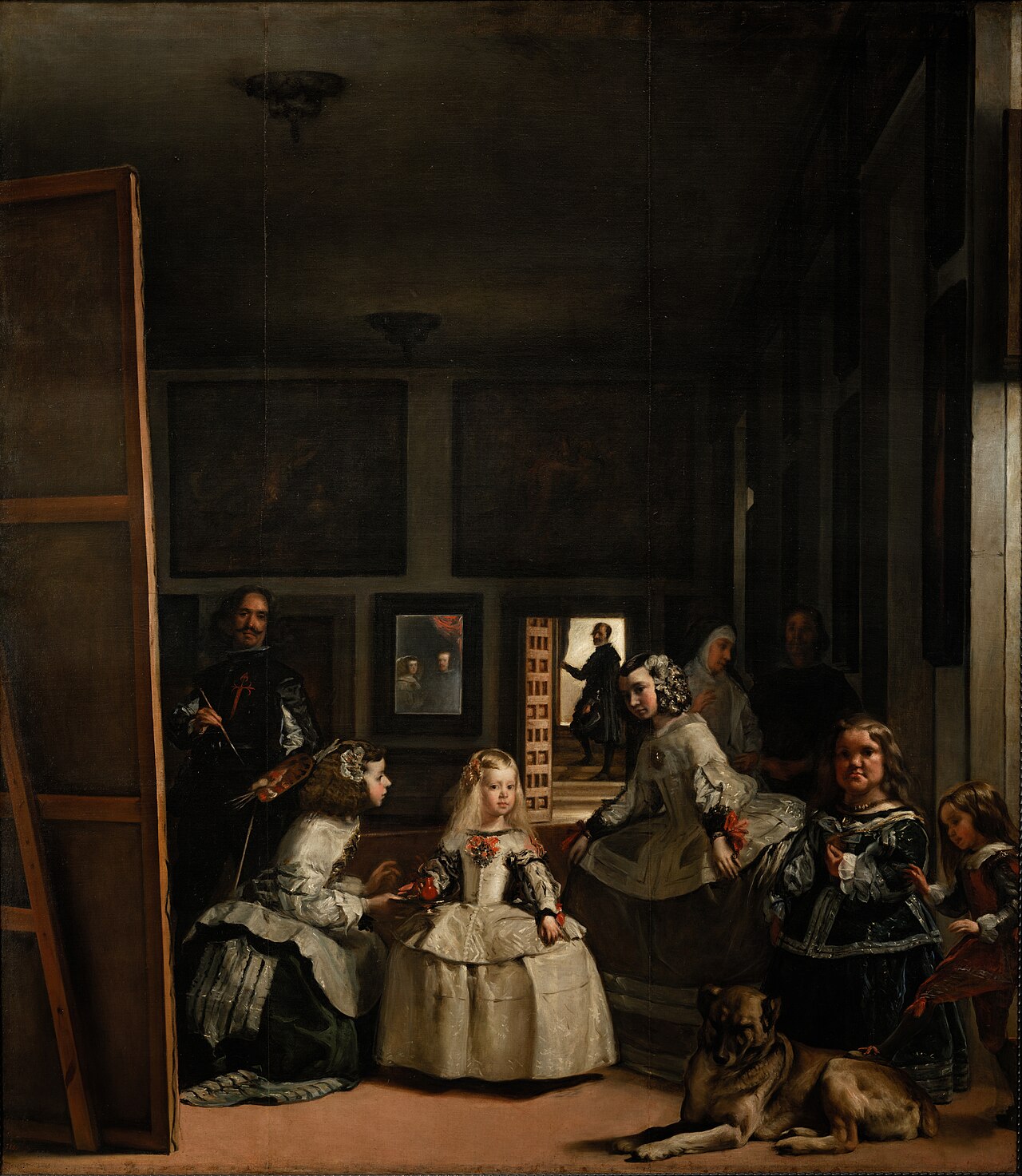 Painting
Primary source
Las Meninas
Diego Velázquez · 1656
 Painting
Primary source
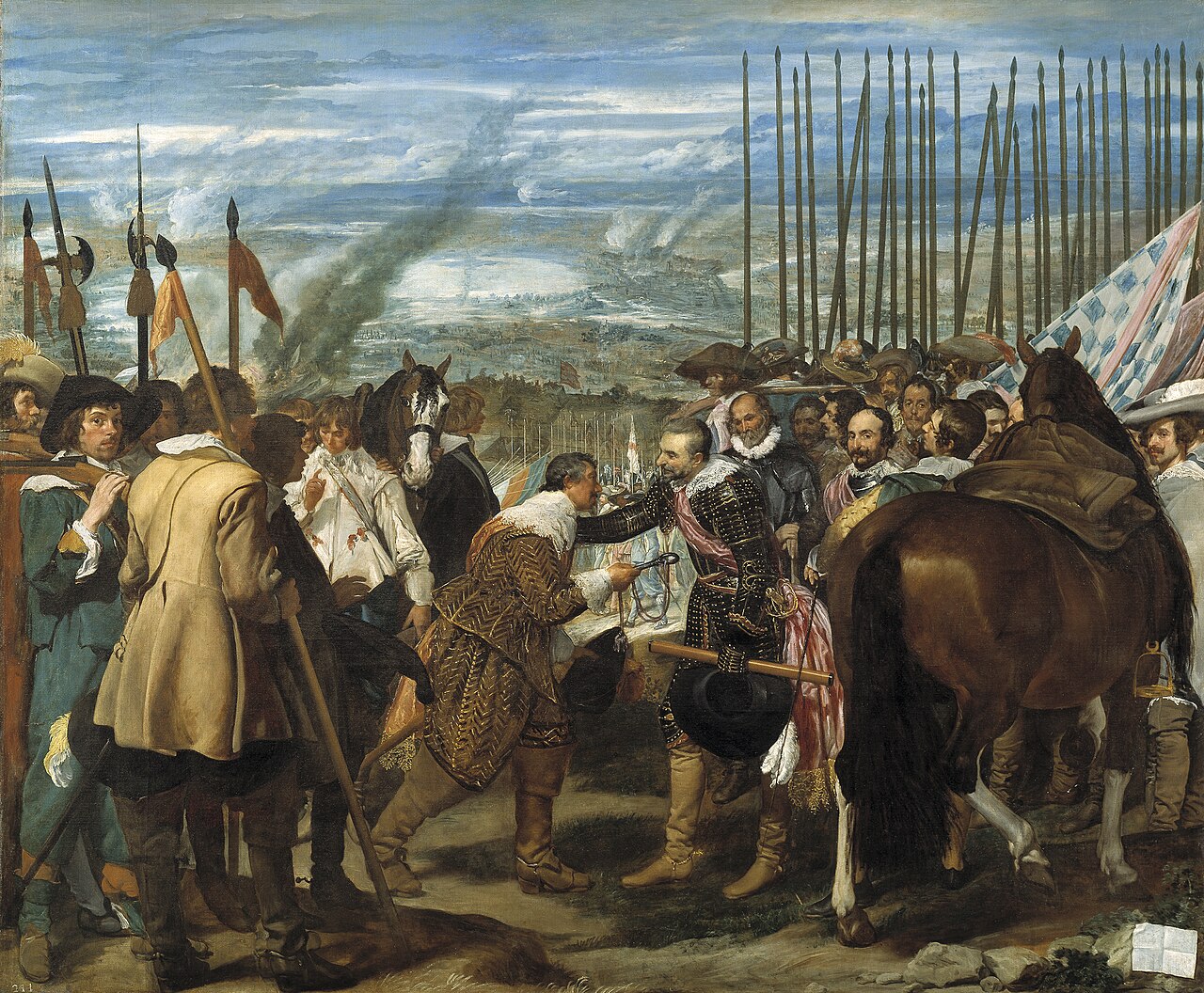
The Surrender of Breda
Diego Velázquez · 1634–1635
 Painting
Primary source
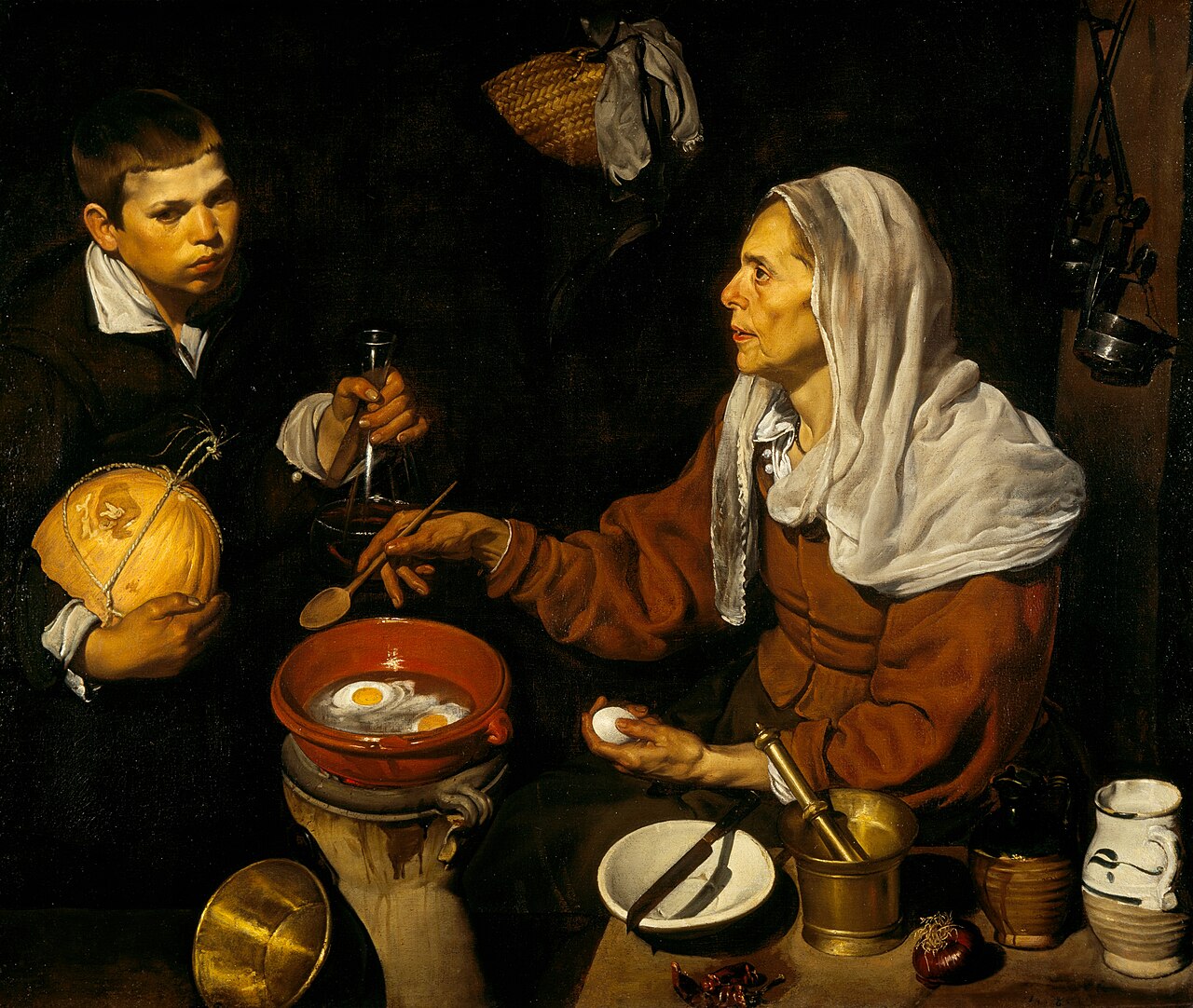
Old Woman Cooking Eggs
Diego Velázquez · c. 1618
 Painting
Primary source
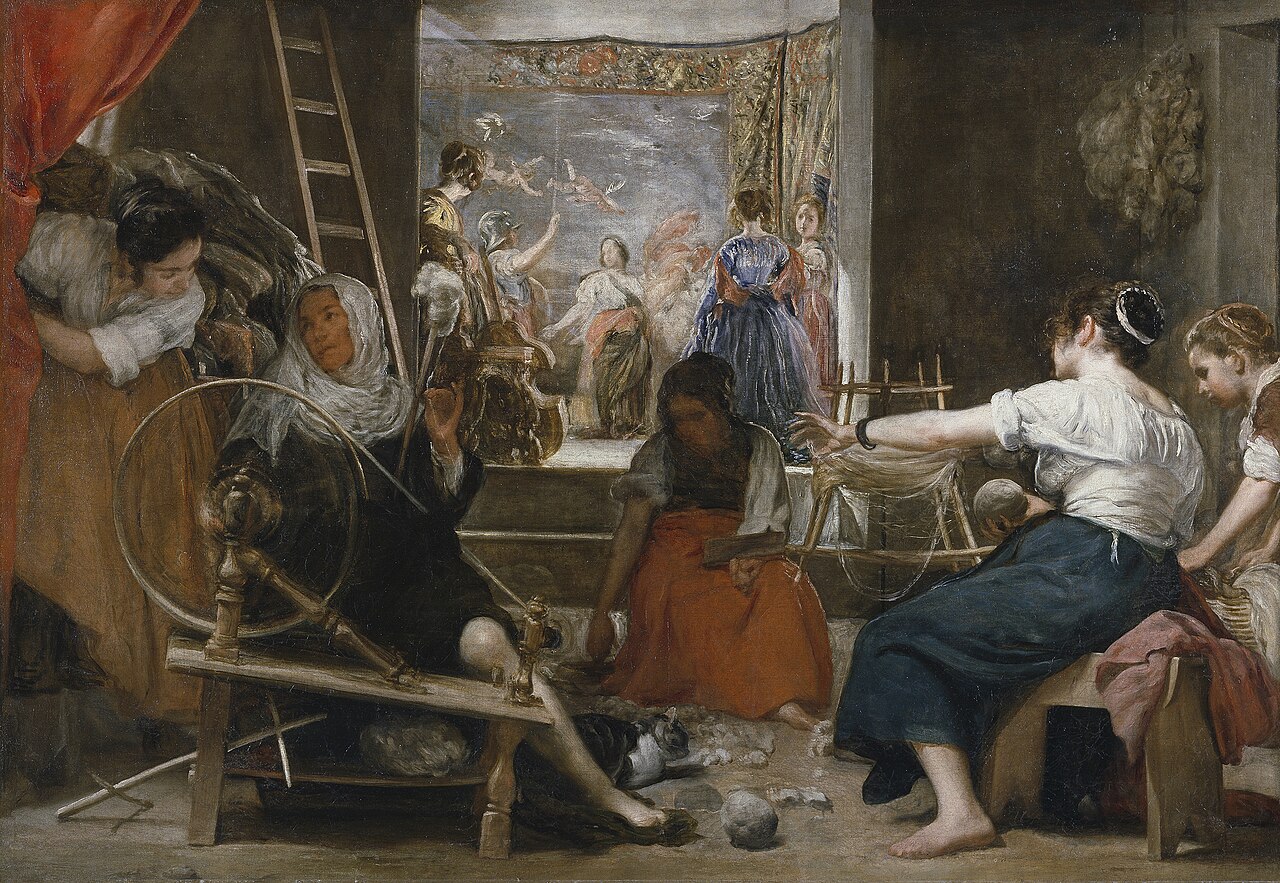
Las Hilanderas
Diego Velázquez · c. 1655–1658
Free account
Read every Diego Velázquez source
Sign up free →
Ready when you are
Start chatting with Diego Velázquez now.
20 messages free · No credit card · Available in 50+ languages.