


Secondary sourcePaintingc. 1552-1568
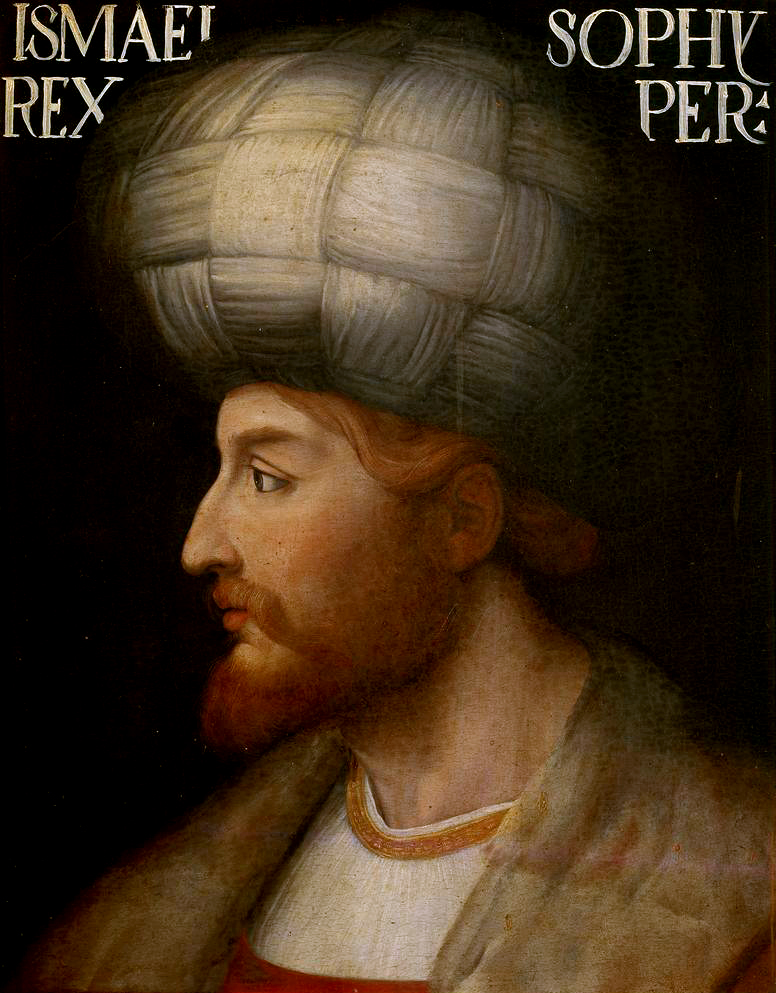
Portrait of Shah Ismail I
Cristofano dell'Altissimo · c. 1552-1568
An imagined oil portrait of Shah Ismail I, painted decades after his death, showing him in profile wearing a large turban.
This later, imagined portrait depicts Ismail I decades after his death, showing how Europeans pictured him.
About this source
What it is
This is an oil painting by Cristofano dell'Altissimo, made between about 1552 and 1568. It shows a bearded man in profile wearing a large white turban and a fur-trimmed garment, with gold lettering reading 'ISMAEL REX' and 'SOPHY PERS'. It is part of a series of imagined portraits of famous rulers.
Why it matters
Because the artist never met Shah Ismail I, founder of the Safavid dynasty of Iran, this painting is not an eyewitness likeness but a European idea of what a famous Persian ruler might look like. It shows how later European artists and audiences imagined Middle Eastern rulers, often using costume and inscriptions to signal identity and power rather than accurate portraiture.
Look closer
- What details in the clothing and turban might have told a European viewer this was a Persian ruler?
- Why might an artist paint a portrait of someone who died before they were born?
- What does the inscription add to how we 'read' the painting?
This painting is part of the curated material that grounds the AI version of Ismail I on Humy.ai — when students ask about related events, the AI can quote it and cite it.
More Ismail I sources
Browse all 92 →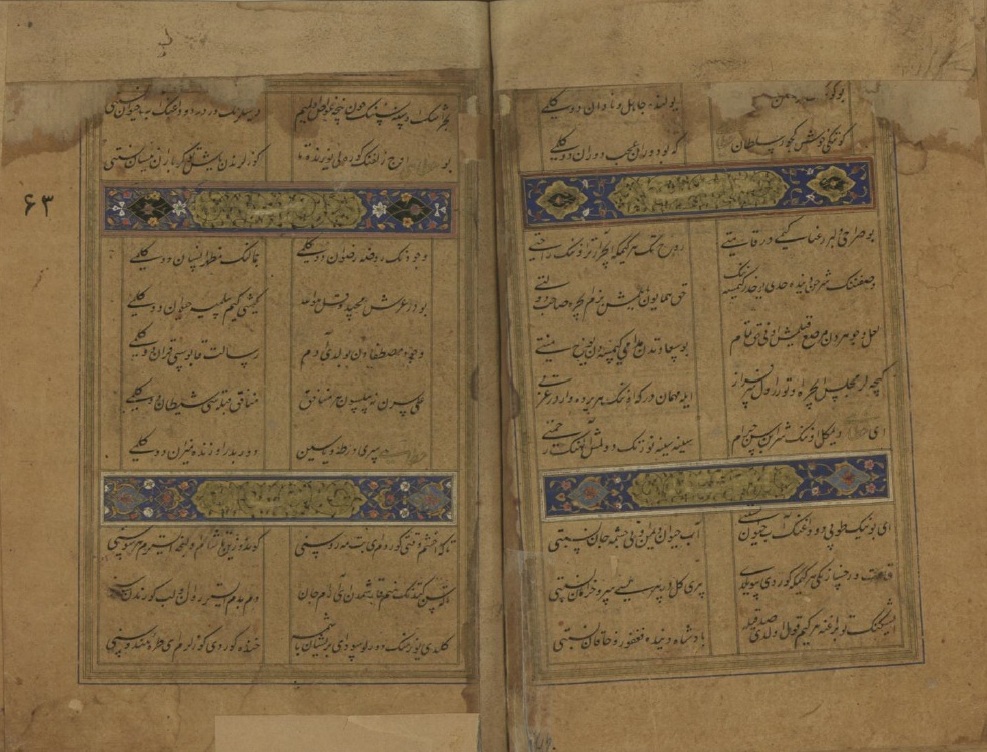 Book
Primary source
Diwan of Shah Ismail Khatai
Ismail I (as Khata'i)
 Painting
Secondary source
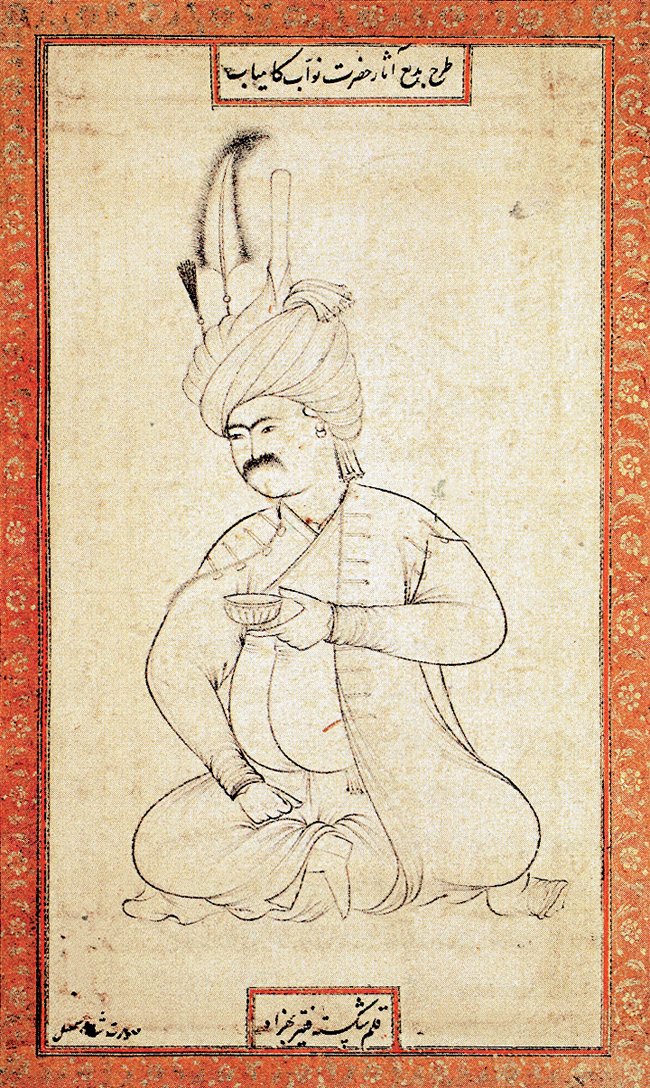
Portrait of Ismail I
Attributed to Kamal al-din Behzad (posthumous copy)
 Painting
Secondary source
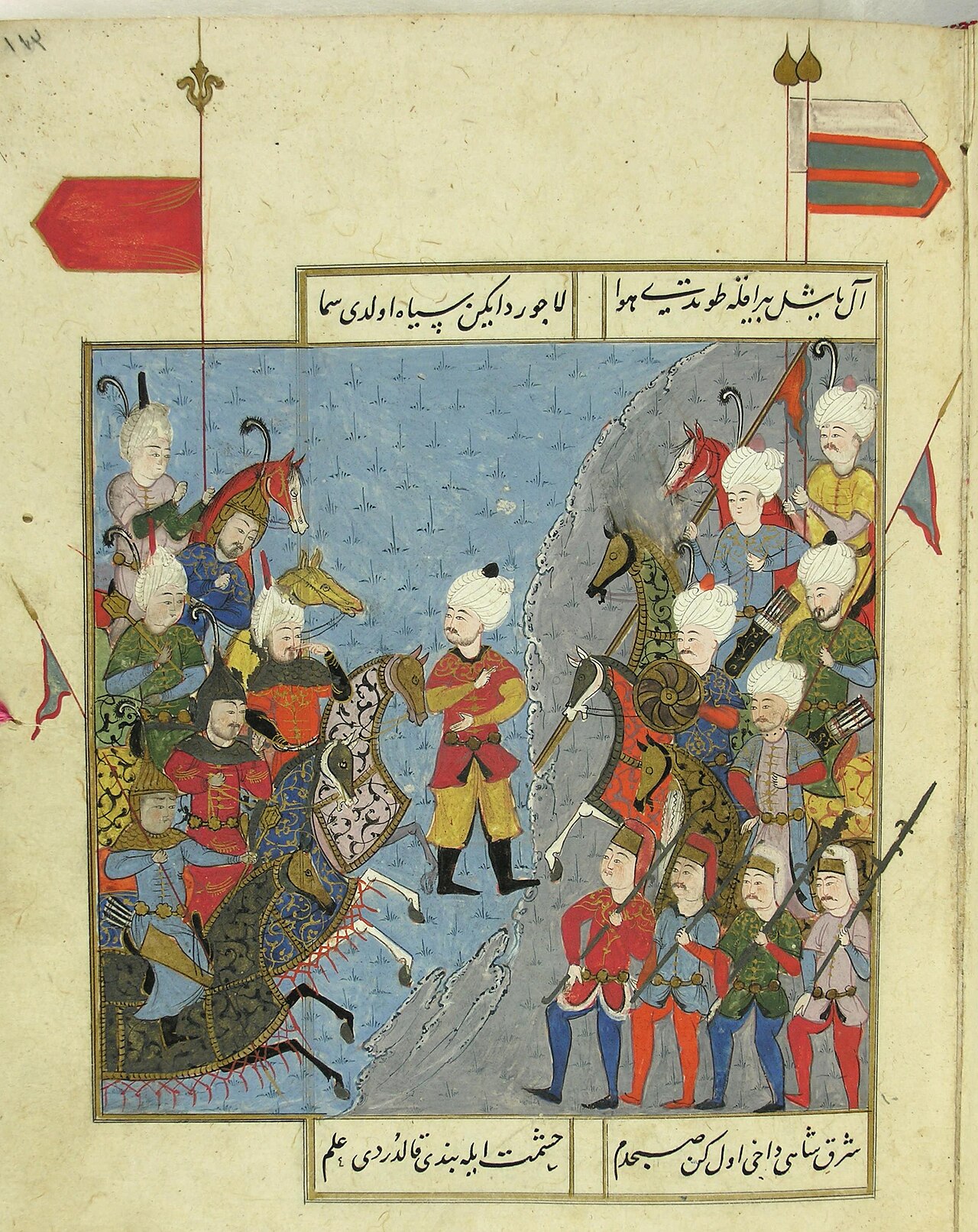
Shah Ismail at the Battle of Chaldiran
Unknown Ottoman court artist · c. 1525-1530
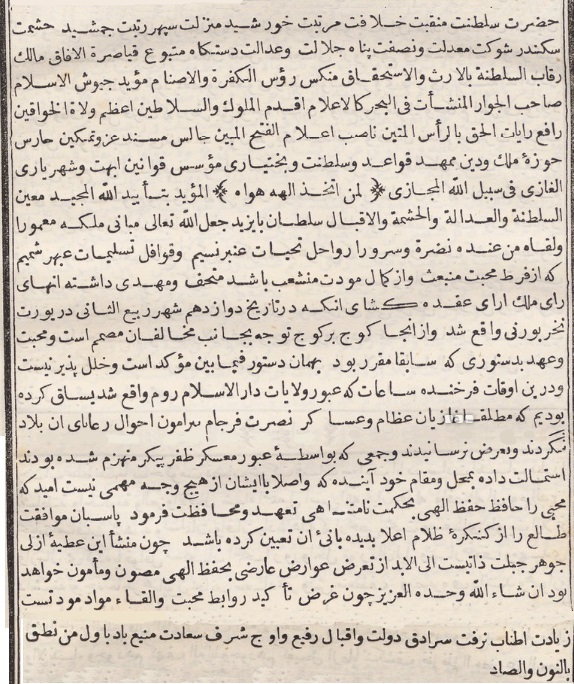 Letter
Secondary source
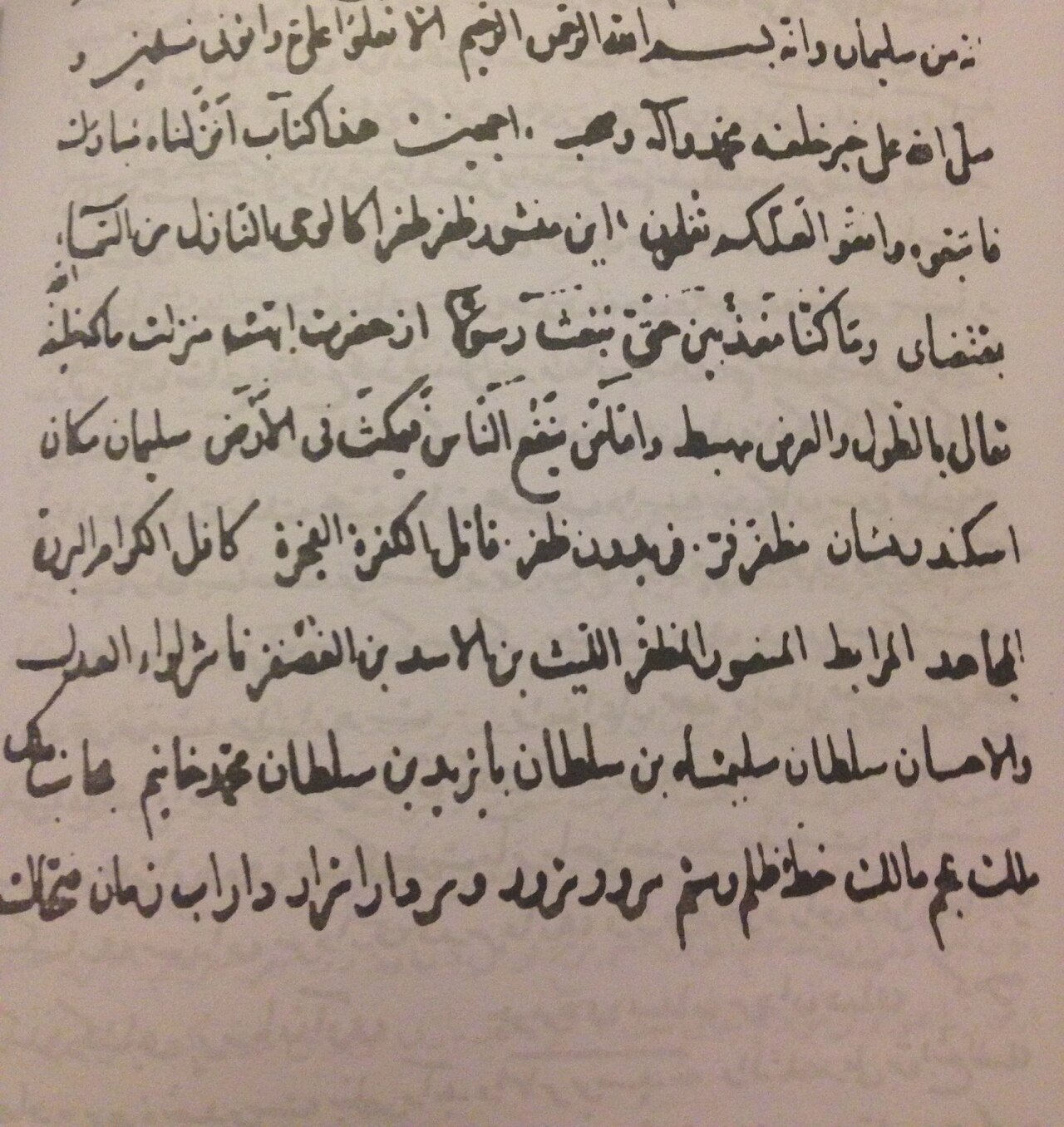
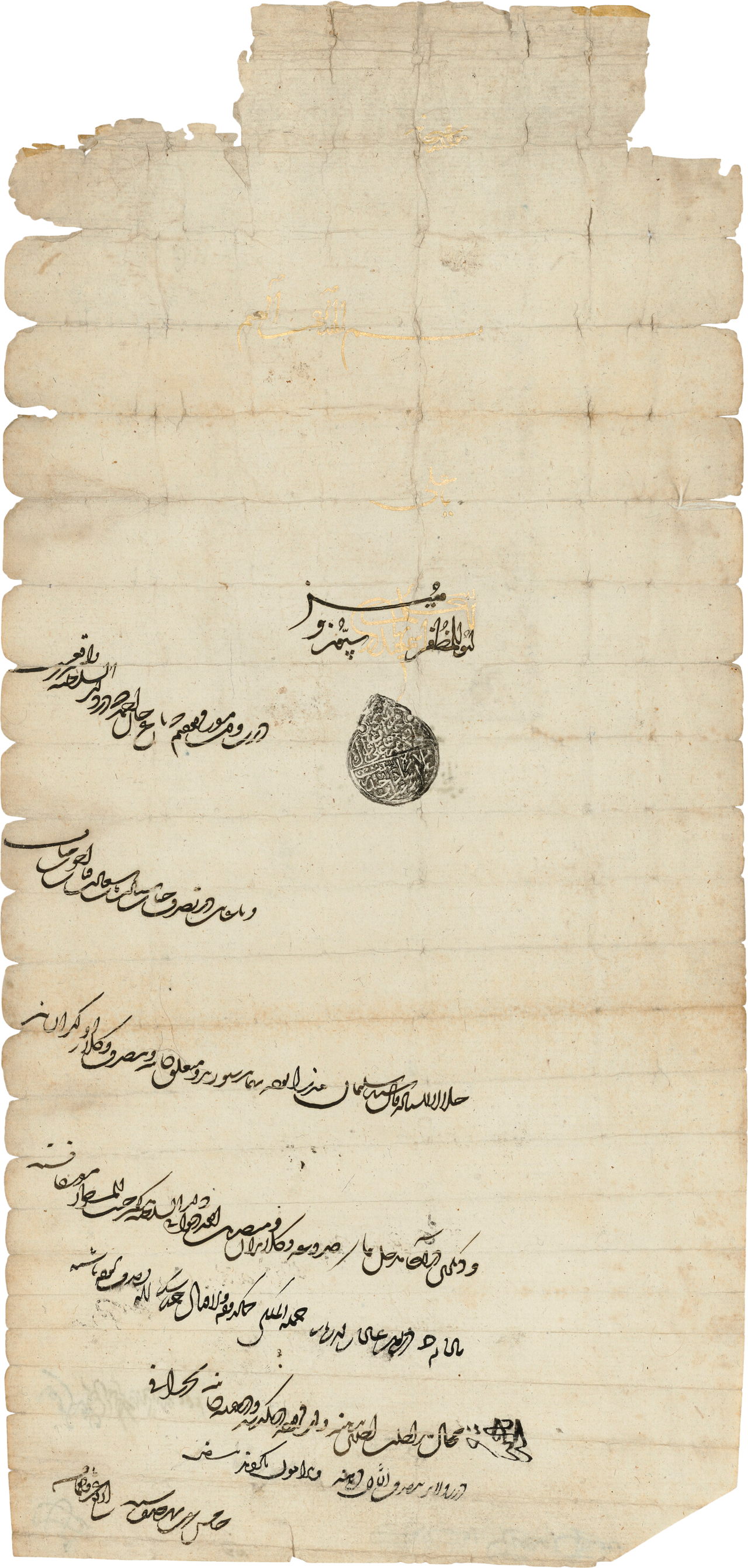
Letter from Şah İsmail to Sultan Bayezid II
Feridun Ahmed Bey · c. 1508
Free account
Read every Ismail I source
Sign up free →
Ready when you are
Start chatting with Ismail I now.
20 messages free · No credit card · Available in 50+ languages.