


Primary sourcePainting
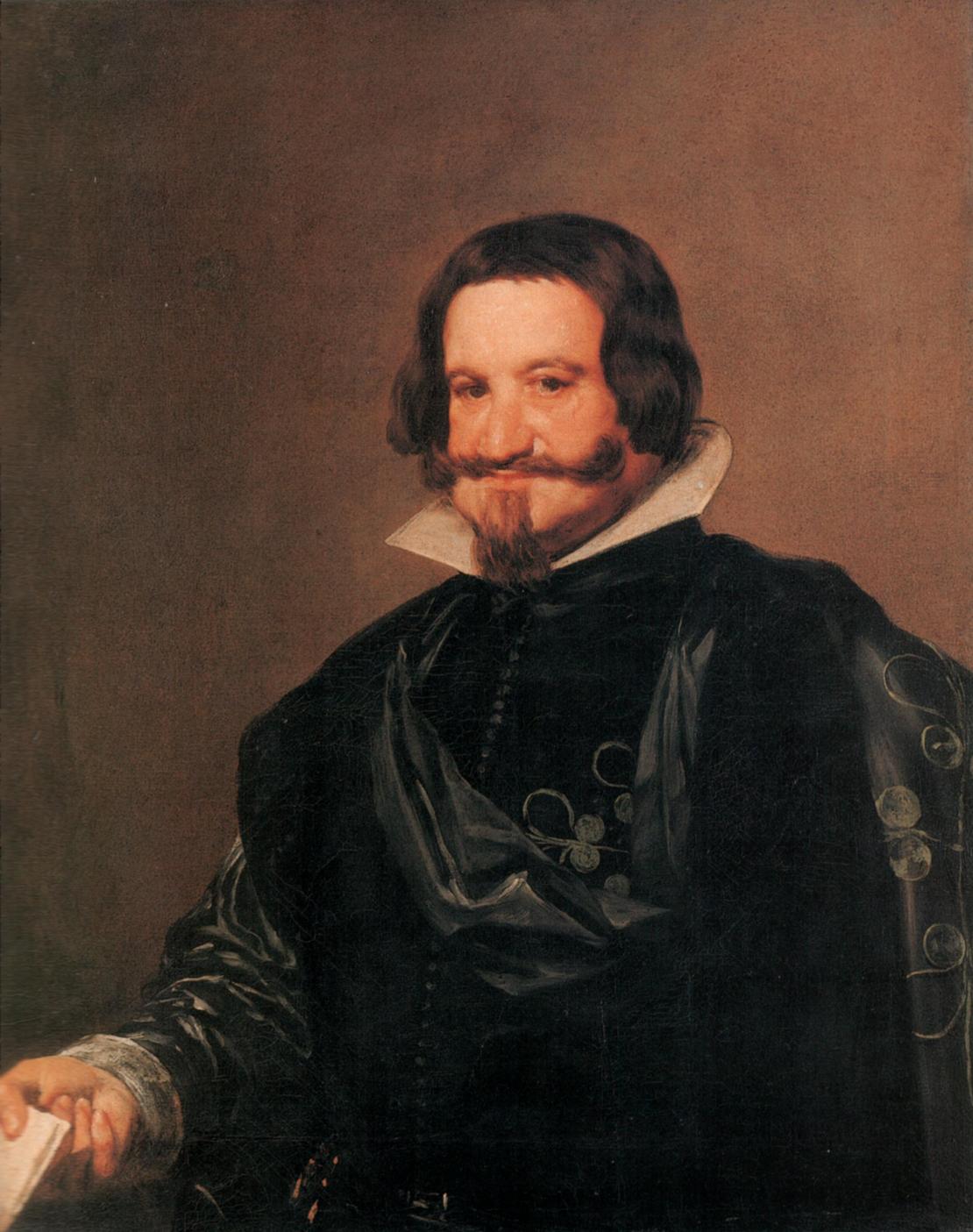
Portrait of the Count-Duke of Olivares, Dresden version
Diego Velázquez
A portrait by Velázquez of the Count-Duke of Olivares, chief minister to King Philip IV. The painting is held in Dresden.
Shows Olivares, the king's chief minister, painted by Velázquez, which places the painter among the court figures he served.
About this source
What it is
This is a painting by Diego Velázquez showing the Count-Duke of Olivares. It is held in Dresden. The man has dark shoulder-length hair, a waxed mustache and a goatee, and wears a black doublet with a white collar and braided buttons. He rests one hand on a sheet of white paper against a brown background. The facts give no exact date for the work.
Why it matters
Olivares was the king's chief minister and one of the most powerful men in Spain in the 1620s and 1630s. Velázquez painted him as well as the king. A portrait of a chief minister shows how a royal servant could be presented to the public. It also shows how much the court depended on its painters to display power.
Look closer
- What does the paper under the man's hand suggest about his work?
- Why would a minister want a painting like this, and who was meant to see it?
- What does the portrait leave out about Olivares's decisions and their effects on Spain?
This painting is part of the curated material that grounds the AI version of Diego Velázquez on Humy.ai — when students ask about related events, the AI can quote it and cite it.
More Diego Velázquez sources
Browse all 98 →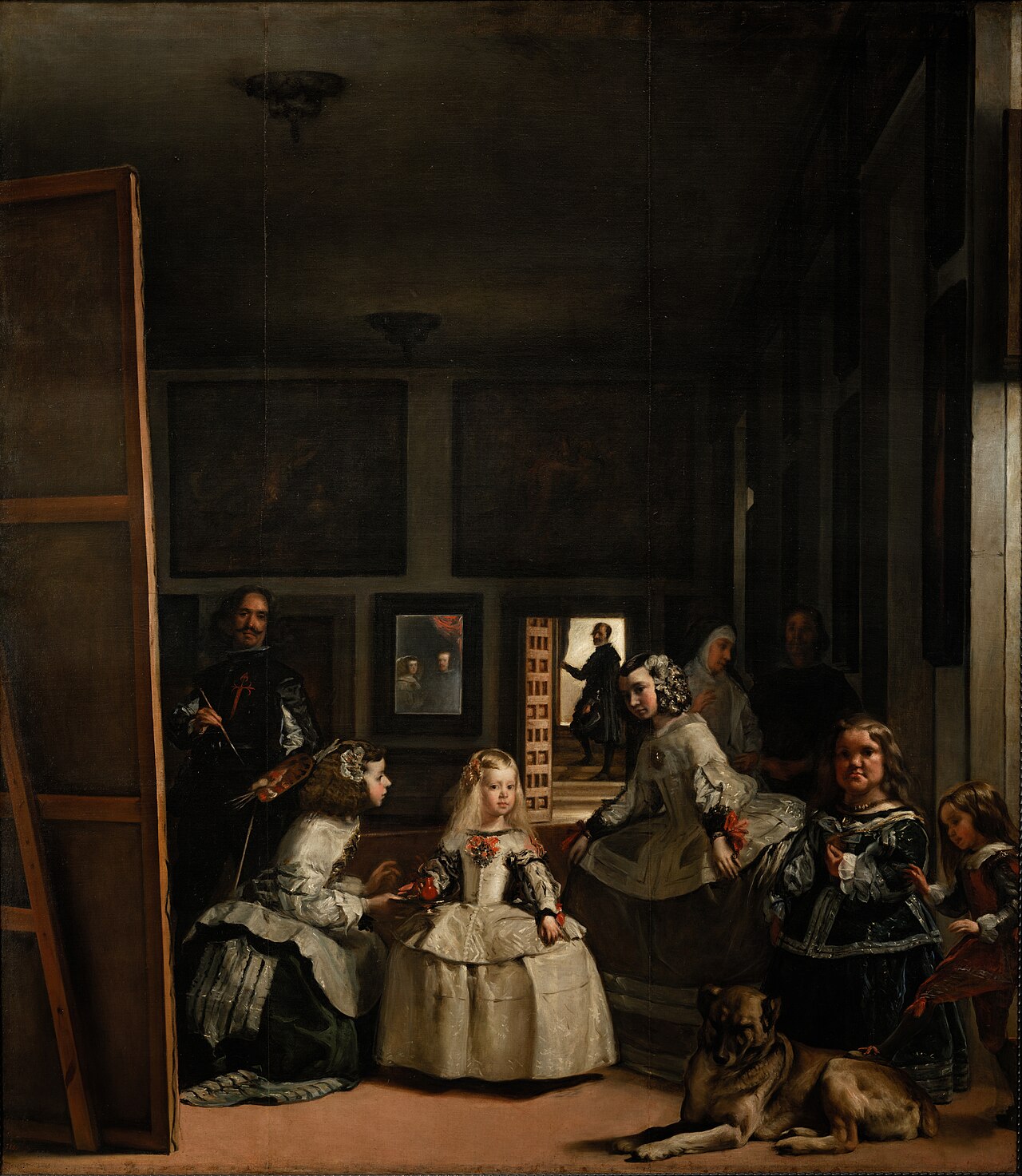 Painting
Primary source
Las Meninas
Diego Velázquez · 1656
 Painting
Primary source
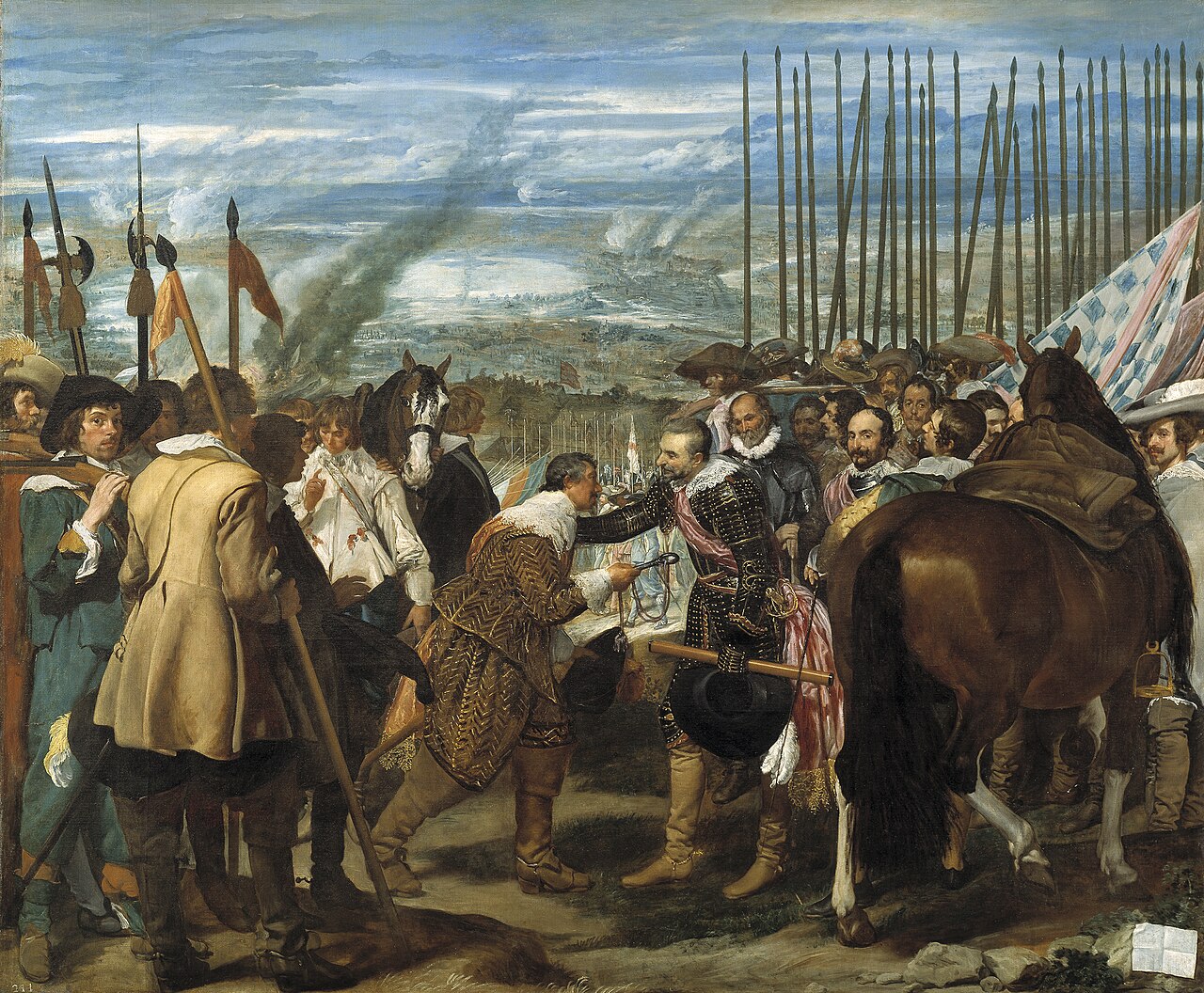
The Surrender of Breda
Diego Velázquez · 1634–1635
 Painting
Primary source
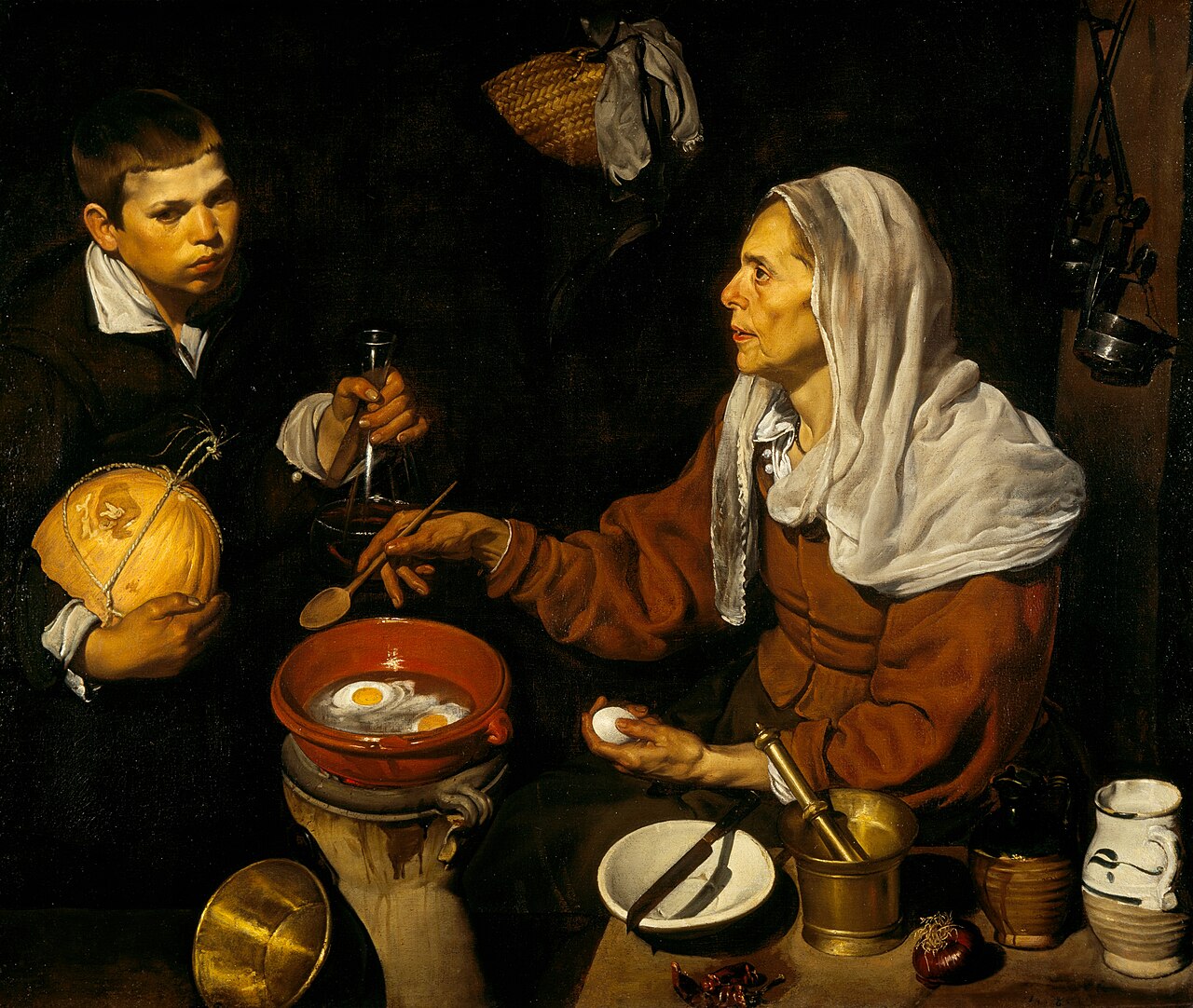
Old Woman Cooking Eggs
Diego Velázquez · c. 1618
 Painting
Primary source
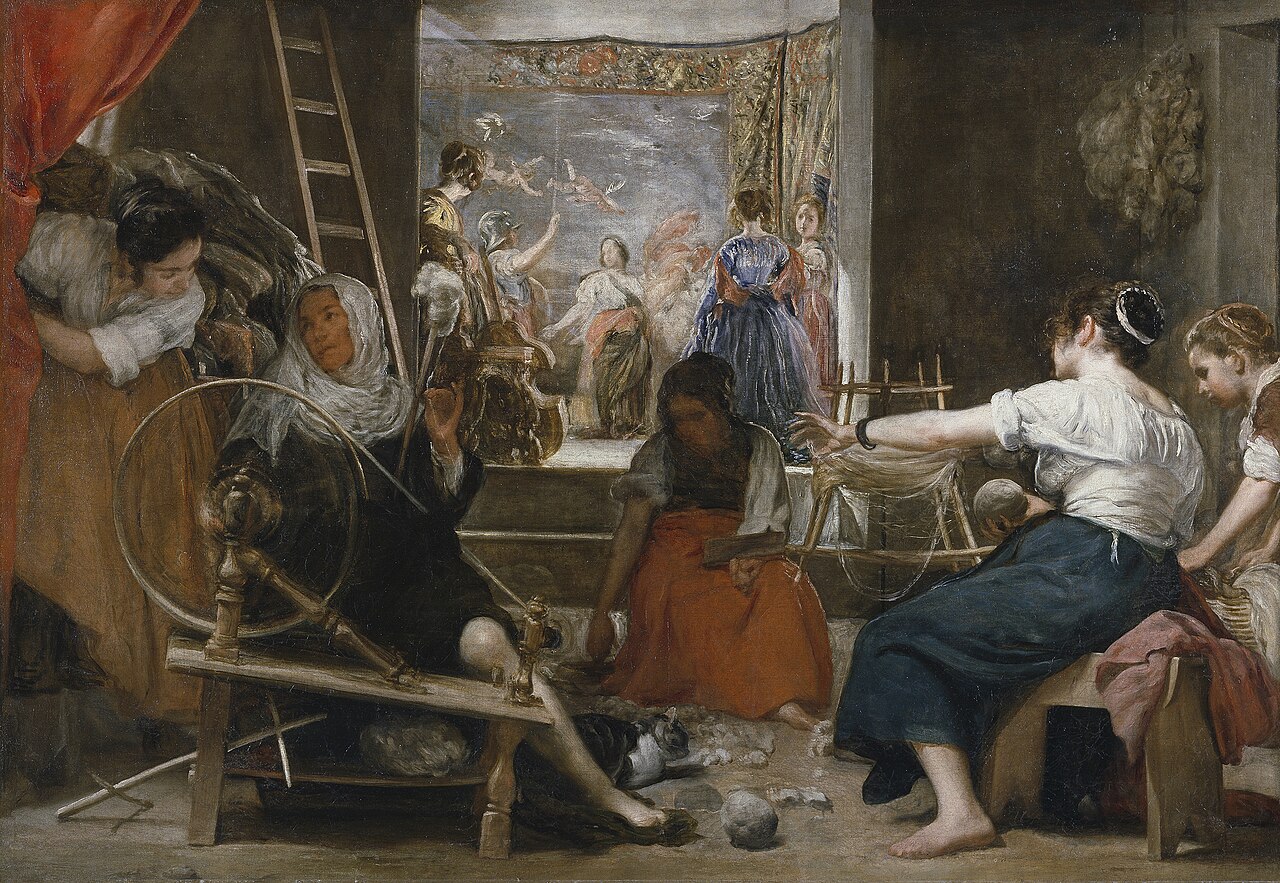
Las Hilanderas
Diego Velázquez · c. 1655–1658
Free account
Read every Diego Velázquez source
Sign up free →
Ready when you are
Start chatting with Diego Velázquez now.
20 messages free · No credit card · Available in 50+ languages.