


Primary sourcePaintingc. 1760–1767
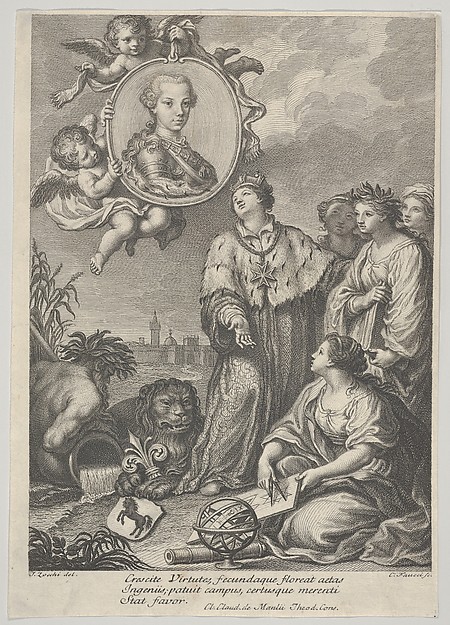
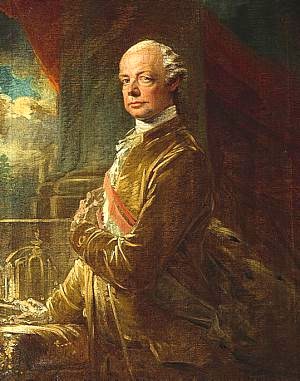
Portrait of the Future Emperor Leopold II as Grand Duke of Tuscany
Carlo Faucci · c. 1760–1767
An engraved allegorical portrait of Leopold II from his years as Grand Duke of Tuscany, before he became emperor.
An allegorical engraved portrait of Leopold II made during his years as Grand Duke of Tuscany, before he became emperor.
About this source
What it is
This engraving by Carlo Faucci, made around 1760–67, is an allegorical portrait of the future Emperor Leopold II, shown as Archduke of Austria and Grand Duke of Tuscany. It is held by The Metropolitan Museum of Art.
Why it matters
The print shows how rulers used symbolic imagery—figures of learning, strength and abundance—to present their status and virtues even before they held the highest title. It captures Leopold in his Tuscan years, long before he became Holy Roman Emperor.
Look closer
- What do the surrounding figures and objects (the globe, the lion, the woman writing) suggest about how Leopold wanted to be seen?
- Why might an artist use allegory rather than a simple likeness to portray a ruler?
- What is missing from this idealized image that a plain portrait might show?
This painting is part of the curated material that grounds the AI version of Leopold II, Holy Roman Emperor on Humy.ai — when students ask about related events, the AI can quote it and cite it.
More Leopold II, Holy Roman Emperor sources
Browse all 95 →Primary source
Declaration of Pillnitz
27 August 1791
 Letter
Primary source
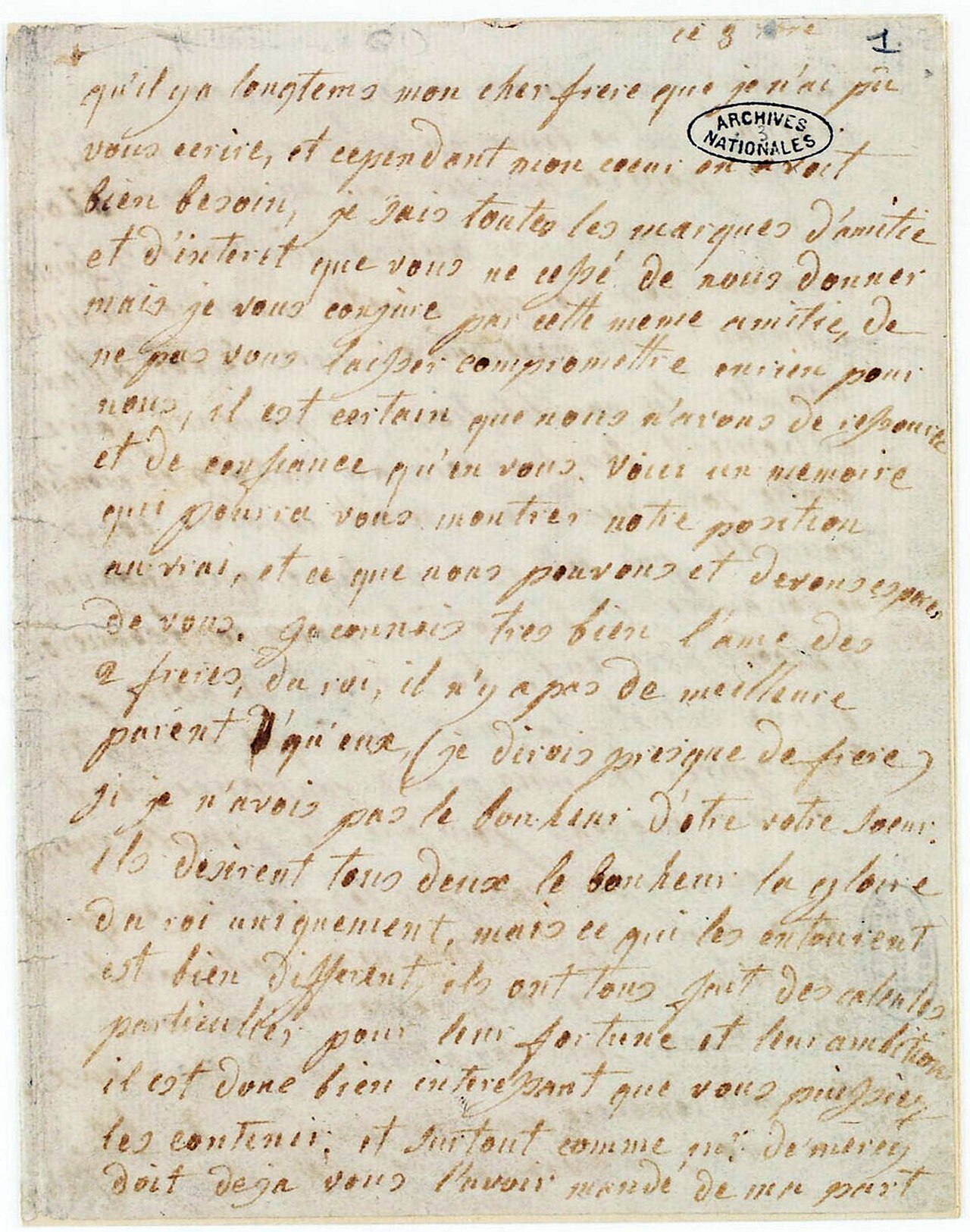
Letter to Her Brother Emperor Leopold II
Marie Antoinette · 8 September 1791
 Document
Primary source
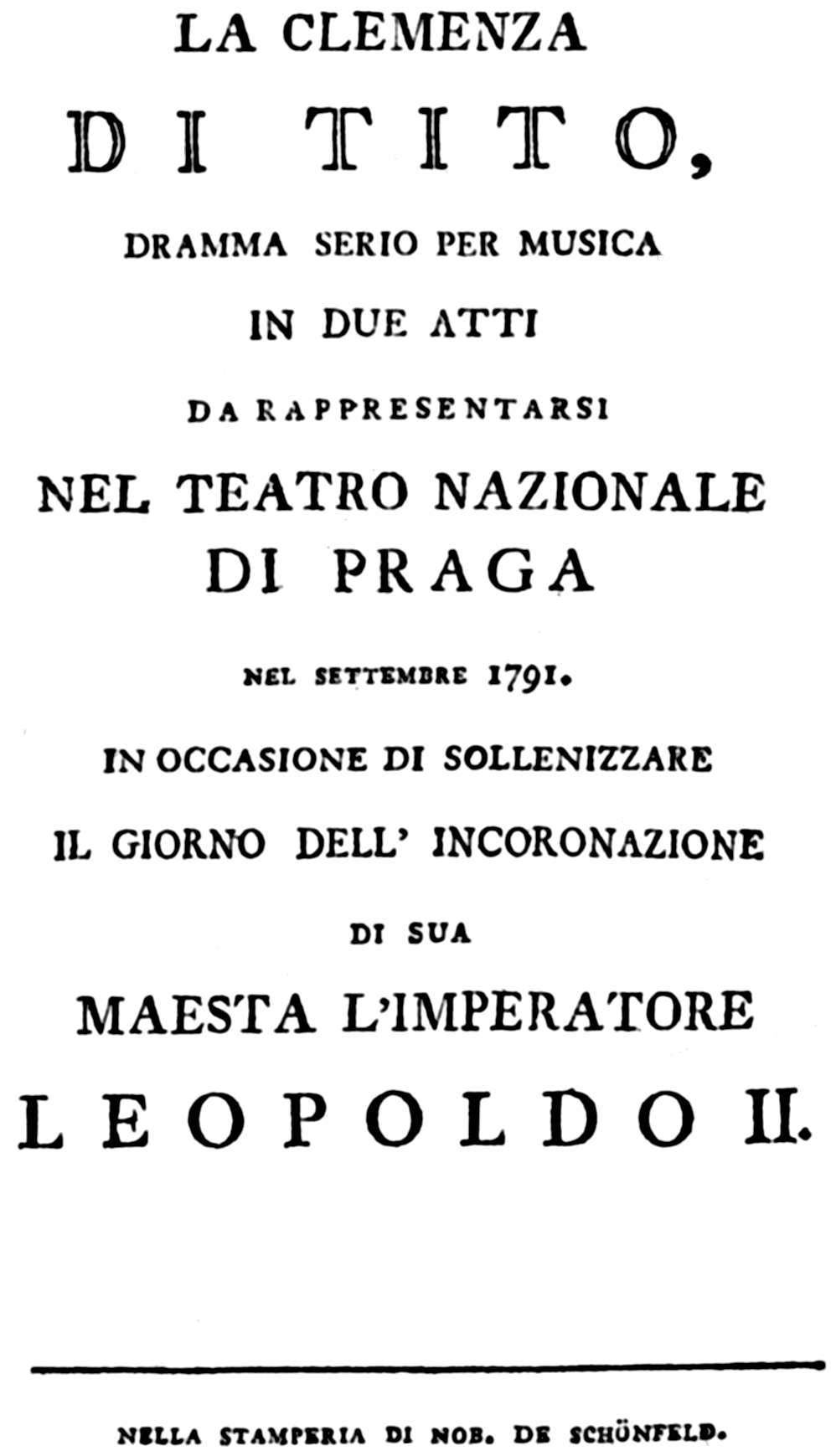
La clemenza di Tito
Wolfgang Amadeus Mozart · 1791
 Painting
Primary source
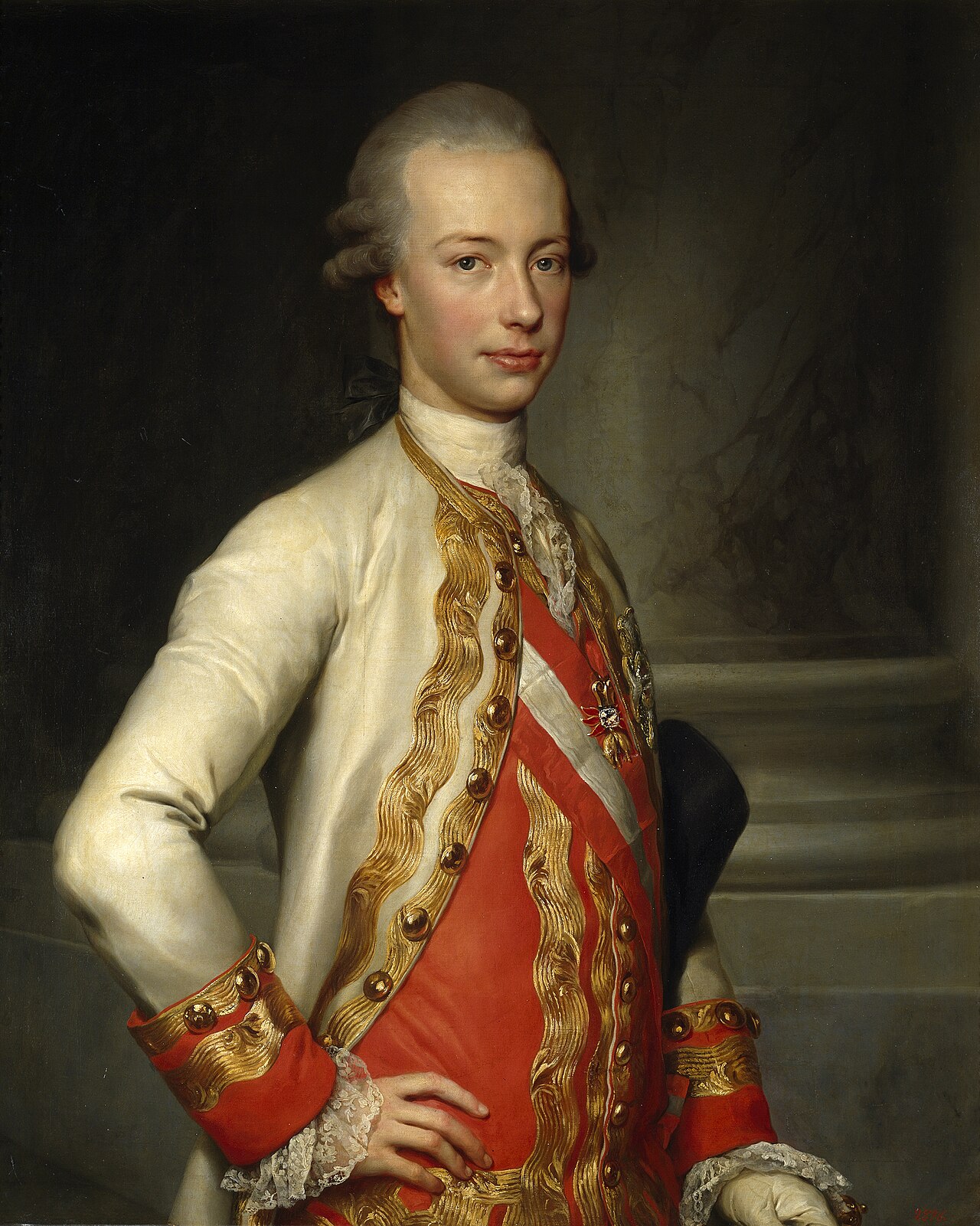
Leopoldo de Lorena, Grand Duke of Tuscany
Anton Raphael Mengs · 1770
Free account
Read every Leopold II, Holy Roman Emperor source
Sign up free →
Ready when you are
Start chatting with Leopold II, Holy Roman Emperor now.
20 messages free · No credit card · Available in 50+ languages.