


Primary sourcePaintingc. 1631–32
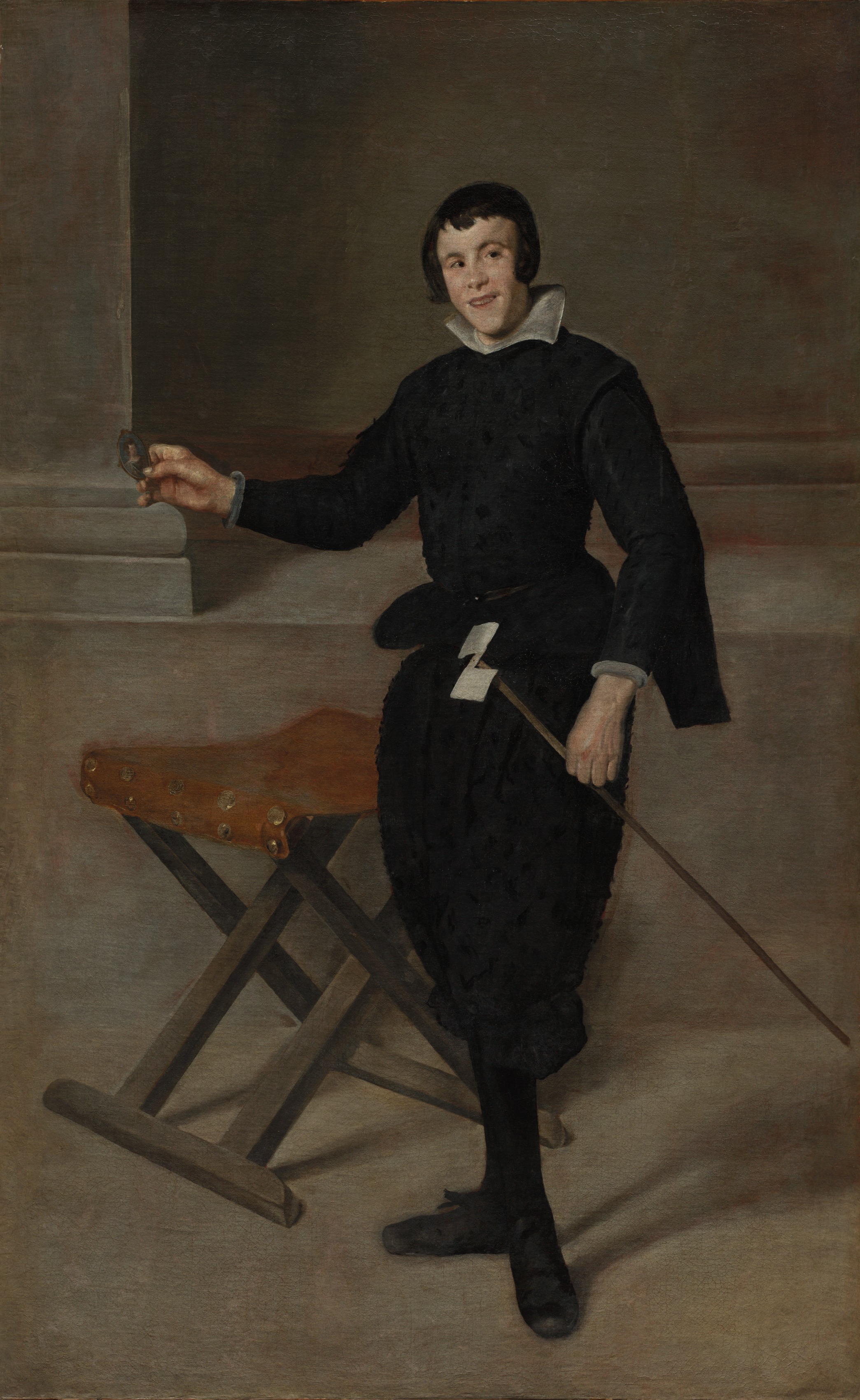
Portrait of the Jester Calabazas
Diego Velázquez · c. 1631–32
A full-length court portrait by Velázquez of Calabazas, a jester with disabilities at the Spanish court.
Velázquez painted this portrait, showing his humane, unflattering realism in depicting court figures.
About this source
What it is
This oil painting, made around 1631–32, is by the Spanish court painter Diego Velázquez. It shows Calabazas, a jester who served King Philip IV. The painting is now held at The Cleveland Museum of Art.
Why it matters
Court jesters with disabilities were valued and cared for at the Spanish court, but usually seen as curiosities. Velázquez used the grand format of a formal royal portrait for a person often treated as marginal, giving him dignity and individuality rather than hiding his condition.
The painting reveals how Velázquez combined close observation with compassion, and how the royal court itself viewed disability and status.
Look closer
- What does the pose and setting borrow from formal royal portraits?
- How does Velázquez show Calabazas's individuality rather than treating him as a stereotype?
- What might this painting tell us about attitudes toward disability at the Spanish court?
This painting is part of the curated material that grounds the AI version of Diego Velázquez on Humy.ai — when students ask about related events, the AI can quote it and cite it.
More Diego Velázquez sources
Browse all 98 →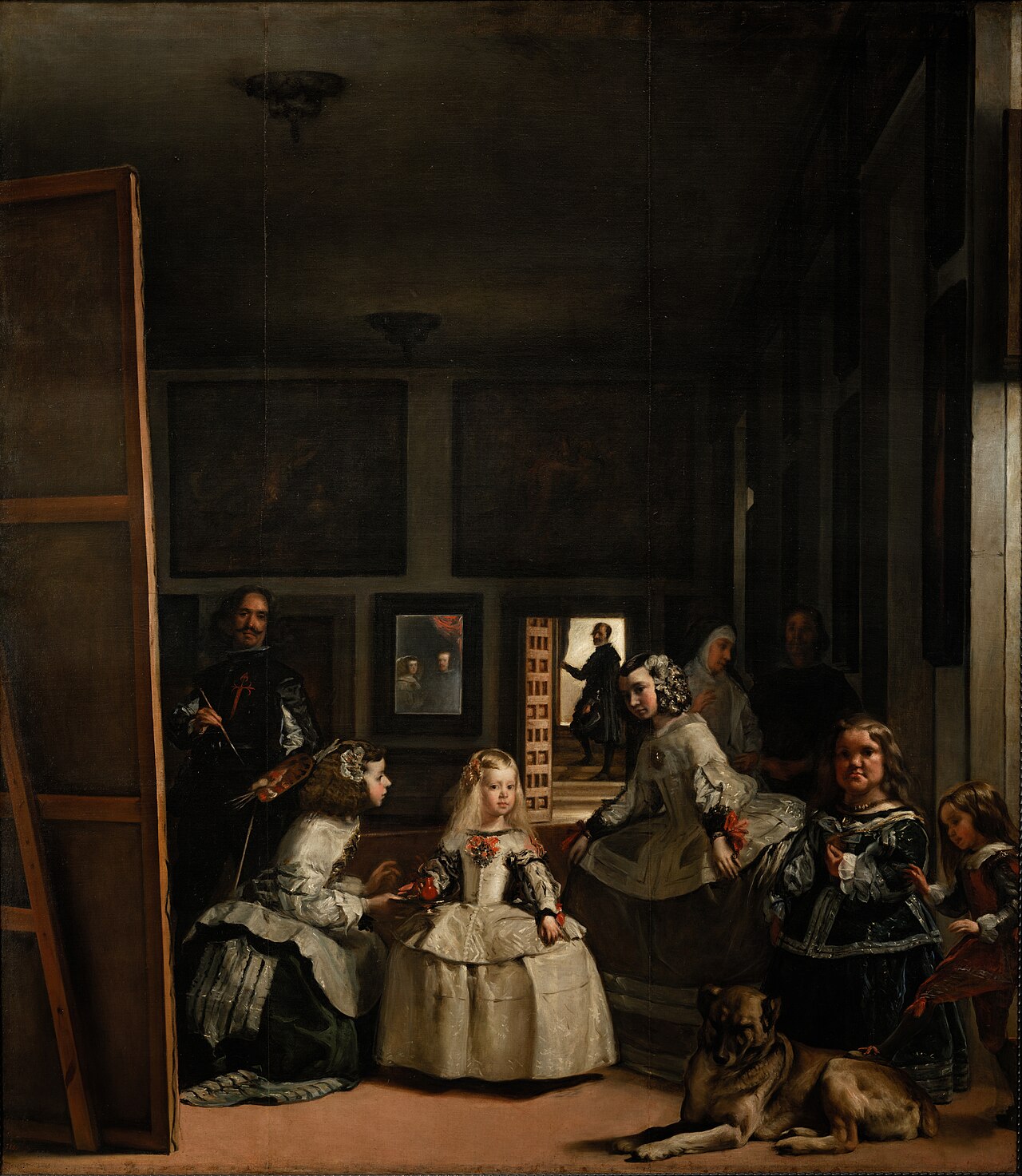 Painting
Primary source
Las Meninas
Diego Velázquez · 1656
 Painting
Primary source
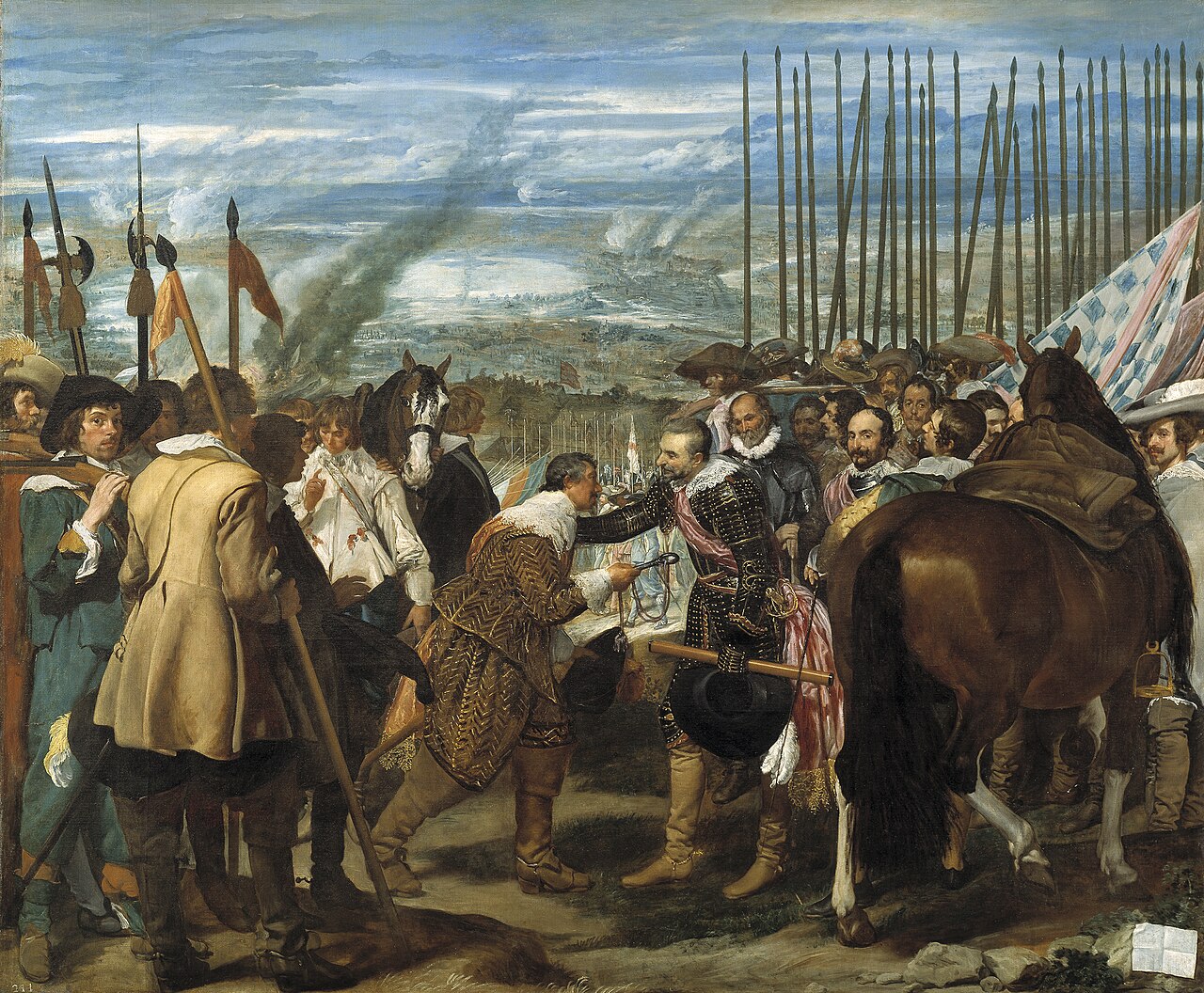
The Surrender of Breda
Diego Velázquez · 1634–1635
 Painting
Primary source
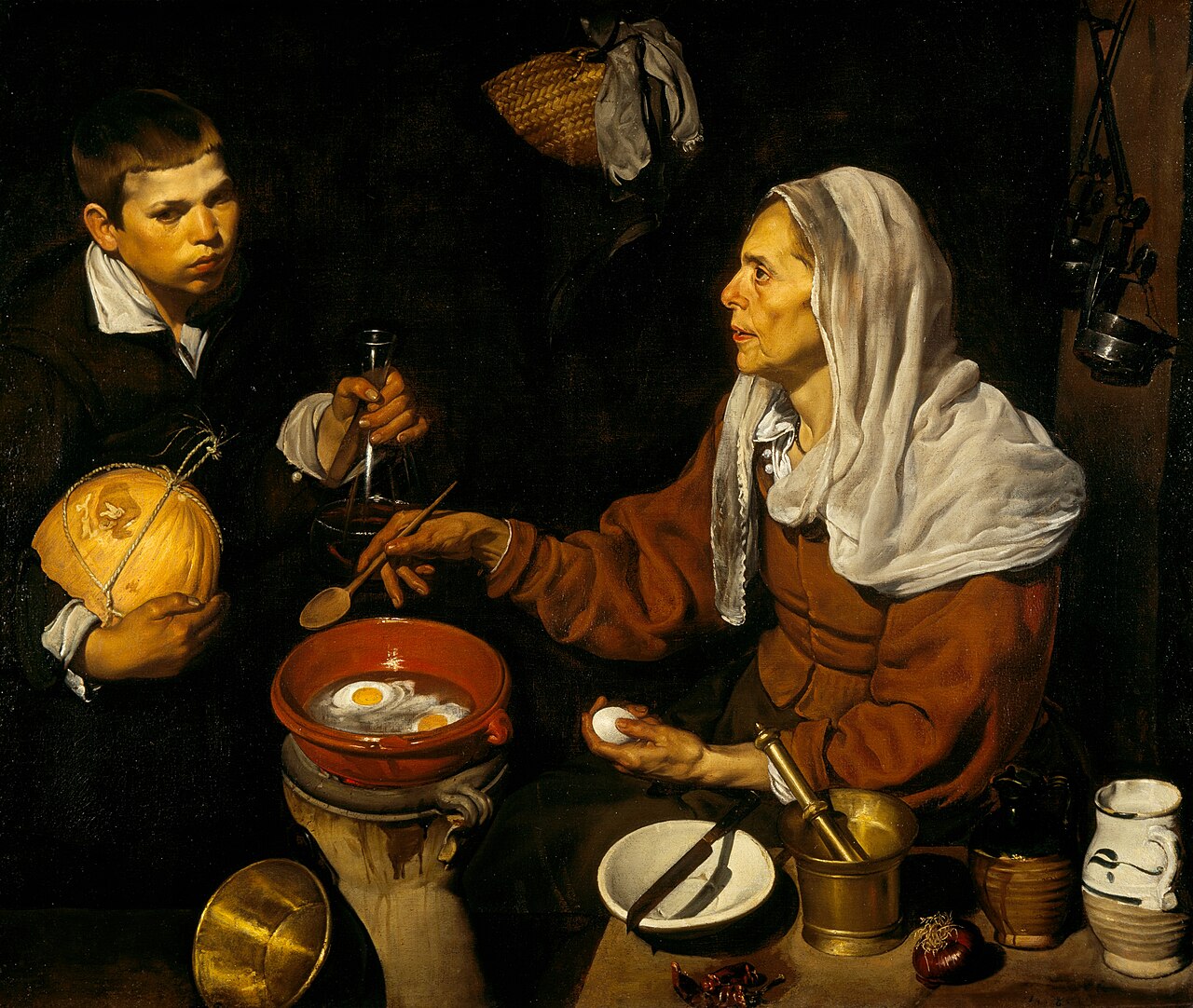
Old Woman Cooking Eggs
Diego Velázquez · c. 1618
 Painting
Primary source
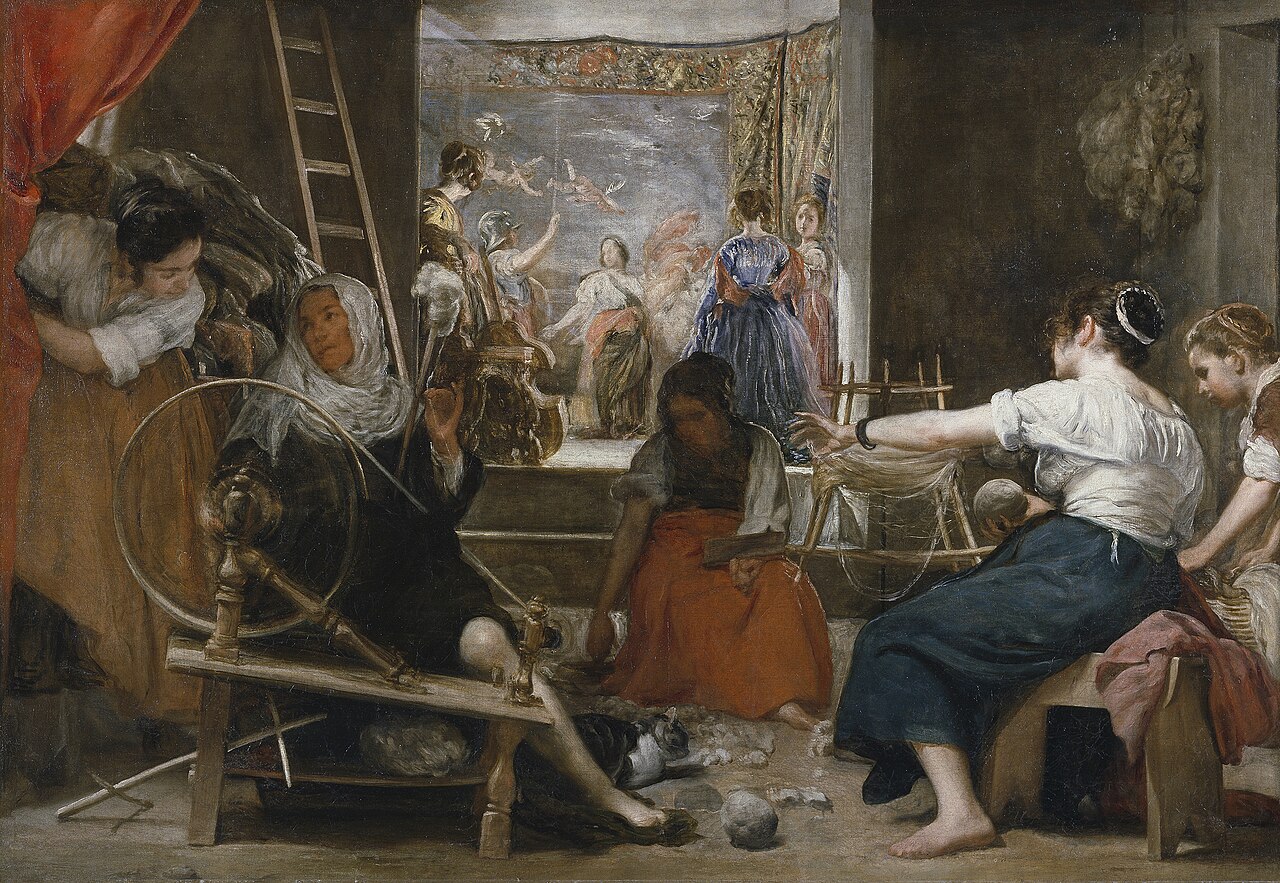
Las Hilanderas
Diego Velázquez · c. 1655–1658
Free account
Read every Diego Velázquez source
Sign up free →
Ready when you are
Start chatting with Diego Velázquez now.
20 messages free · No credit card · Available in 50+ languages.