


Primary sourcePainting18th century
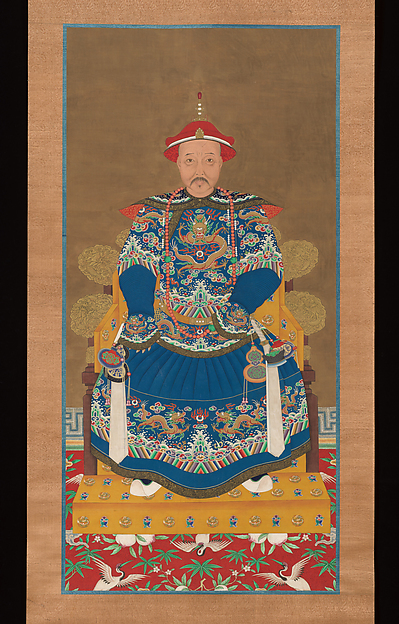
Portrait of the Kangxi Emperor
Unidentified artist · 18th century
An 18th-century hanging scroll showing the Kangxi Emperor seated on his throne in full imperial dress, reflecting how his court wanted him to be seen.
This court portrait shows how the Kangxi Emperor was formally depicted as ruler on his throne.
About this source
What it is
This is a hanging scroll painted in ink, color and gold on silk by an unidentified Qing court artist in the 18th century. It shows the emperor seated on a golden throne, wearing a dragon-embroidered robe and a red hat. It is now held by the Metropolitan Museum of Art.
Why it matters
Formal portraits like this were not simple likenesses. They were made to project the authority and legitimacy of the Qing dynasty's rulers, including the Kangxi Emperor, to officials and later generations. The careful details of costume and setting tell us what symbols of power mattered at the Qing court.
Look closer
- What do the clothes, throne and surroundings suggest about the emperor's status?
- Why might the artist have remained unnamed?
- What does this type of image leave out about the emperor as a real person?
This painting is part of the curated material that grounds the AI version of Kangxi Emperor on Humy.ai — when students ask about related events, the AI can quote it and cite it.
More Kangxi Emperor sources
Browse all 65 →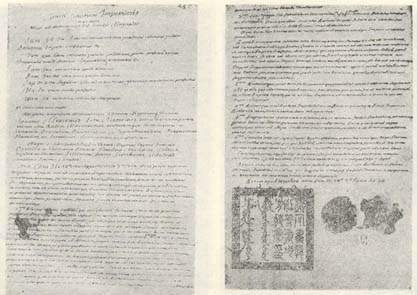 Document
Primary source
Treaty of Nerchinsk
Songgotu and Fyodor Golovin · 27 August 1689
 Document
Primary source
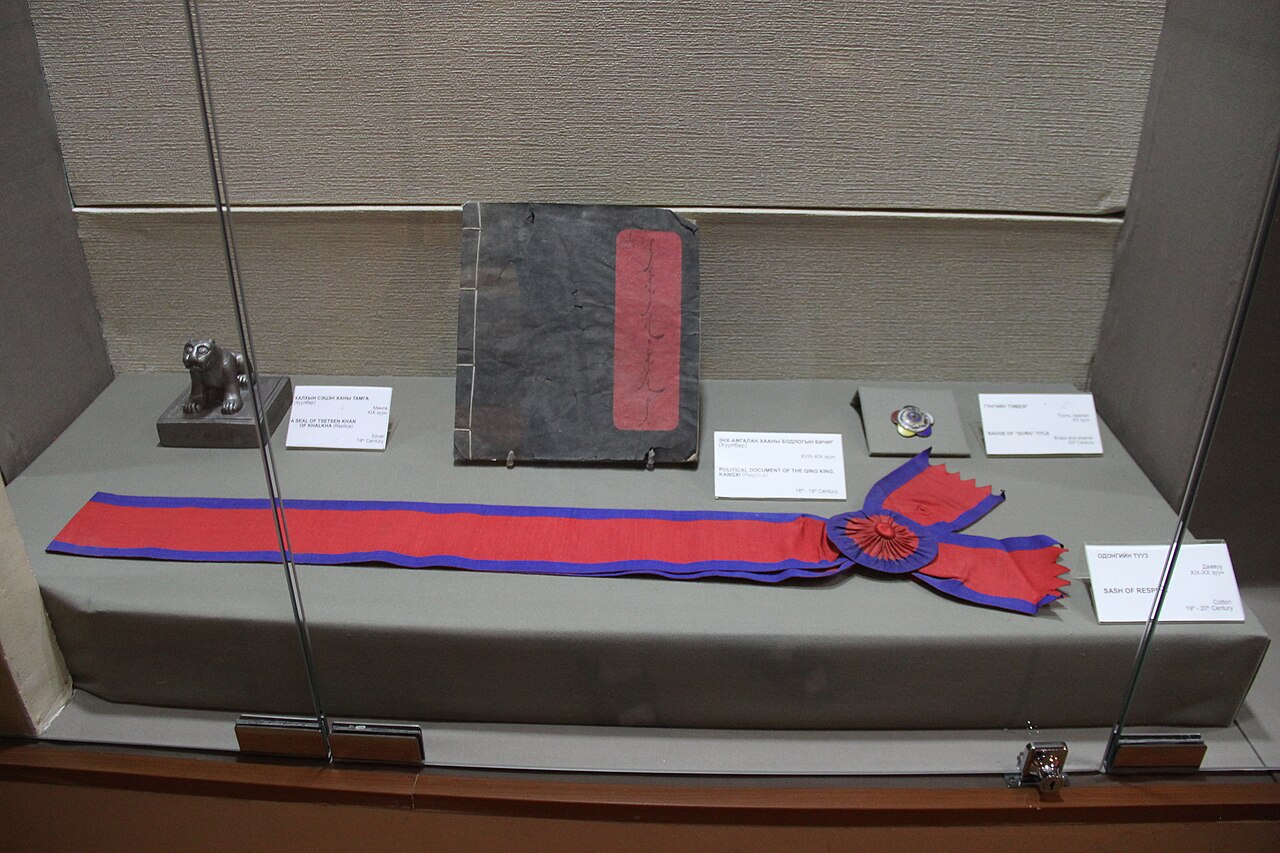
Sacred Edict of the Kangxi Emperor
Kangxi Emperor · 1670
 Letter
Primary source
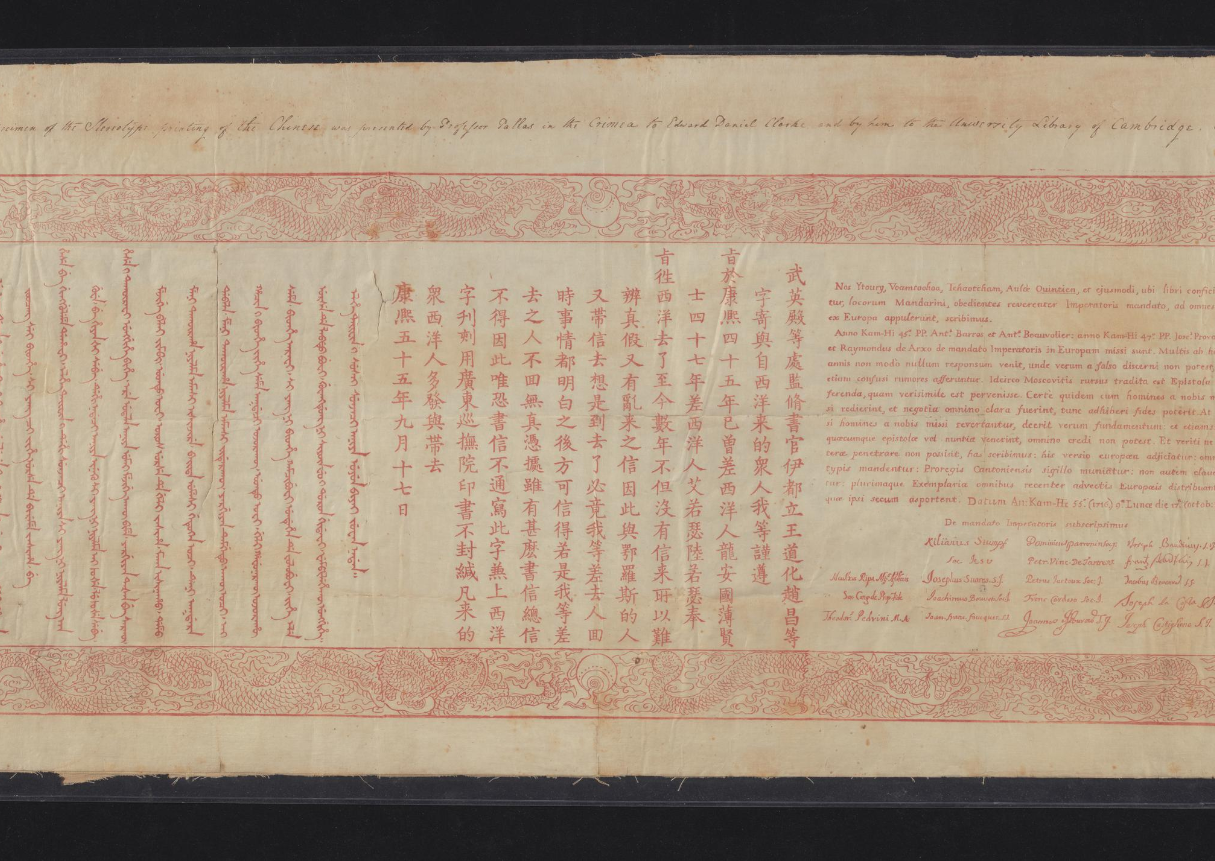
Red Manifesto to Pope Clement XI
Kangxi Emperor · 1716
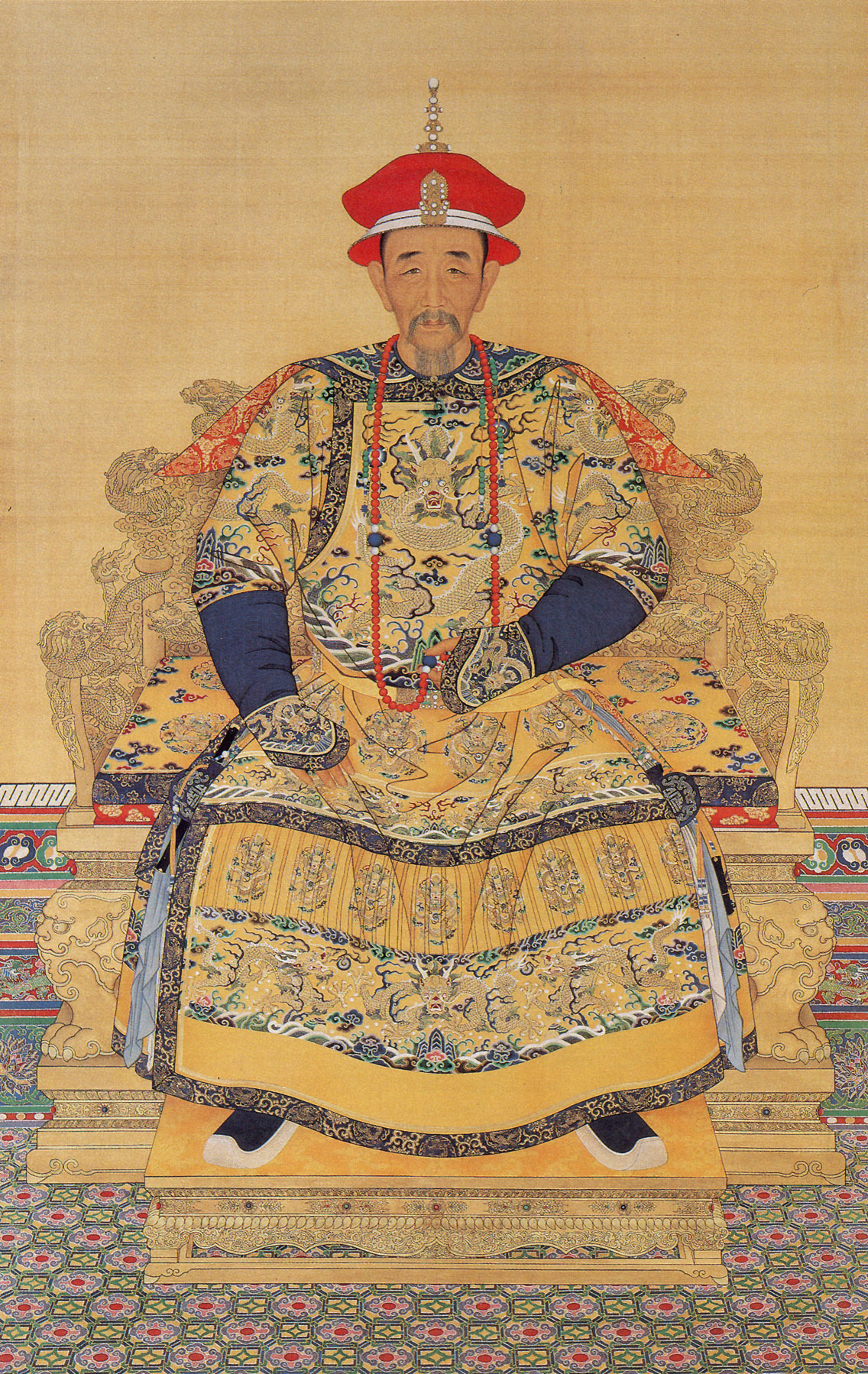 Painting
Primary source
Portrait of the Kangxi Emperor in Court Dress
Free account
Read every Kangxi Emperor source
Sign up free →
Ready when you are
Start chatting with Kangxi Emperor now.
20 messages free · No credit card · Available in 50+ languages.