


Primary sourceSculpturec. 108 AD
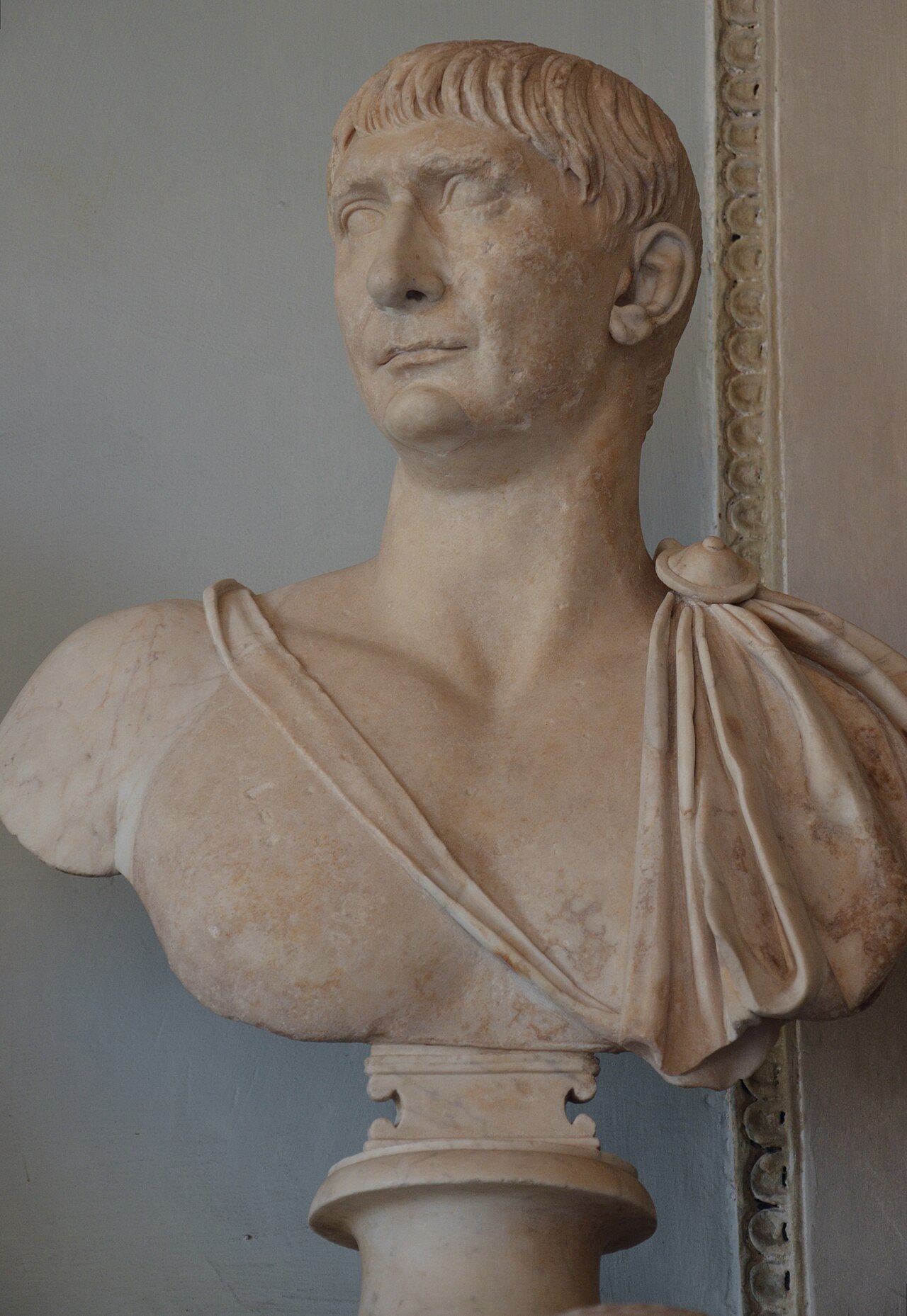
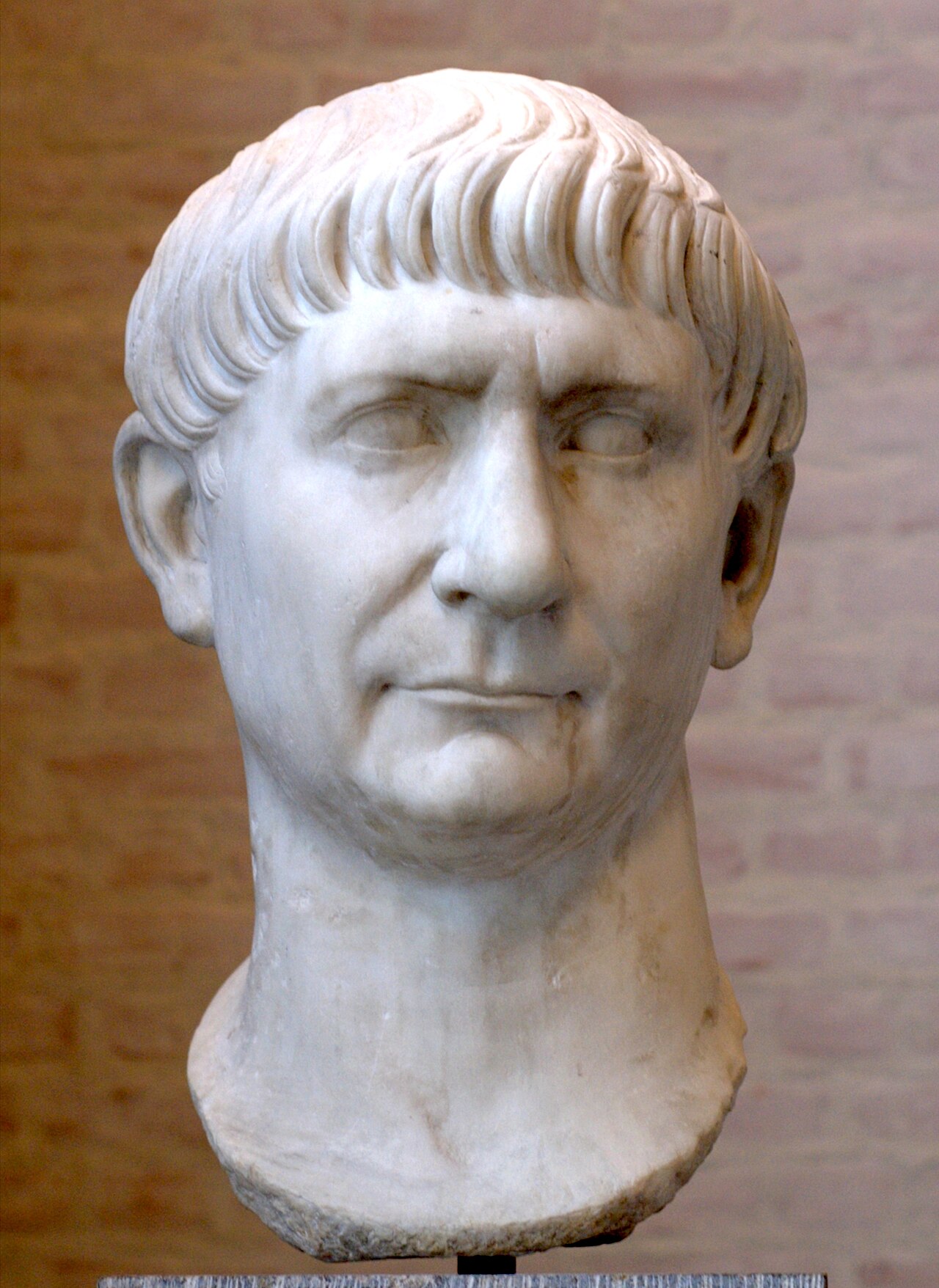
Portrait of Trajan
c. 108 AD
A marble bust of Emperor Trajan from the Capitoline Museums, showing his official imperial image.
This official marble bust depicts Trajan and serves as a reference for identifying his portraits.
About this source
What it is
This marble bust portrays Emperor Trajan, probably made around 108 AD as part of his 'Decennalia' portrait type, likely commissioned to mark his victories in the Dacian Wars. It belongs to the Albani collection and is held in the Capitoline Museums in Rome.
Why it matters
This bust is one of the key reference images used by historians to identify other portraits of Trajan. He wears a military cloak and strap typical of this portrait type, a style that influenced how later Roman emperors were depicted. It shows how emperors used sculpted portraits to project strength and military success.
Look closer
- What does Trajan's clothing and expression suggest about how he wanted to be seen by the Roman public?
- Why would an emperor commission multiple portrait types over his reign?
- What might be missing from an official portrait like this compared to a private, informal depiction?
This sculpture is part of the curated material that grounds the AI version of Trajan on Humy.ai — when students ask about related events, the AI can quote it and cite it.
More Trajan sources
Browse all 95 →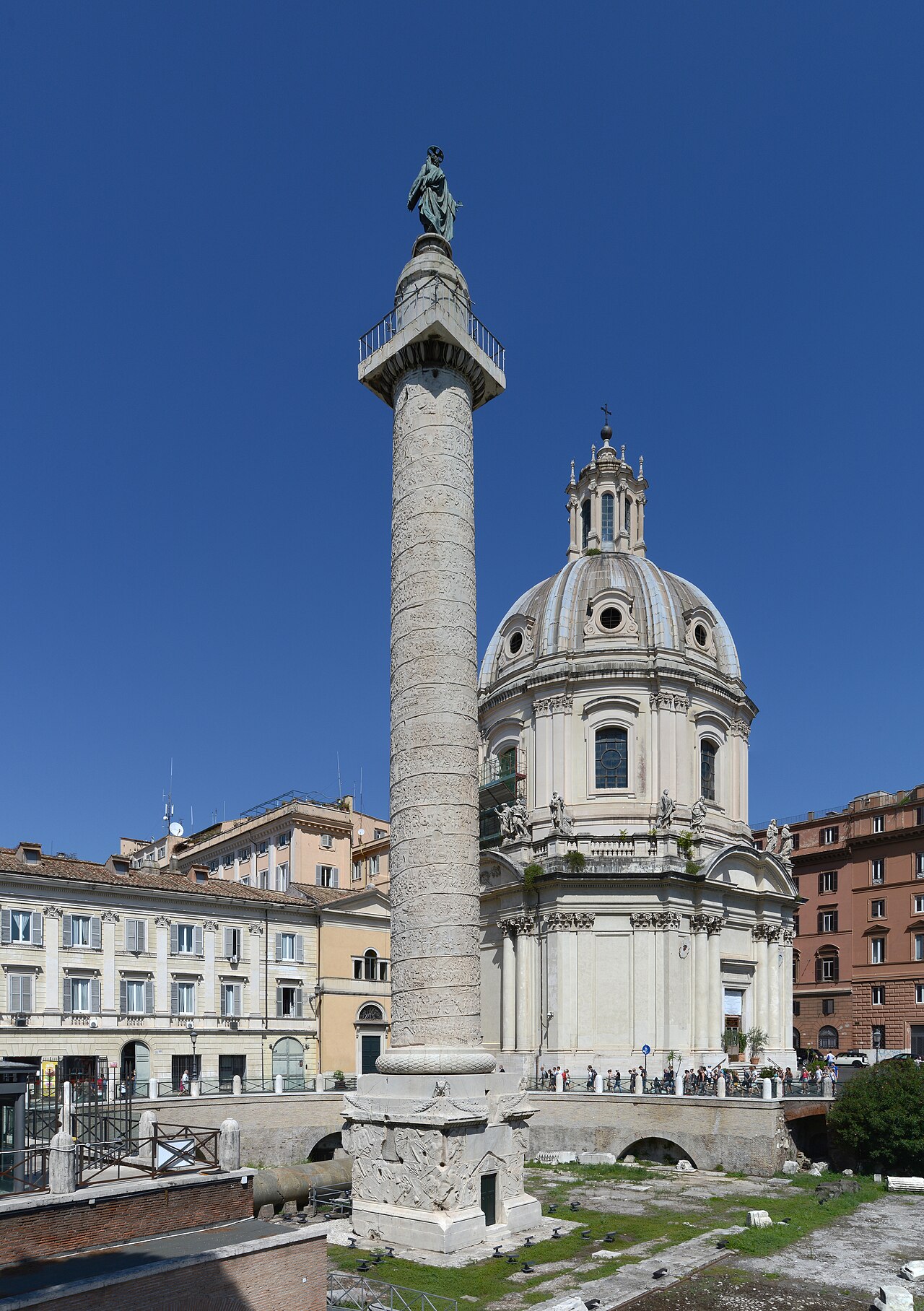 Sculpture
Primary source
Trajan's Column
Apollodorus of Damascus · 113 AD
 Artifact
Primary source
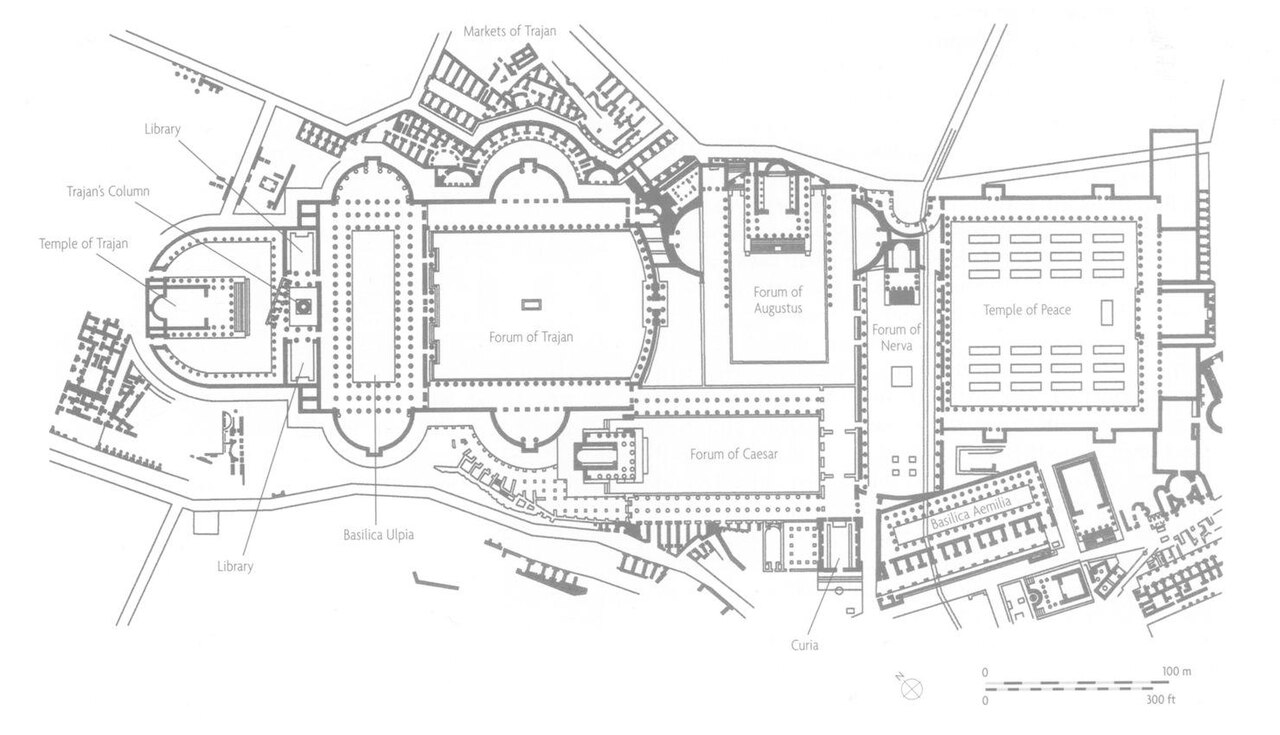
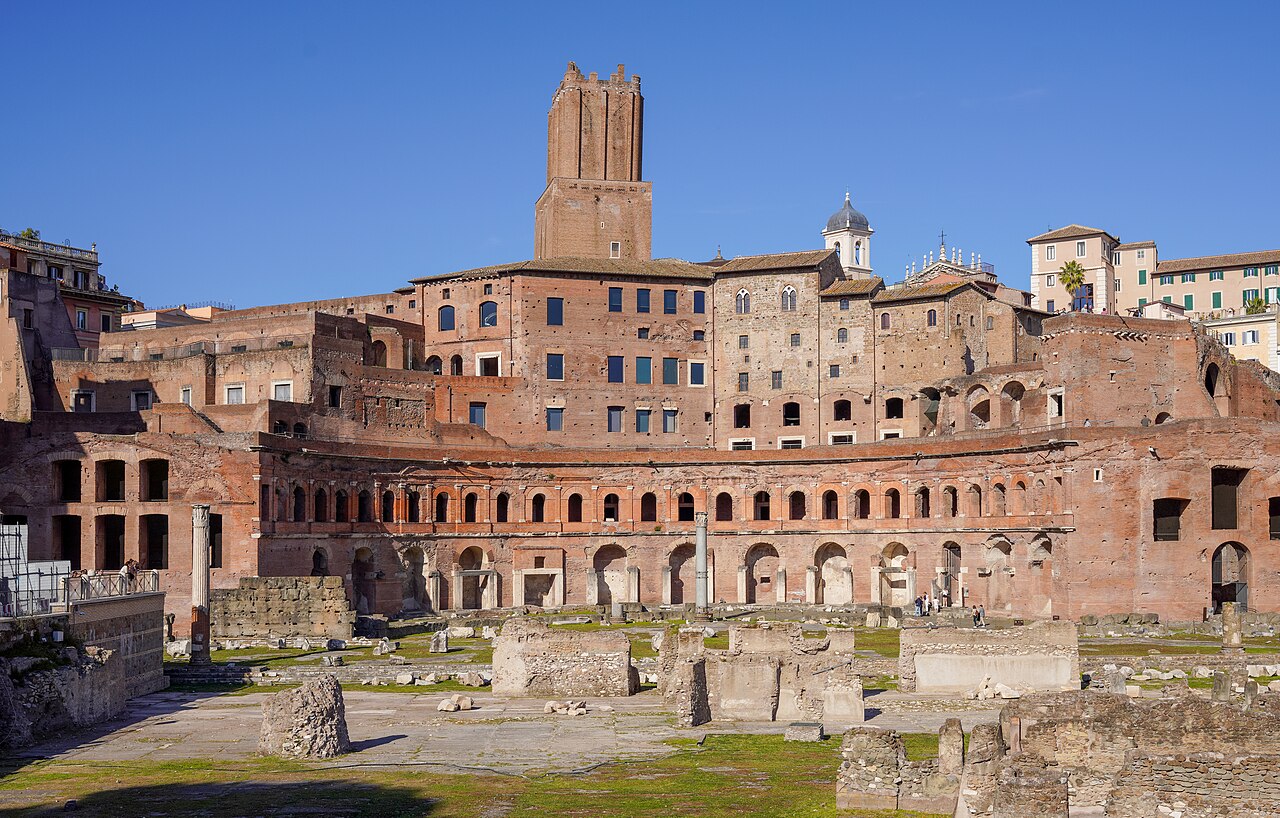
Trajan's Forum
Apollodorus of Damascus · c. 100-113 AD
 Speech
Primary source
Panegyricus
Pliny the Younger · c. 100 AD
 Artifact
Secondary source
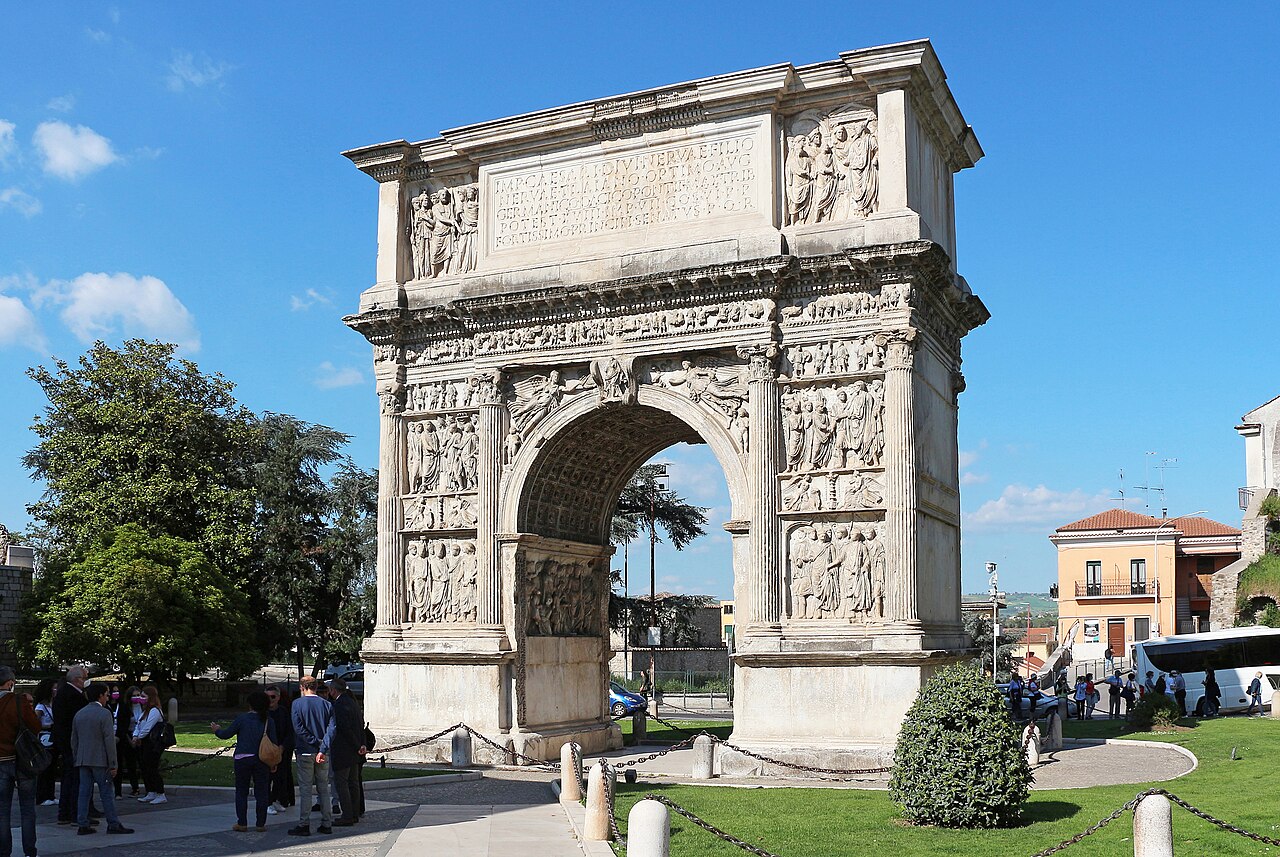
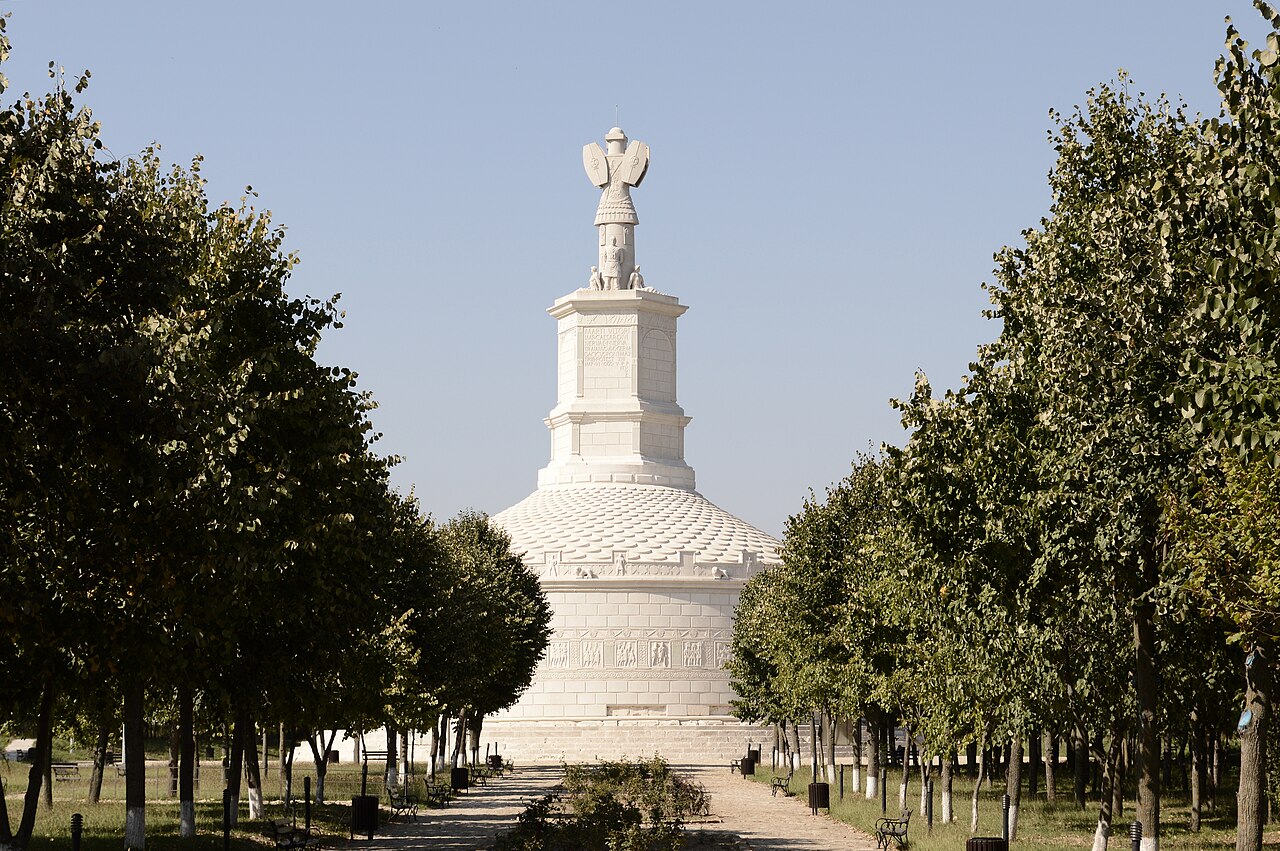
Arch of Trajan at Benevento
114-117 AD
Free account
Read every Trajan source
Sign up free →
Ready when you are
Start chatting with Trajan now.
20 messages free · No credit card · Available in 50+ languages.