


Secondary sourcePaintingcopied from an engraving published 1791
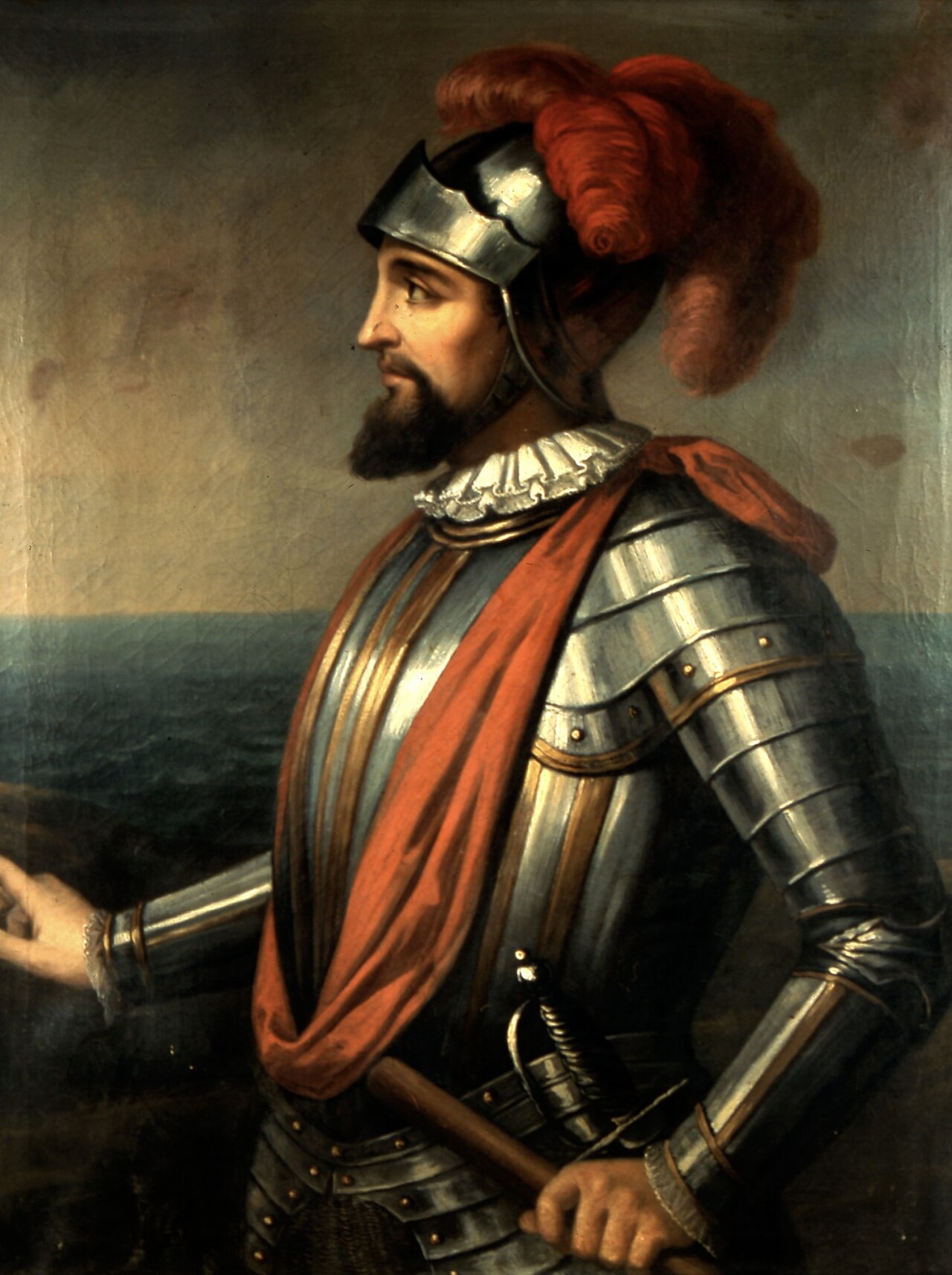
Portrait of Vasco Núñez de Balboa
Unknown · copied from an engraving published 1791
An anonymous posthumous portrait of Balboa, the image most commonly used to depict him, though no portrait survives from his own lifetime.
The standard posthumous image used to depict Balboa, since no portrait survives from his own lifetime.
About this source
What it is
This is an anonymous painted portrait of Vasco Núñez de Balboa, copied from an engraving published in a 1791 Madrid collection of portraits of illustrious Spaniards. No portrait made during Balboa's own lifetime (1475–1519) survives.
Why it matters
Because no contemporary image of Balboa exists, this later imagined portrait has become the standard picture used to represent him. It shows him in armor, a helmet, and fine dress, reflecting how later generations wanted to remember him as a heroic conquistador and explorer, rather than reflecting his actual appearance.
Look closer
- Since no real portrait of Balboa survives, what choices might the artist have made in imagining his appearance?
- What does the armor, helmet and gesture toward the sea suggest about how Balboa was meant to be remembered?
- Why is it important for viewers to know that this image was made long after Balboa's death?
This painting is part of the curated material that grounds the AI version of Vasco Nunez de Balboa on Humy.ai — when students ask about related events, the AI can quote it and cite it.
More Vasco Nunez de Balboa sources
Meet the AI Vasco Nunez de Balboa →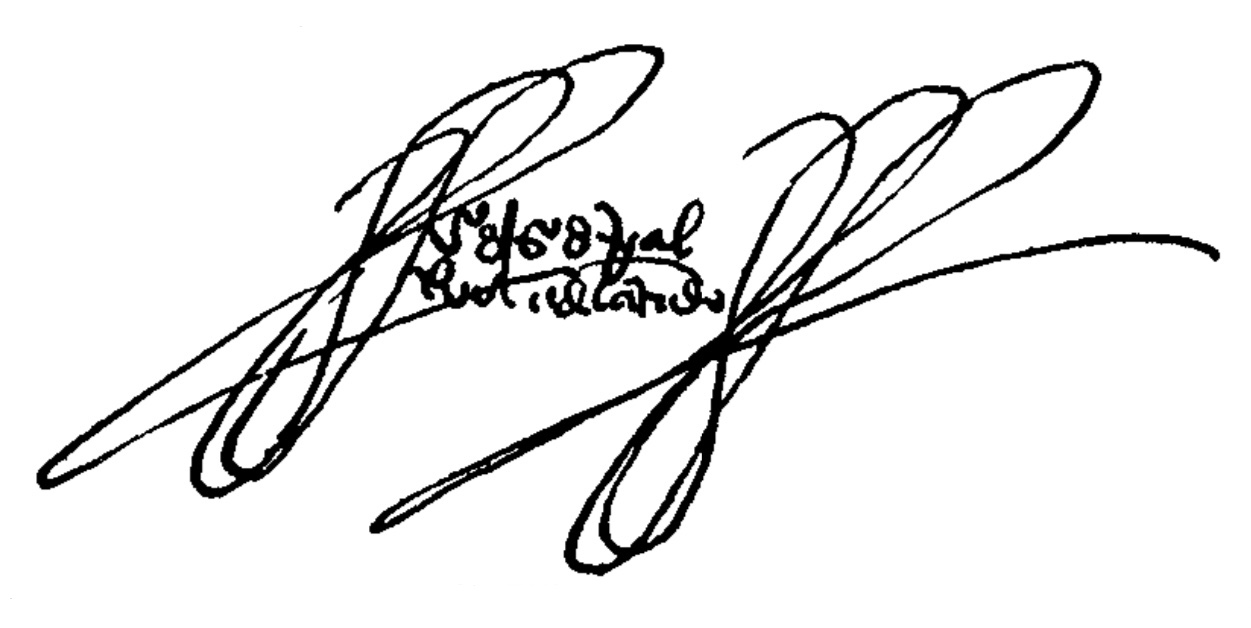 Document
Primary source
Signature of Vasco Núñez de Balboa
Vasco Núñez de Balboa
 Book
Secondary source
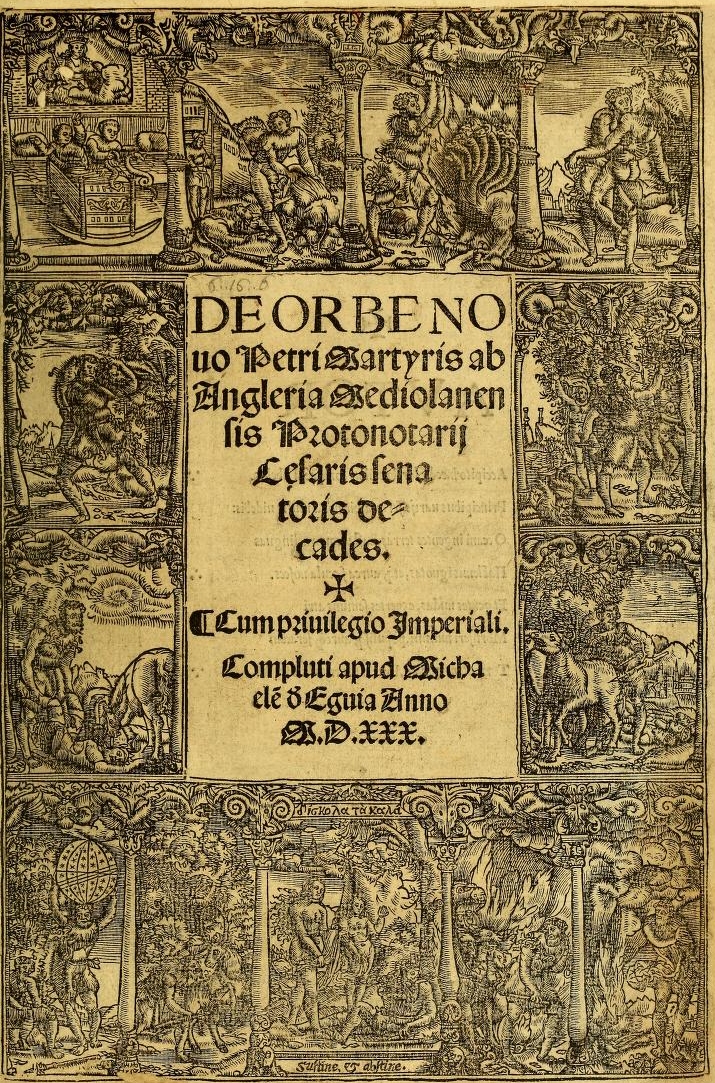
Decades of the New World
Peter Martyr d'Anghiera · 1530 (complete edition)
 Book
Secondary source
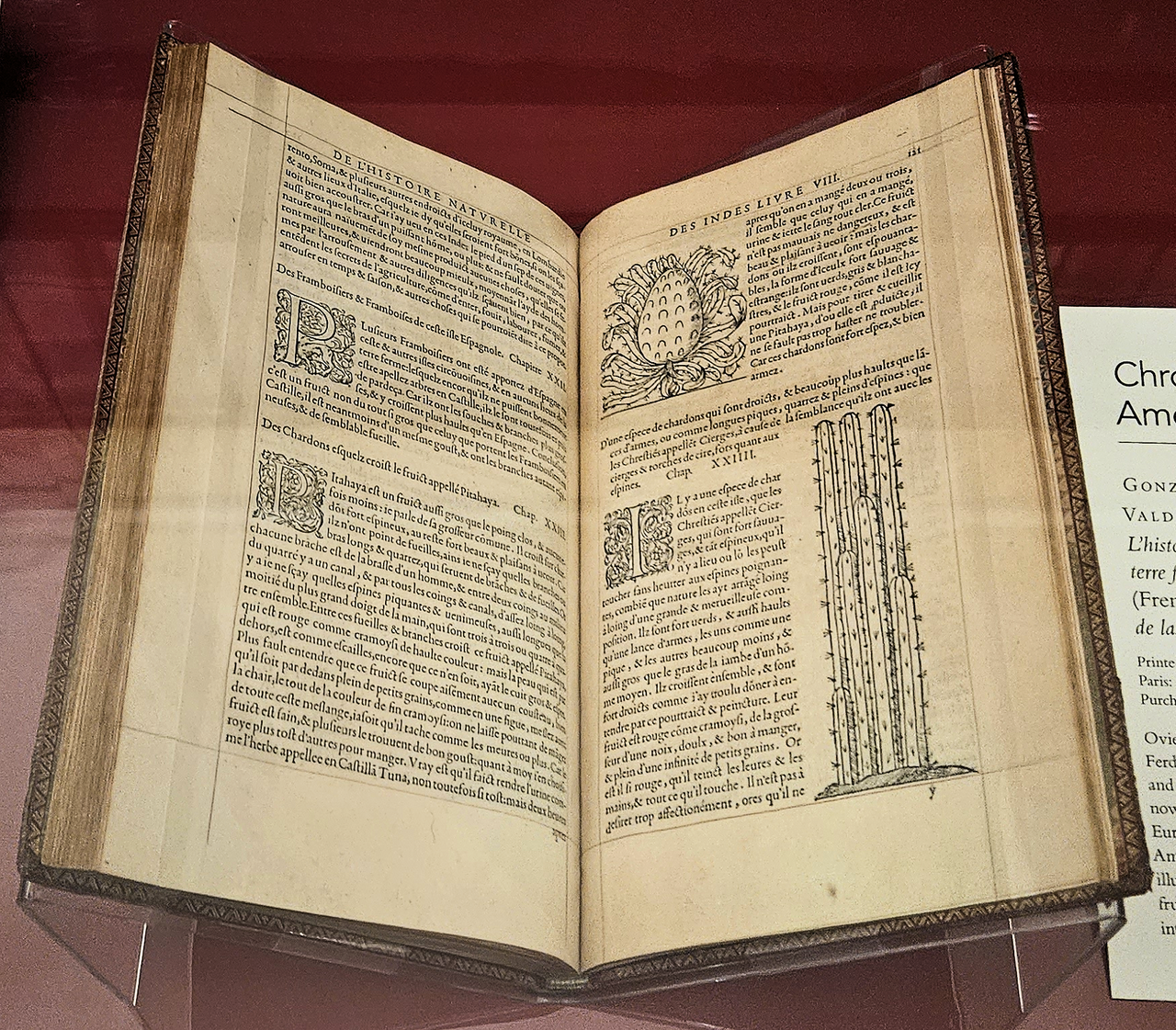
Historia general y natural de las Indias
Gonzalo Fernández de Oviedo y Valdés · 1556 (French edition); original work 16th century
 Book
Primary source
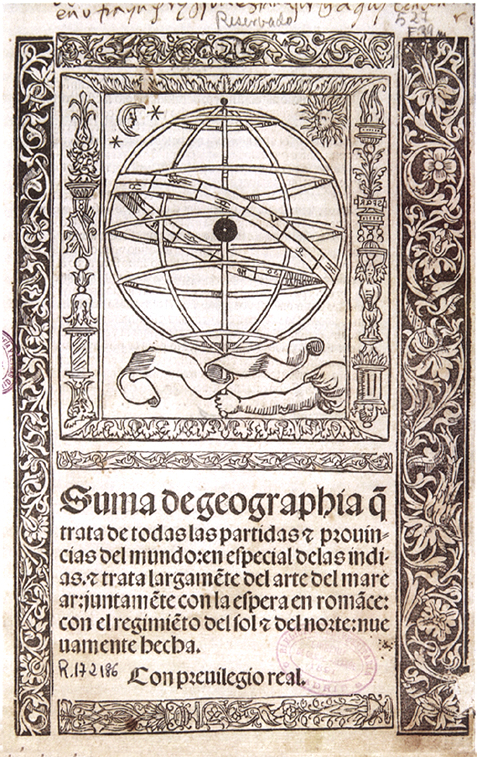
Suma de Geographia
Martín Fernández de Enciso · 1519
 Painting
Secondary source
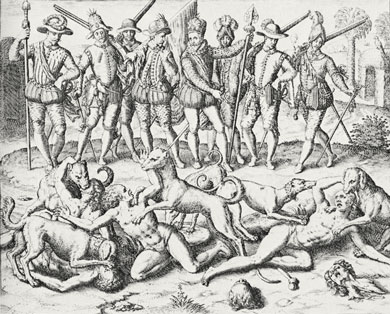
Balboamurder
Theodor de Bry · 1594
Ready when you are
Start chatting with Vasco Nunez de Balboa now.
20 messages free · No credit card · Available in 50+ languages.