


Secondary sourcePhotograph1900
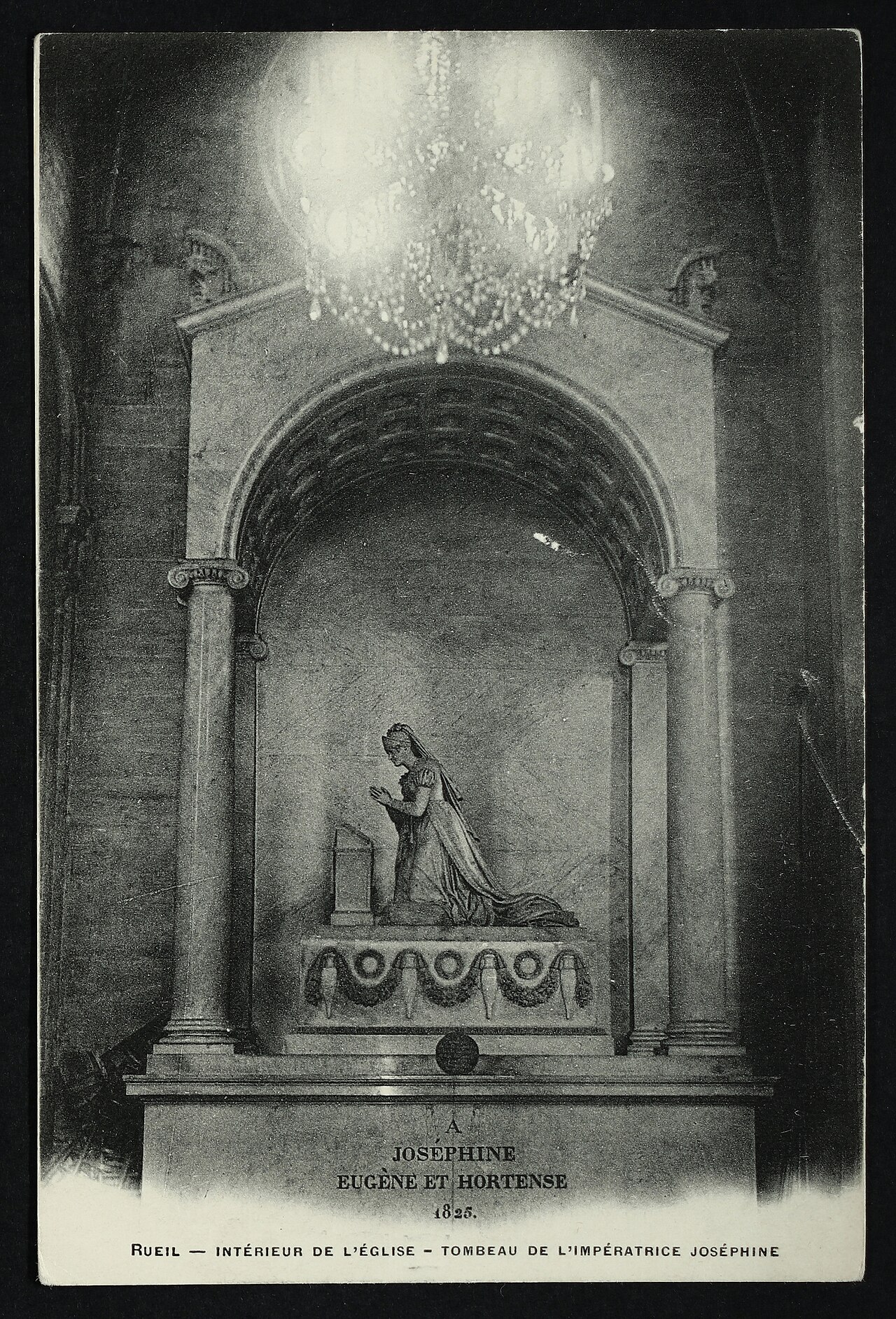
Postcard of the interior of the church with Joséphine's tomb
1900
A black-and-white postcard from about 1900 showing the marble tomb memorial to Joséphine inside the church at Rueil. It is a later view of a memorial, not an object from her lifetime.
A later postcard of Joséphine's tomb memorial at Rueil, showing how her grave was honoured after her death.
About this source
What it is
This is a black-and-white postcard showing the interior of a church at Rueil. A kneeling marble statue of a woman in a veil and long gown sits in a niche under an arch, above a tomb base inscribed 'A Joséphine Eugène et Hortense 1825'. A chandelier hangs above it. The printed caption reads 'Rueil - Intérieur de l'Église - Tombeau de l'Impératrice Joséphine'. The catalogue dates the card to about 1900, and the collection record gives the title 'Intérieur de L'Eglise - Tombeau de l'impératrice Joséphine'. The creator is unknown.
Why it matters
The card shows how Joséphine was remembered after her death in 1814. The tomb base names her together with her children Eugène and Hortense, and carries the date 1825, so the memorial was made more than ten years after her death. Postcards like this one were made to be sent and collected, so they show what visitors were shown and how the site was presented to the public in its own time.
Look closer
- What does the statue show about how Joséphine was meant to be seen?
- Why might the inscription name her children as well as herself?
- What does a postcard from about 1900 leave out about the church and the tomb?
This photograph is part of the curated material that grounds the AI version of Joséphine de Beauharnais on Humy.ai — when students ask about related events, the AI can quote it and cite it.
More Joséphine de Beauharnais sources
Browse all 94 →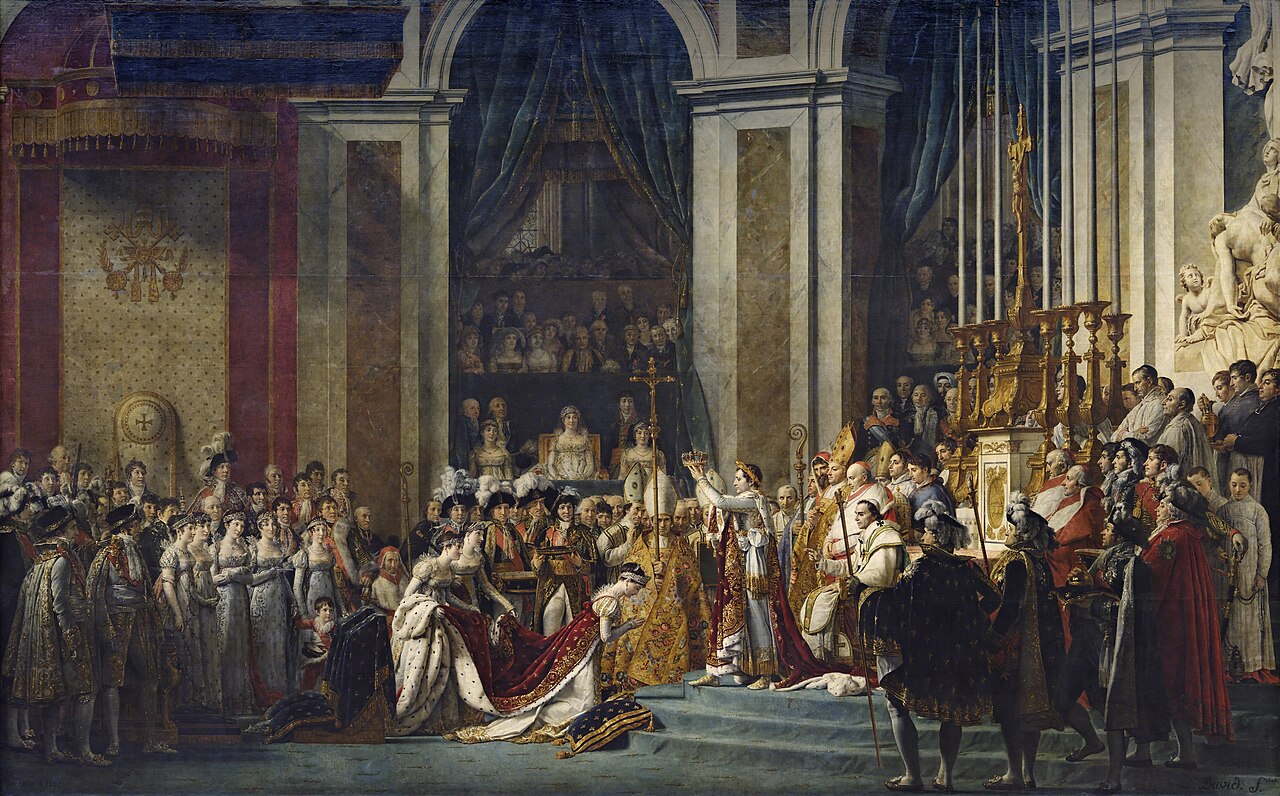 Painting
Primary source
The Coronation of Napoleon
Jacques-Louis David · 1807
 Letter
Primary source
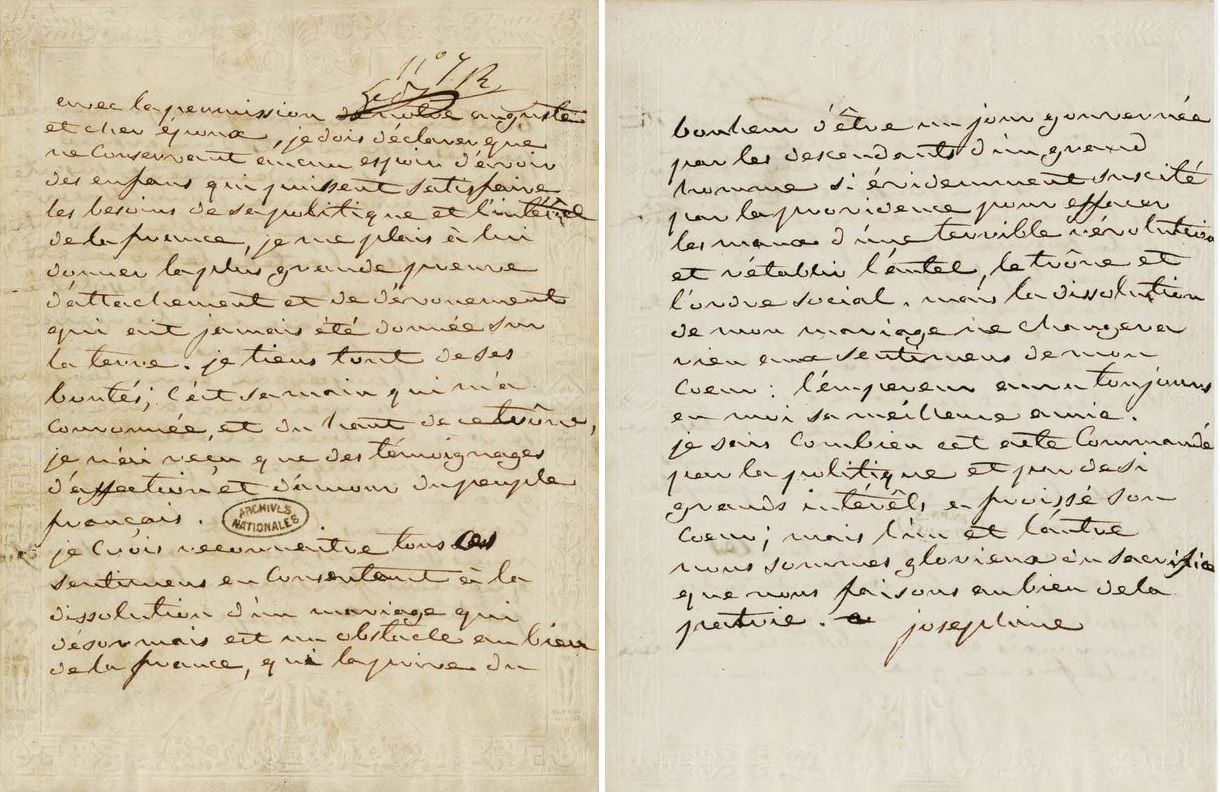
Letter of Consent to the Dissolution of Her Marriage
Joséphine de Beauharnais · 15 December 1809
 Artifact
Primary source
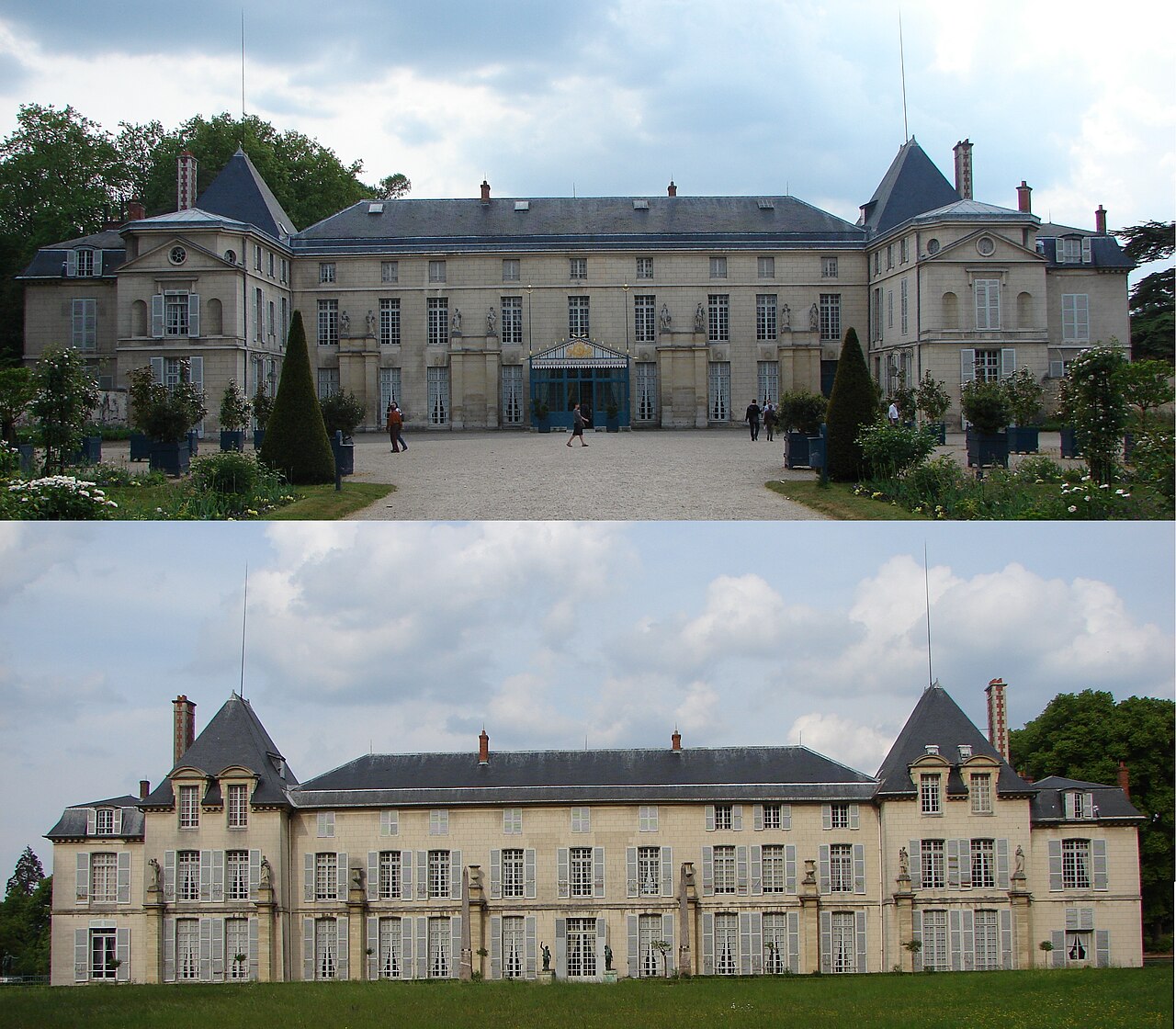
Château de Malmaison
1700 (purchased 1799)
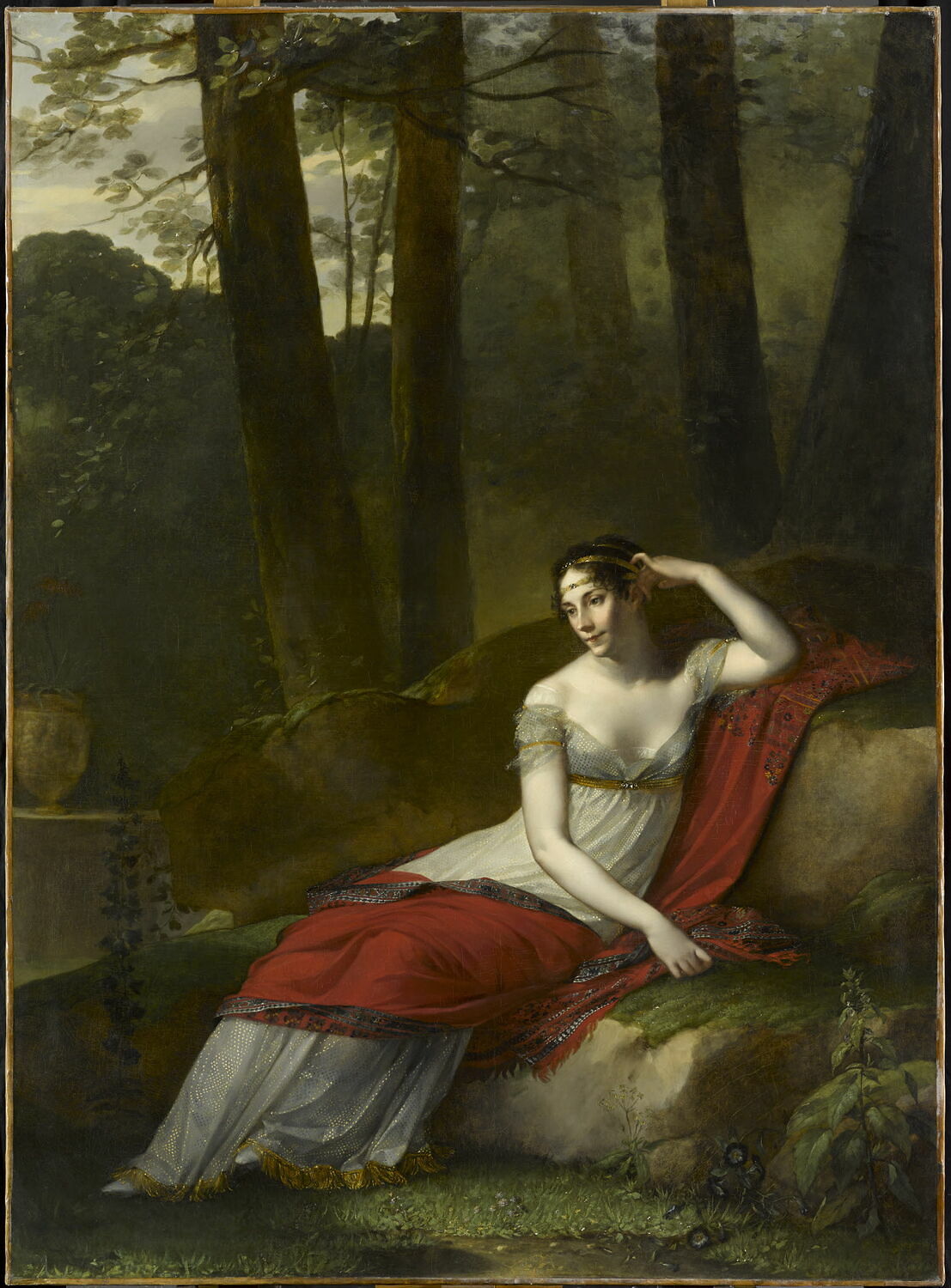 Painting
Primary source
The Empress Joséphine
Pierre-Paul Prud'hon · 1805
Free account
Read every Joséphine de Beauharnais source
Sign up free →
Ready when you are
Start chatting with Joséphine de Beauharnais now.
20 messages free · No credit card · Available in 50+ languages.