


Primary sourceDocument26 July 1945
Potsdam Declaration
Harry S. Truman, Winston Churchill, Chiang Kai-shek · 26 July 1945
The 1945 ultimatum issued in Truman's name, with Churchill and Chiang Kai-shek, demanding Japan's unconditional surrender.
Truman issued this ultimatum as president, a key decision point before the end of World War II.
About this source
What it is
The Potsdam Declaration was issued on July 26, 1945, under the names of US President Harry S. Truman, UK Prime Minister Winston Churchill, and the President of China's Nationalist Government, Chiang Kai-shek. It set out terms for Japan's surrender and warned of 'prompt and utter destruction' if Japan refused.
It was drafted at the Potsdam Conference; notably, the Soviet Union did not sign, and the Chinese and British 'signatures' were actually written in Truman's own hand.
Why it matters
The declaration marks the final diplomatic step before the atomic bombings of Japan. It shows how the Allied leaders tried to balance demands for total surrender with promises about Japan's future, and reveals the complicated politics behind a document presented as a joint statement.
Look closer
- Why might it matter that the 'signatures' were actually written by Truman himself?
- What does the document promise Japan, as well as threaten?
- Why was the Soviet Union left out of the declaration at this stage?
This document is part of the curated material that grounds the AI version of Harry S. Truman on Humy.ai — when students ask about related events, the AI can quote it and cite it.
More Harry S. Truman sources
Meet the AI Harry S. Truman →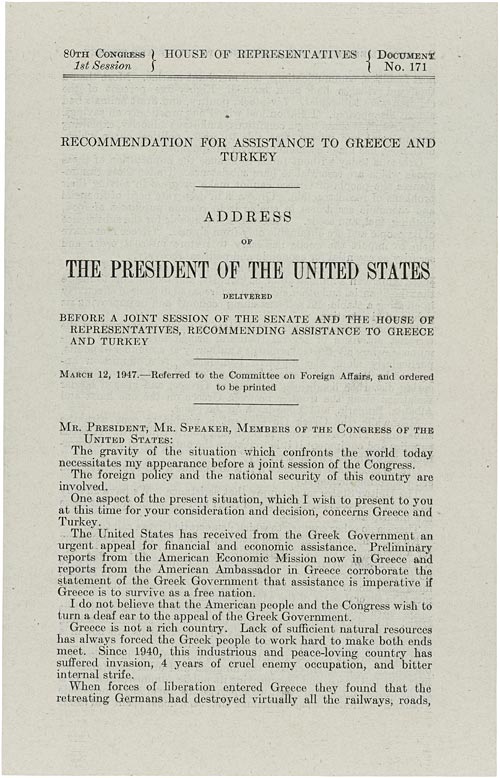 Speech
Primary source
Truman Doctrine
Harry S. Truman · 12 March 1947
 Document
Primary source
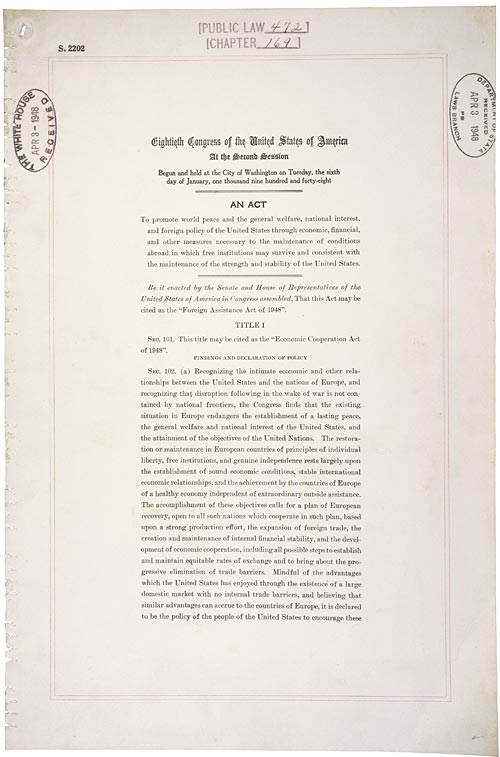
Marshall Plan
United States Congress · 3 April 1948
Primary source
President Harry S. Truman on the Atomic Bombing of Hiroshima
Harry S. Truman · 1945
 Document
Primary source
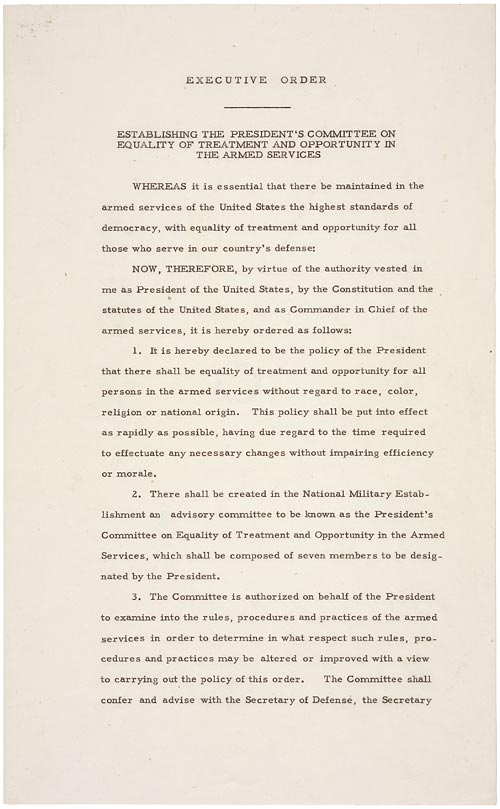
Executive Order 9981
Harry S. Truman · 26 July 1948
 Document
Primary source
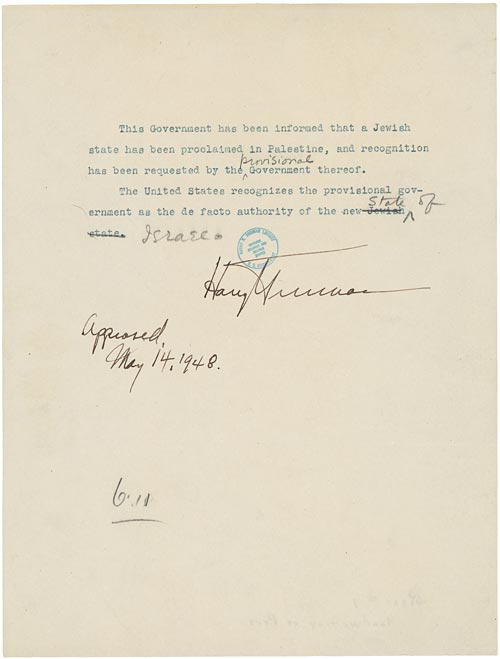
Press Release Announcing U.S. Recognition of Israel
Harry S. Truman · 14 May 1948
Ready when you are
Start chatting with Harry S. Truman now.
20 messages free · No credit card · Available in 50+ languages.