


Secondary sourcePainting1906
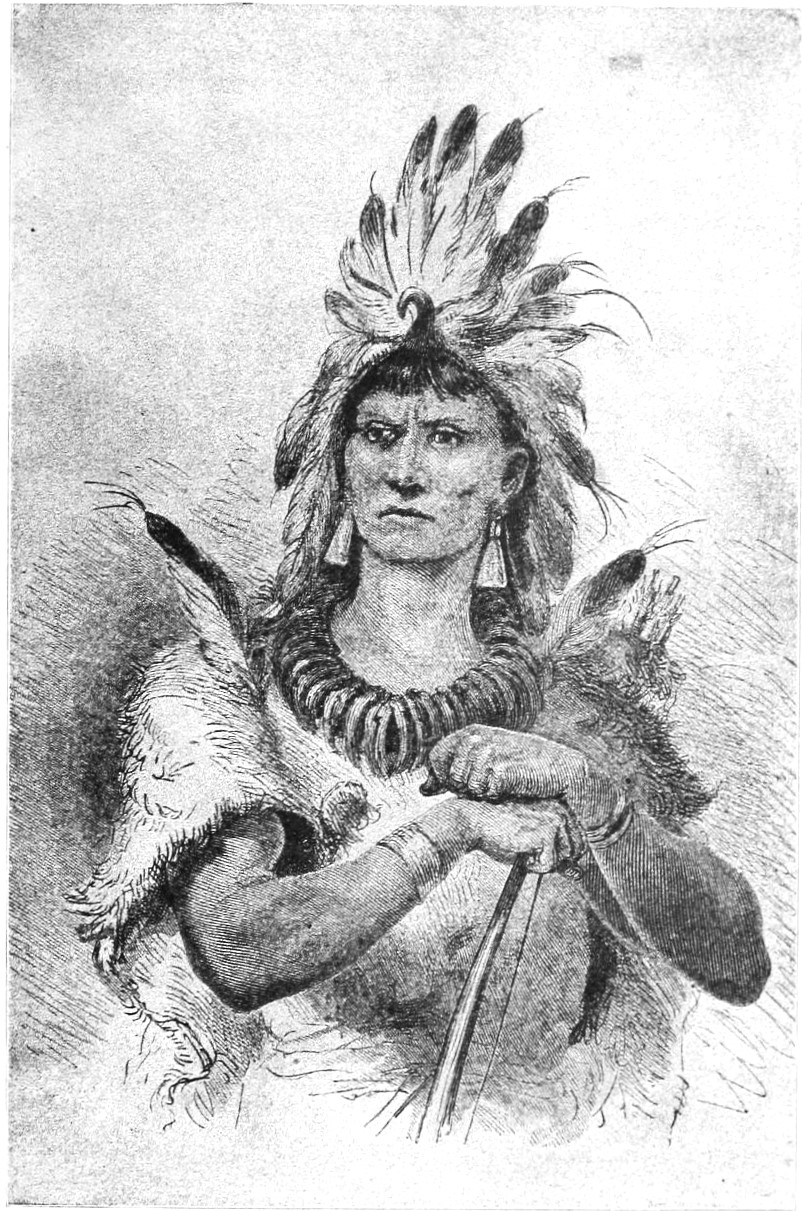
Powhatan, a Typical American Indian
Norman Barton Wood (after F.O.C. Darley) · 1906
A 1906 engraving of Powhatan based on an earlier drawing by F.O.C. Darley, reflecting a stereotyped 19th-century image of Native leaders.
This later engraving presents Powhatan as a 'typical' Native American chief, showing how he was stereotyped by later illustrators.
About this source
What it is
This is an engraved print made in 1906 by Norman Barton Wood, based on an earlier image by artist F.O.C. Darley. It is titled Powhatan or Wah-Un-So-Na-Cook, a Typical American Indian and shows a man in a feathered headdress, beaded necklace, and fur mantle, holding a long stick or bow.
Why it matters
Made nearly three centuries after Powhatan's death, this print reflects how 19th- and early 20th-century American artists and writers depicted Native leaders as generic types rather than individuals. The label itself—
This painting is part of the curated material that grounds the AI version of Chief Powhatan (Wahunsenacawh) on Humy.ai — when students ask about related events, the AI can quote it and cite it.
More Chief Powhatan (Wahunsenacawh) sources
Browse all 26 →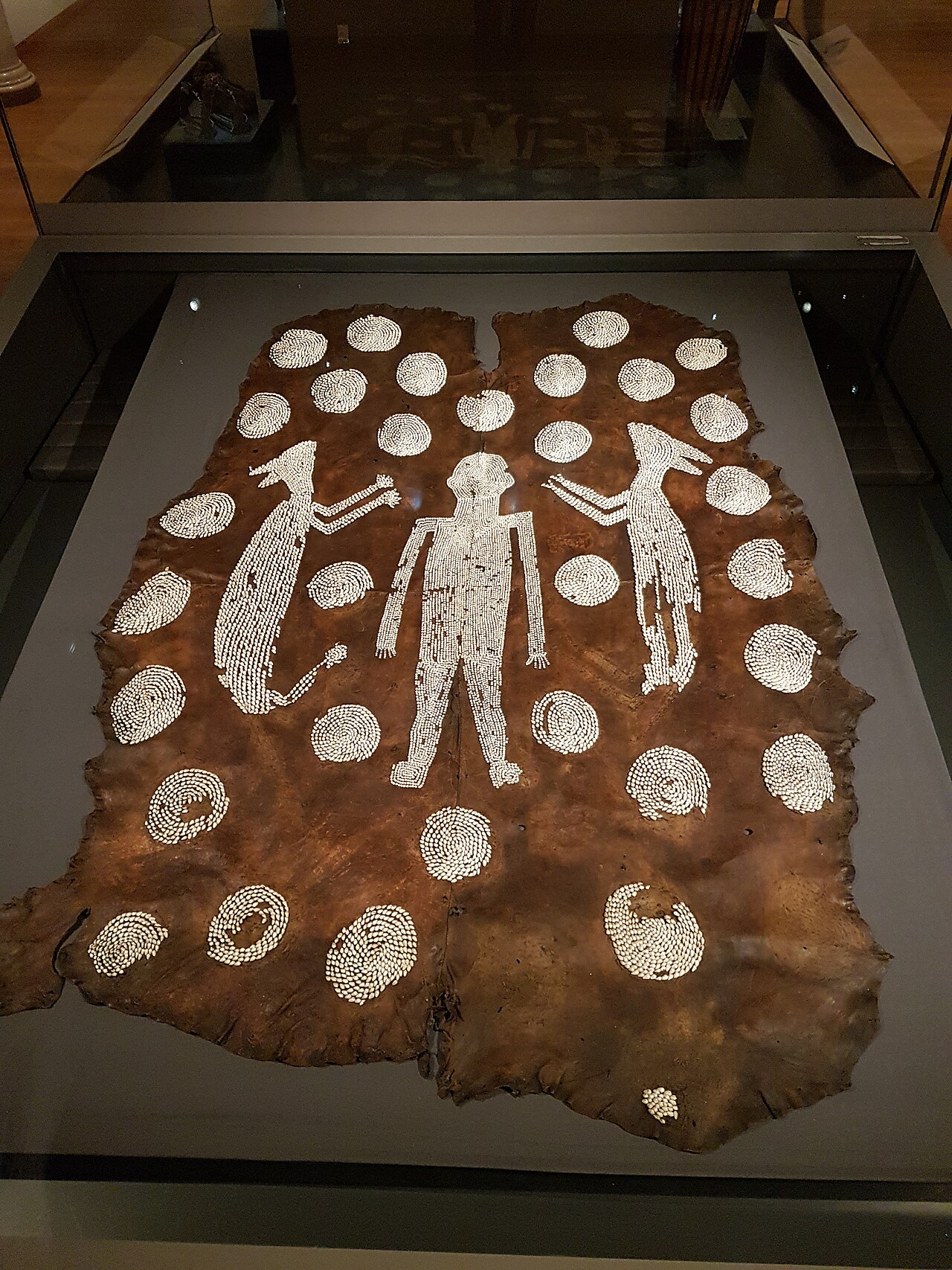 Artifact
Primary source
Powhatan's Mantle
Powhatan people · before 1656
 Painting
Primary source
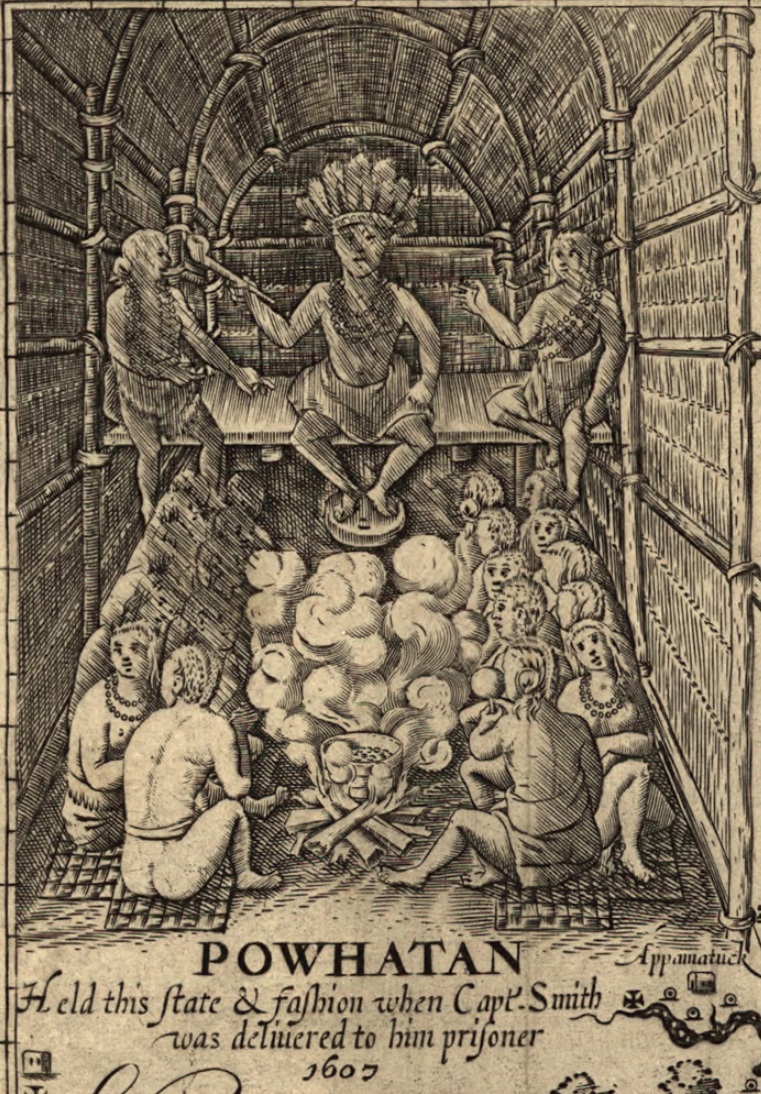
Powhatan and John Smith Map Detail
William Hole · 1606
 Book
Primary source
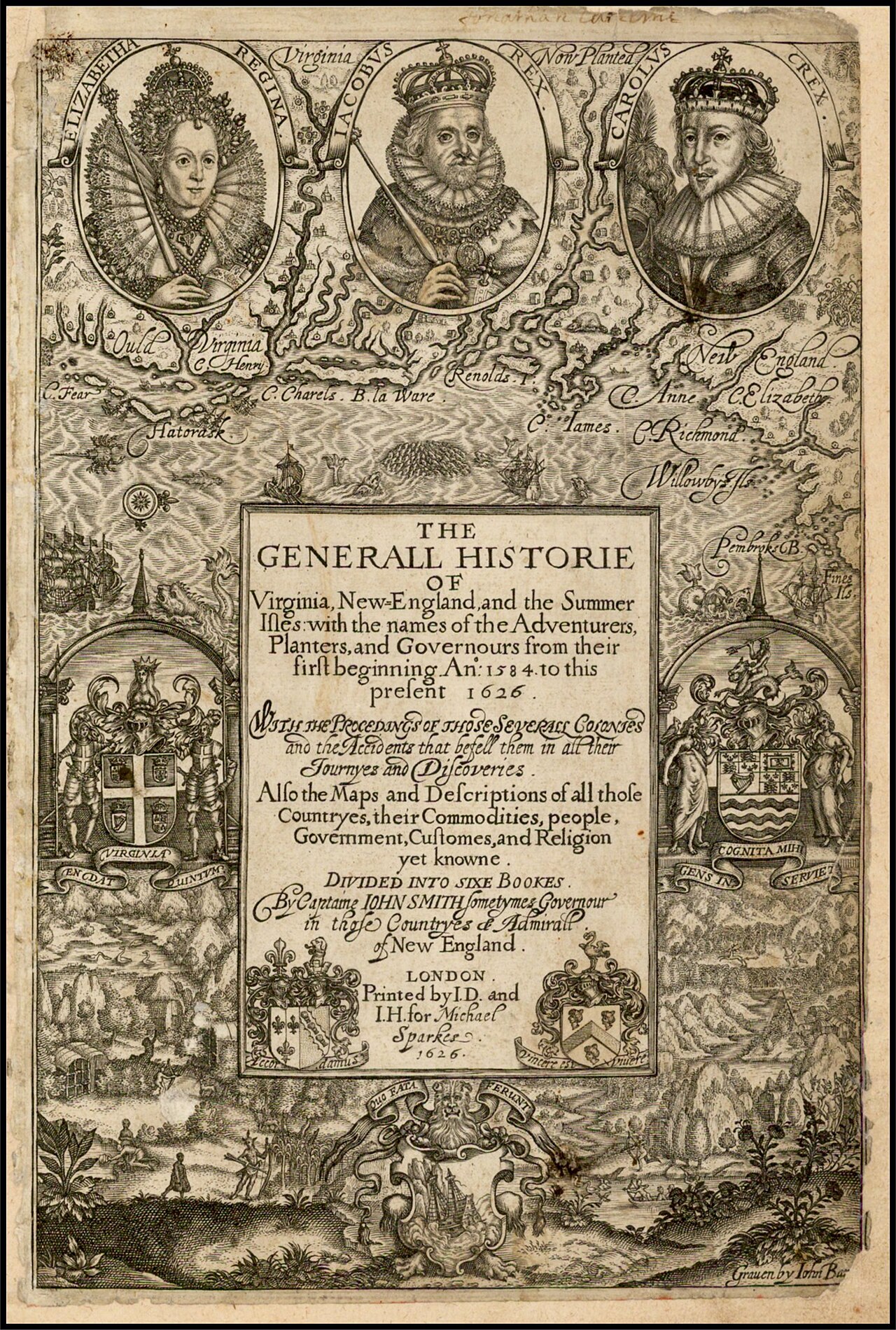
The Generall Historie of Virginia, New-England, and the Summer Isles
John Smith · 1624
 Painting
Secondary source
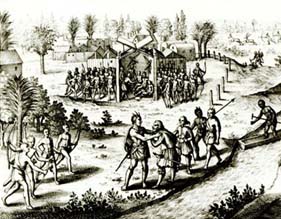
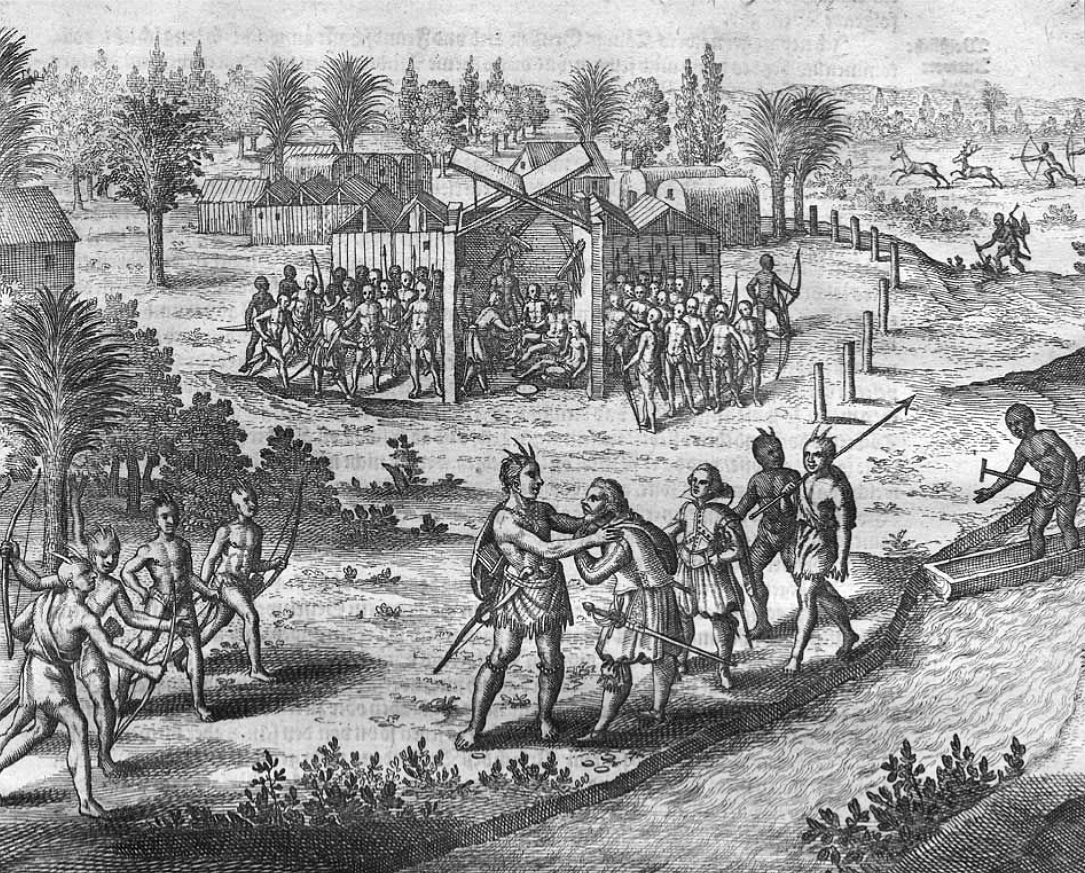
Ralph Hamor Visits Powhatan
Theodor de Bry · 1619
Free account
Read every Chief Powhatan (Wahunsenacawh) source
Sign up free →
Ready when you are
Start chatting with Chief Powhatan (Wahunsenacawh) now.
20 messages free · No credit card · Available in 50+ languages.