


Primary sourcePhotograph2 July 1964
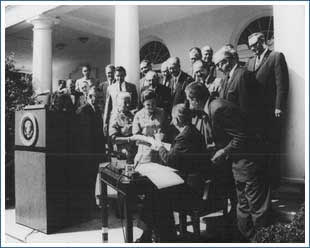
President Johnson Signs the 1964 Civil Rights Act
O. J. Rapp · 2 July 1964
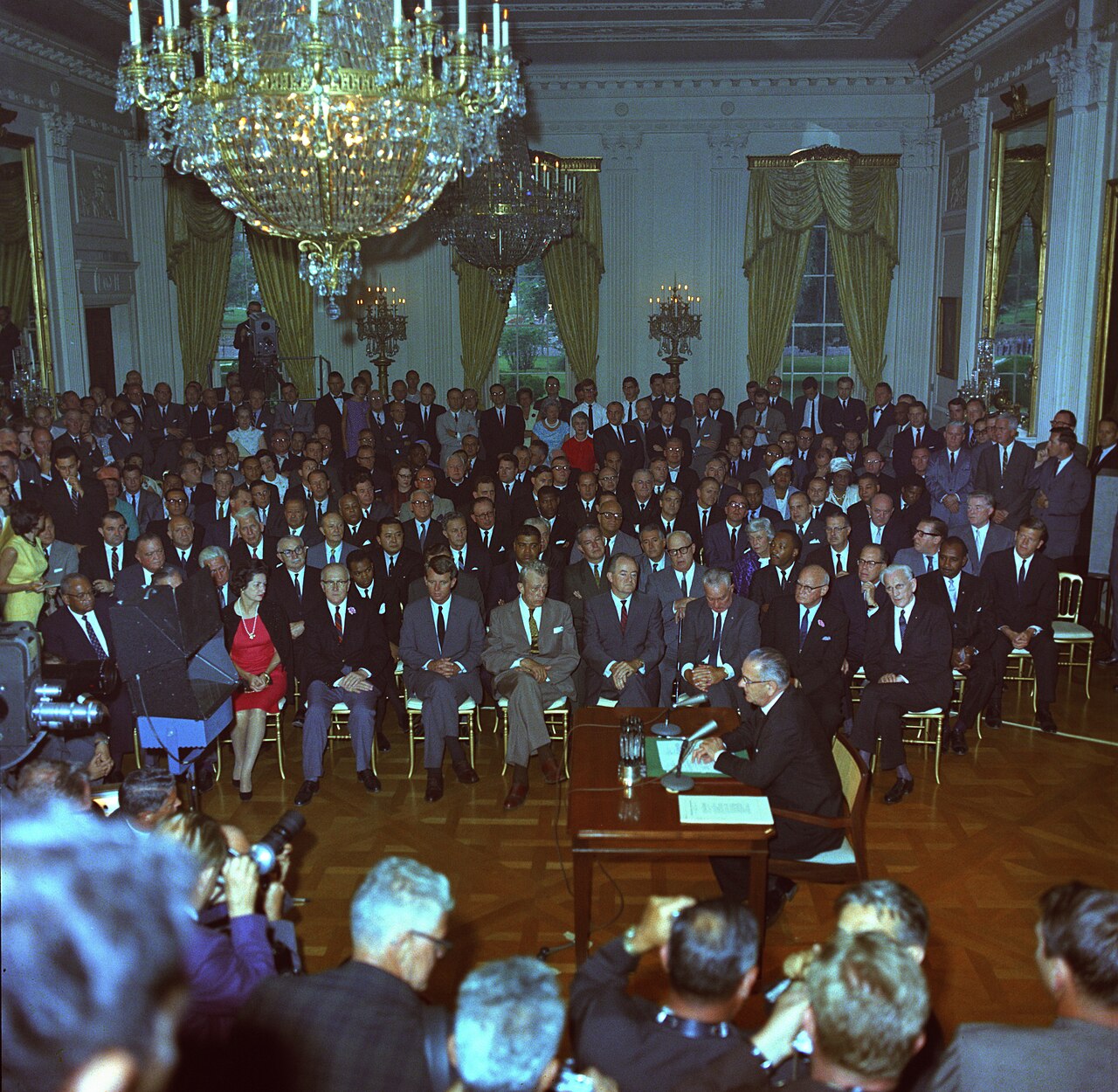
A White House photograph of President Johnson signing the Civil Rights Act of 1964, with Senator Hubert Humphrey among those watching.
Humphrey, the Civil Rights Act's lead Senate author, is pictured among the witnesses to its signing.
About this source
What it is
This photograph, taken by O. J. Rapp on 2 July 1964, shows President Lyndon B. Johnson signing the Civil Rights Act in the White House East Room. Among the watching crowd are Attorney General Robert Kennedy, Lady Bird Johnson, Rev. Martin Luther King Jr., FBI Director J. Edgar Hoover, Speaker John McCormack, and Senator Hubert Humphrey.
Why it matters
The Civil Rights Act outlawed major forms of discrimination and was one of the most significant laws of the 20th century. Humphrey had been the lead Senate author who helped guide the bill through fierce opposition, making his presence at this signing a record of his key role in the law's passage.
Look closer
- Why might so many witnesses and television cameras have been gathered for this signing?
- What does the presence of civil rights leaders like King suggest about who the law was meant to serve?
- What can't a photograph like this tell you about the debate that led to this moment?
This photograph is part of the curated material that grounds the AI version of Hubert Humphrey on Humy.ai — when students ask about related events, the AI can quote it and cite it.
More Hubert Humphrey sources
Browse all 95 →Primary source
Kennedy–Humphrey televised debate, West Virginia Democratic primary
WCHS-TV · 4 May 1960
 Document
Primary source
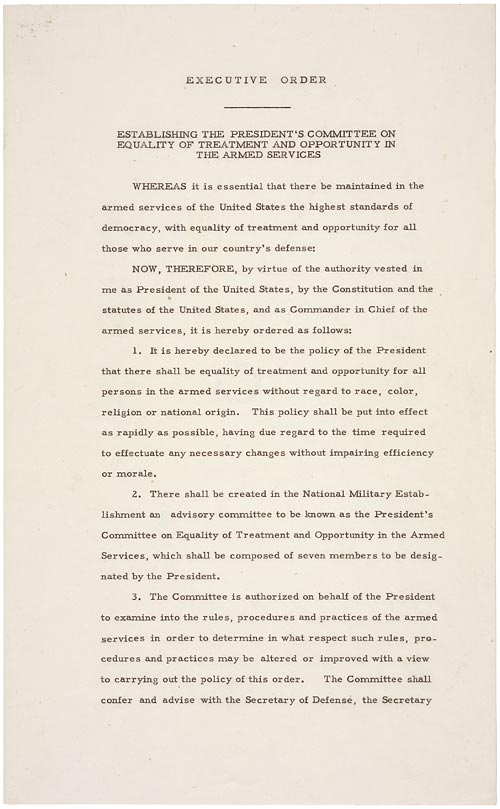
Executive Order 9981
Harry S. Truman · 26 July 1948
 Document
Primary source
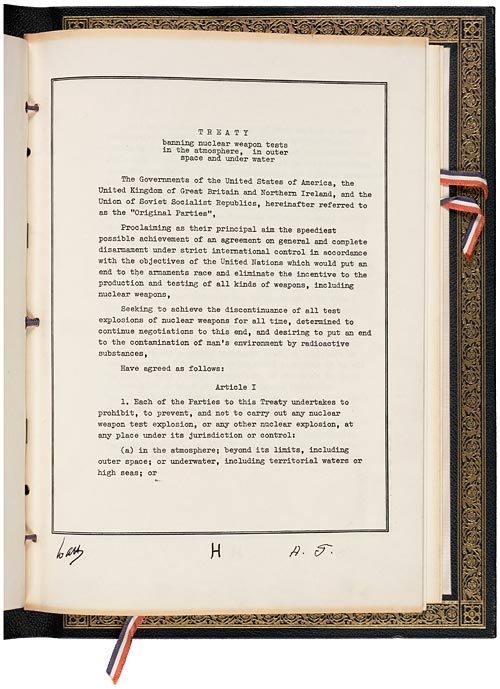
Limited Test Ban Treaty
5 August 1963
 Document
Primary source
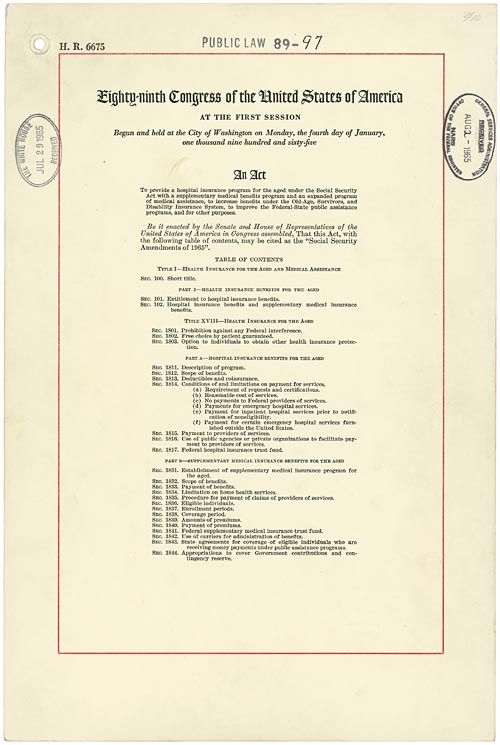
Social Security Amendments of 1965 (Medicare and Medicaid Act)
United States Congress · 30 July 1965
Free account
Read every Hubert Humphrey source
Sign up free →
Ready when you are
Start chatting with Hubert Humphrey now.
20 messages free · No credit card · Available in 50+ languages.