


Primary sourcePainting1780
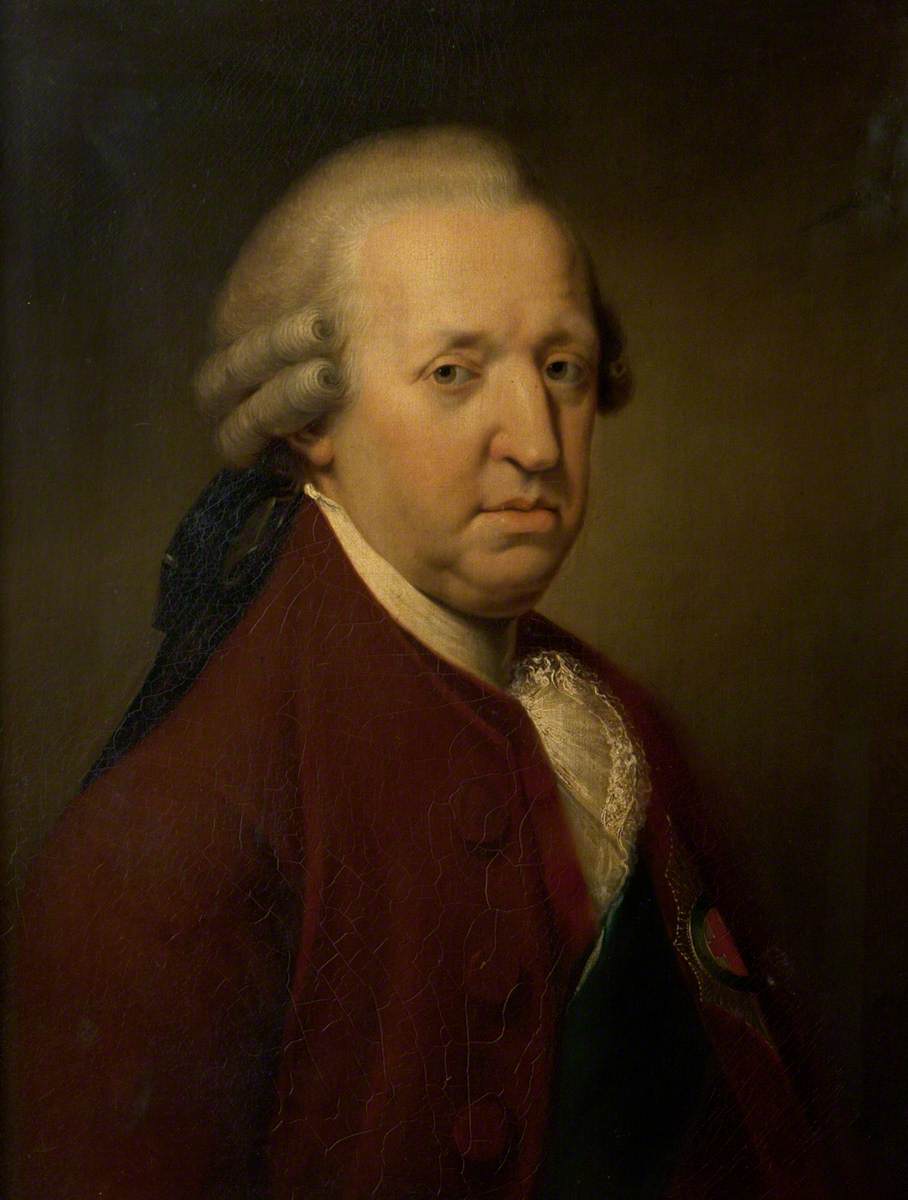
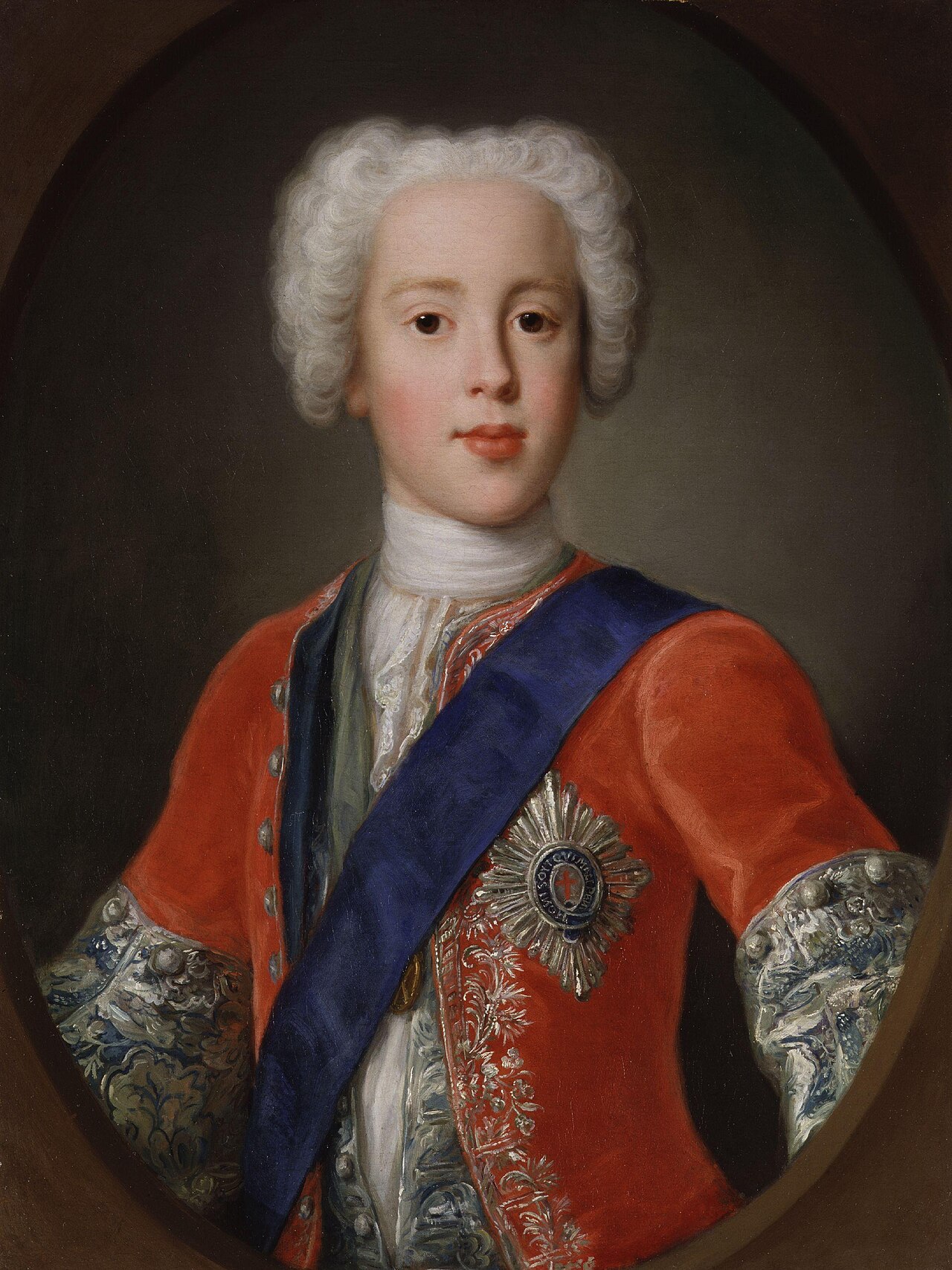
Prince Charles Edward Stuart (1780)
Hugh Douglas Hamilton · 1780
A late-life portrait of Charles Edward Stuart painted by Hugh Douglas Hamilton, showing him as an aging exile in Rome.
This late portrait shows Charles Edward Stuart as an aging exile in Rome, long after his failed bid for the throne.
About this source
What it is
This oil portrait of Charles Edward Stuart was painted by or after Hugh Douglas Hamilton in 1780, decades after the failed 1745 Rising. It is held at Inverness Museum and Art Gallery. He is shown in a white wig, red coat, and a small ribbon badge, gazing forward against a plain dark background.
Why it matters
Unlike earlier portraits made to inspire loyalty, this image shows the prince in old age, far from the romantic young adventurer of his youth. It reflects his later life in exile in Rome, after his hopes of regaining the throne had faded, offering a more human and sobering view of a man whose cause had failed.
Look closer
- How does this portrait differ in mood from earlier images of the young prince?
- What might the small ribbon badge still tell us about how he saw himself?
- Why might later portraits of failed leaders look so different from their earlier ones?
This painting is part of the curated material that grounds the AI version of Charles Edward Stuart on Humy.ai — when students ask about related events, the AI can quote it and cite it.
More Charles Edward Stuart sources
Browse all 96 →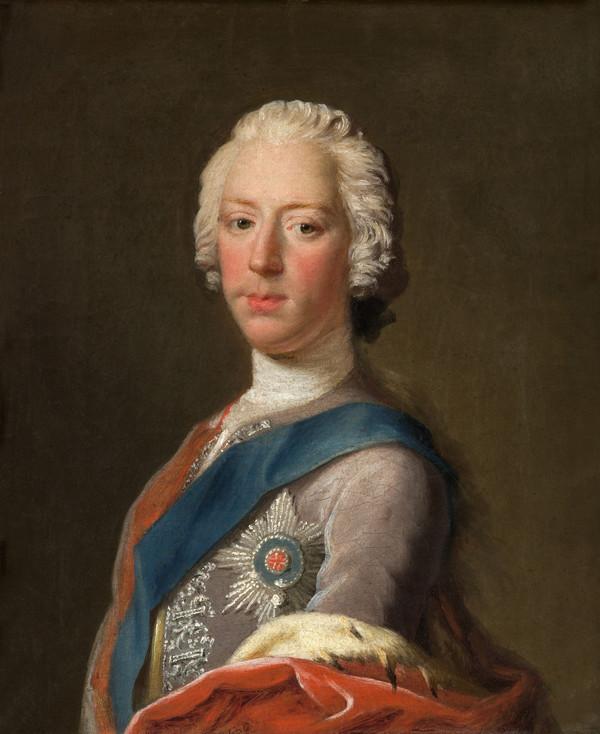 Painting
Primary source
Portrait of Charles Edward Stuart
Allan Ramsay · October 1745
Primary source
Letter from Prince Charles Edward Stuart to the Scottish Chiefs
Charles Edward Stuart · 28 April 1746
 Painting
Primary source
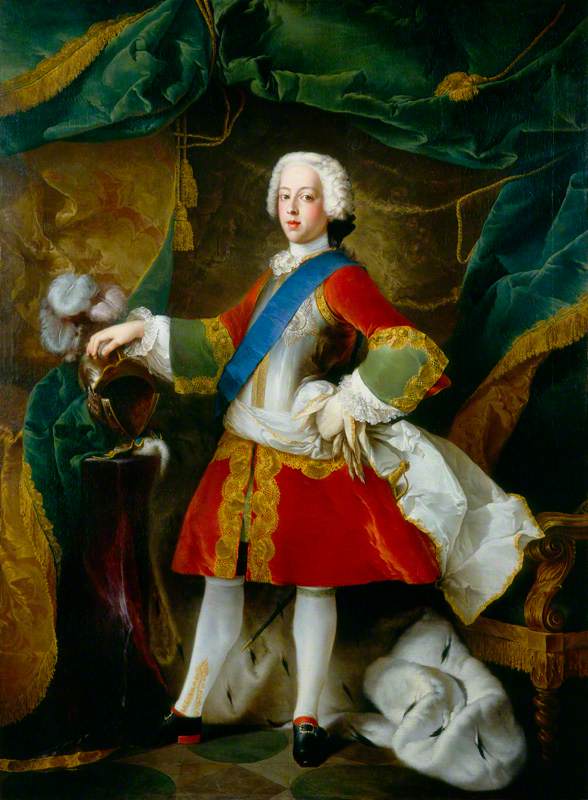
Prince Charles Edward Stuart
Louis Gabriel Blanchet · 1738
 Painting
Primary source
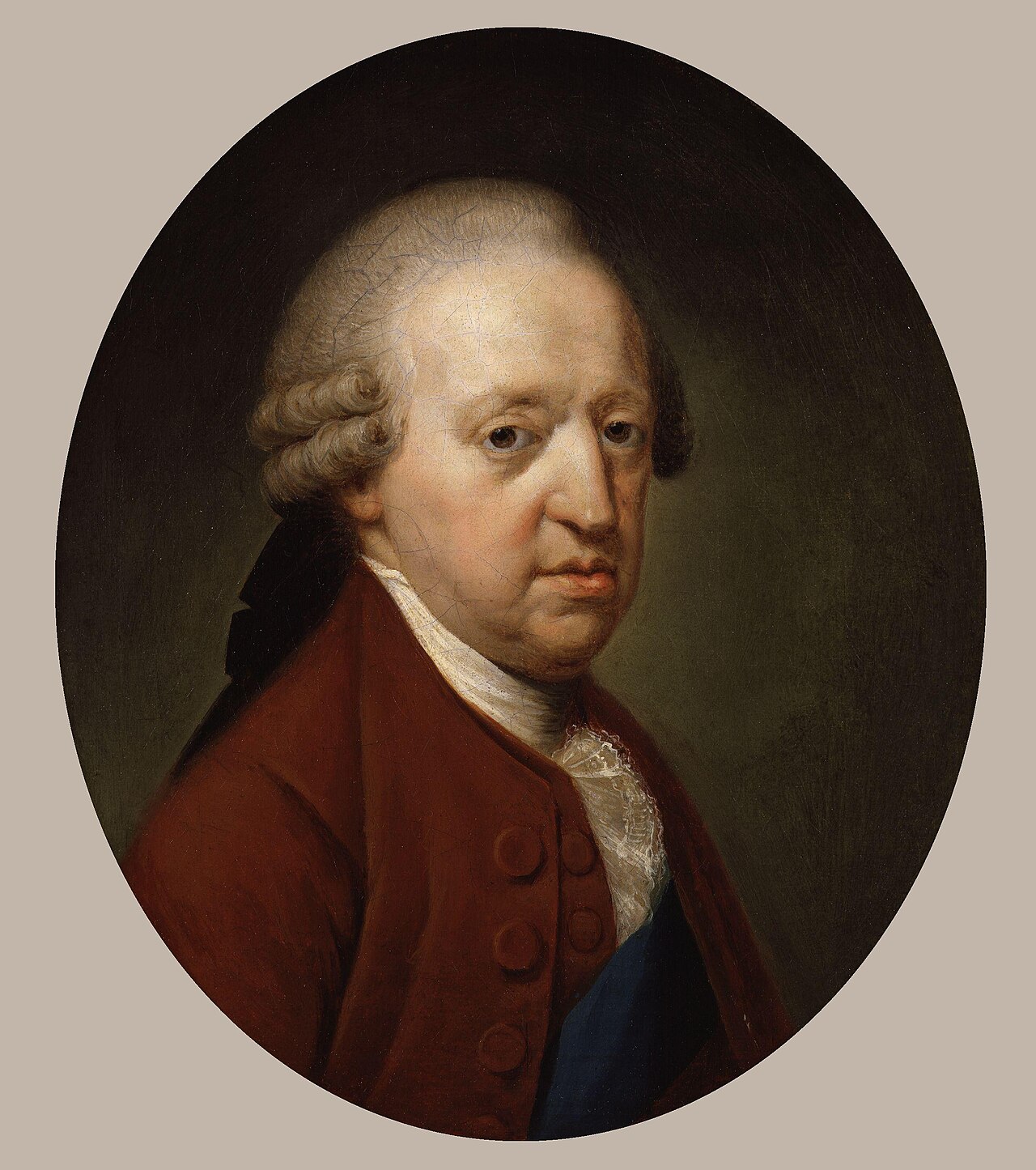
Prince Charles Edward Stuart
Hugh Douglas Hamilton · 1785
Free account
Read every Charles Edward Stuart source
Sign up free →
Ready when you are
Start chatting with Charles Edward Stuart now.
20 messages free · No credit card · Available in 50+ languages.