


Secondary sourcePainting1661-1662
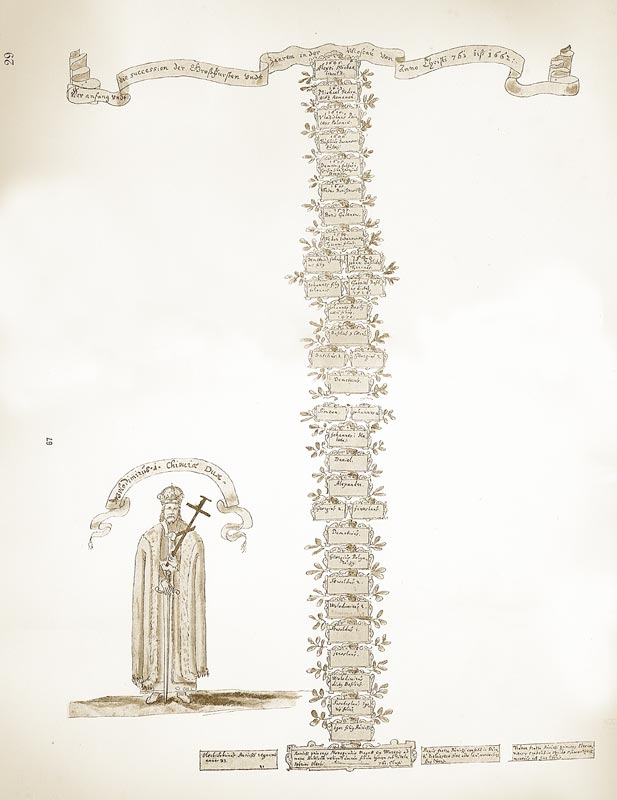
Prince Vladimir and Table of Princes
Augustin Meyerberg · 1661-1662
A 17th-century pen drawing showing Vladimir the Great alongside a genealogical table of Russian rulers.
Depicts Vladimir as a crowned ruler placed at the head of a table of princes, showing his later image as founder.
About this source
What it is
This sepia ink drawing shows a standing crowned figure holding a cross and scepter, identified as Prince Vladimir, next to a tall column listing names of princes and tsars. It was made by Augustin Meyerberg, a Jesuit traveller, around 1661-1662.
Why it matters
The drawing was made centuries after Vladimir's death, so it does not show his real appearance. Instead it shows how later generations placed him at the start of a long line of Russian rulers, treating him as a founding figure of the state and its royal lineage.
Look closer
- Why might an artist drawing centuries later place Vladimir at the top of a list of rulers?
- What do the cross and scepter suggest about how Vladimir was remembered?
- What might be missing from a drawing made so long after the events it depicts?
This painting is part of the curated material that grounds the AI version of Vladimir the Great on Humy.ai — when students ask about related events, the AI can quote it and cite it.
More Vladimir the Great sources
Browse all 97 →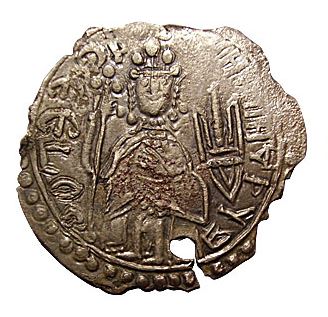 Artifact
Primary source
Srebrenik of Vladimir the Great
Mint of Vladimir I · c. 988–1015
 Document
Secondary source
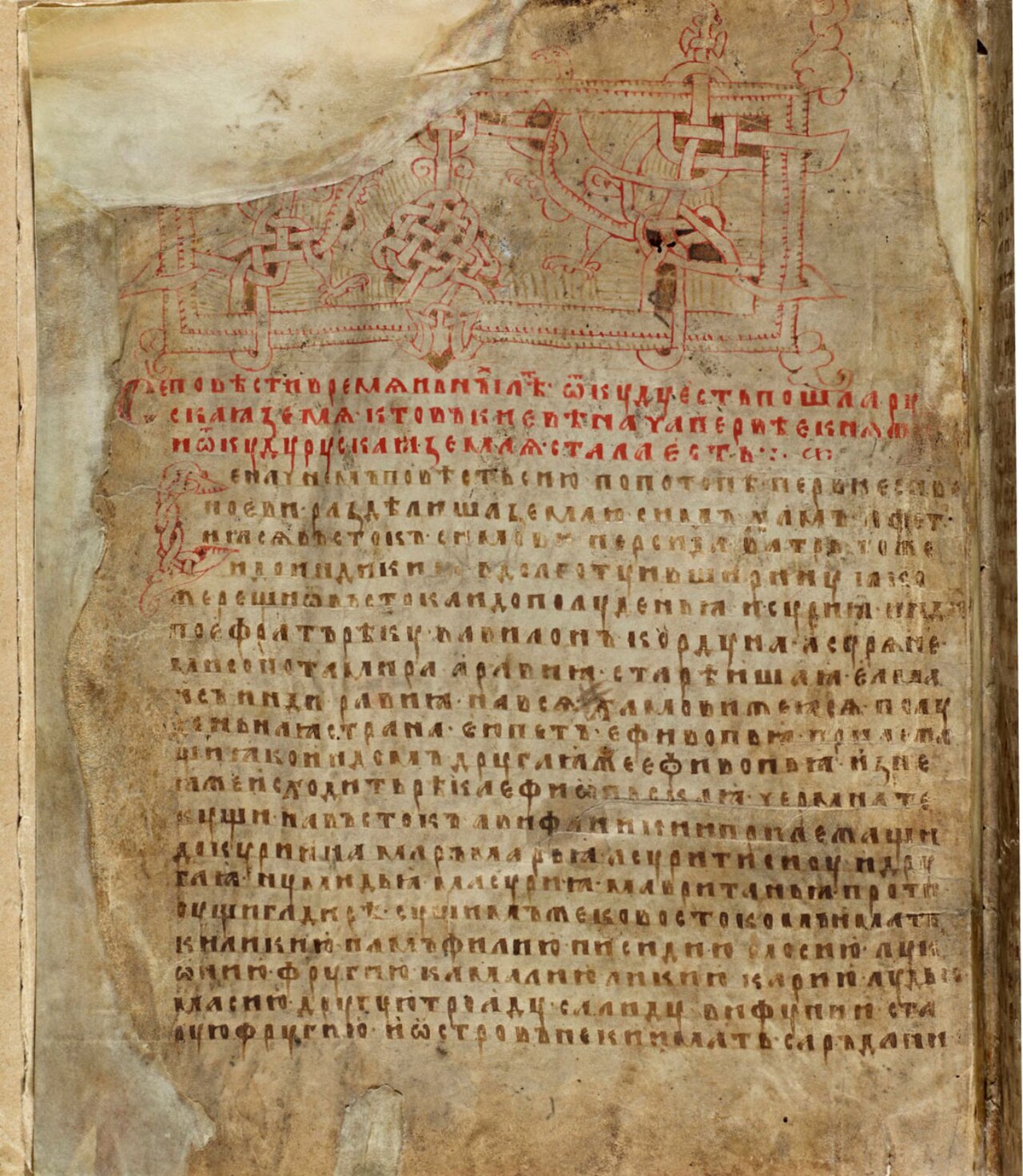
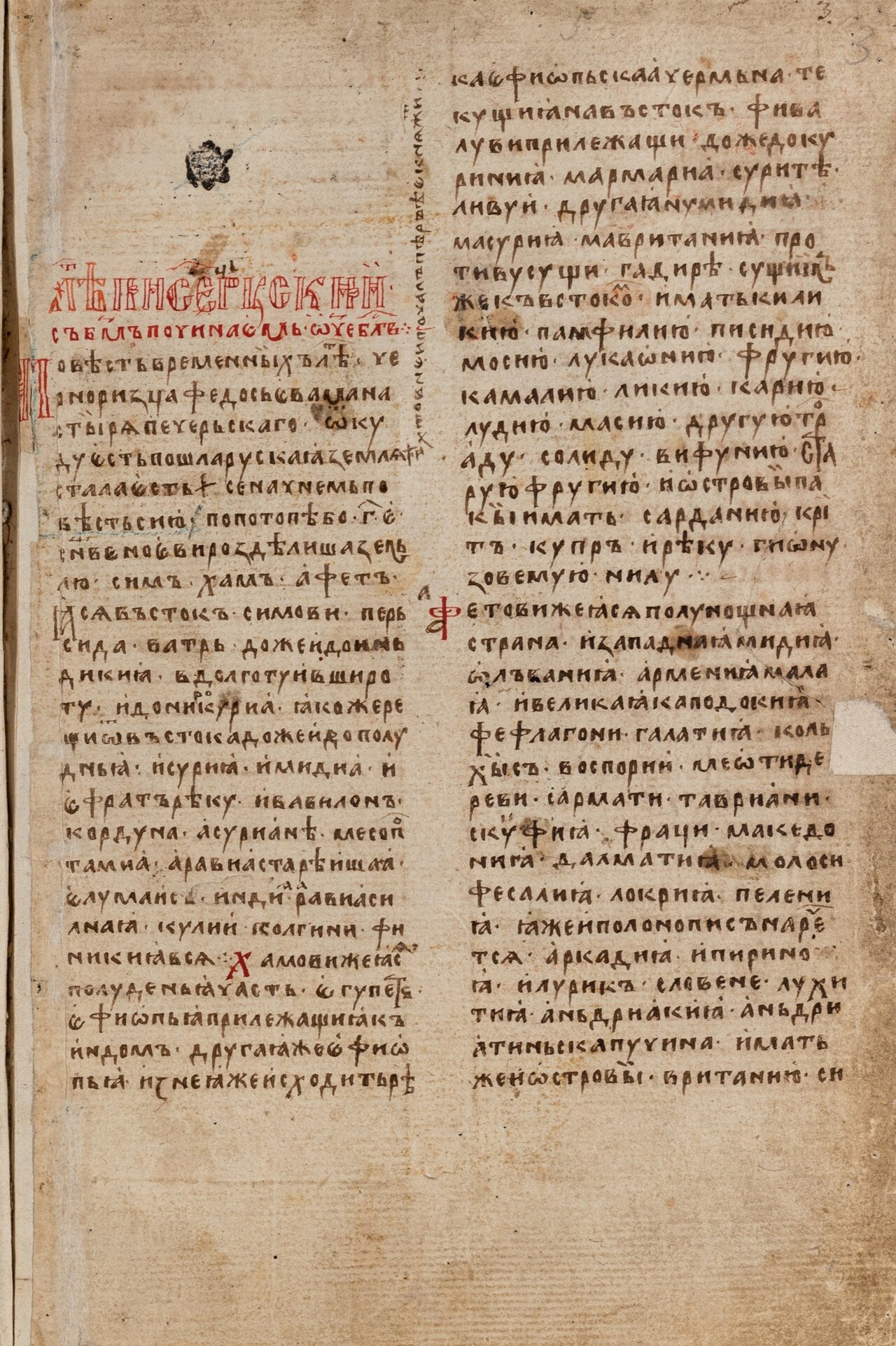
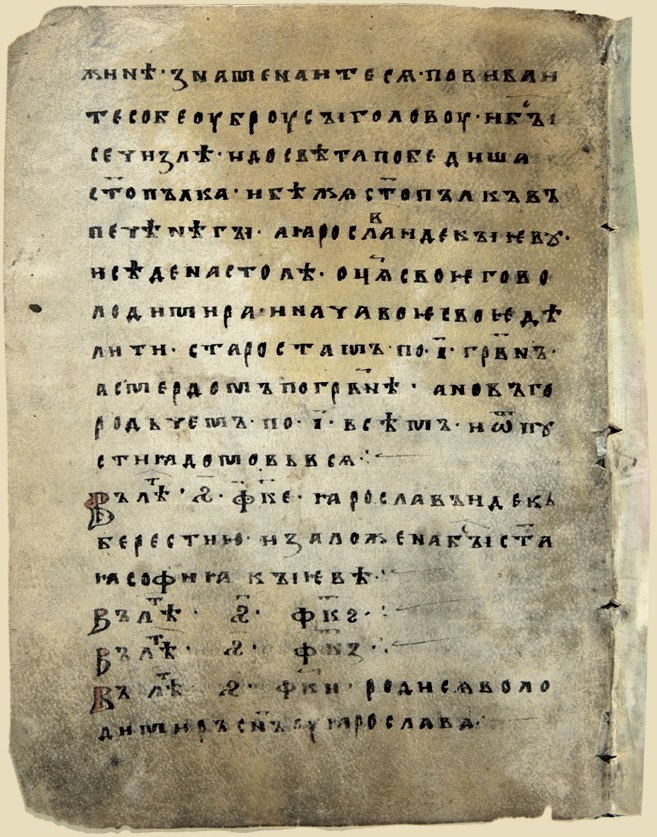
Laurentian Codex
Laurentius · 1377
 Artifact
Primary source
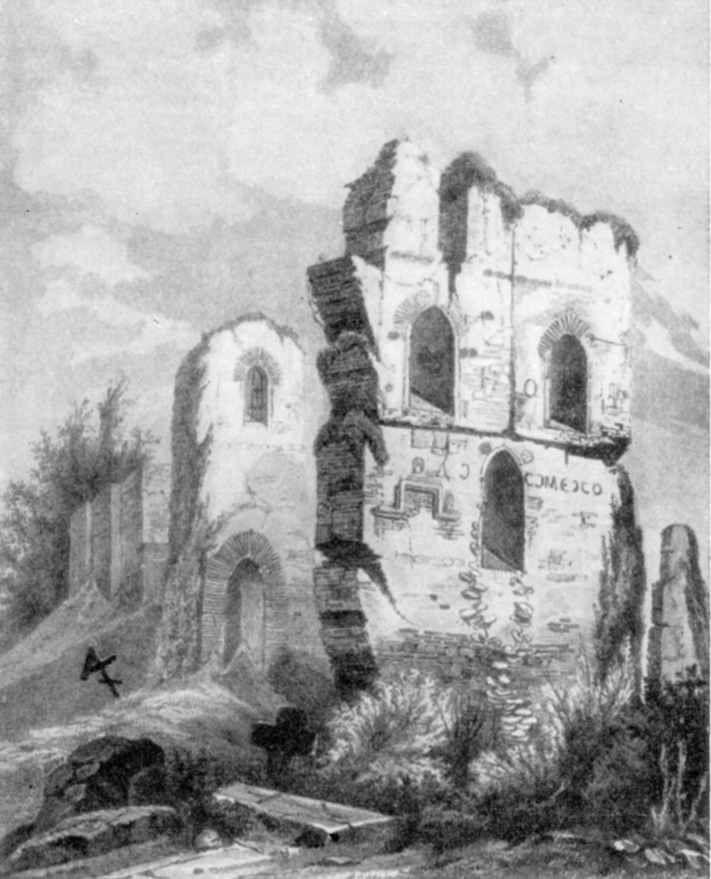
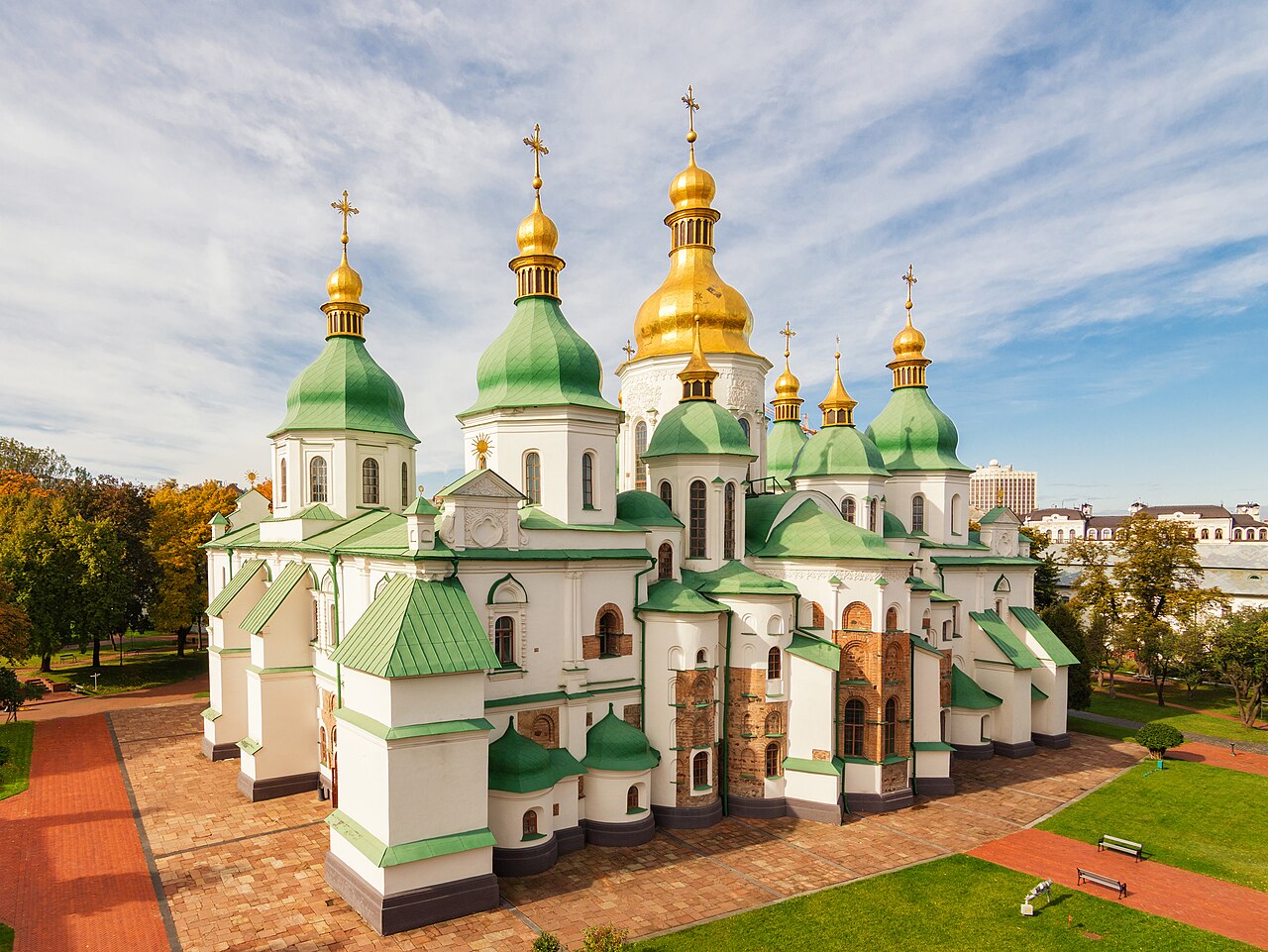
Church of the Tithes
996
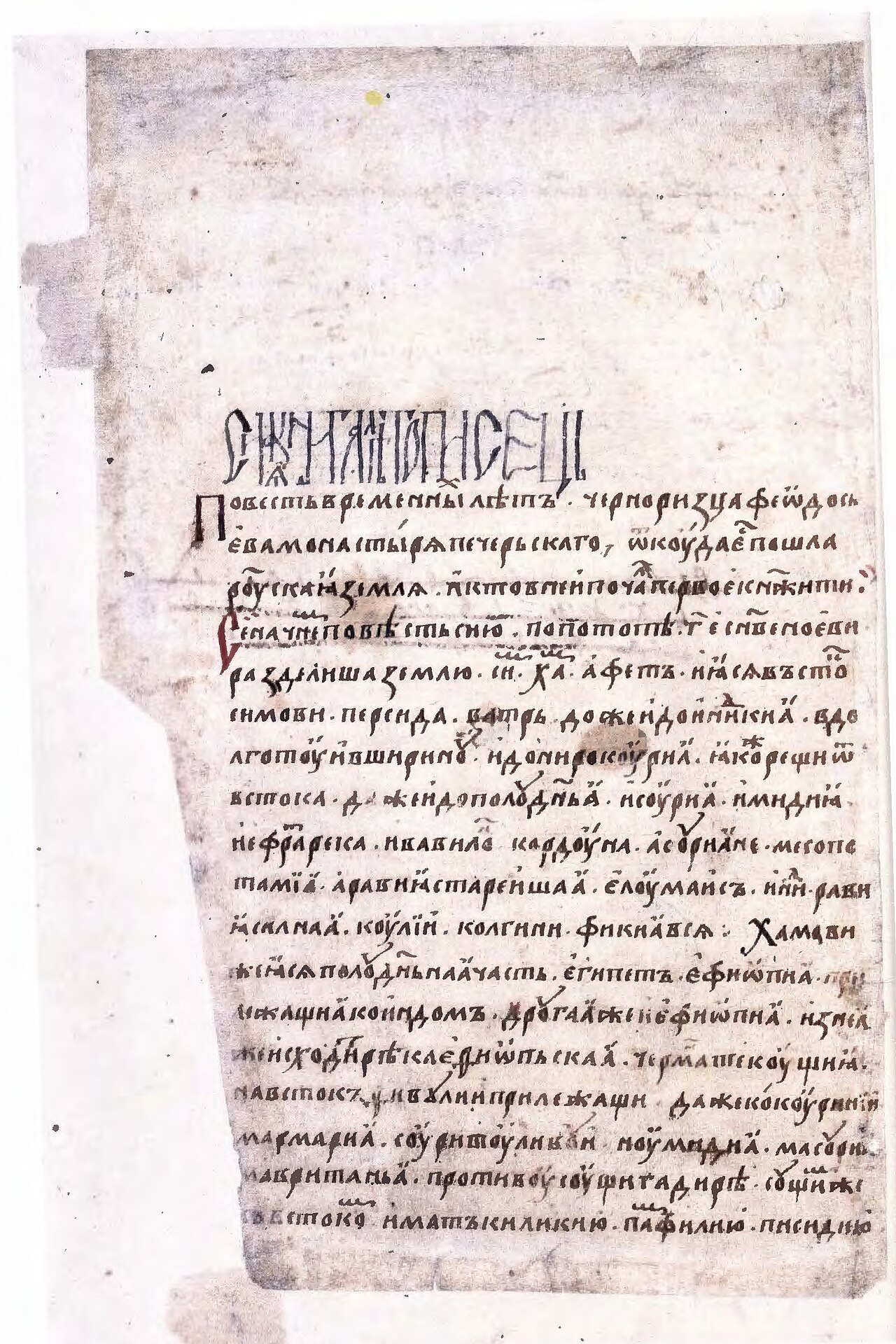 Painting
Secondary source
Radziwiłł Chronicle
c. 1500 (copy of a 13th-century original)
Free account
Read every Vladimir the Great source
Sign up free →
Ready when you are
Start chatting with Vladimir the Great now.
20 messages free · No credit card · Available in 50+ languages.