


Primary sourceArtifactfounded 815-822
Princely Abbey of Corvey
founded 815-822
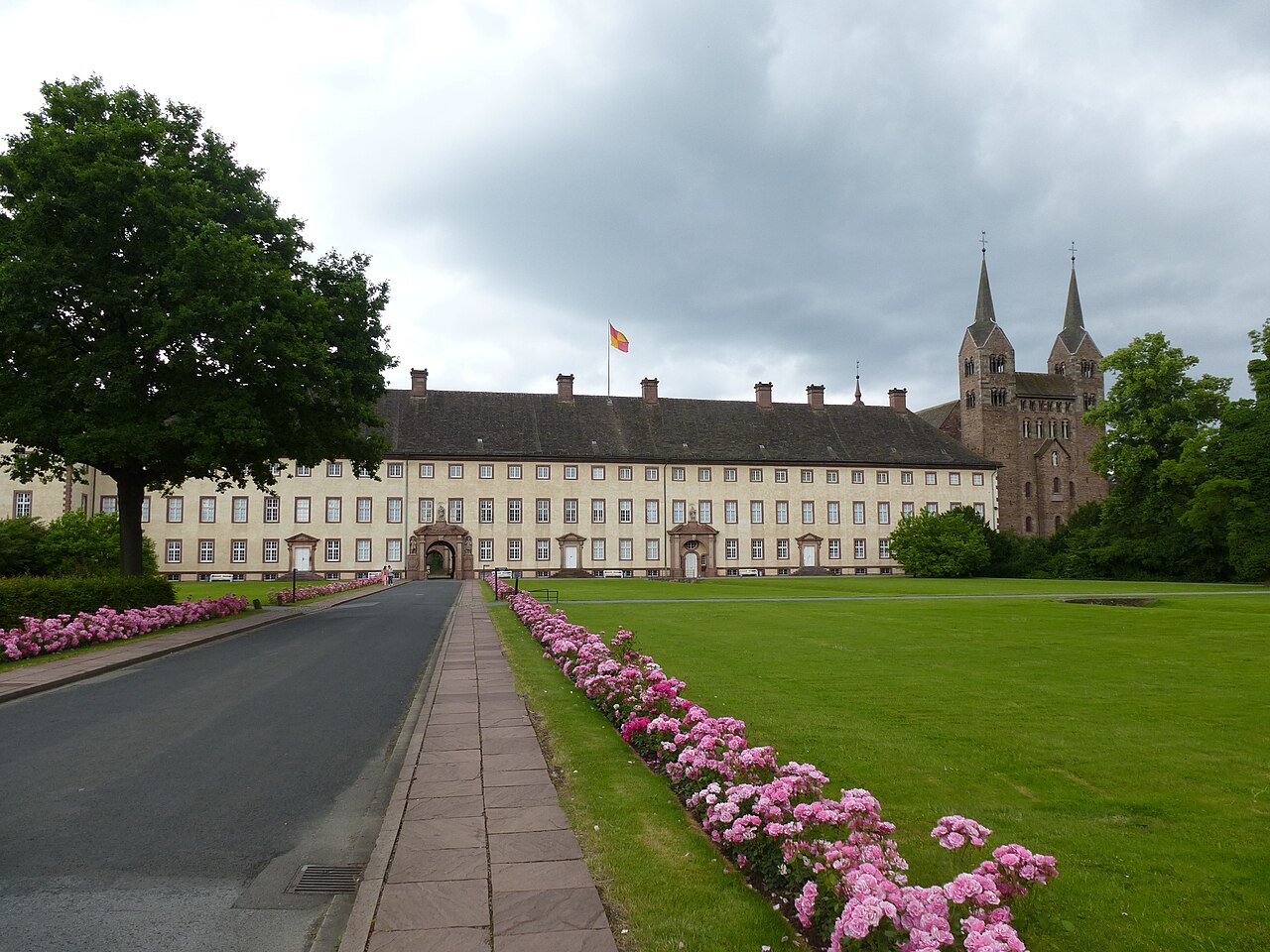
A Benedictine abbey founded through the sponsorship of Louis the Pious in Saxony, linking his patronage to the Christianisation of the north.
Louis sponsored Corvey's founding, linking his rule to the Christianisation of the Saxons.
About this source
What it is
The Princely Abbey of Corvey is a former Benedictine abbey in what is now North Rhine-Westphalia. Its foundation was announced by Emperor Louis the Pious at a synod in Paderborn in 815, and monks from Corbie Abbey settled at the site, moving to its current location in 822. Its surviving westwork is the oldest known example of its kind, built later in the 9th century, and is now a UNESCO World Heritage Site.
Why it matters
Corvey was part of the effort to Christianise the Saxons after Charlemagne's conquest, continued under his son Louis the Pious. It became a center of learning and missionary activity, sending monks such as Ansgar to evangelise Scandinavia, and grew into one of the richest abbeys in Central Europe. Its architecture influenced later Romanesque and Gothic building.
Look closer
- Why would an emperor want to found abbeys in newly conquered territory?
- What does the abbey's wealth and later building projects suggest about its importance?
- What parts of the abbey's history come from after Louis's own lifetime?
This artifact is part of the curated material that grounds the AI version of Louis the Pious on Humy.ai — when students ask about related events, the AI can quote it and cite it.
More Louis the Pious sources
Browse all 94 →Primary source
Annales Bertiniani
various authors · 850
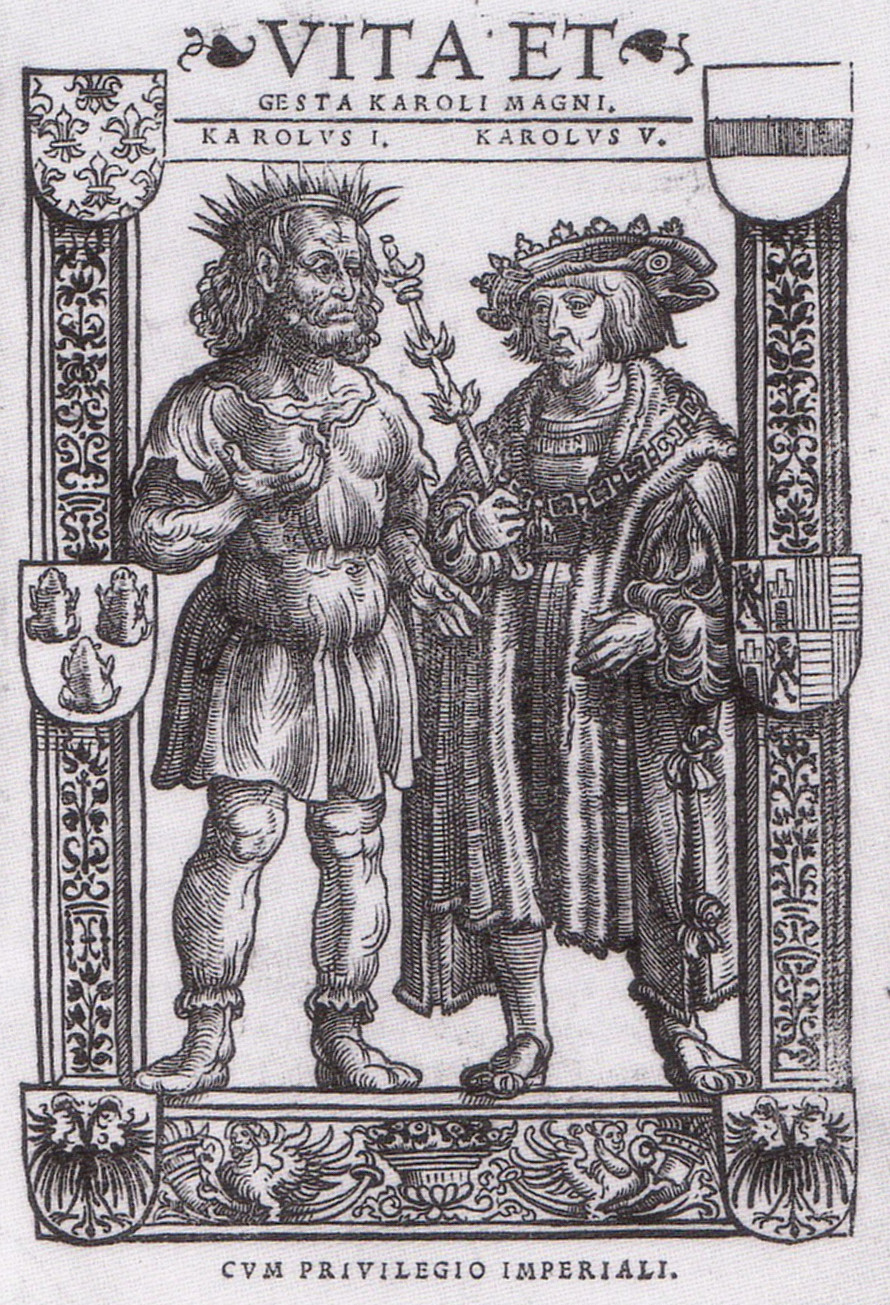 Book
Secondary source
Vita Karoli Magni
Einhard · c. 817-833
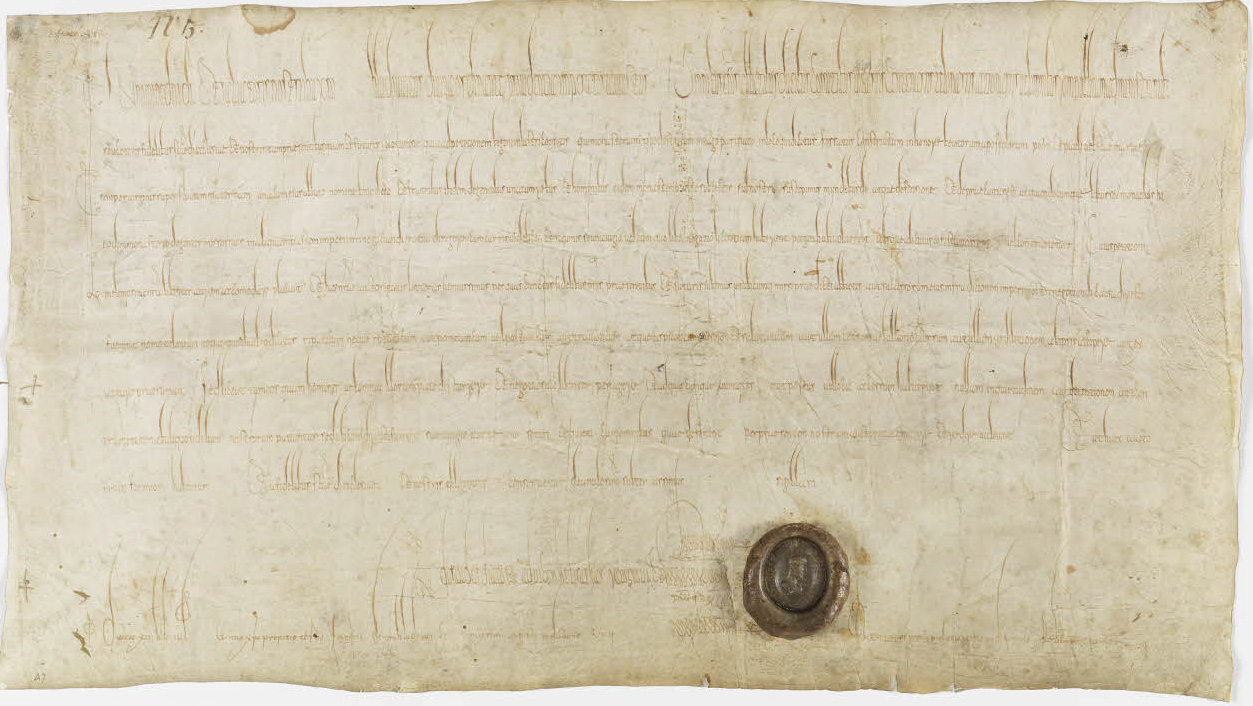 Document
Primary source
Exemption Charter for the Abbey of Saint-Maur-des-Fossés
Louis the Pious · 20 June 816
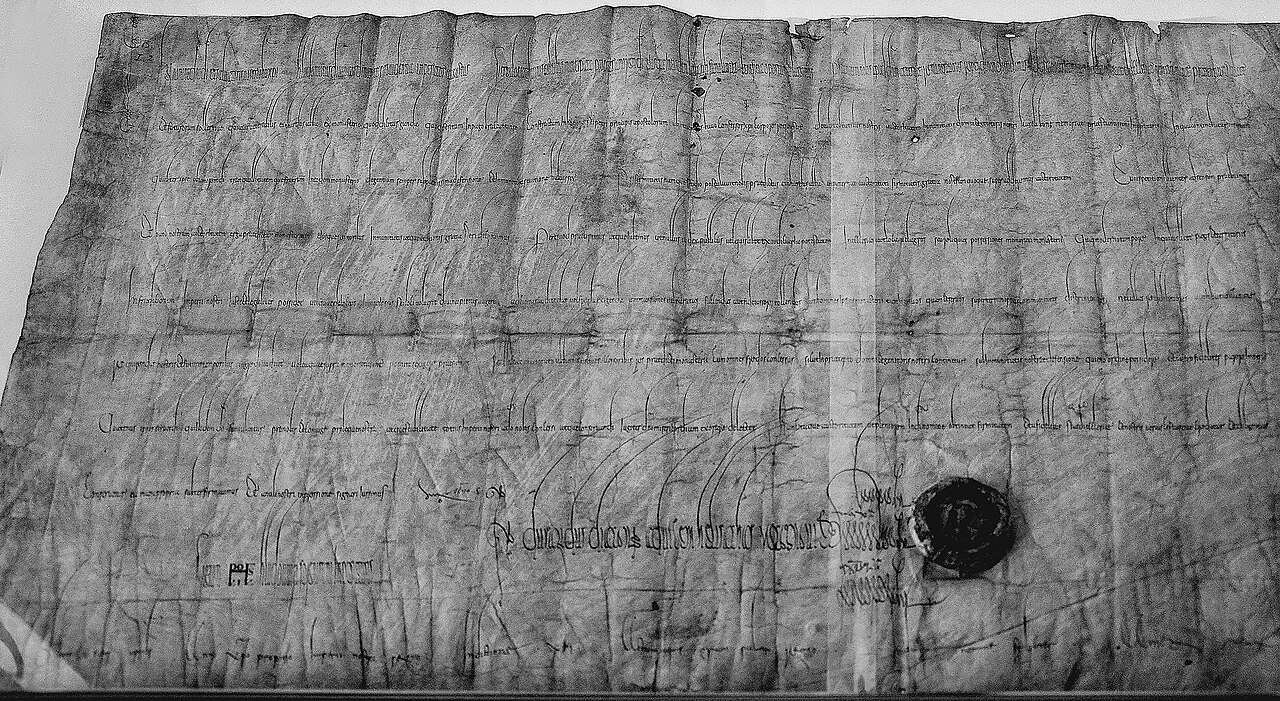 Document
Primary source
Charter of Immunity for Saint Bavo's Abbey
Louis the Pious

Free account
Read every Louis the Pious source
Sign up free →
Ready when you are
Start chatting with Louis the Pious now.
20 messages free · No credit card · Available in 50+ languages.