


Secondary sourcePainting1896
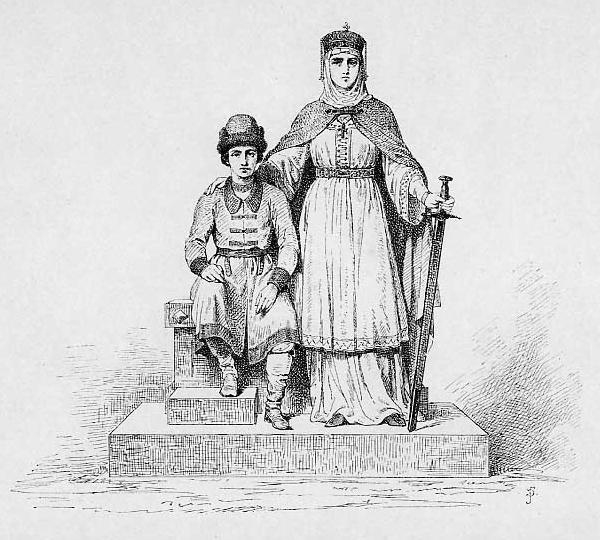
Princess Olga, from Vereshchagin's History of the Russian State
Vasily Vereshchagin · 1896
An 1896 print portraying Olga as ruler, with a caption describing her revenge on the Drevlians and her conversion to Christianity.
A later 19th-century depiction summarizing Olga's dual legacy as avenger and Christian ruler.
About this source
What it is
This is a print of Princess Olga made in 1896 by the artist Vasily Vereshchagin, part of a series of illustrations on the history of the Russian state. The caption below the image describes Olga as the wife of Igor, who cruelly avenged his murder by the Drevlians, ruled wisely during her son's childhood, and was later named 'Equal to the Apostles' by the church after accepting Christianity.
Why it matters
This image, made centuries after Olga's lifetime, shows how 19th-century Russians remembered her: as both a fierce avenger and a wise, holy ruler. It reveals how later generations combined stories of violence and sainthood into one image of a powerful female leader.
Look closer
- Why might the artist choose to mention both Olga's revenge and her conversion in the same caption?
- How does combining these two very different stories shape the way we see Olga?
- What does this print leave out about the sources behind these stories?
This painting is part of the curated material that grounds the AI version of Olga of Kiev on Humy.ai — when students ask about related events, the AI can quote it and cite it.
More Olga of Kiev sources
Browse all 93 →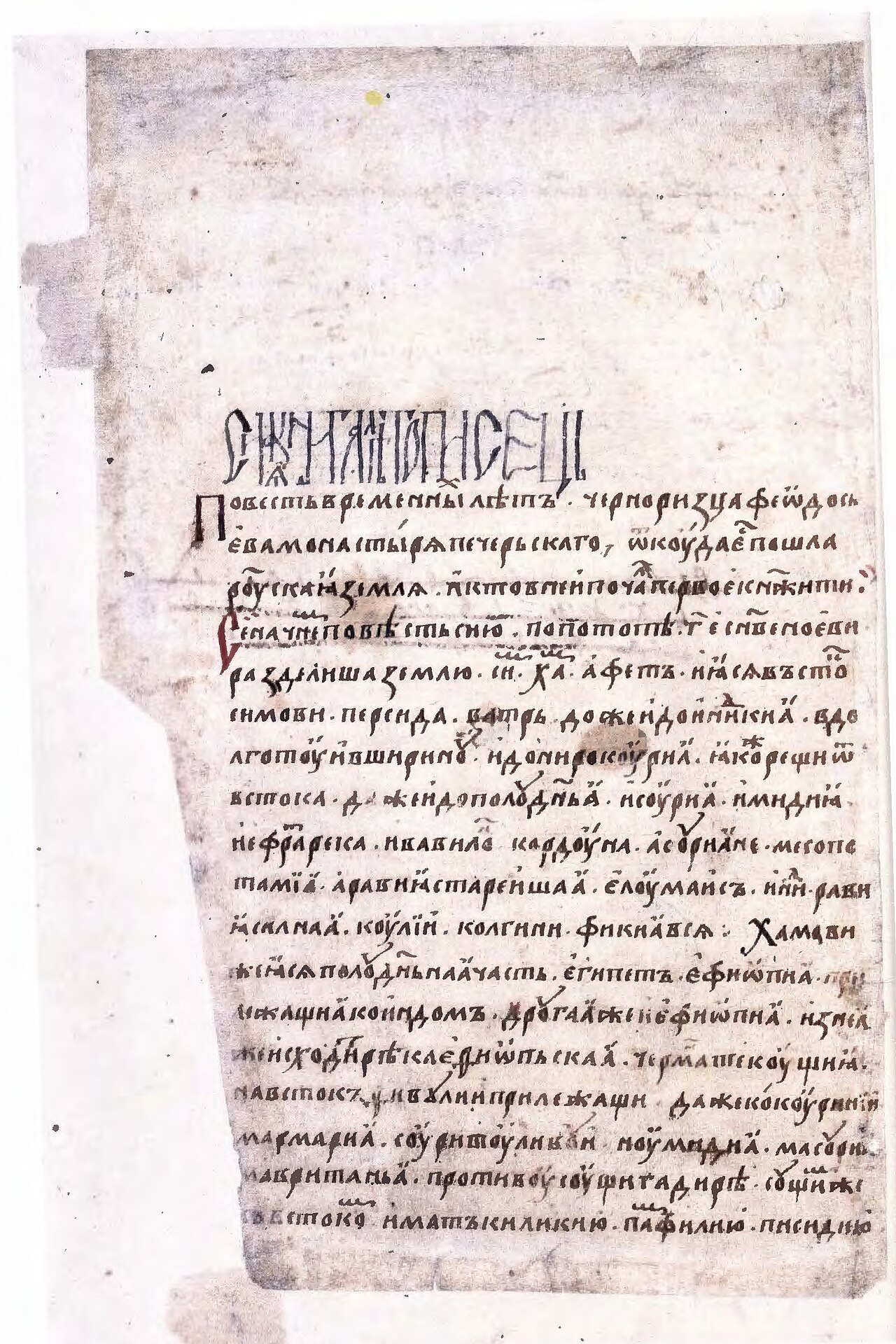 Painting
Secondary source
Radziwiłł Chronicle
c. 1500 (copy of a 13th-century original)
 Document
Primary source
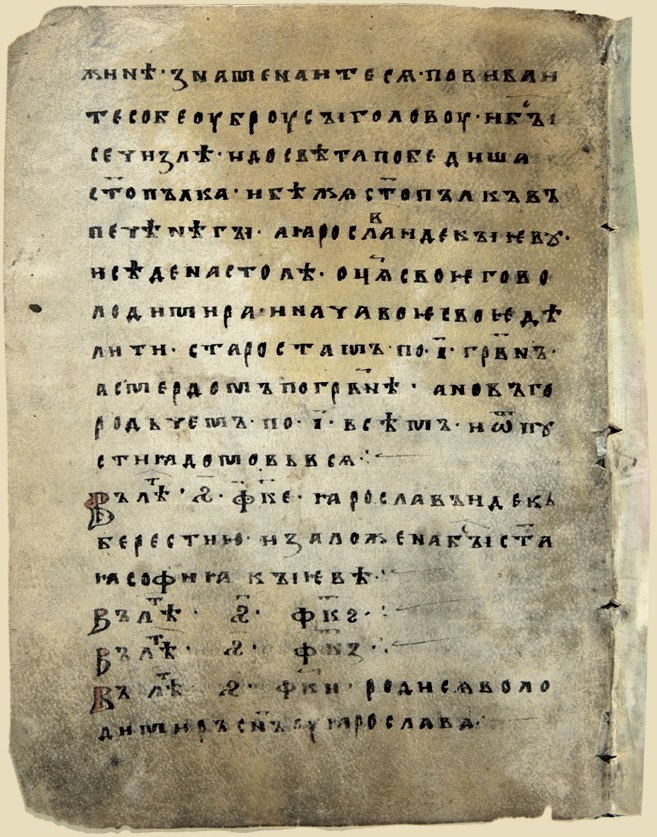
Novgorod First Chronicle
13th century (covering events from 1016)
 Document
Secondary source
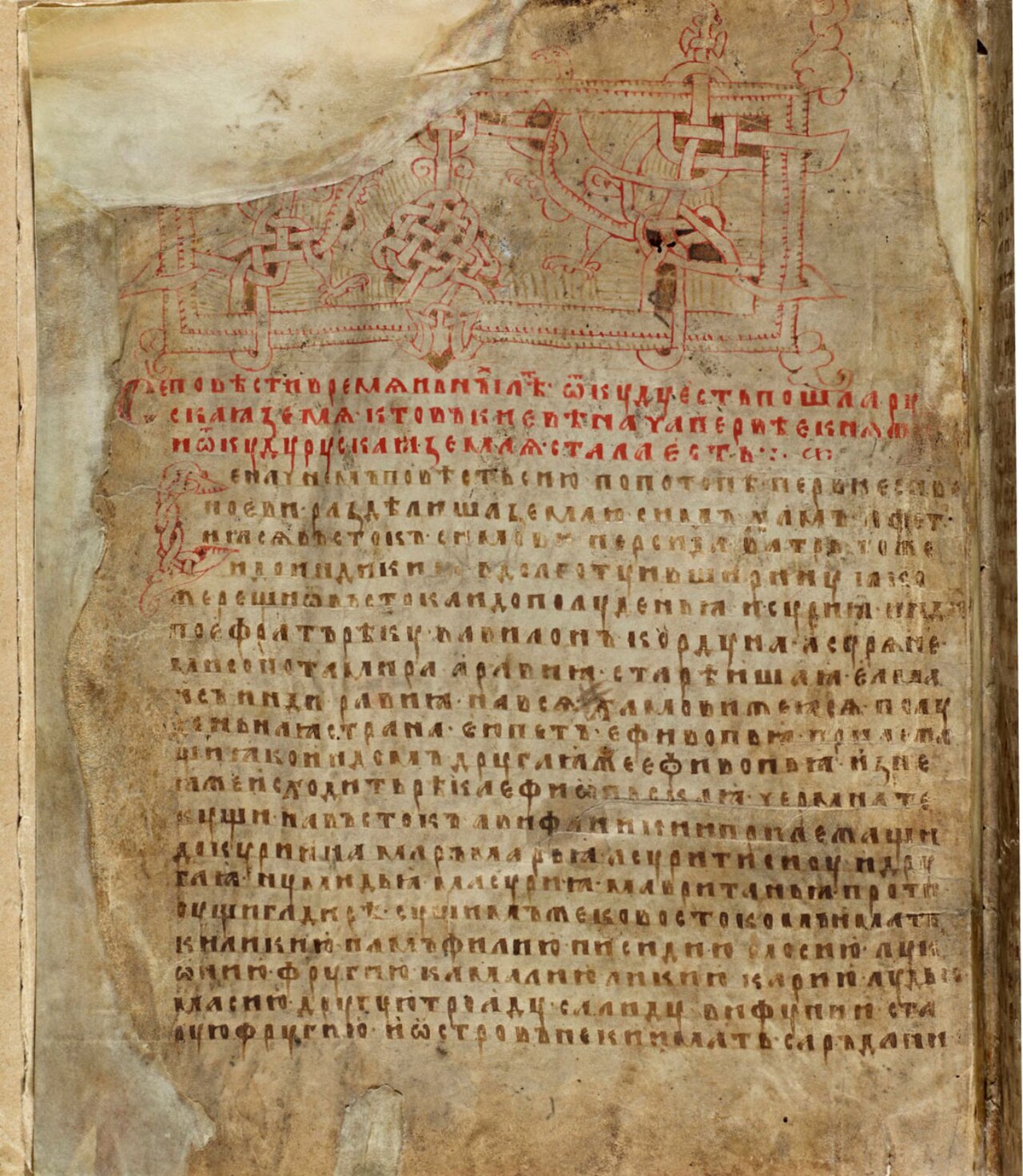
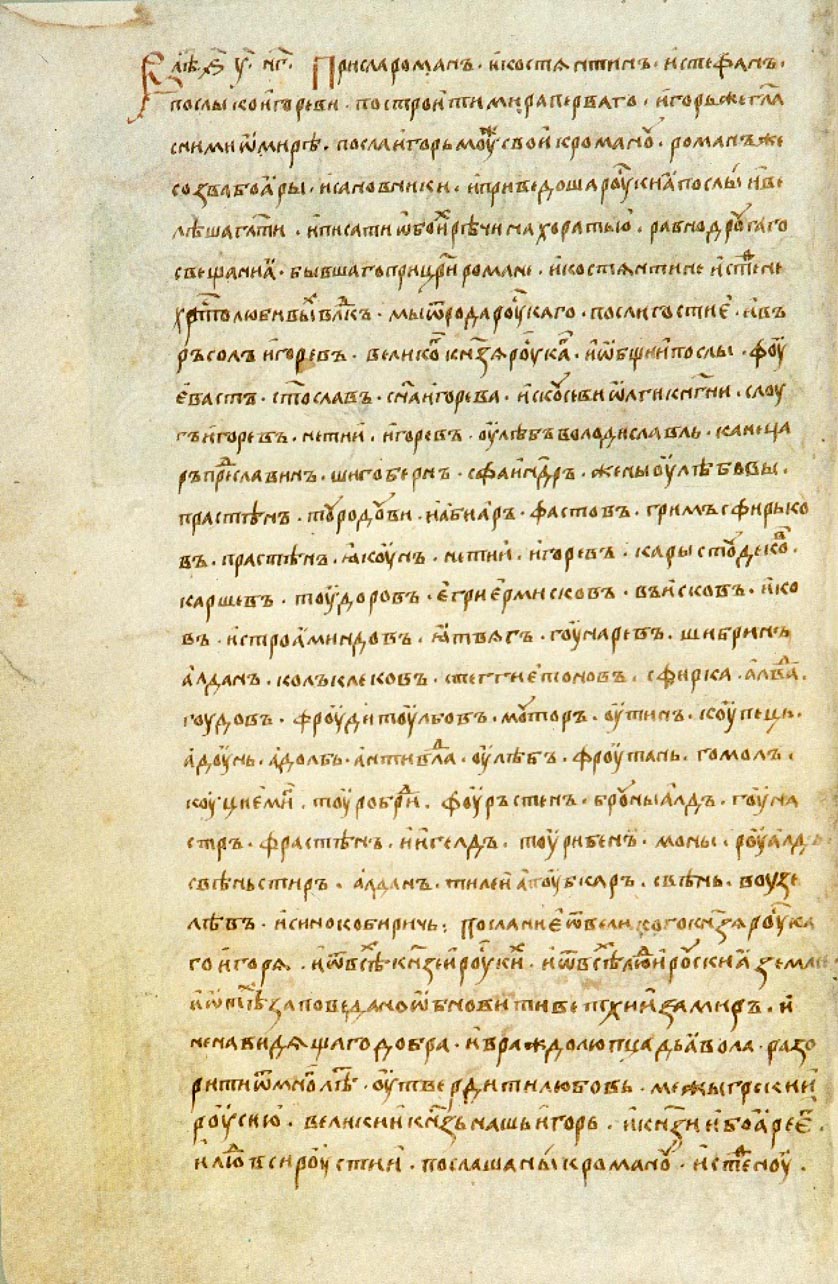
Laurentian Codex
Laurentius · 1377
 Document
Primary source
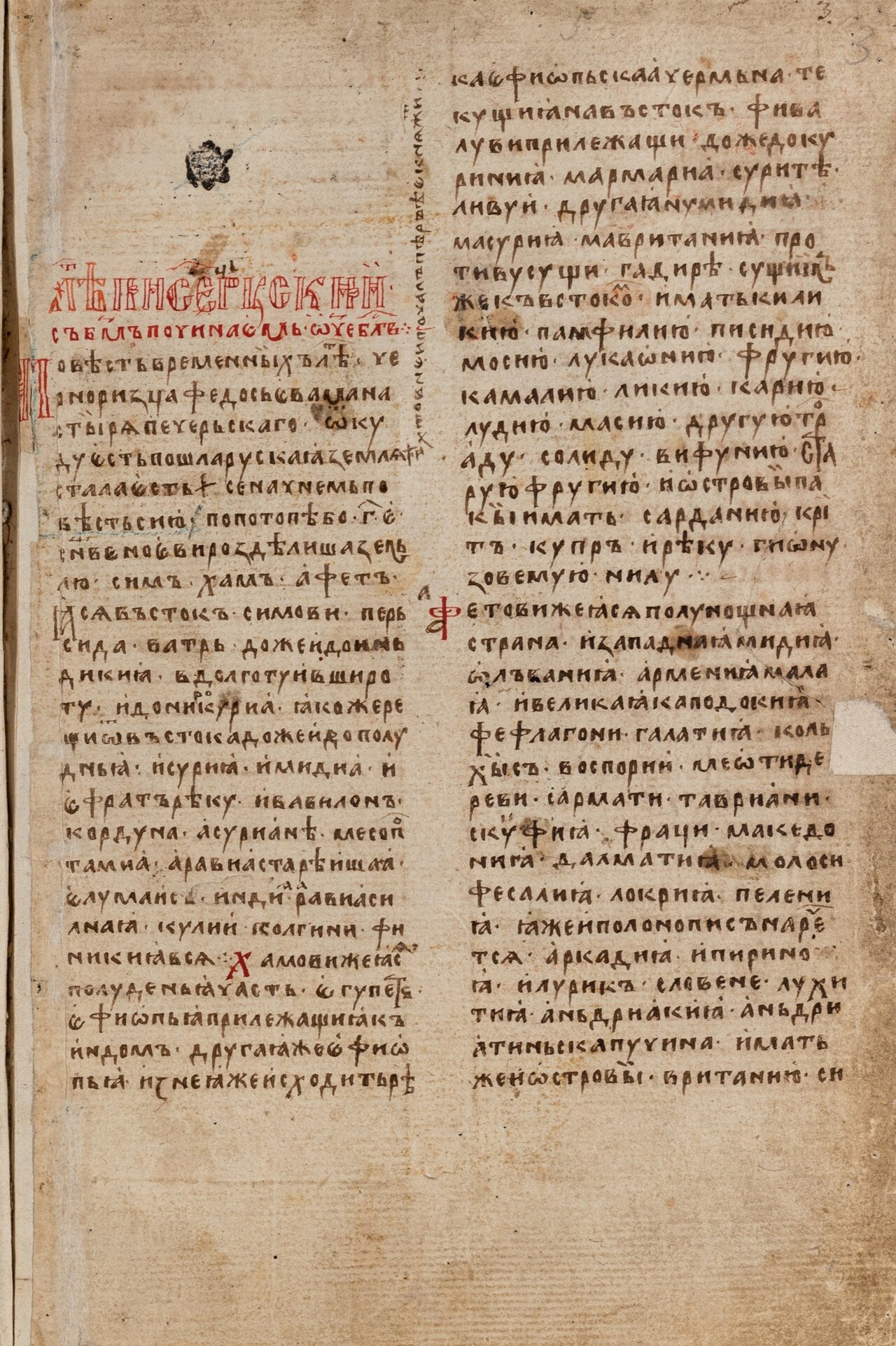
Rus'–Byzantine Treaty
944 or 945
Free account
Read every Olga of Kiev source
Sign up free →
Ready when you are
Start chatting with Olga of Kiev now.
20 messages free · No credit card · Available in 50+ languages.