


Primary sourceDocument2 October 1666
Privilegie der Visscherie
Charles II · 2 October 1666
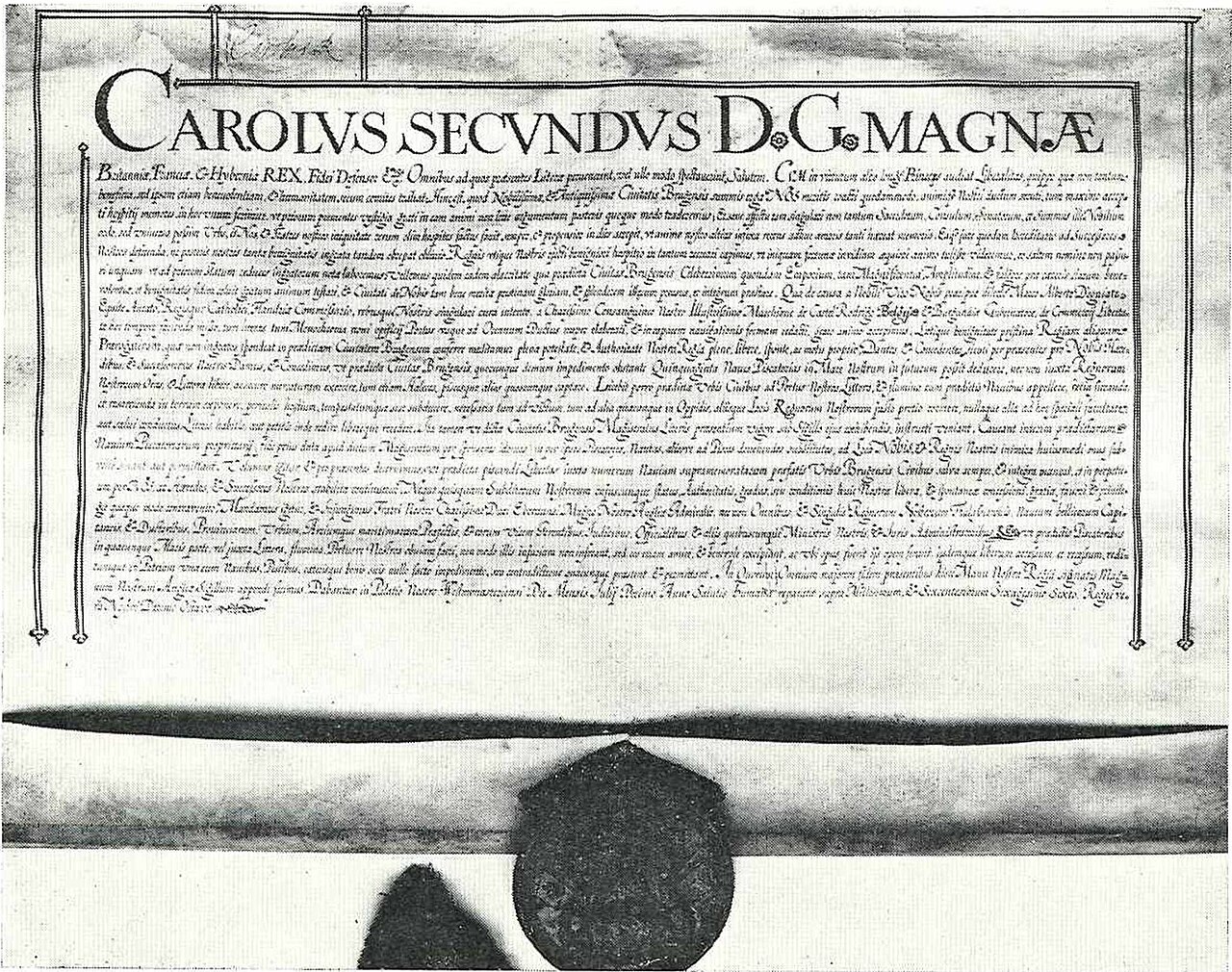
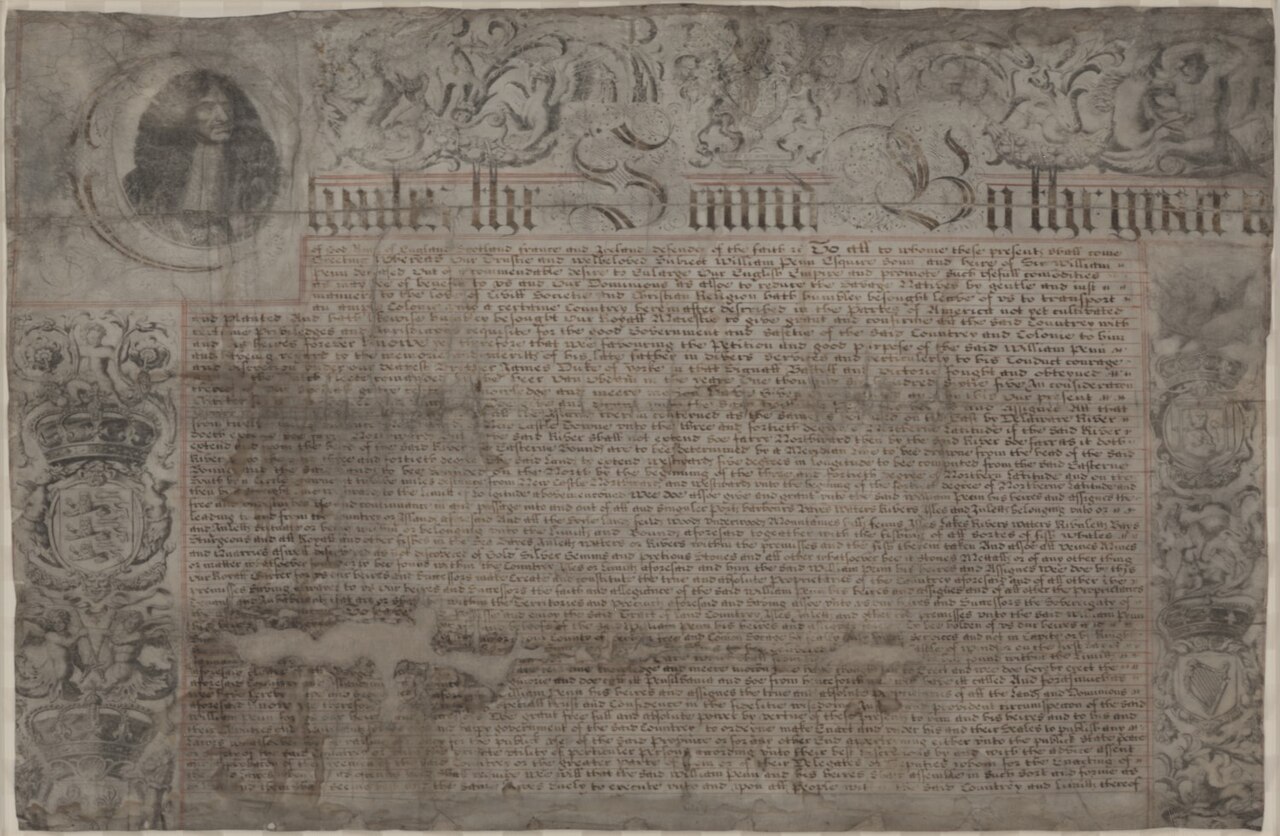
A royal charter issued by Charles II in 1666 to the city of Bruges, granting privileges to its fishing guild. This is a copy of the document.
Charles II issued this royal charter himself, making it a direct record of his government and of his grants abroad.
About this source
What it is
This is a copy of the Privilegie der Visscherie, a royal charter issued by Charles II of England to the Belgian city of Bruges on 2 October 1666. The image is a photograph of the charter. Its heading reads CAROLVS SECVNDVS D.G. MAGNAE, and its dense Latin text runs below, with dark wax seals hanging from the bottom edge. The charter concerns the fishing guild of Bruges, which the king's grant recognised with privileges.
Why it matters
The charter shows Charles II acting as a ruler beyond England, in a city that was part of the Spanish Netherlands at the time. It reveals the links between English kingship and the trade of the Low Countries, and the role of guilds in local economic life. Charles himself issued the grant, so it is a direct record of his government.
Look closer
- What does the heading and the seal tell you about who had the authority to grant this privilege?
- Why might the city of Bruges have wanted a grant from the English king?
- What does the charter leave out about the fishers and other people who worked under it?
This document is part of the curated material that grounds the AI version of Charles II on Humy.ai — when students ask about related events, the AI can quote it and cite it.
More Charles II sources
Browse all 95 →Primary source
Declaration of Breda
Charles II · 4 April 1660
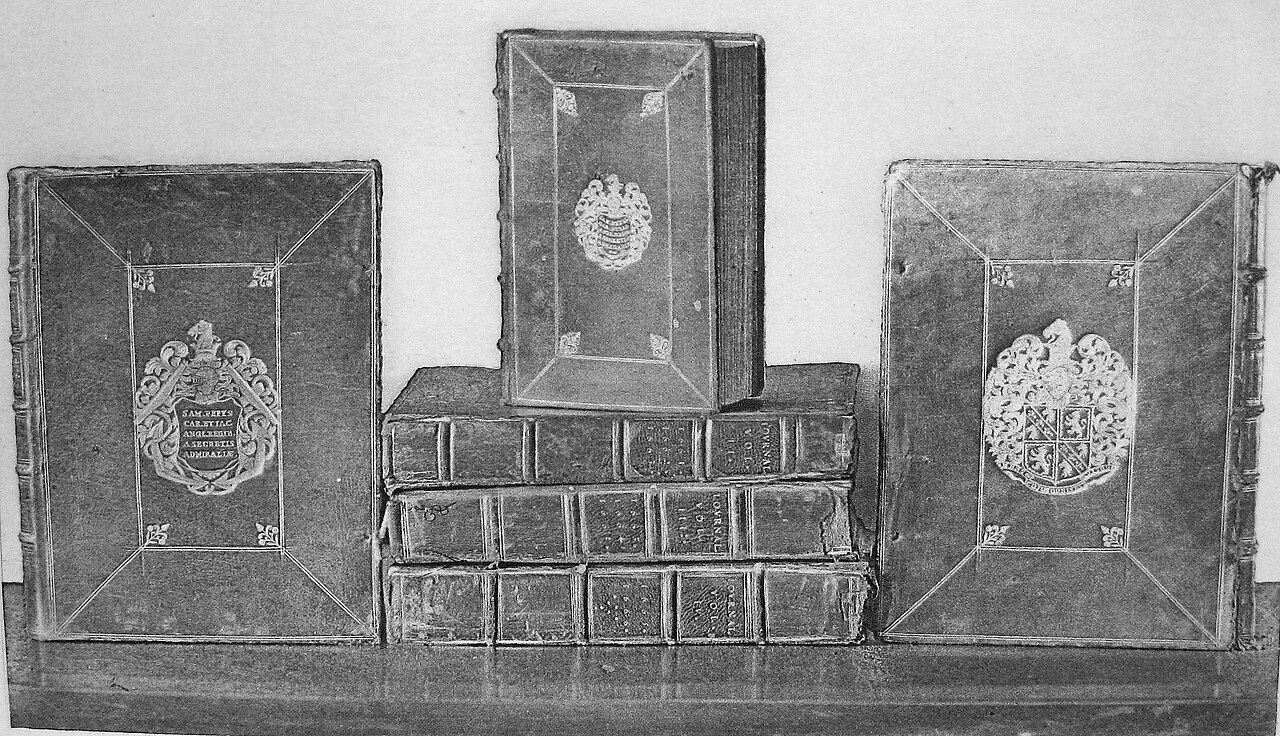 Diary entry
Primary source
Diary of Samuel Pepys
Samuel Pepys
 Painting
Primary source
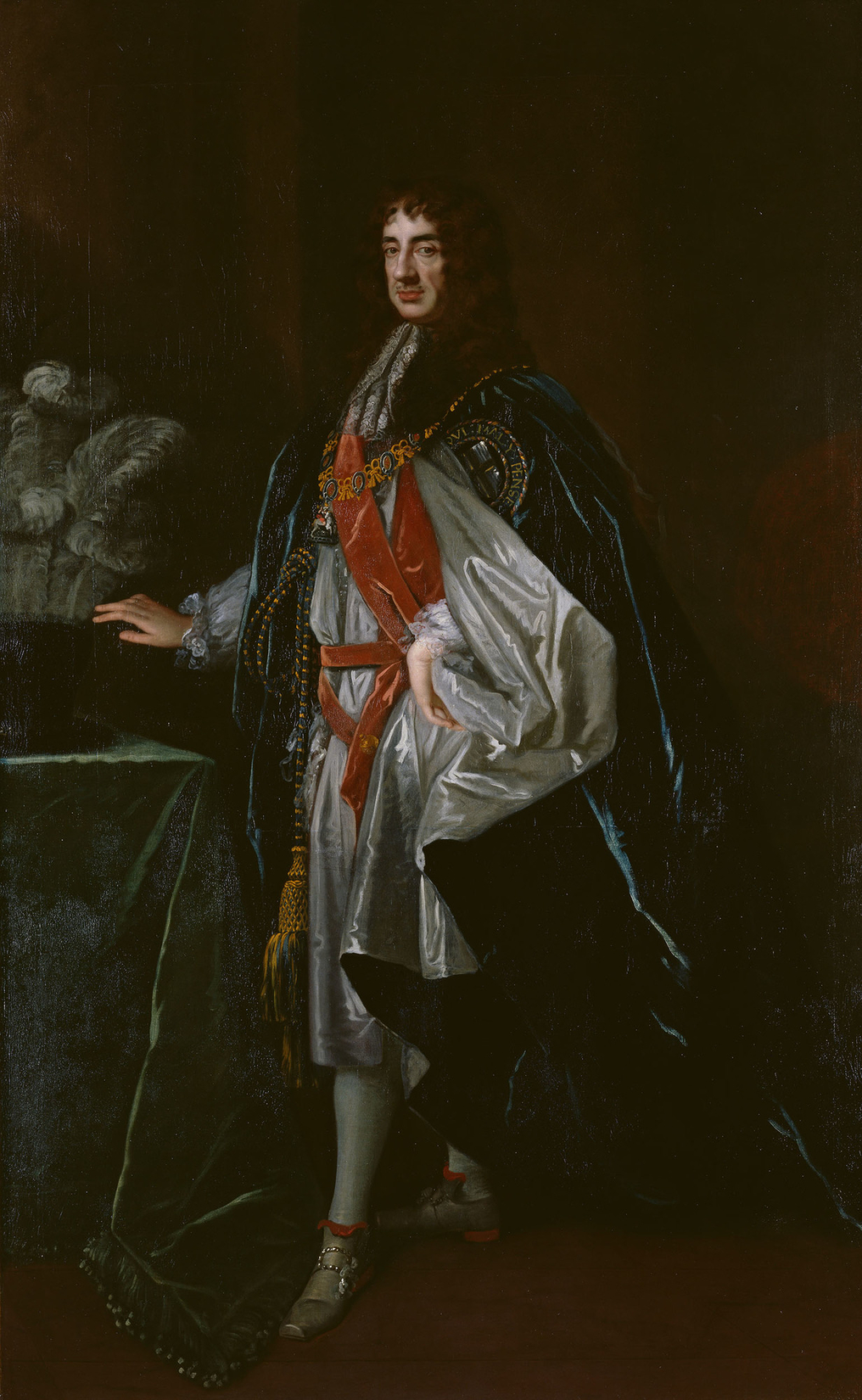
Portrait of Charles II of England
Peter Lely
 Painting
Primary source
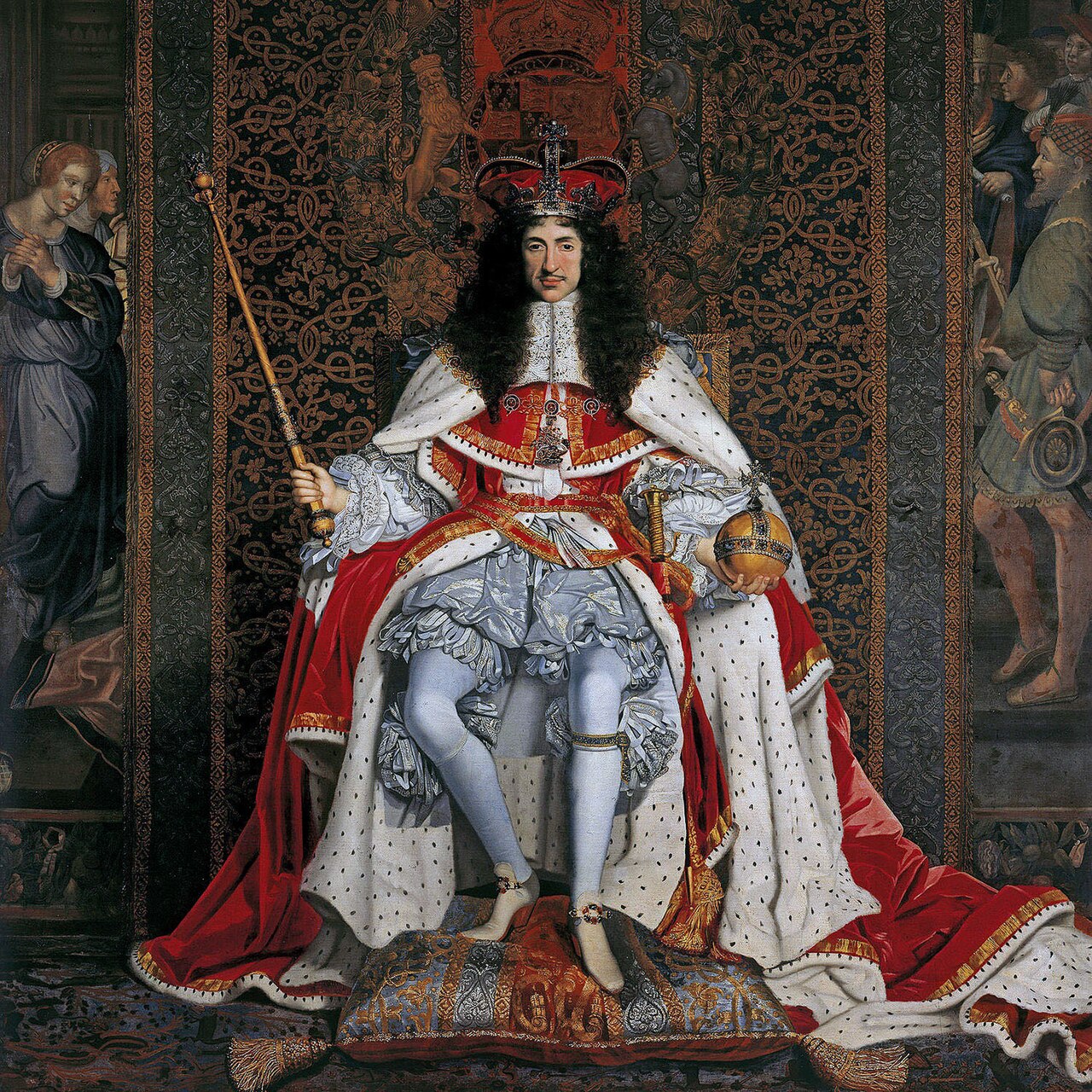
Charles II (1630-1685)
John Michael Wright · 1670
Free account
Read every Charles II source
Sign up free →
Ready when you are
Start chatting with Charles II now.
20 messages free · No credit card · Available in 50+ languages.