


Primary sourceDocument9 December 1924
Proclamation 1721: Wupatki National Monument
Calvin Coolidge · 9 December 1924
A December 1924 presidential proclamation signed by Coolidge that set aside the Wupatki prehistoric ruins in Arizona as a National Monument.
Coolidge signed this proclamation as President, so it shows his use of executive power to create a national monument.
About this source
What it is
This is a proclamation dated December 9, 1924, issued by the President of the United States. It sets apart two groups of prehistoric ruins about 30 miles northeast of Flagstaff, Arizona, as the Wupatki National Monument. The text names Calvin Coolidge as the President who issued it, and it cites the Act for the Preservation of American Antiquities of June 8, 1906. The text is available in a transcription on Wikisource.
Why it matters
The proclamation says the ruins were built by the ancestors of the Hopi, whom it calls the People of Peace. It shows how the federal government used presidential power to protect archaeological sites on public land. It also shows how the government, in this period, described Native American history mostly through the lens of the ruins themselves rather than the living peoples' own voices.
Look closer
- Which words does the proclamation use to describe the Hopi, and who chose those words?
- Why does the document claim the land for the government, and what does it suggest about who had authority over these lands?
- What does the text leave out about the Hopi people's own view of these ruins?
This document is part of the curated material that grounds the AI version of Calvin Coolidge on Humy.ai — when students ask about related events, the AI can quote it and cite it.
More Calvin Coolidge sources
Meet the AI Calvin Coolidge →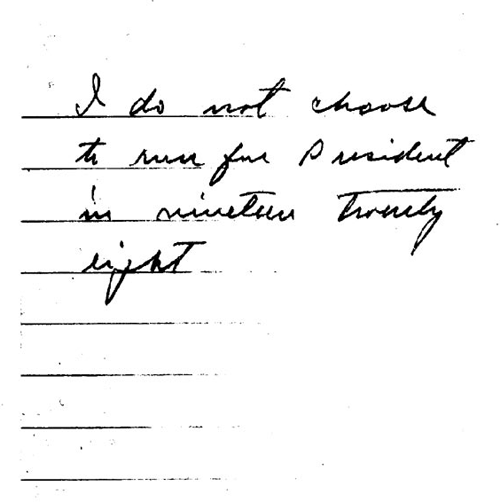 Document
Primary source
I Do Not Choose to Run
Calvin Coolidge · 2 August 1927
 Book
Primary source
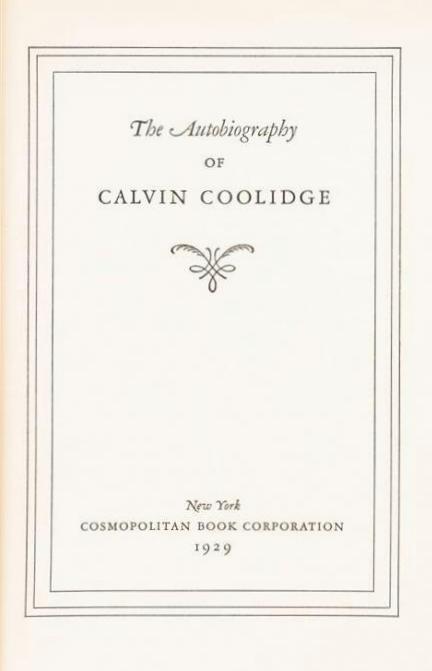
The Autobiography of Calvin Coolidge
Calvin Coolidge · 1929
 Speech
Primary source
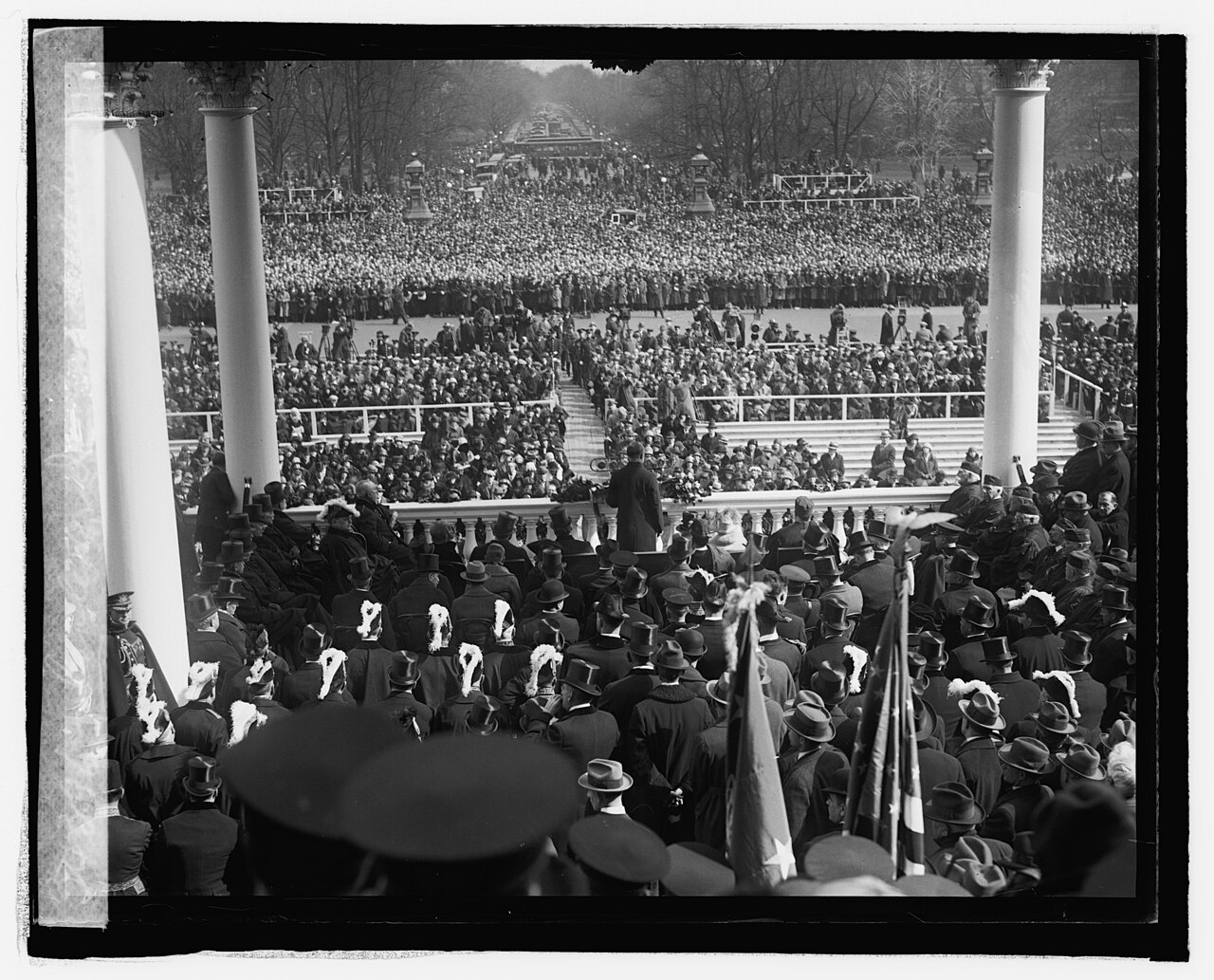
Second Inaugural Address of Calvin Coolidge
Calvin Coolidge · 4 March 1925
Primary source
President Coolidge, Taken on the White House Grounds
Lee de Forest · 1924
Primary source
Calvin Coolidge's 1920 Fourth of July Speech
4 July 1920
Ready when you are
Start chatting with Calvin Coolidge now.
20 messages free · No credit card · Available in 50+ languages.