


Primary sourceDocument11 January 1944
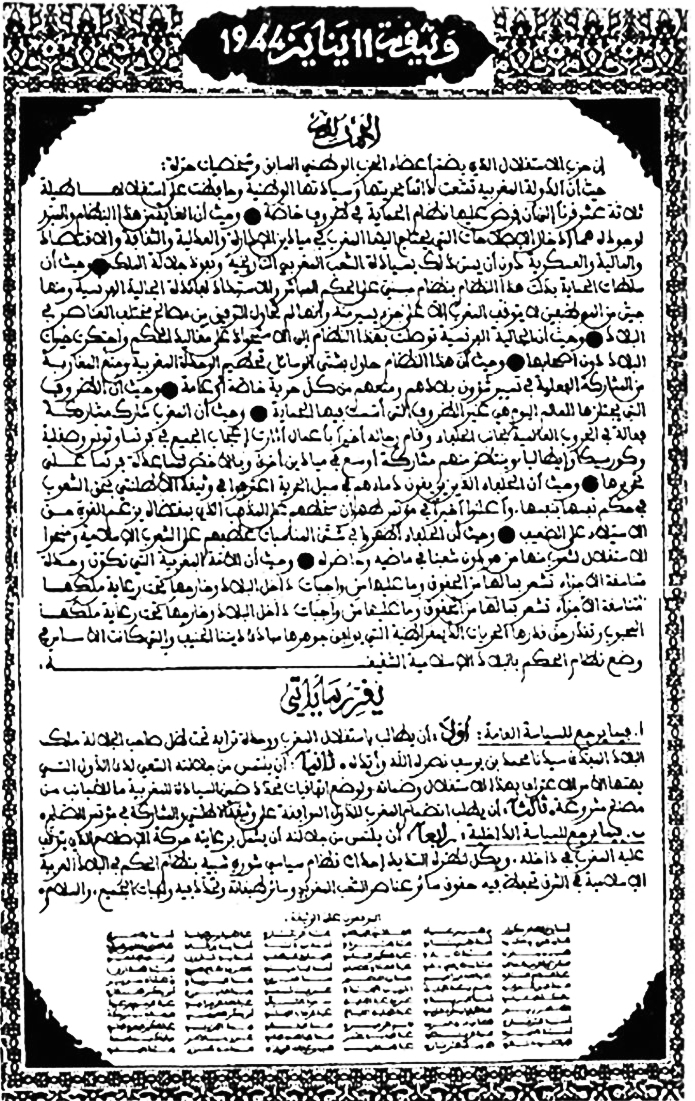
Proclamation of Independence of Morocco
Ahmed el Hamiani Khatat and Ahmed Bahnini · 11 January 1944
A 1944 manifesto in which Moroccan nationalists demanded independence for Morocco under Sultan Mohammed V and a constitutional government.
Nationalist leaders submitted this independence demand directly to Mohammed V, making him the symbolic centre of their movement.
About this source
What it is
This document, signed by 66 Moroccans on 11 January 1944, called for the full independence of Morocco under Sultan Mohammed V, along with a democratic constitutional government. It was drafted by lawyers of the newly founded Istiqlal (Independence) Party and presented publicly despite great risk under French colonial rule.
Why it matters
The proclamation marked the moment nationalist leaders of different backgrounds united and allied themselves with the sultan, turning him into a central national symbol. French authorities responded harshly, arresting and exiling signatories such as Ahmed Balafrej. The document was a major step on the long road to Moroccan independence, achieved in 1956.
Look closer
- Why do you think the nationalists chose to submit their demand to the sultan rather than act alone?
- What risks did the 66 signatories take, and what does that tell you about their conviction?
- How did the French reaction to this document show the limits of the sultan's own power?
This document is part of the curated material that grounds the AI version of Mohammed V of Morocco on Humy.ai — when students ask about related events, the AI can quote it and cite it.
More Mohammed V of Morocco sources
Browse all 73 →Primary source
Berber Dahir
16 May 1930
 Photograph
Primary source
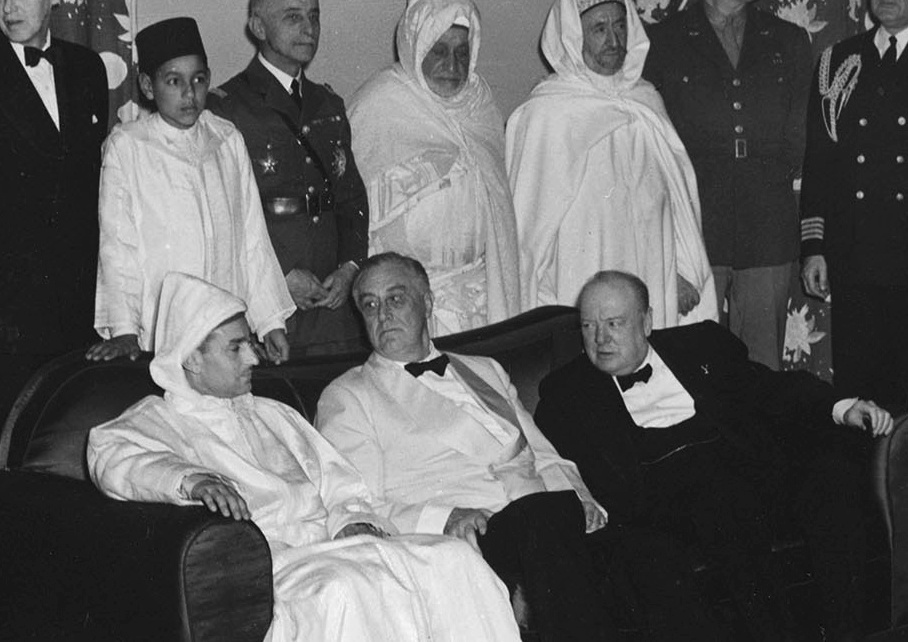
Dinner at the Casablanca Conference
Franklin D. Roosevelt Library via U.S. National Archives · January 1943
 Photograph
Primary source
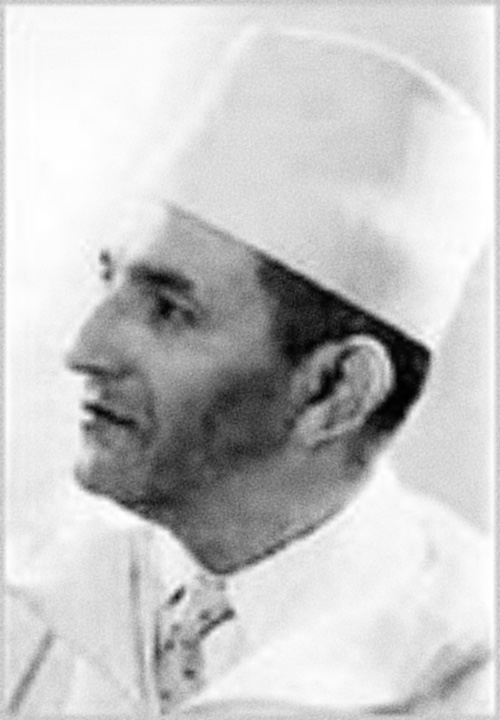
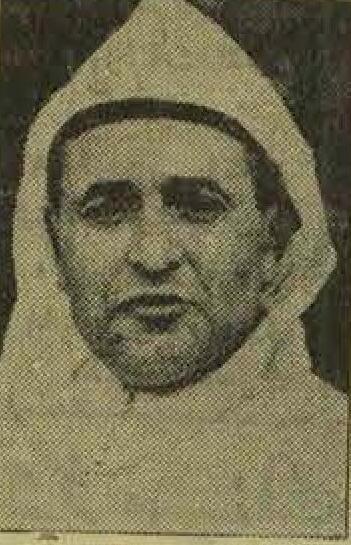
Mohammed V
Unknown
 Document
Primary source
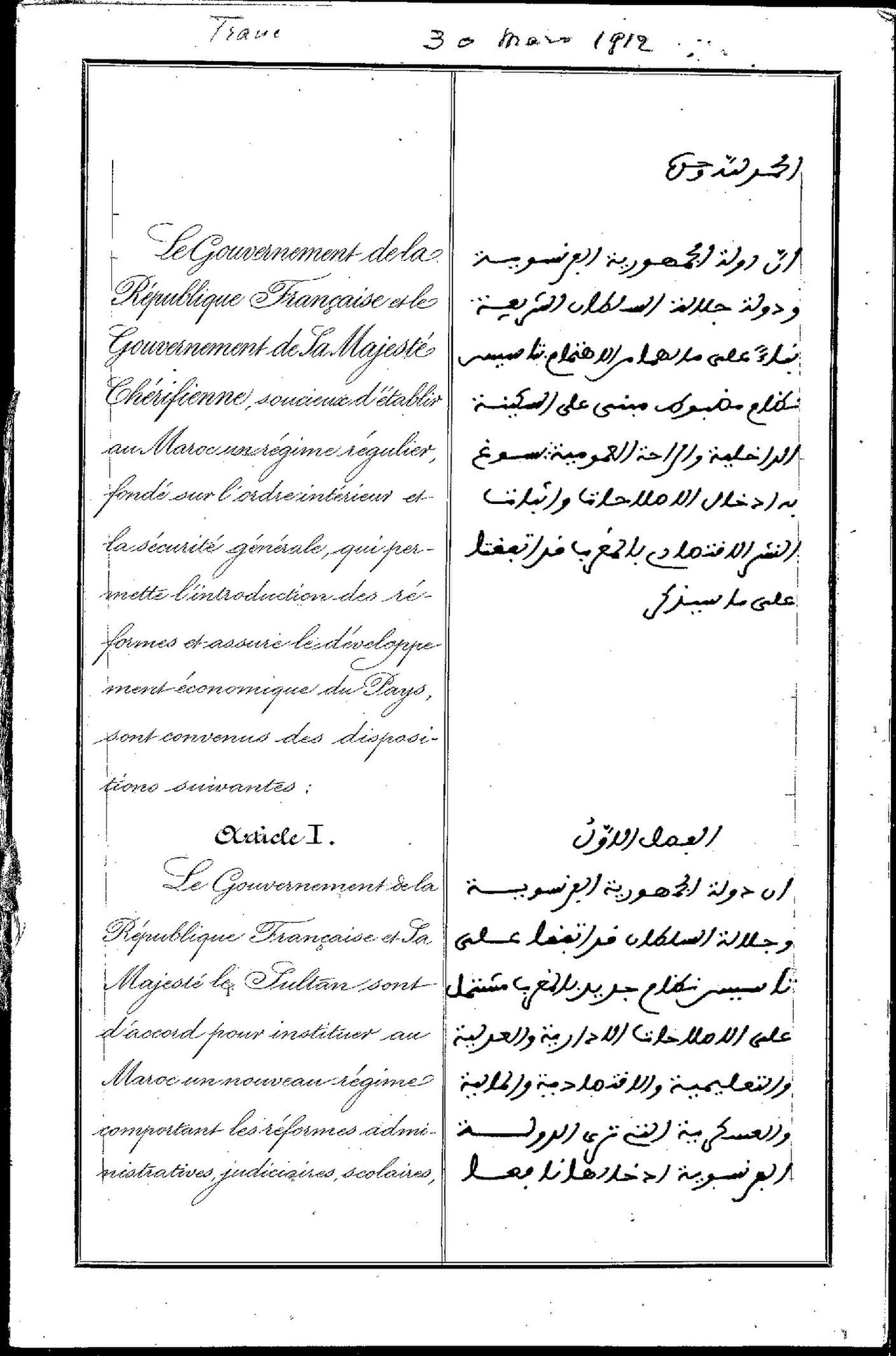
Treaty of Fes
30 March 1912
Free account
Read every Mohammed V of Morocco source
Sign up free →
Ready when you are
Start chatting with Mohammed V of Morocco now.
20 messages free · No credit card · Available in 50+ languages.