


Secondary sourcePainting1840
Progeny of King Edward III
Thomas Hollis and George Hollis · 1840
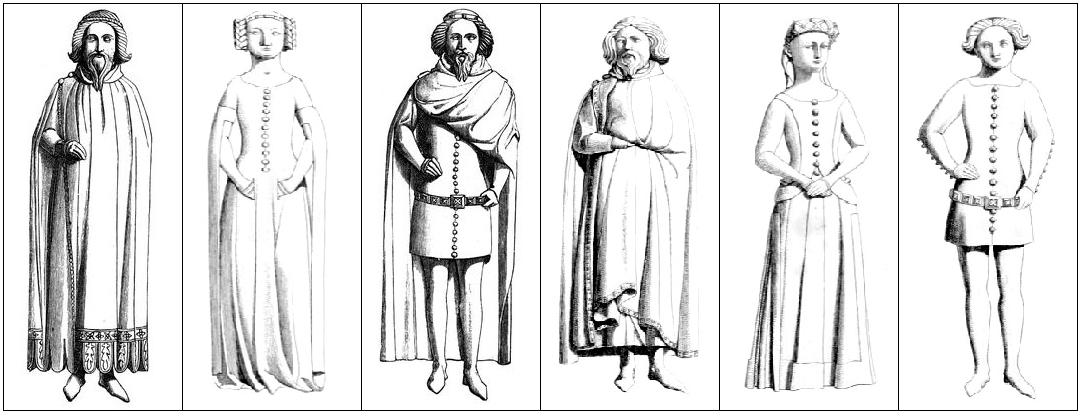
An 1840 drawing of the surviving brass effigies on Edward III's tomb at Westminster Abbey, showing several of John of Gaunt's siblings.
Depicts several of Gaunt's own siblings, children of Edward III, from their tomb monument.
About this source
What it is
This 1840 drawing by Thomas Hollis and George Hollis records six surviving brass statuettes from the tomb of King Edward III at Westminster Abbey. These figures represent some of Edward III's children, originally twelve statuettes in all.
Why it matters
The figures shown include the Black Prince, Joan, Lionel of Antwerp, and Edmund of Langley — all siblings of John of Gaunt. The tomb monument reflects how the royal family wanted to be remembered, and the surviving descendants' later claims to the throne, including through Lionel of Antwerp's line, shaped English history for generations.
Look closer
- Why do you think only six of the original twelve statuettes survived?
- What might the arrangement of royal children on a tomb tell us about how the family wanted to be remembered?
- How did the descendants of these siblings later compete for the English throne?
This painting is part of the curated material that grounds the AI version of John of Gaunt on Humy.ai — when students ask about related events, the AI can quote it and cite it.
More John of Gaunt sources
Browse all 49 → Document
Primary source
John of Gaunt's Register
Chancery of John of Gaunt, Duke of Lancaster · 1372–1383
 Book
Secondary source
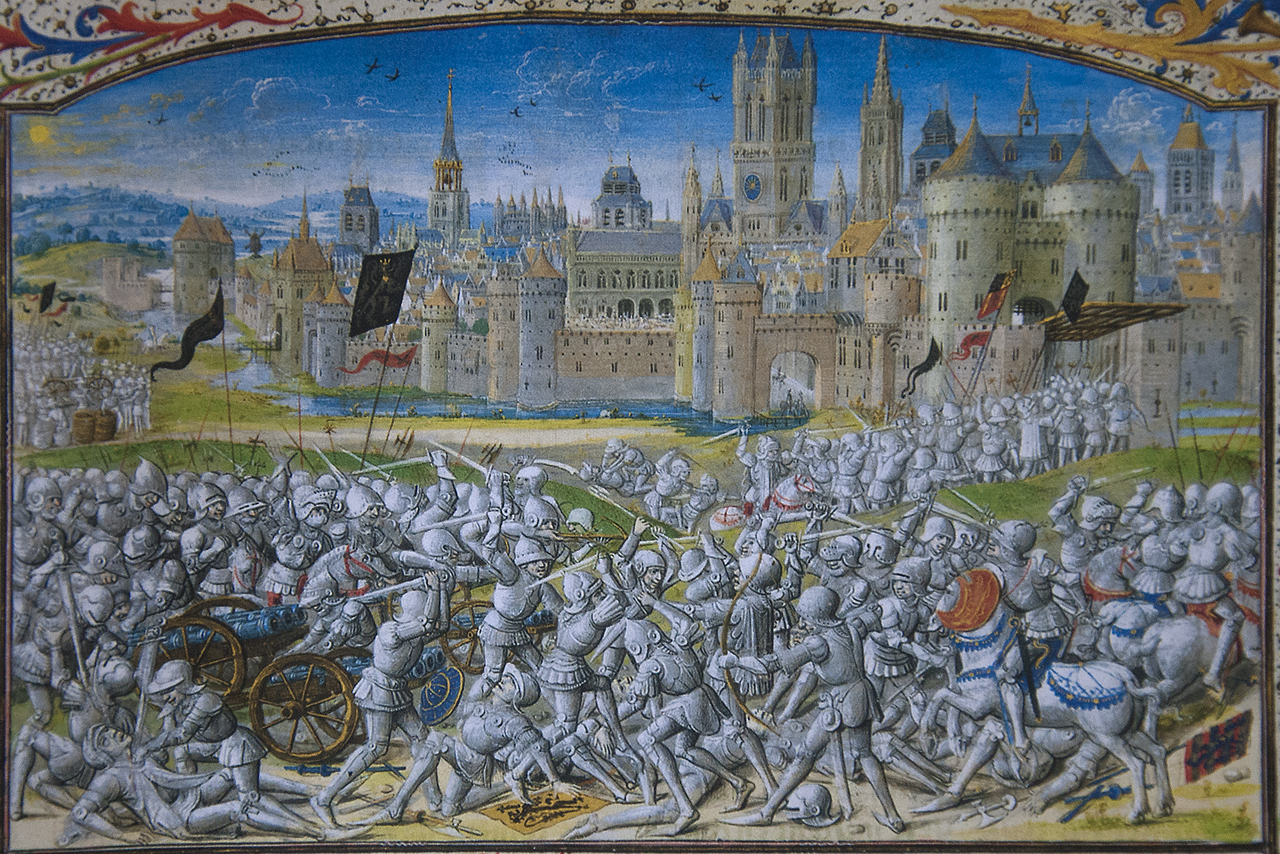
Froissart's Chronicles
Jean Froissart · 1369
 Book
Primary source
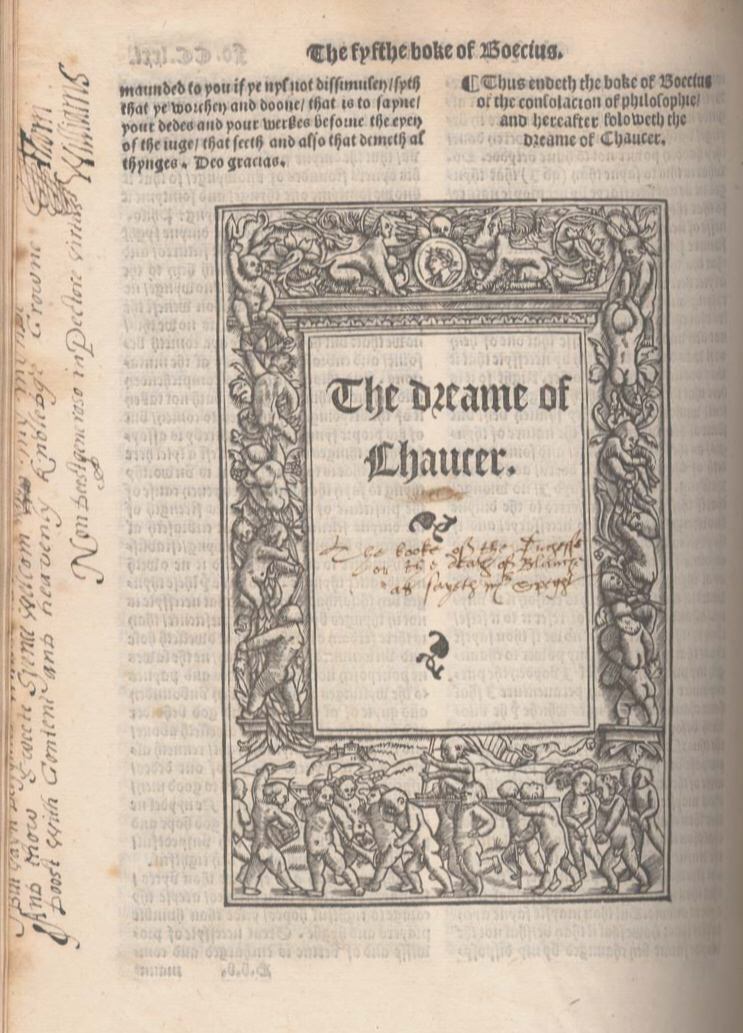
The Book of the Duchess
Geoffrey Chaucer · c. 1368-1372
 Document
Primary source
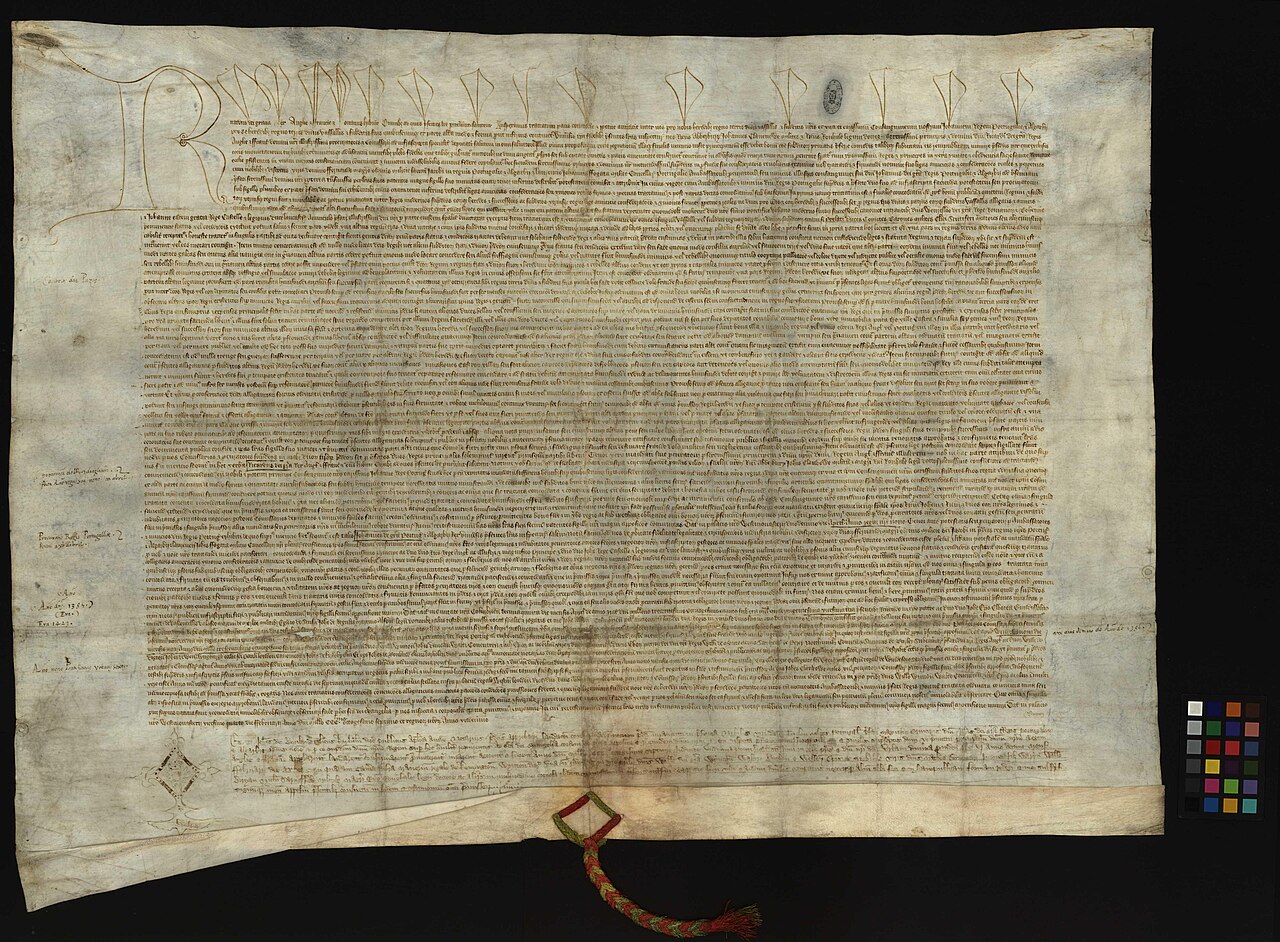
Treaty of Windsor
1386-1387
Free account
Read every John of Gaunt source
Sign up free →
Ready when you are
Start chatting with John of Gaunt now.
20 messages free · No credit card · Available in 50+ languages.