


Primary sourceBook1879
Progress and Poverty
Henry George · 1879
Henry George's 1879 book arguing that land values drive poverty alongside progress. It shaped Lazarus's Georgist activism and inspired her sonnet of the same name.
Lazarus's Georgist activism was shaped by this book, which she read as part of the reform ideas it spread.
About this source
What it is
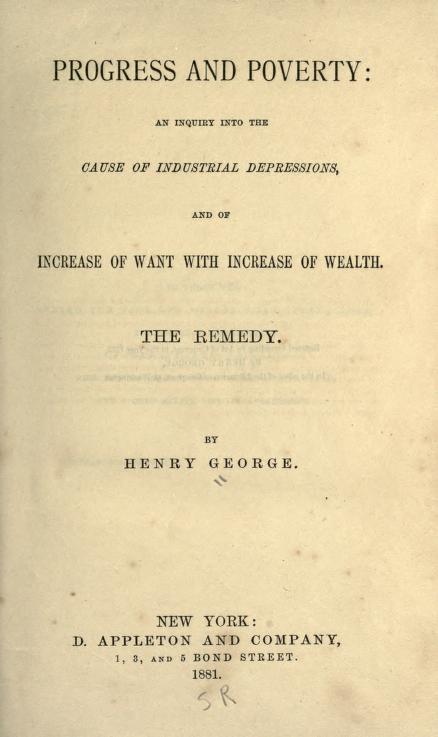
Progress and Poverty is an 1879 book by the American social theorist and economist Henry George. It asks why poverty exists alongside economic and technological progress, and why economies move through cycles of boom and bust. George argues for capturing economic rent from natural resources and land. The image shows the title page of the 1881 New York edition, published by D. Appleton and Company.
Why it matters
The book sold several million copies and helped spark the Progressive Era and a worldwide reform movement called Georgism. Jacob Riis dated the start of the Progressive Era awakening to 1879, the year of publication. The historian Eric F. Goldman wrote that many reformers of the 20th century had their thinking redirected by reading it. Karl Marx and Silvio Gesell criticized its theory of capital and interest. Lazarus was drawn to George's ideas, which is why the book sits in her archive.
Look closer
- What does George say causes poverty to grow even as wealth grows, and which evidence does he use?
- Why might an 1881 edition with an advertisement page be useful for understanding who the book was meant to reach?
- What problems does George leave out or treat lightly in his argument?
This book is part of the curated material that grounds the AI version of Emma Lazarus on Humy.ai — when students ask about related events, the AI can quote it and cite it.
More Emma Lazarus sources
Meet the AI Emma Lazarus →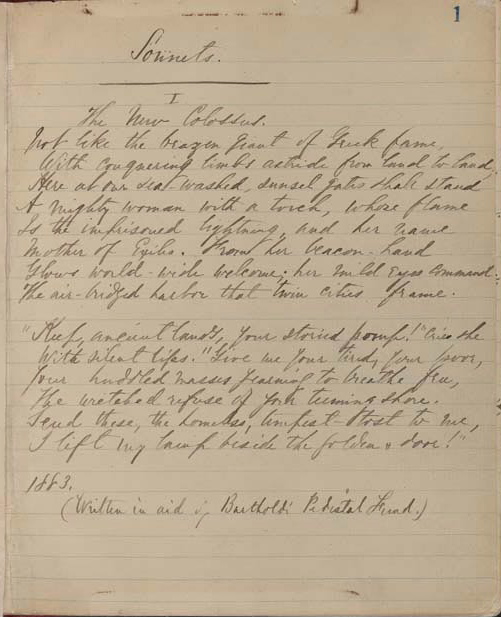 Document
Primary source
The New Colossus
Emma Lazarus · 1883
 Document
Primary source
Catalogue of the Pedestal Fund Art Loan Exhibition
Emma Lazarus; National Academy of Design · 1883
 Artifact
Primary source
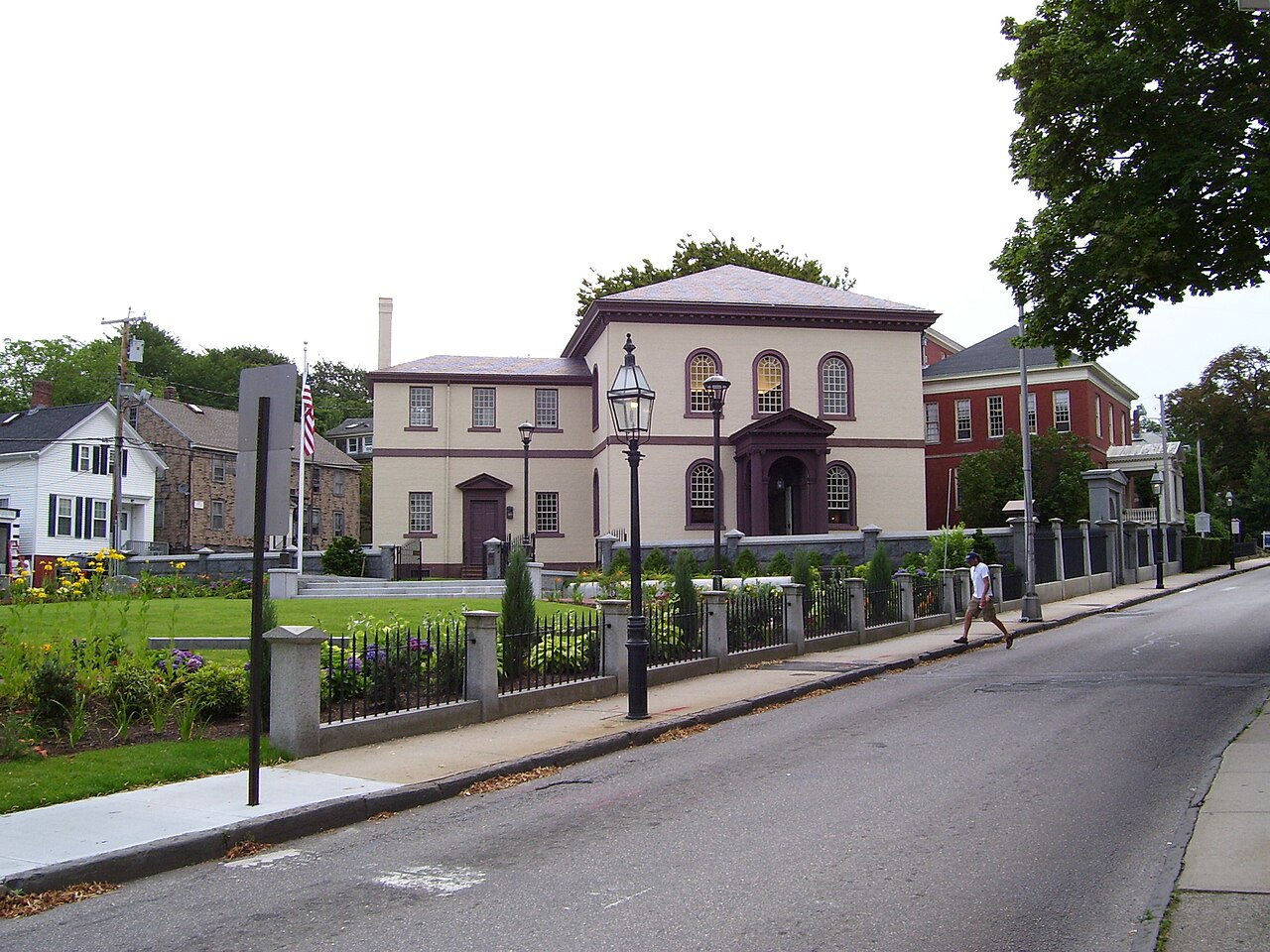
Touro Synagogue
Peter Harrison · 1759-1763
 Painting
Primary source
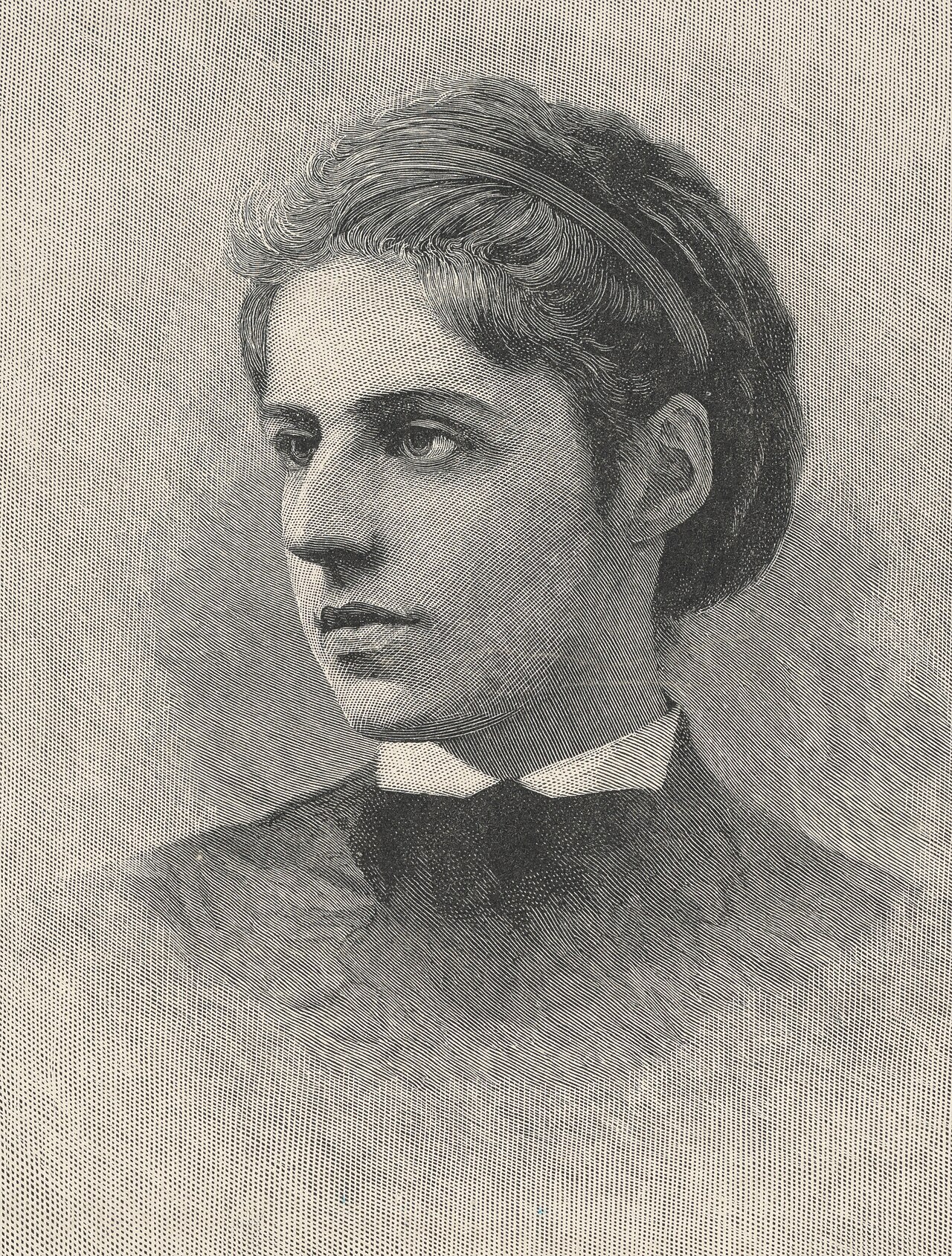
Portrait of Emma Lazarus
T. Johnson, after a photograph by William Kurtz
 Artifact
Secondary source
Statue of Liberty
Frédéric Auguste Bartholdi · 1886
Ready when you are
Start chatting with Emma Lazarus now.
20 messages free · No credit card · Available in 50+ languages.