


Primary sourceDocument1792
Pronouncement on Lamas
Qianlong Emperor · 1792
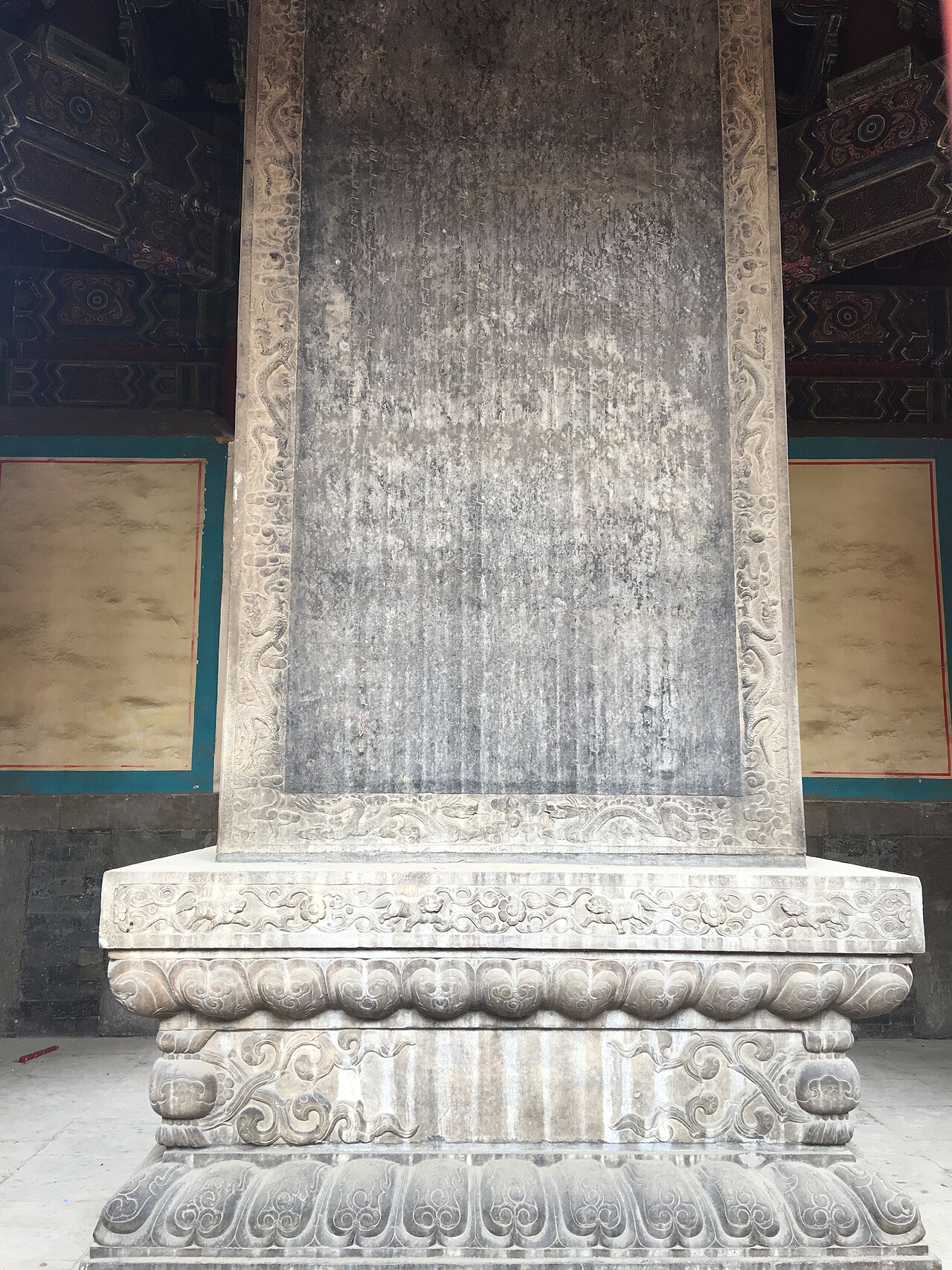
A 1792 stele inscription written by the Qianlong Emperor at the Yonghe Temple, explaining his policy for controlling Tibetan Buddhist reincarnation through the Golden Urn system.
This is the emperor's own written explanation of his policy for controlling the selection of Tibetan Buddhist leaders.
Free Humy account · No credit card · 120,912 sources to read
About this source
What it is
This is a stone stele inscribed with a text written by the Qianlong Emperor in 1792, standing today at the Yonghe Temple in Beijing. The inscription is carved in four languages and explains the history of Tibetan Buddhist lamas and the emperor's system for selecting reincarnated leaders using a golden urn.
Why it matters
In this text, Qianlong explains in his own words why the Qing court needed to oversee the selection of high Tibetan Buddhist leaders, linking religious authority to political control over Mongol and Tibetan peoples. It shows how the emperor used both patronage of Buddhism and direct intervention to manage the diverse peoples of his empire.
Look closer
- Why would an emperor write and display his own explanation of a religious policy?
- What reasons does he give for the Qing court's involvement in choosing Buddhist leaders?
- Why might the text be carved in four different languages?
This document is part of the curated material that grounds the AI version of Qianlong Emperor on Humy.ai — when students ask about related events, the AI can quote it and cite it.
More Qianlong Emperor sources
Browse all 75 →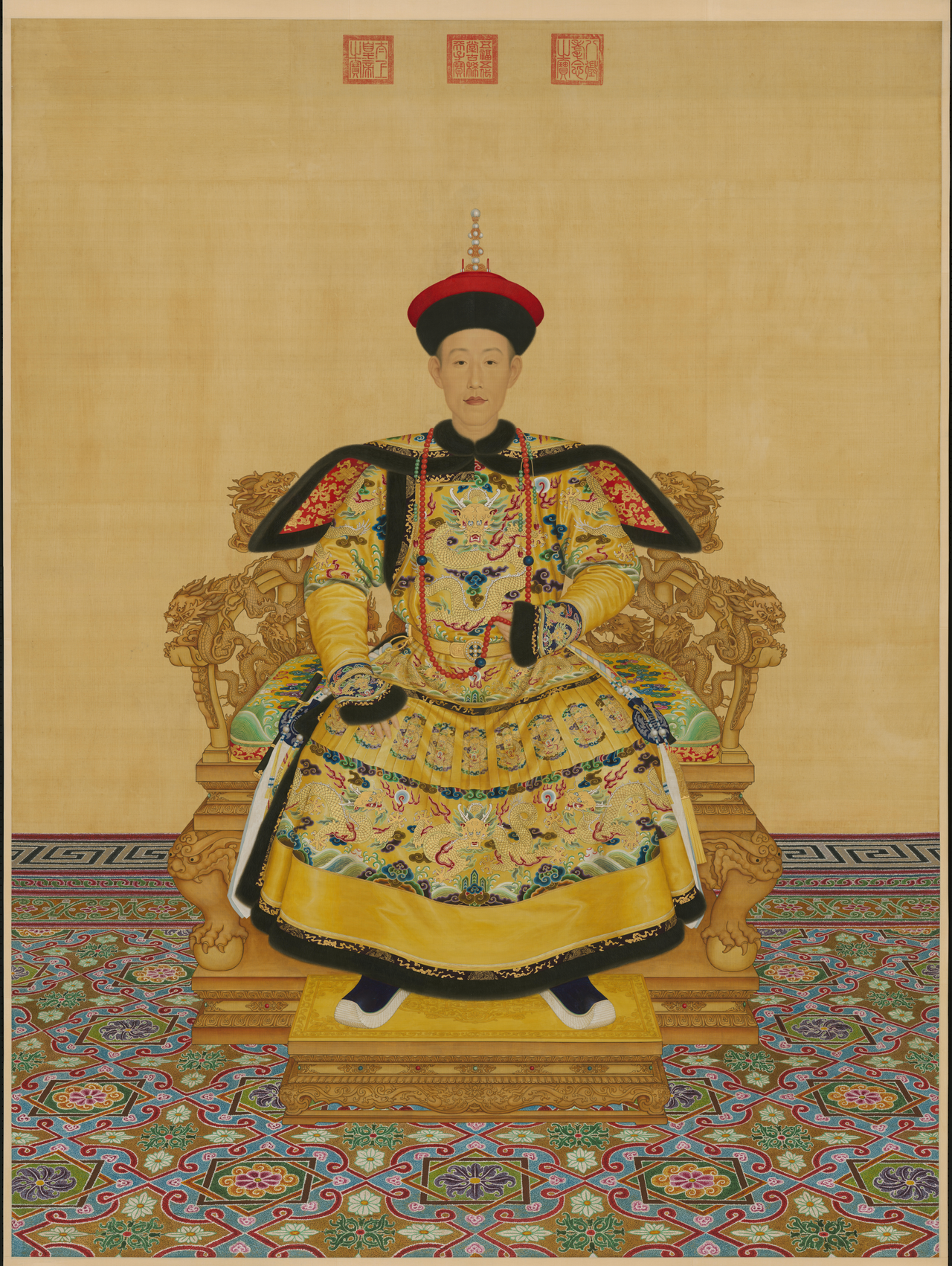 Painting
Primary source
Portrait of the Qianlong Emperor in Court Dress
Giuseppe Castiglione · 1736
 Painting
Primary source
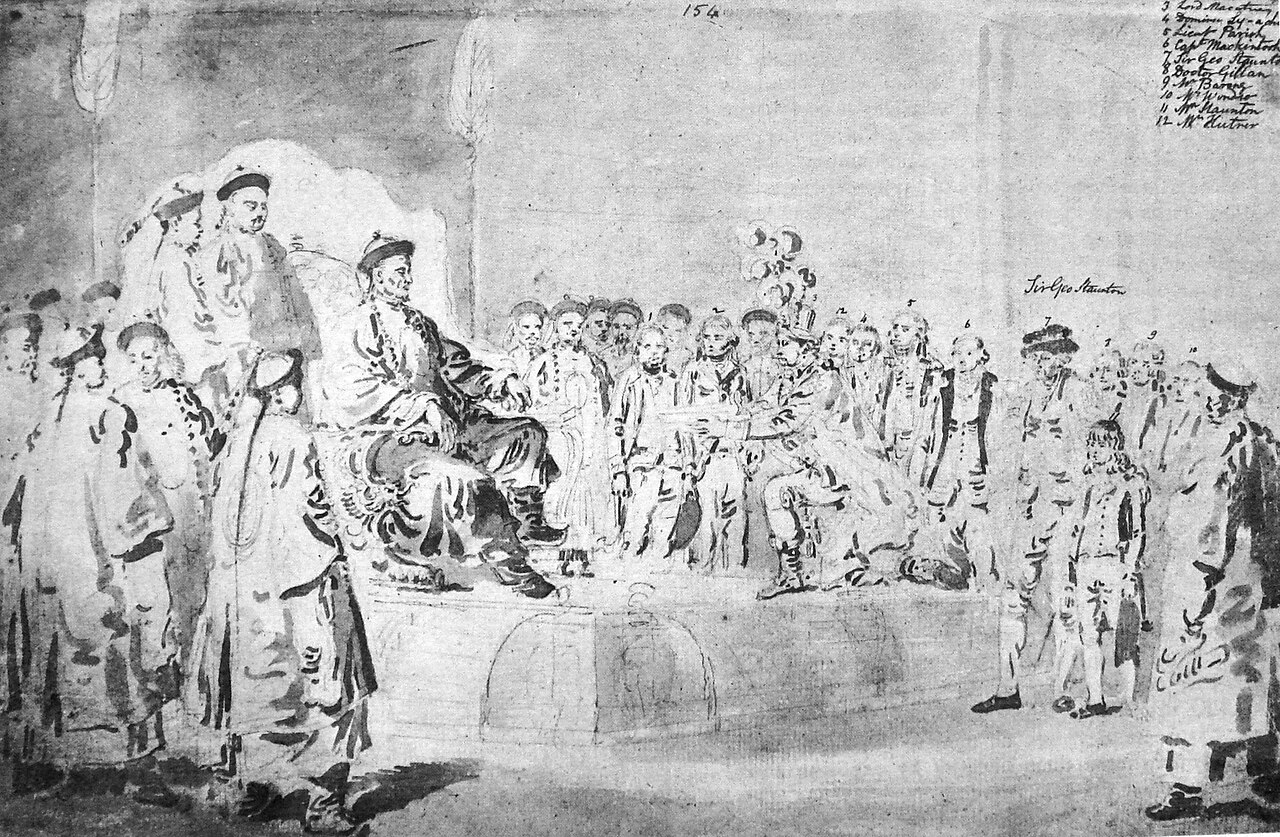
Lord Macartney's Embassy to China, 1793
William Alexander · 1793
 Painting
Primary source
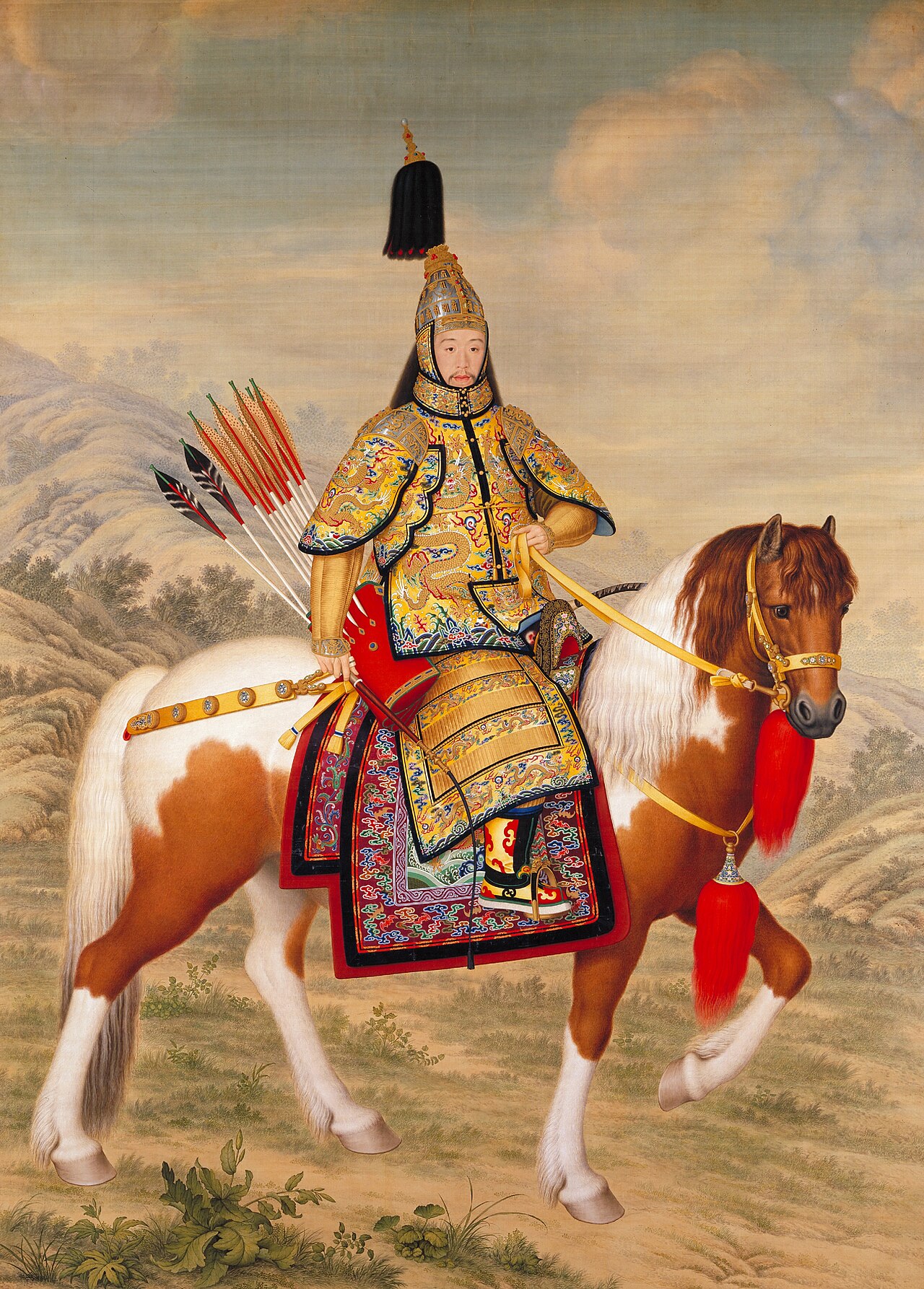
The Qianlong Emperor in Ceremonial Armor on Horseback
Giuseppe Castiglione · 1739
 Painting
Primary source
Portraits of Periodical Offering of the Imperial Qing
Xie Sui · 1759

Free account
Read every Qianlong Emperor source
Sign up free →
Ready when you are
Start chatting with Qianlong Emperor now.
20 messages free · No credit card · Available in 50+ languages.