


Primary sourceLetter
Proof that Every Integer is a Sum of Four Squares
Leonhard Euler
A translated excerpt of Euler's own proof in number theory, with later commentary on his broader achievements.
Euler's own letter proving a famous theorem in number theory, translated and introduced by later scholars.
Free Humy account · No credit card · 120,288 sources to read
About this source
What it is
This is an English translation of a letter by Leonhard Euler, originally written in Latin, proving that every integer can be written as a sum of four squares. The translation was prepared by Professor E. T. Bell and included in a 1929 source book on the history of mathematics, with an introduction describing Euler's wide-ranging achievements.
Why it matters
The text shows Euler's method of attacking a problem in number theory, a field he contributed to extensively. The accompanying introduction, written by a later scholar, highlights that Euler was not only a mathematician but also studied theology, medicine, botany, physics, chemistry, and languages, showing the extraordinary breadth of his learning.
Look closer
- Why might a translator choose to give a free translation rather than stick closely to Euler's original Latin wording?
- What does the long list of subjects Euler studied suggest about how scholars worked in the eighteenth century?
- How does reading a translation, with someone else's introduction, change how we understand Euler's original ideas?
This letter is part of the curated material that grounds the AI version of Leonhard Euler on Humy.ai — when students ask about related events, the AI can quote it and cite it.
More Leonhard Euler sources
Browse all 78 →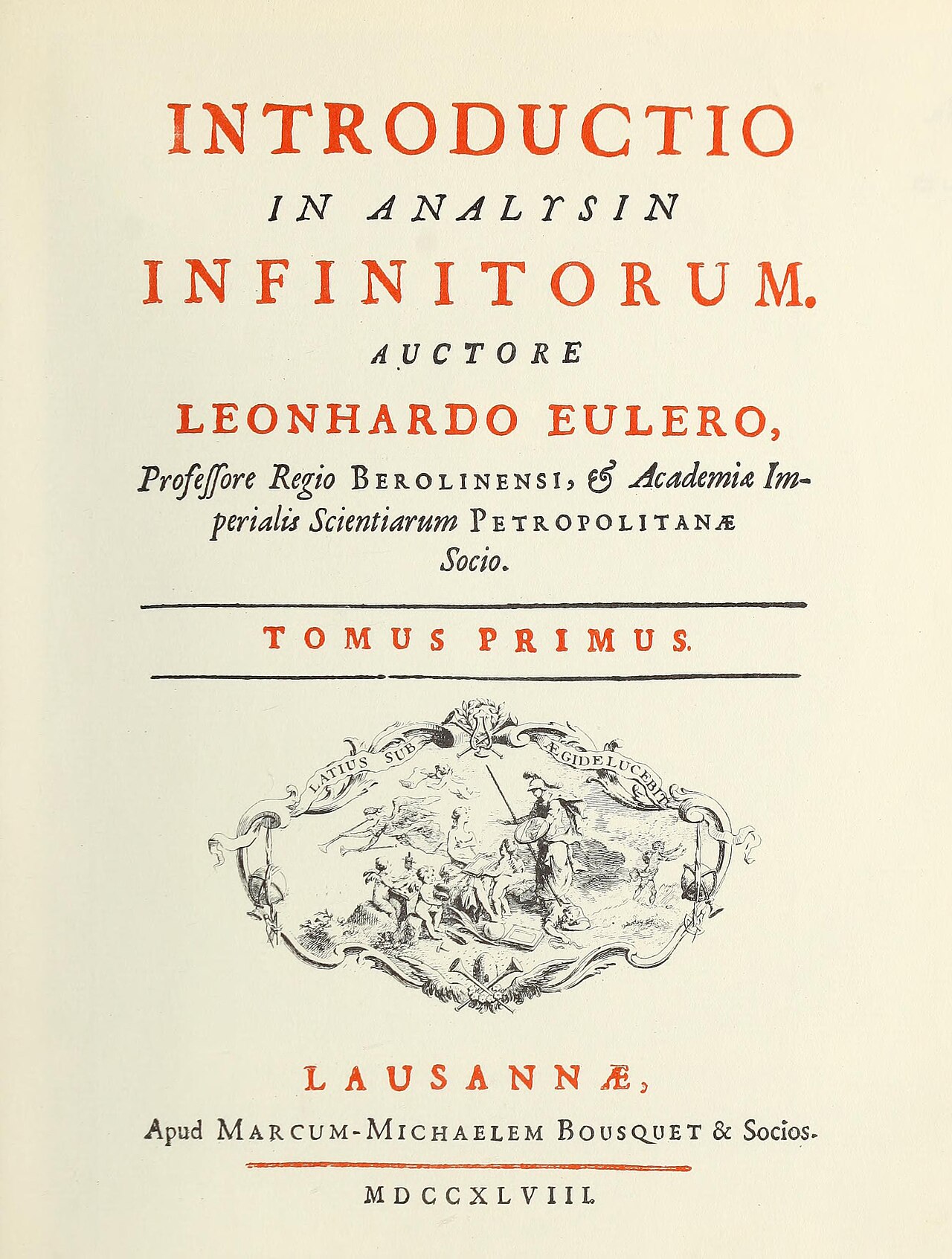 Book
Primary source
Introductio in analysin infinitorum
Leonhard Euler · 1748
 Painting
Primary source
Portrait of Leonhard Euler
Jakob Emanuel Handmann · 1753
 Document
Primary source
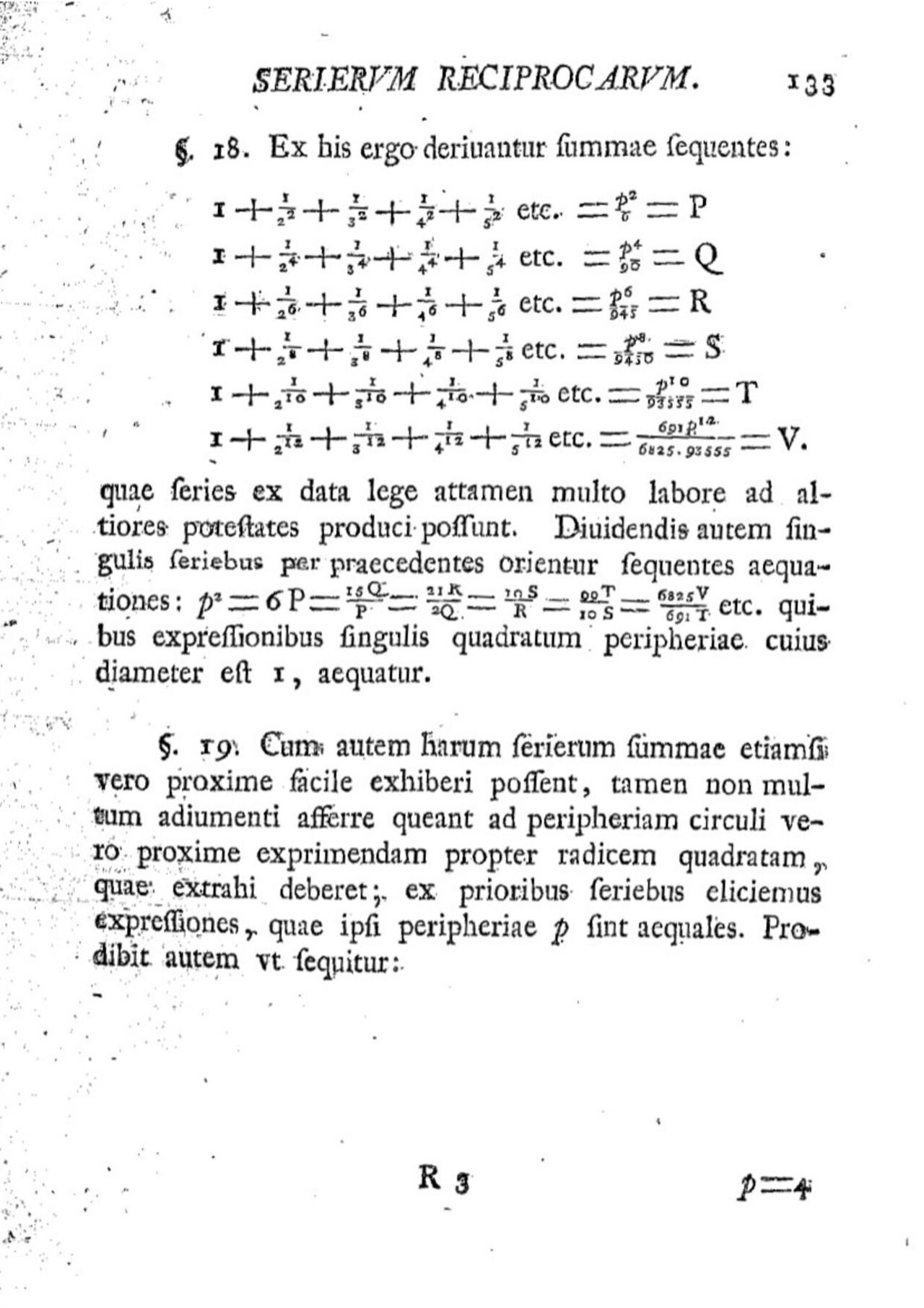
De summis serierum reciprocarum
Leonhard Euler
 Painting
Primary source
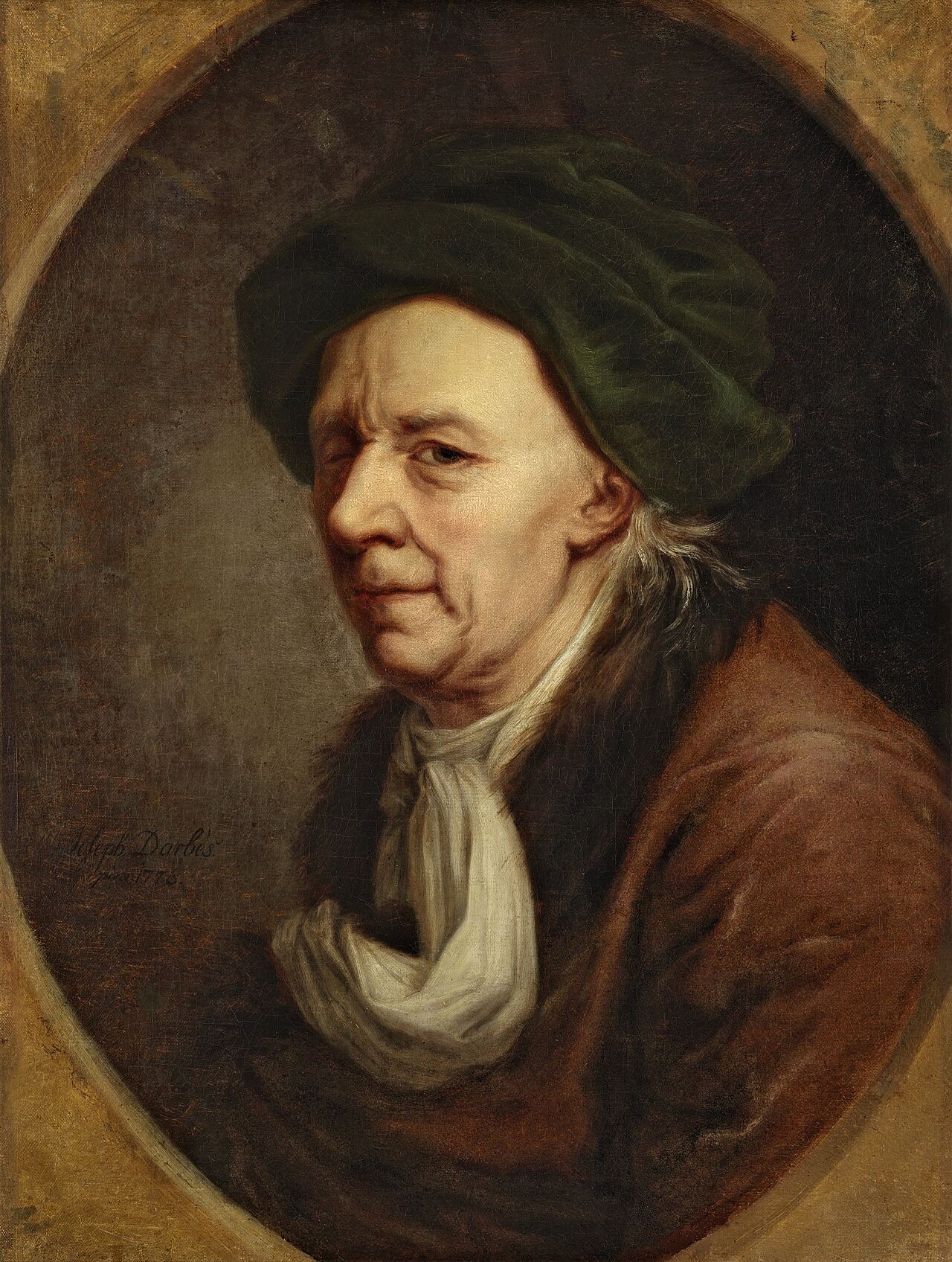
Leonhard Euler
Joseph Friedrich August Darbes · 1778

Free account
Read every Leonhard Euler source
Sign up free →
Ready when you are
Start chatting with Leonhard Euler now.
20 messages free · No credit card · Available in 50+ languages.