


Primary sourceArtifact436 BCE
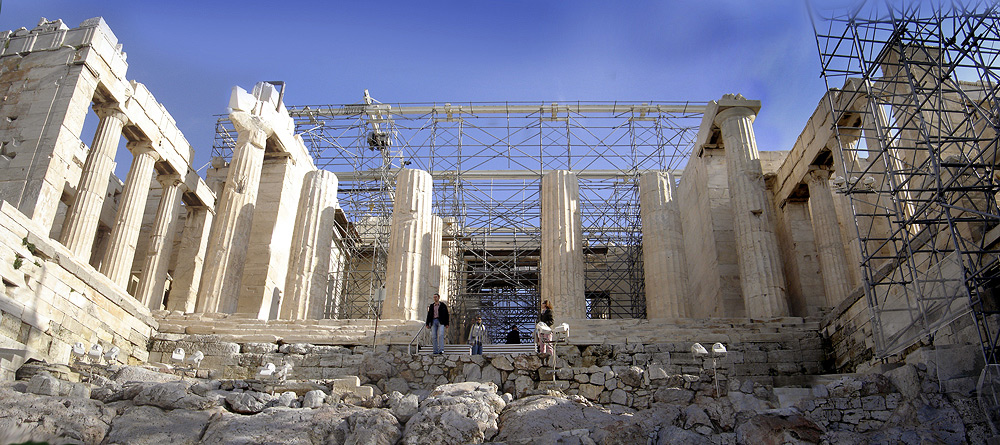
Propylaea of Athens
Mnesicles · 436 BCE
The monumental marble gateway to the Acropolis, commissioned by Pericles as part of his building programme and left unfinished when war broke out.
Pericles commissioned the Propylaea as part of his building programme for the Acropolis.
About this source
What it is
The Propylaea is the grand ceremonial gateway to the Acropolis of Athens, designed by the architect Mnesicles. It was built in the 430s BC as part of the building programme sponsored by Pericles. The structure still stands, in ruined and unfinished form, on the Acropolis in Athens.
Why it matters
The Propylaea shows the ambition of Pericles' building programme, which aimed to make Athens a showcase of power and wealth after the Persian Wars. Its unfinished state, with construction abandoned at the outbreak of war, is a physical reminder of how Athenian plans were disrupted by conflict. It also reveals the skill of Mnesicles as an architect working under Pericles' patronage.
Look closer
- What signs in the ruins suggest the building was never completed?
- Why might a leader like Pericles want such a grand gateway to a sacred site?
- What does the scale of the building tell you about Athens' resources at the time?
This artifact is part of the curated material that grounds the AI version of Pericles on Humy.ai — when students ask about related events, the AI can quote it and cite it.
More Pericles sources
Meet the AI Pericles →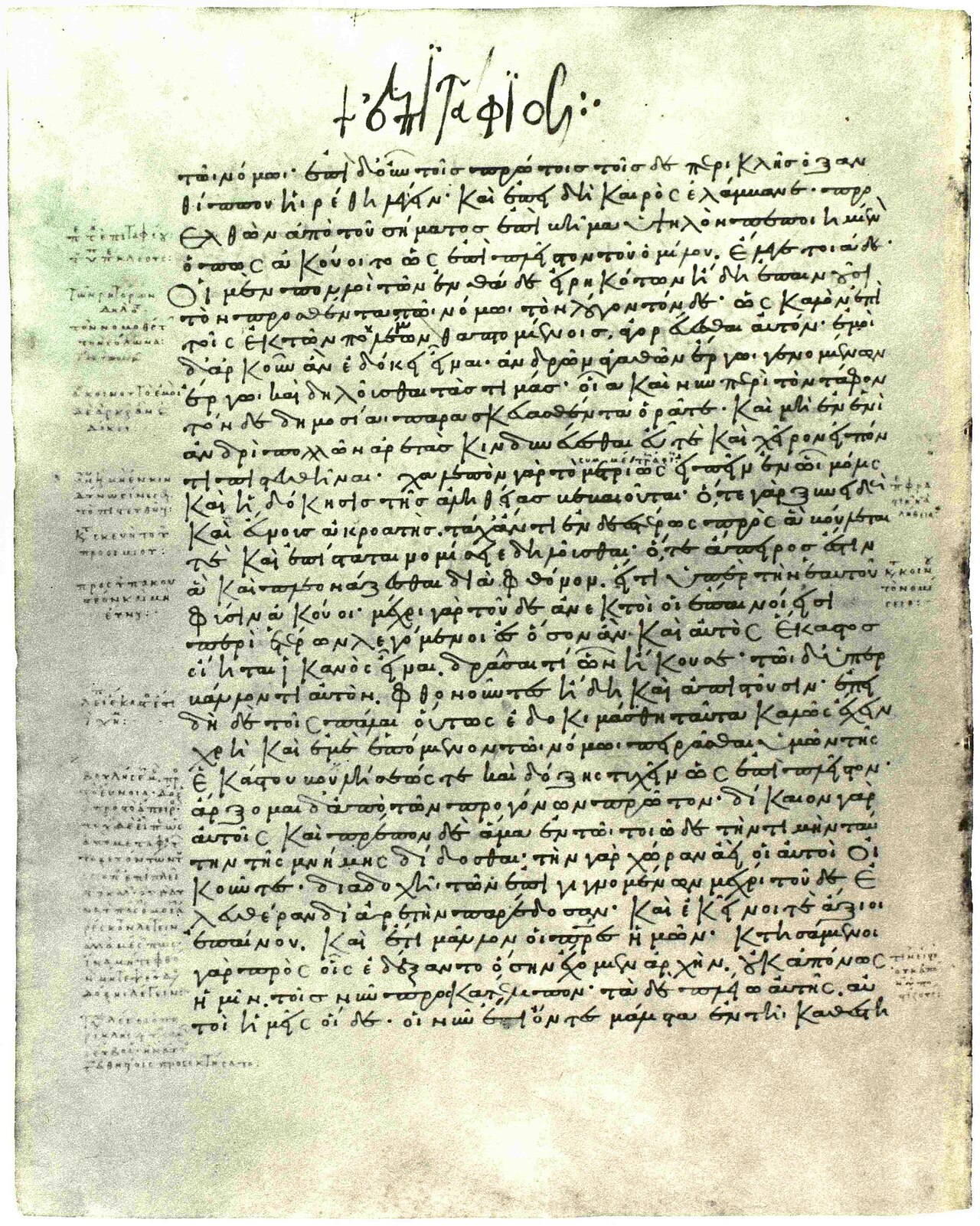 Speech
Secondary source
Pericles' Funeral Oration
Thucydides · 431/430 BCE
 Artifact
Primary source
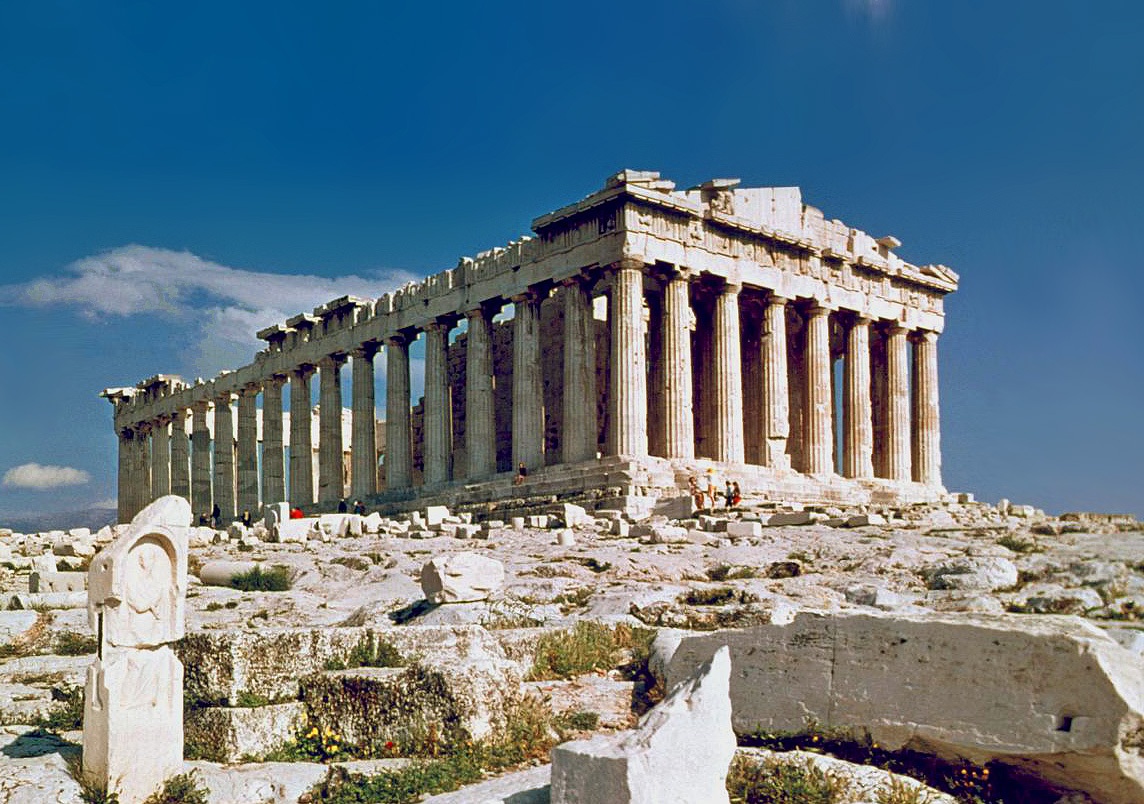
Parthenon
447-432 BCE
 Sculpture
Secondary source
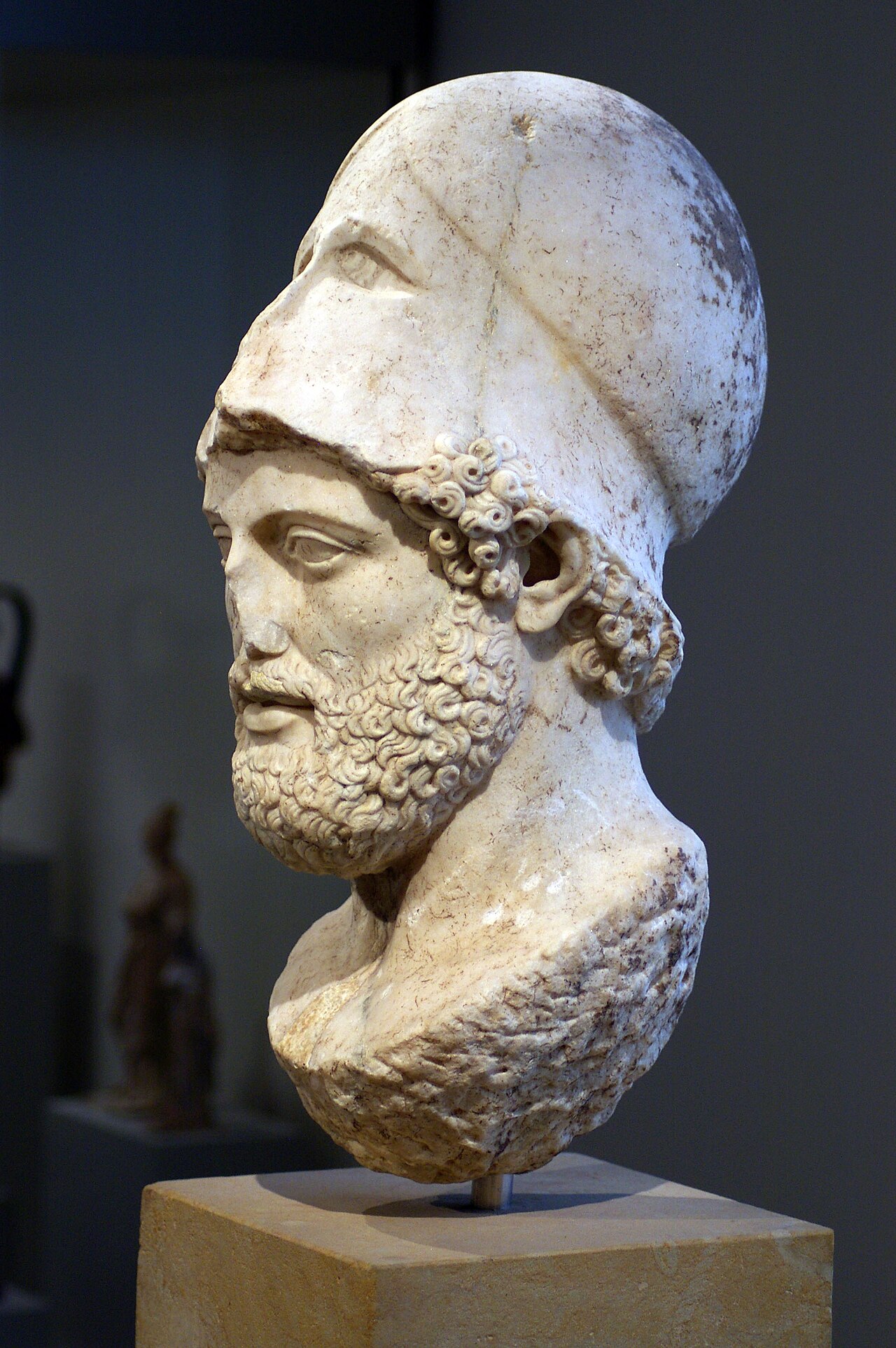
Pericles with the Corinthian Helmet
Kresilas · Roman copy, from a Greek original near Pericles' lifetime
 Book
Primary source
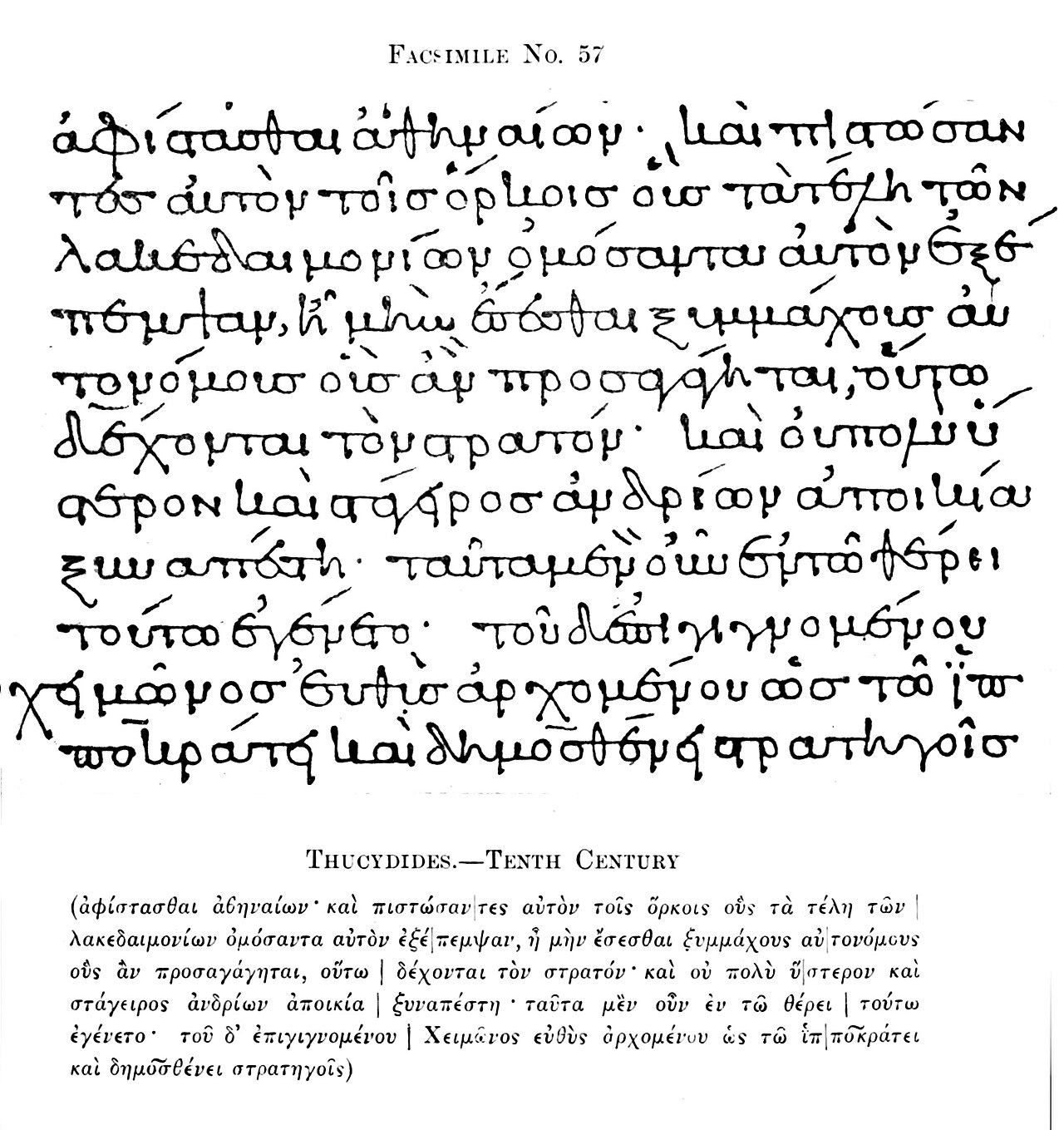
History of the Peloponnesian War
Thucydides · 5th century BCE
Secondary source
Life of Pericles
Plutarch
Ready when you are
Start chatting with Pericles now.
20 messages free · No credit card · Available in 50+ languages.