


Primary sourceDocument1747
Protocol of Lomonosov's Laboratory Supervision
1747
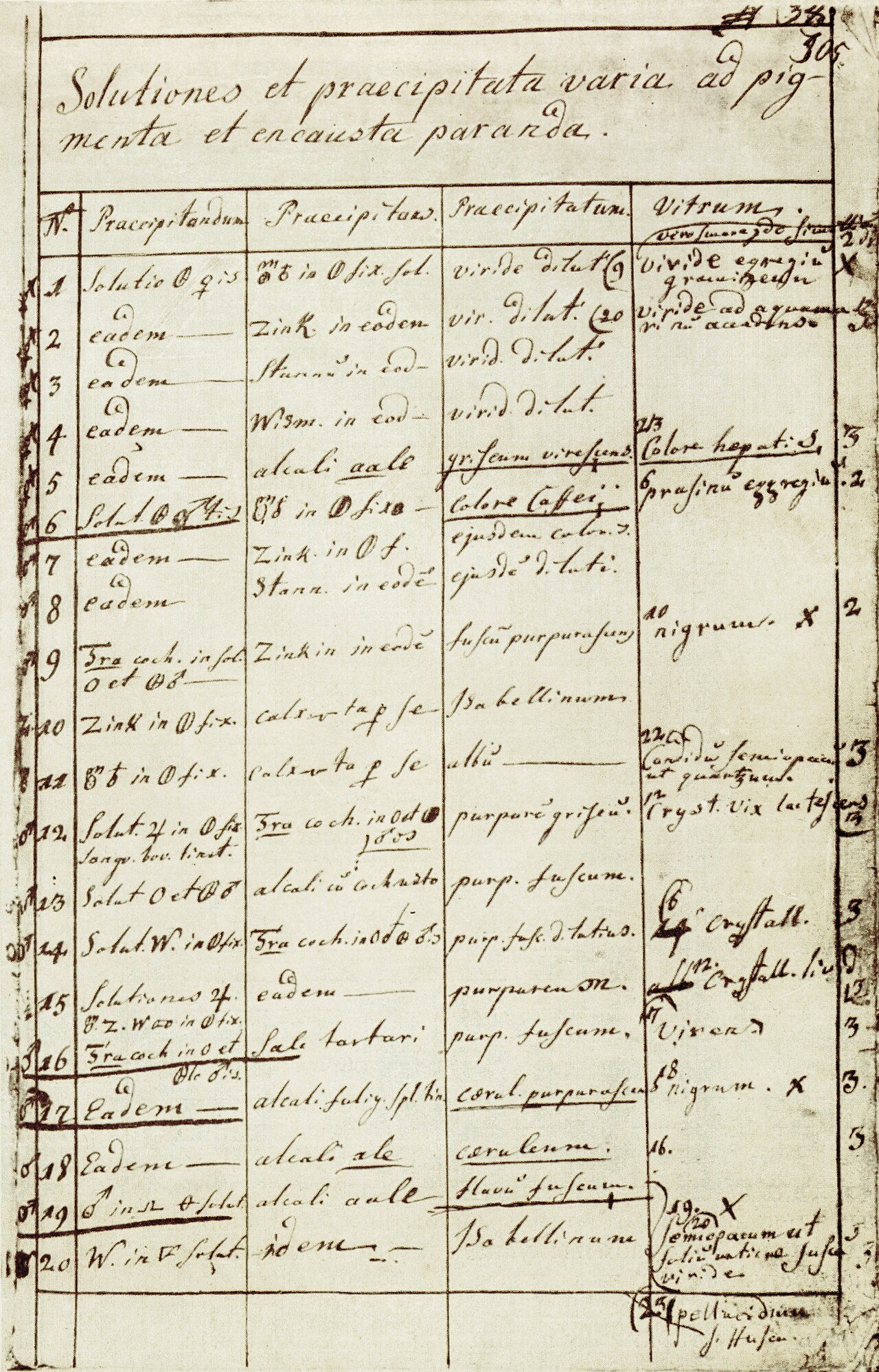
A 1747 administrative record from the first chemistry laboratory of the Russian Academy of Sciences, founded under Lomonosov.
This laboratory record comes from the chemistry laboratory Lomonosov founded and supervised at the Russian Academy of Sciences.
About this source
What it is
This is a handwritten manuscript table, titled in Latin, listing solutions, precipitates and colours used to prepare pigments and enamels, dated 1747. Its author is unknown, but it records activity in the laboratory Lomonosov established.
Why it matters
This protocol documents the everyday working records of the first chemistry laboratory of the Russian Academy of Sciences, which Lomonosov founded. It shows the practical, hands-on side of 18th-century chemistry, including the preparation of pigments, and the administrative supervision Lomonosov provided over this early scientific institution.
Look closer
- What does the detailed listing of solutions and colours tell you about how chemistry was recorded at the time?
- Why might a laboratory record be useful evidence even though its author is unknown?
- What does this document not tell us about the people who actually did the experiments?
This document is part of the curated material that grounds the AI version of Mikhail Lomonosov on Humy.ai — when students ask about related events, the AI can quote it and cite it.
More Mikhail Lomonosov sources
Browse all 58 →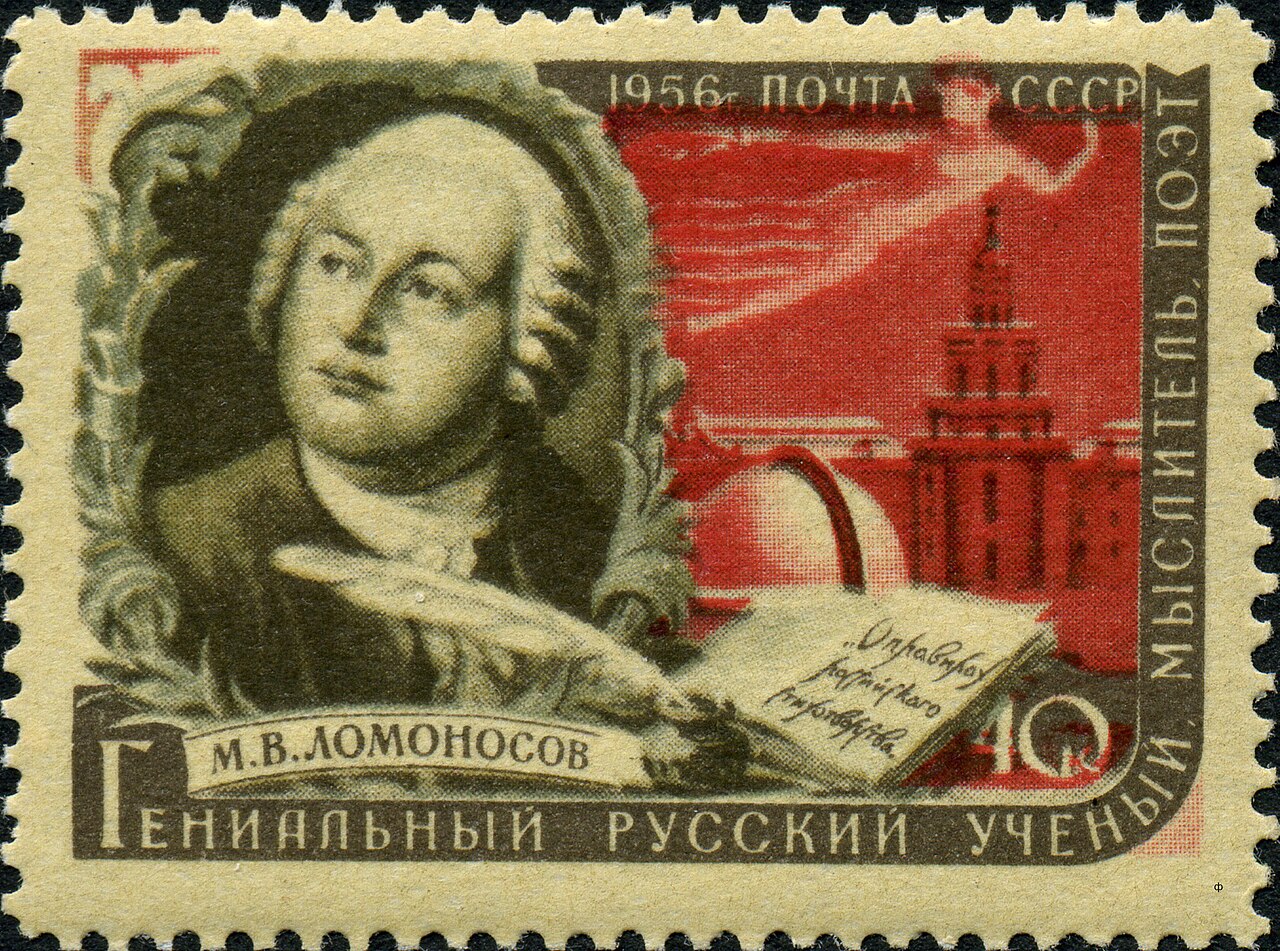 Document
Primary source
Letter on the Rules of Russian Versification
Mikhail Lomonosov · 1739
 Letter
Primary source
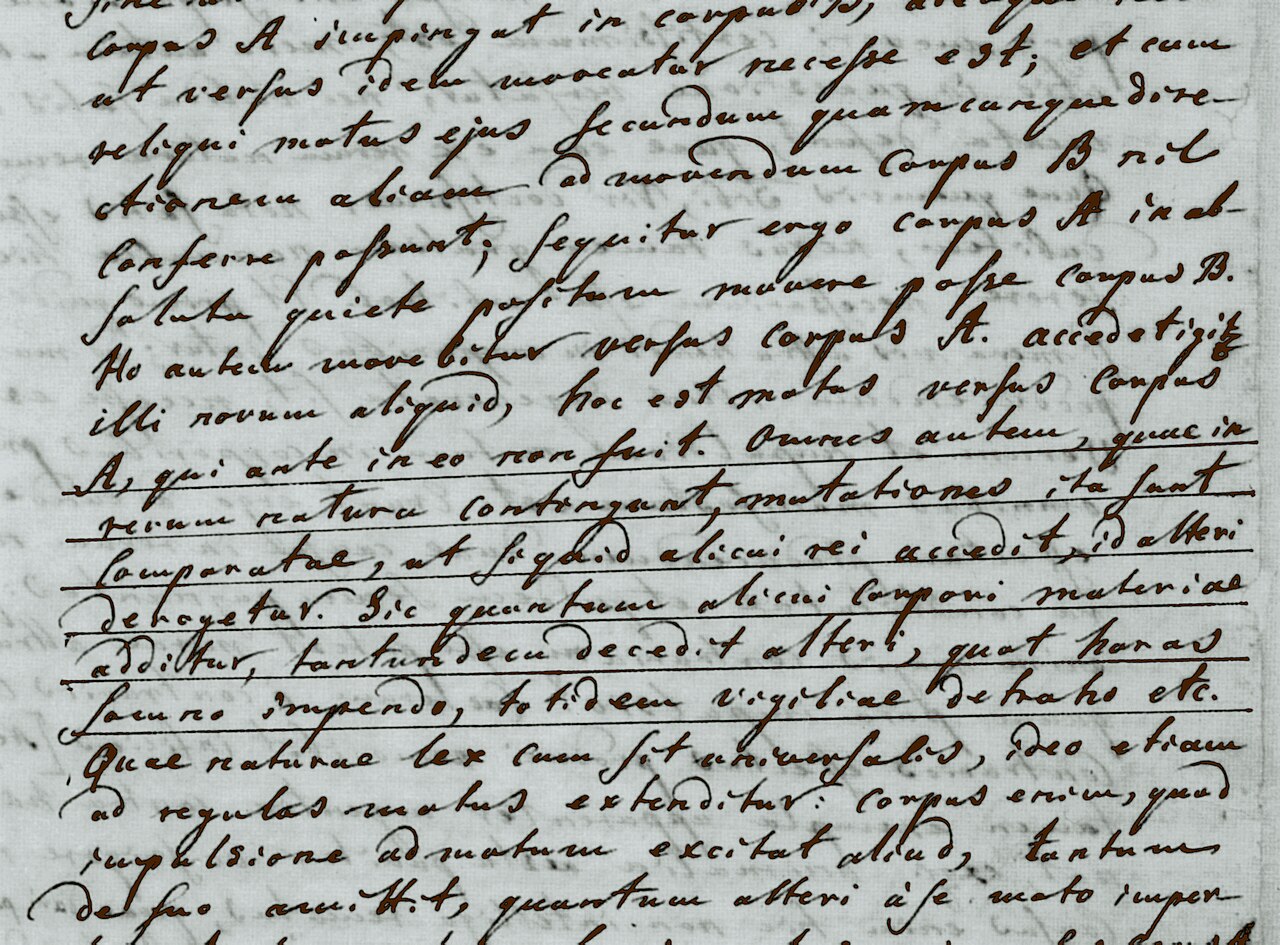
Letter to Leonhard Euler on Conservation of Matter and Motion
Mikhail Lomonosov · 5 July 1748
 Artifact
Primary source
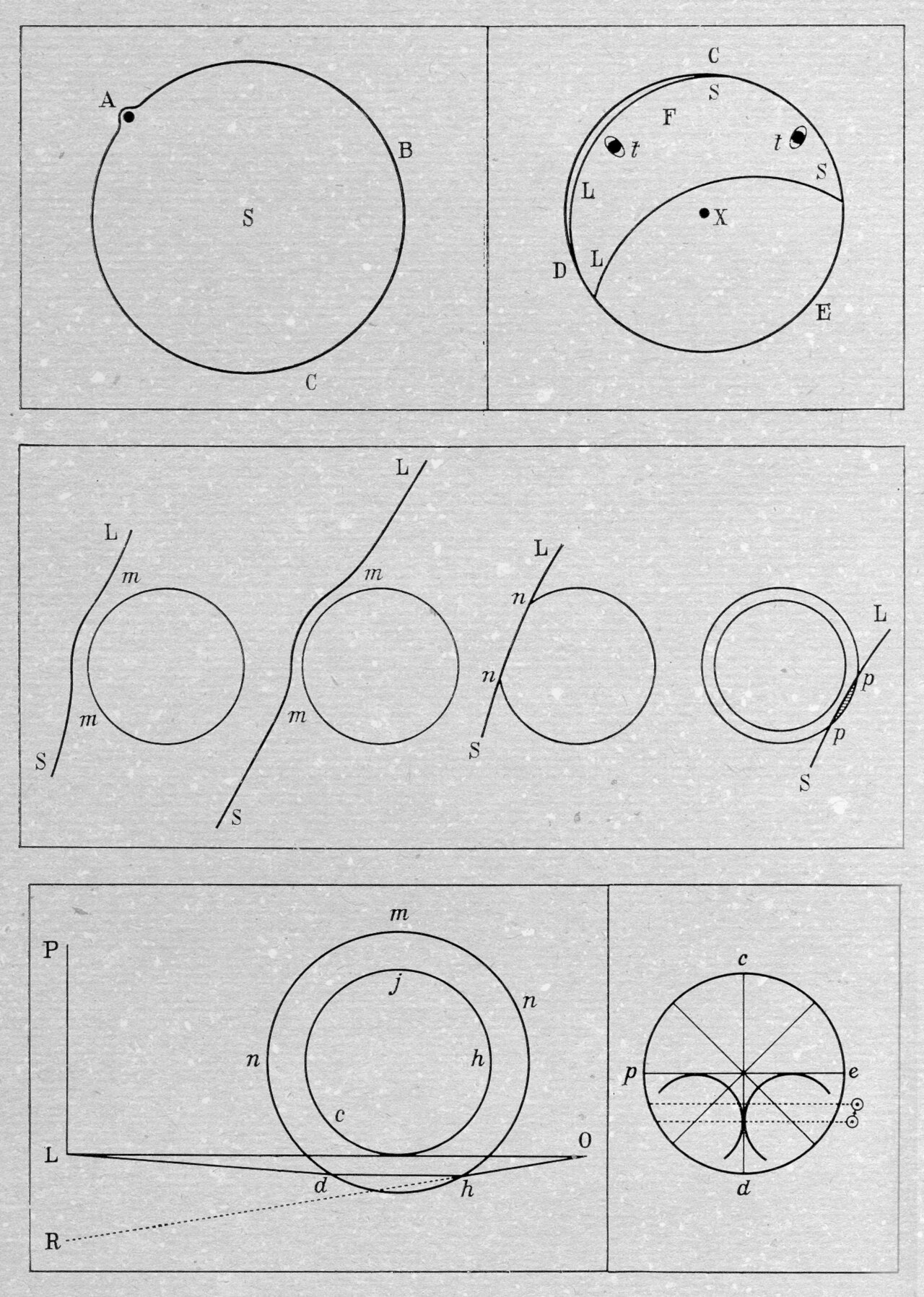
Drawings on the Atmosphere of Venus
Mikhail Lomonosov · 1761
 Document
Primary source
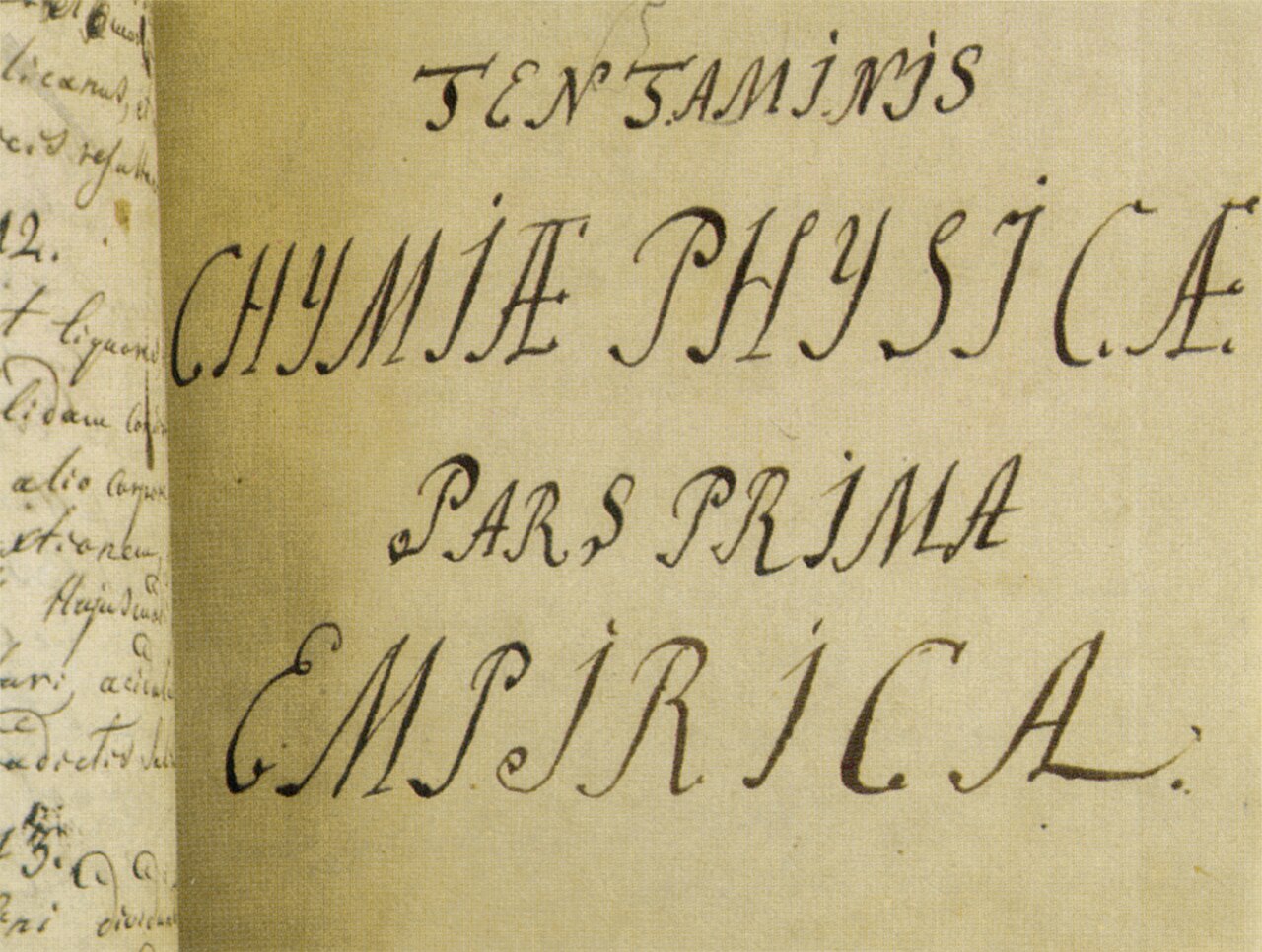
Tentaminis Chymiae Physicae Pars Prima Empirica
Mikhail Lomonosov · 1752
Free account
Read every Mikhail Lomonosov source
Sign up free →
Ready when you are
Start chatting with Mikhail Lomonosov now.
20 messages free · No credit card · Available in 50+ languages.