


Tertiary sourceDocument1984
Public Law 98-516: Honorary Citizenship for William and Hannah Penn
United States Congress · 1984
A 1984 Act of Congress posthumously granting William Penn and Hannah Callowhill Penn honorary U.S. citizenship, making her the first woman so honored.
This 1984 law made Hannah the first woman granted honorary U.S. citizenship, recognizing her role as acting proprietor of Pennsylvania.
Free Humy account · No credit card · 120,912 sources to read
About this source
What it is
This 1984 joint resolution of the United States Congress posthumously granted full rights of citizenship to William Penn and his wife, Hannah Callowhill Penn. It is held by the U.S. National Archives.
Why it matters
The law recognizes William Penn's contributions to religious liberty, representative government, and legal reform in founding Pennsylvania. By including Hannah Callowhill Penn, who acted as proprietor of the colony after her husband's death, Congress made her the first woman ever granted honorary U.S. citizenship, formally acknowledging her historical role.
Look closer
- Why do you think it took until 1984, nearly 260 years after Hannah's death, for Congress to honor her this way?
- What does the wording of the resolution reveal about which contributions are usually remembered and celebrated?
- Why might being the first woman granted this honor matter for how we remember women's roles in early American history?
This document is part of the curated material that grounds the AI version of Hannah Callowhill Penn on Humy.ai — when students ask about related events, the AI can quote it and cite it.
More Hannah Callowhill Penn sources
Browse all 28 →Primary source
Frame of Government of Pennsylvania
William Penn · 1682
 Painting
Secondary source
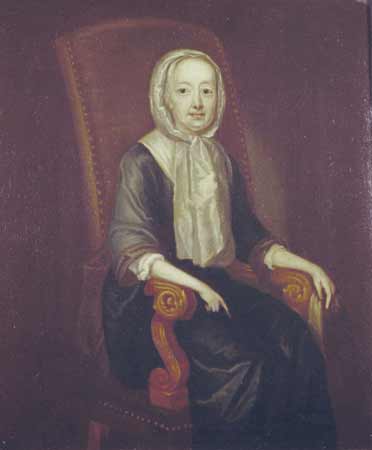
Portrait of Hannah Callowhill Penn
John Hesselius
 Document
Primary source
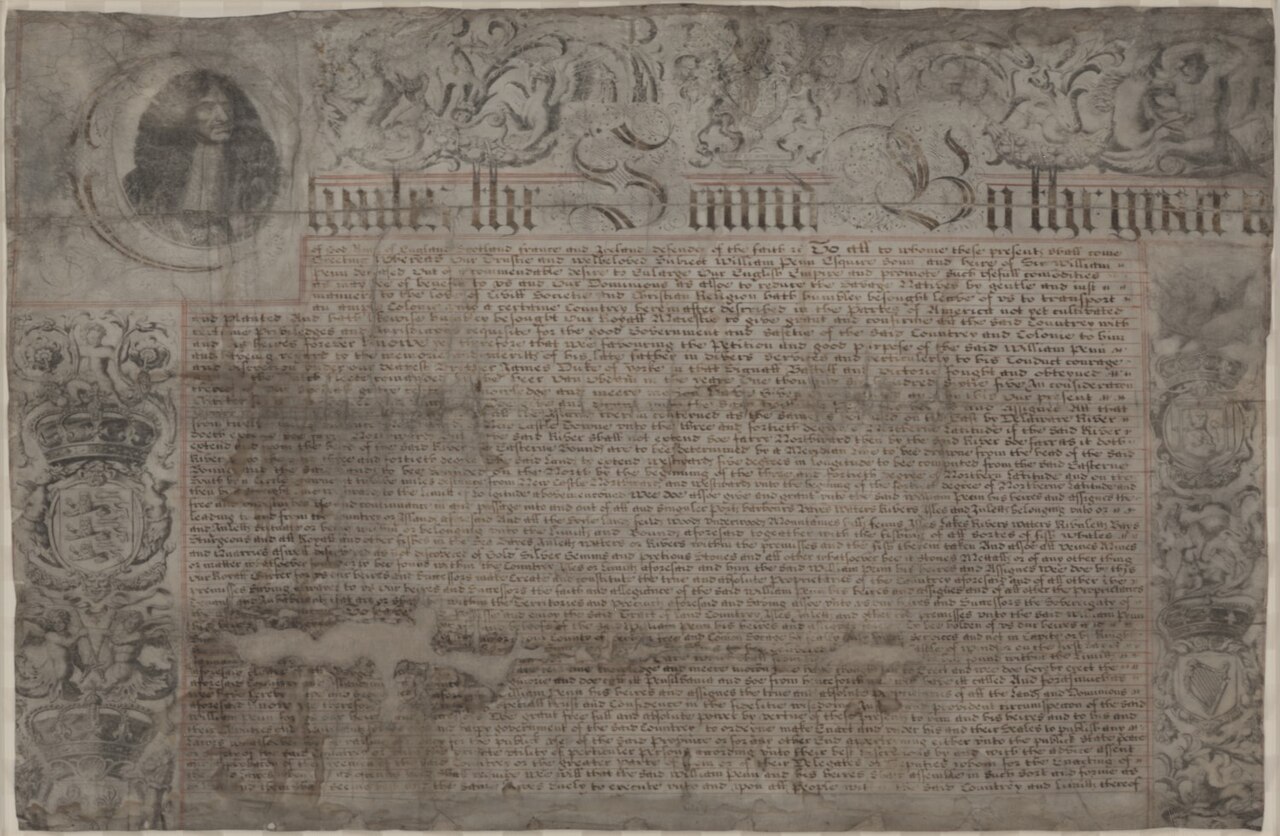
Charter for the Province of Pennsylvania
King Charles II of England · 4 March 1681
 Document
Primary source
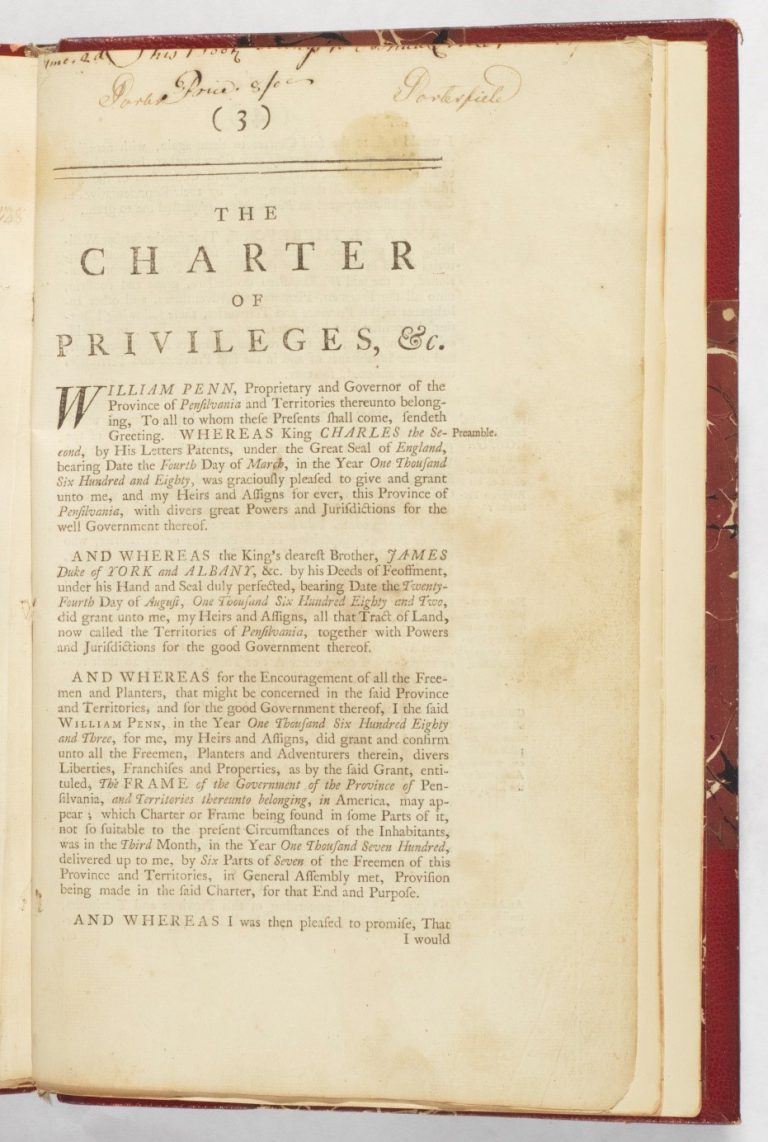
Charter of Privileges
William Penn · 28 October 1701


Free account
Read every Hannah Callowhill Penn source
Sign up free →
Ready when you are
Start chatting with Hannah Callowhill Penn now.
20 messages free · No credit card · Available in 50+ languages.