


Primary sourceDocument1906
Pure Food and Drug Act
1906
A 1906 federal law, signed by Roosevelt, that banned adulterated or mislabeled food and drugs and led to the creation of the FDA.
Roosevelt signed and pushed this law through Congress as a central piece of his Square Deal reforms.
About this source
What it is
The Pure Food and Drug Act was passed by Congress and signed into law by President Theodore Roosevelt in 1906. It banned the sale across state lines of adulterated or mislabeled food and drug products and created federal inspectors to enforce the rules.
Why it matters
The law followed public outrage sparked by muckraking journalists, especially Upton Sinclair's novel The Jungle, which exposed unsanitary practices in the meat-packing industry. Roosevelt signed this act the same day as the Federal Meat Inspection Act, making both central achievements of his Square Deal program. The act marked one of the first times the federal government regulated business to protect ordinary consumers, and it eventually led to the creation of the Food and Drug Administration.
Look closer
- What problems in the food and drug industries was this law trying to fix?
- Why might journalists and the public have had more influence than lawmakers alone in getting this law passed?
- What does the law's focus on labeling, rather than banning certain ingredients outright, tell you about the limits of the reform?
This document is part of the curated material that grounds the AI version of Theodore Roosevelt on Humy.ai — when students ask about related events, the AI can quote it and cite it.
More Theodore Roosevelt sources
Meet the AI Theodore Roosevelt →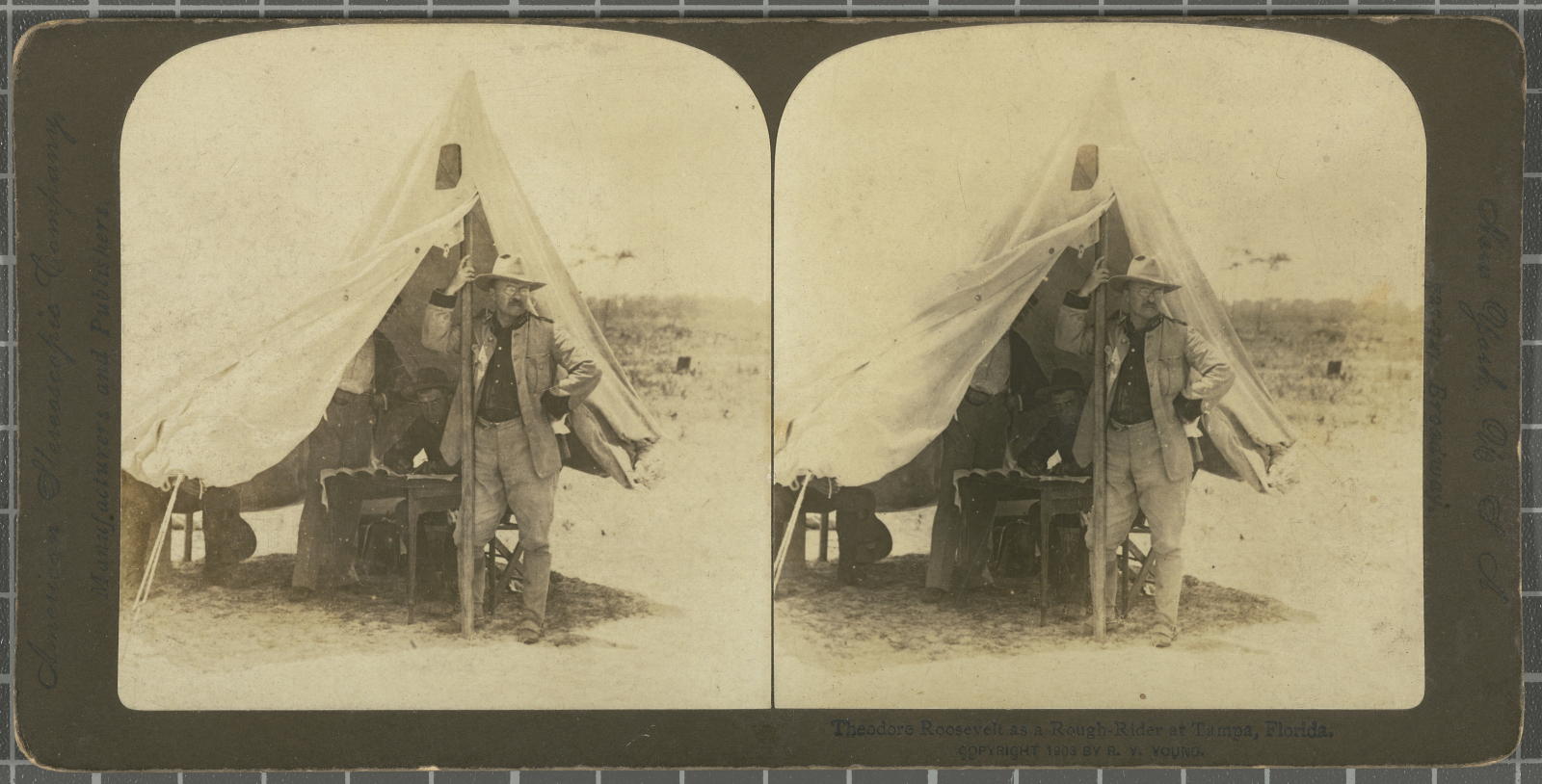 Photograph
Primary source
Theodore Roosevelt as a Rough Rider at Tampa, Florida
American Stereoscopic Company · c. 1898-1903
 Speech
Primary source
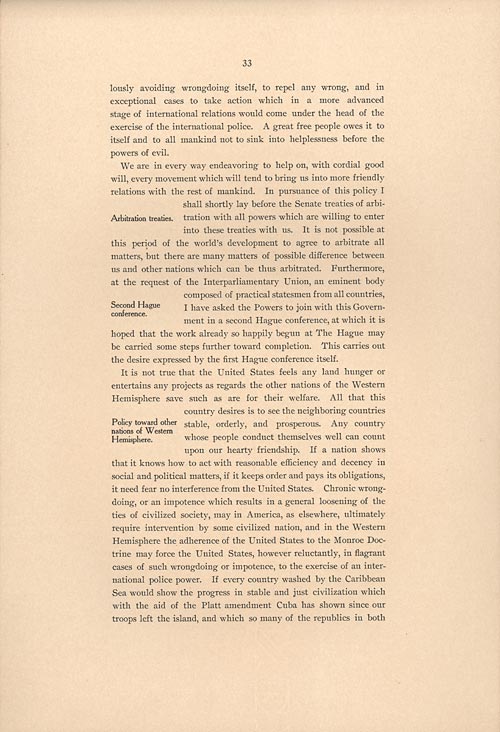
Theodore Roosevelt's Corollary to the Monroe Doctrine
Theodore Roosevelt · 6 December 1904
 Photograph
Primary source
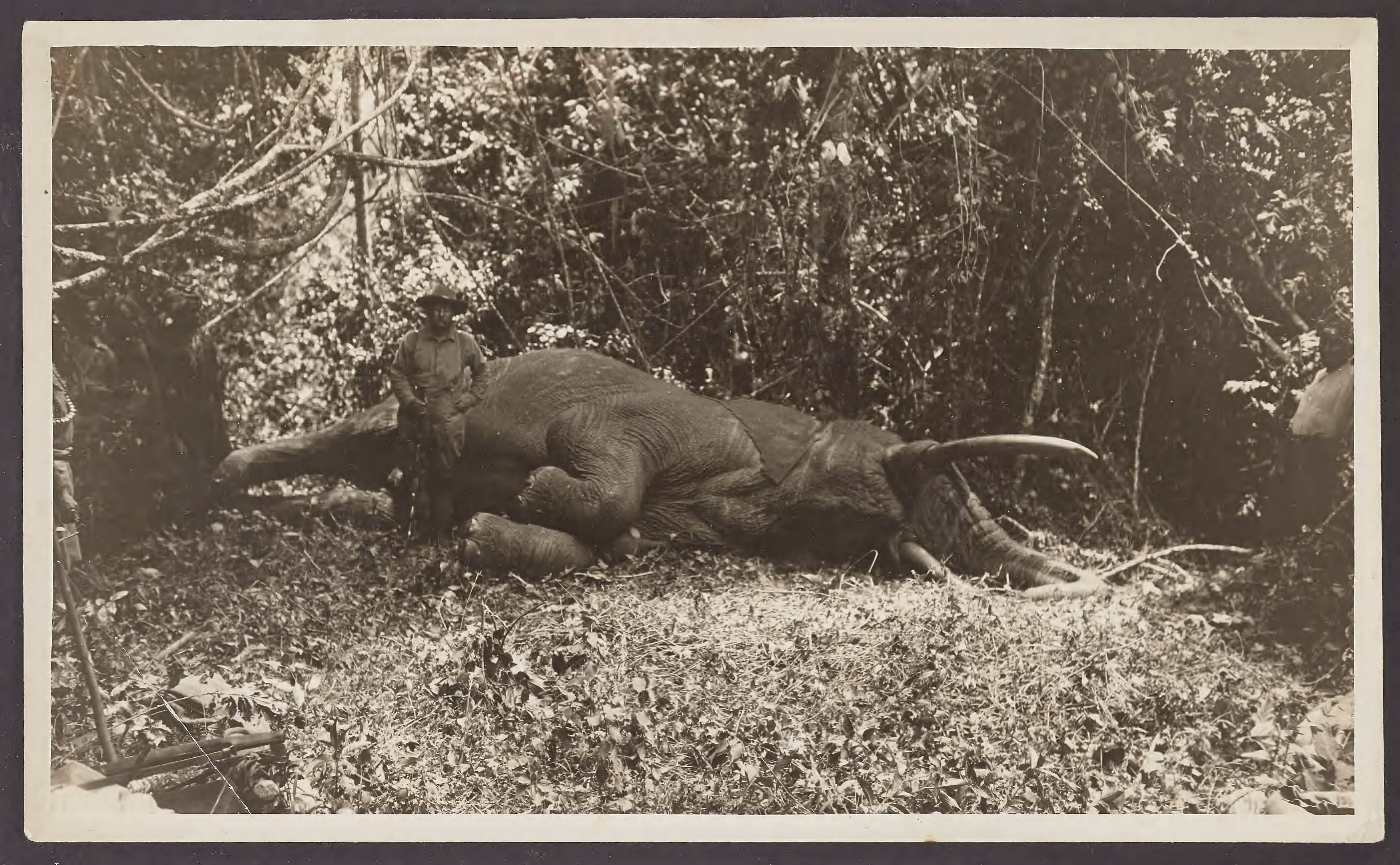
Theodore Roosevelt with the Bull Elephant He Killed
Edmund Heller
Primary source
The Man with the Muck Rake
Theodore Roosevelt · 1906
 Painting
Primary source
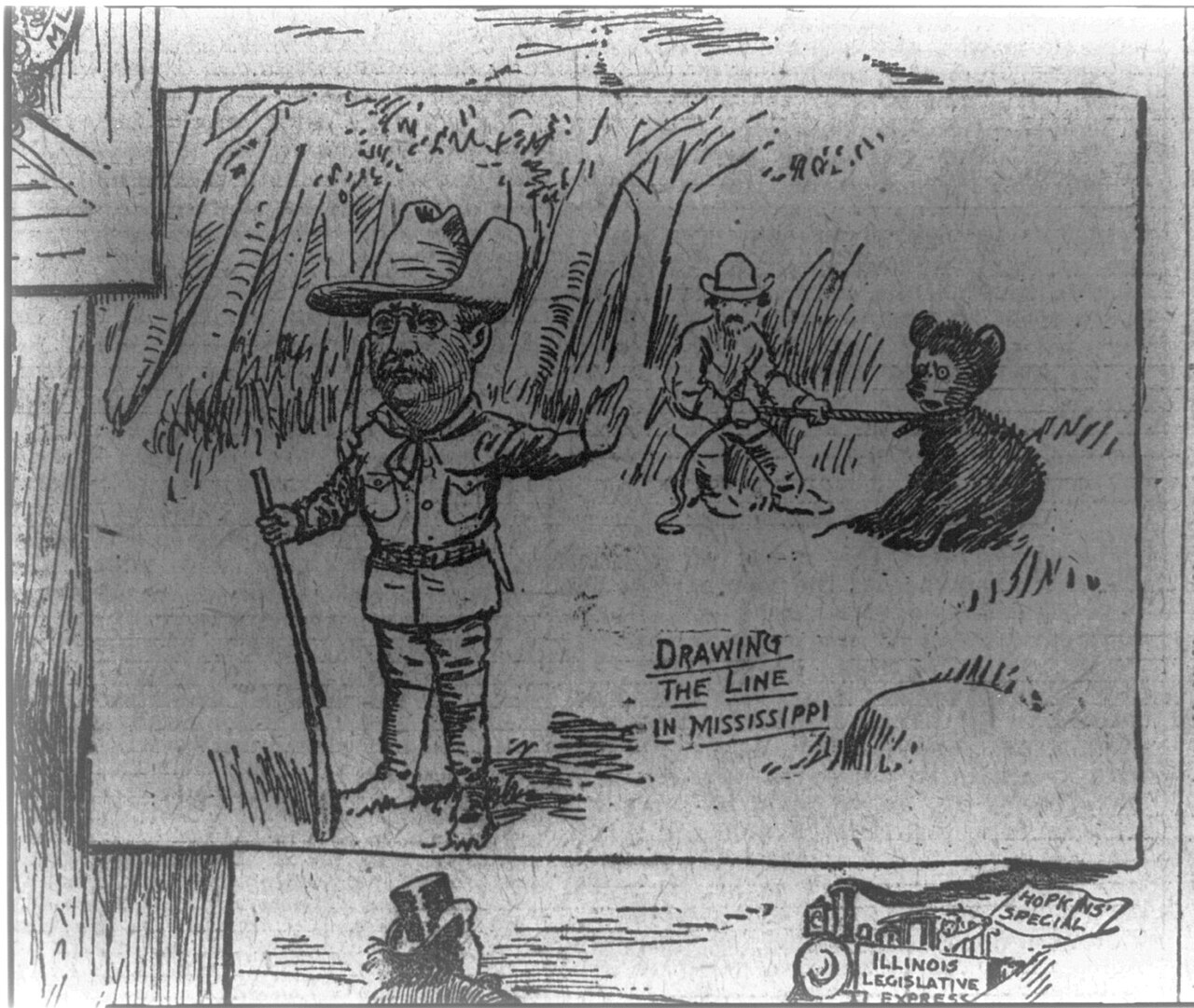
Drawing the Line in Mississippi
Clifford K. Berryman · 16 November 1902
Ready when you are
Start chatting with Theodore Roosevelt now.
20 messages free · No credit card · Available in 50+ languages.