


Primary sourceDocument24 July 1587
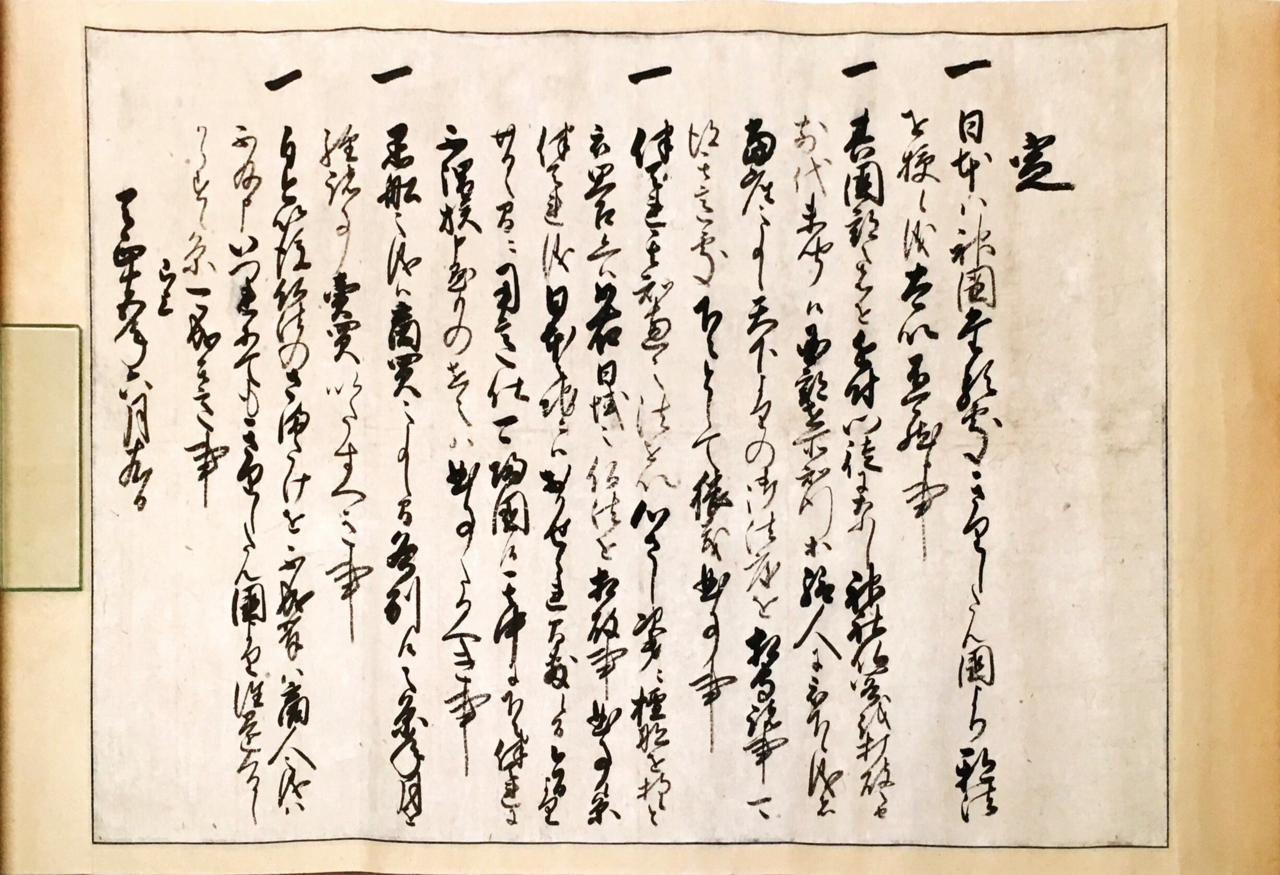
Purge Directive against the Jesuits
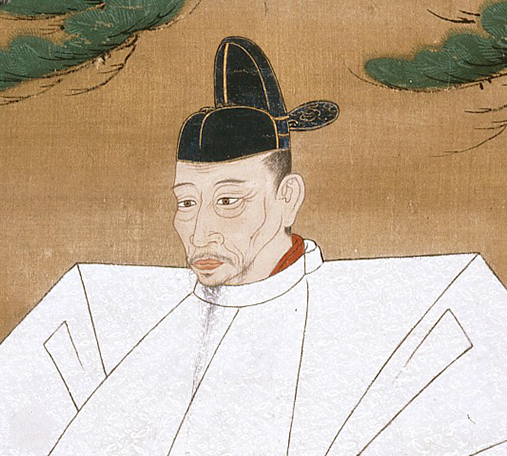
Toyotomi Hideyoshi · 24 July 1587
Hideyoshi's own 1587 order banning Christian missionaries from Japan, a primary document of his religious policy.
Hideyoshi's own order expelling Christian missionaries, directly showing his religious and trade policy.
About this source
What it is
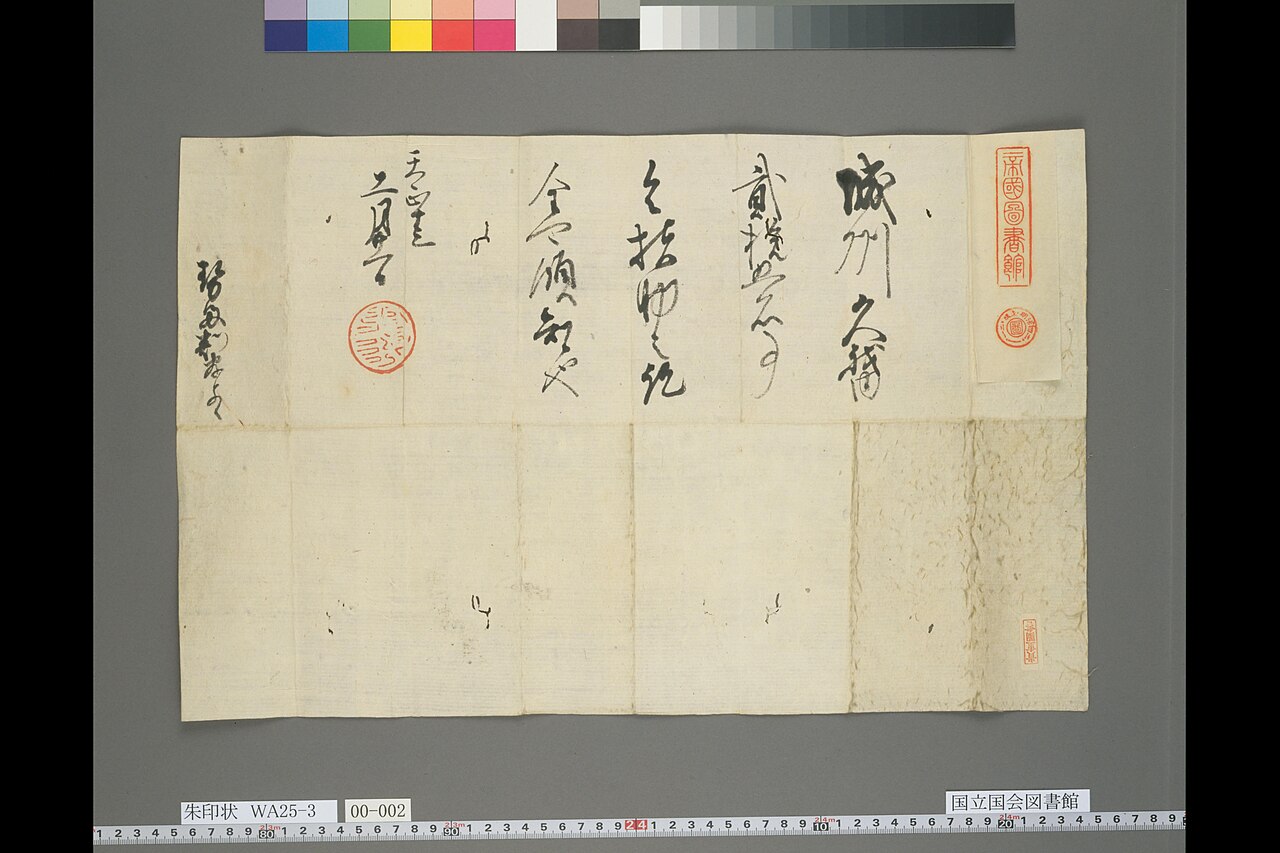
This is the "Bateren-tsuiho-rei," a directive issued by Toyotomi Hideyoshi on 24 July 1587, ordering Jesuit missionaries to leave Japan within twenty days. It survives as a document in the Matsuura family archive, held at the Matsuura Historical Museum in Hirado City, Nagasaki Prefecture. Hideyoshi also placed Nagasaki under his direct rule to control Portuguese trade.
Why it matters
The directive reveals Hideyoshi's concern that Christian missionaries were undermining Japanese religion and social order, while he still wanted to keep profitable trade with Portuguese merchants going. It is a crucial primary source for understanding his religious policy and his balancing of foreign trade against perceived threats to Japanese tradition.
Look closer
- What reasons does the document give for expelling the missionaries?
- Why does it separate missionaries from merchants, allowing trade to continue?
- What does this tell us about Hideyoshi's priorities as a ruler?
This document is part of the curated material that grounds the AI version of Toyotomi Hideyoshi on Humy.ai — when students ask about related events, the AI can quote it and cite it.
Ready when you are
Start chatting with Toyotomi Hideyoshi now.
20 messages free · No credit card · Available in 50+ languages.