


Secondary sourceArtifact6 January 2006
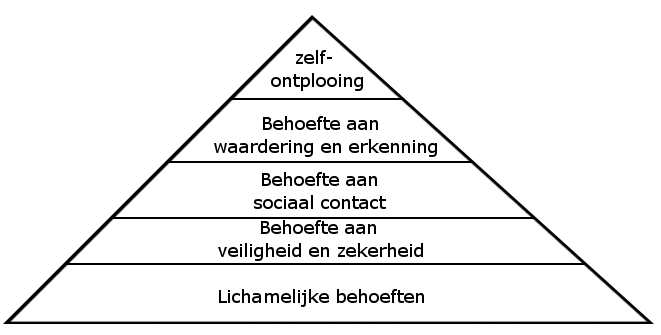
Pyramid of Maslow's Needs (Dutch Diagram)
Didius (Dutch Wikipedia contributor) · 6 January 2006
A Dutch-language diagram illustrating Abraham Maslow's hierarchy of needs as a five-level pyramid.
This diagram illustrates Maslow's own theory of human motivation, created decades after he developed it.
About this source
What it is
This is a diagram created in 2006 by a contributor named Didius on Dutch Wikipedia. It shows a triangle-shaped pyramid divided into five horizontal levels, each labeled in Dutch, representing the famous theory of human needs developed by psychologist Abraham Maslow.
Why it matters
Maslow's hierarchy of needs is one of the most well-known ideas in psychology, describing how people are motivated by different needs, from basic physical survival to higher goals like self-fulfillment. This diagram is a later, secondary illustration — not something Maslow himself drew — but it shows how his ideas have been simplified and spread widely, even translated into other languages like Dutch, to help people understand his theory.
Look closer
- Why might someone choose a pyramid shape to represent needs?
- What does placing “zelfontplooiing” (self-actualization) at the top suggest about its importance compared to the other levels?
- What might this simple diagram leave out about Maslow's more complex original ideas?
This artifact is part of the curated material that grounds the AI version of Abraham Maslow on Humy.ai — when students ask about related events, the AI can quote it and cite it.
More Abraham Maslow sources
Browse all 30 →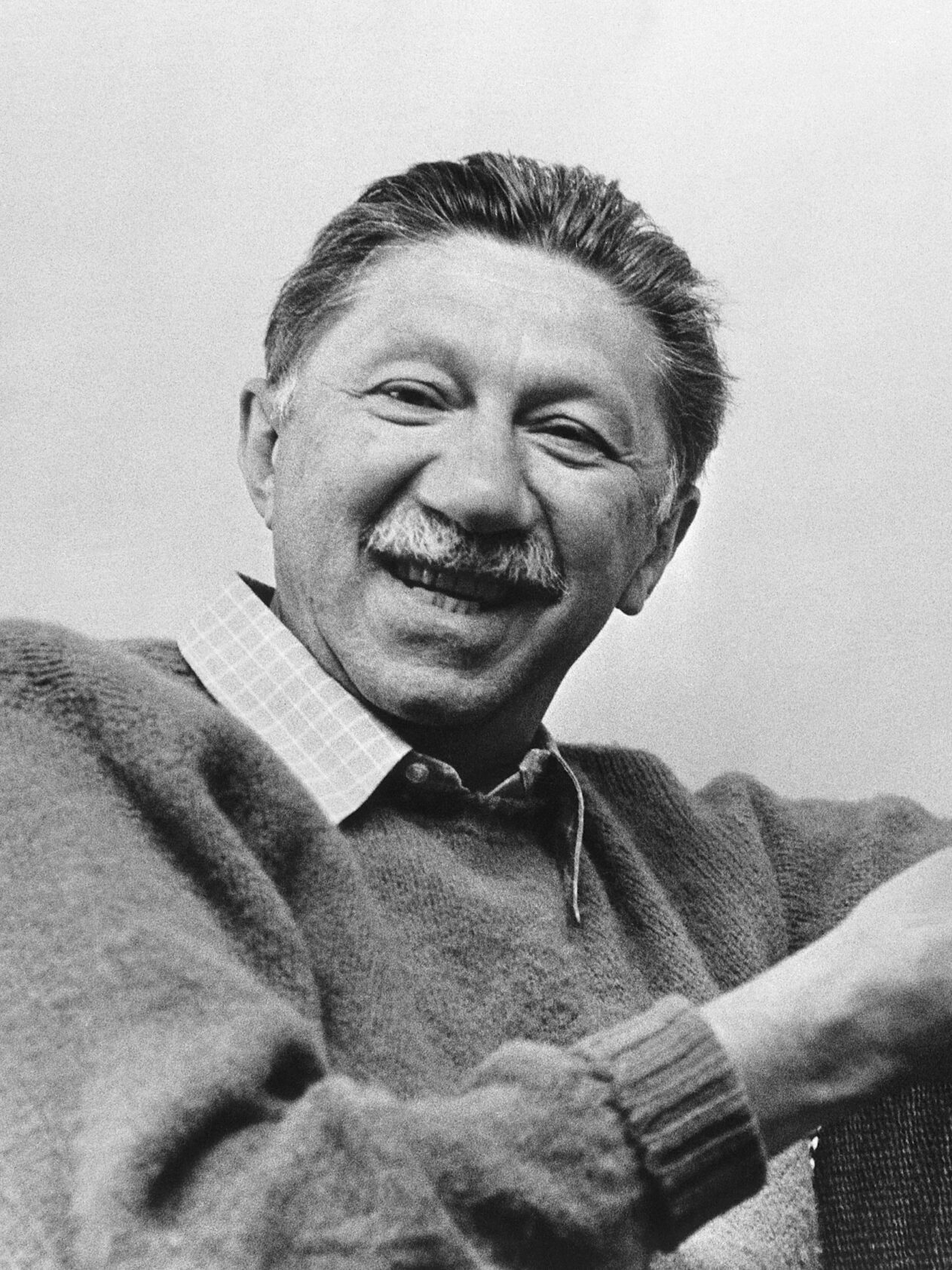 Photograph
Primary source
Portrait of Abraham Maslow
William Carter
 Photograph
Primary source
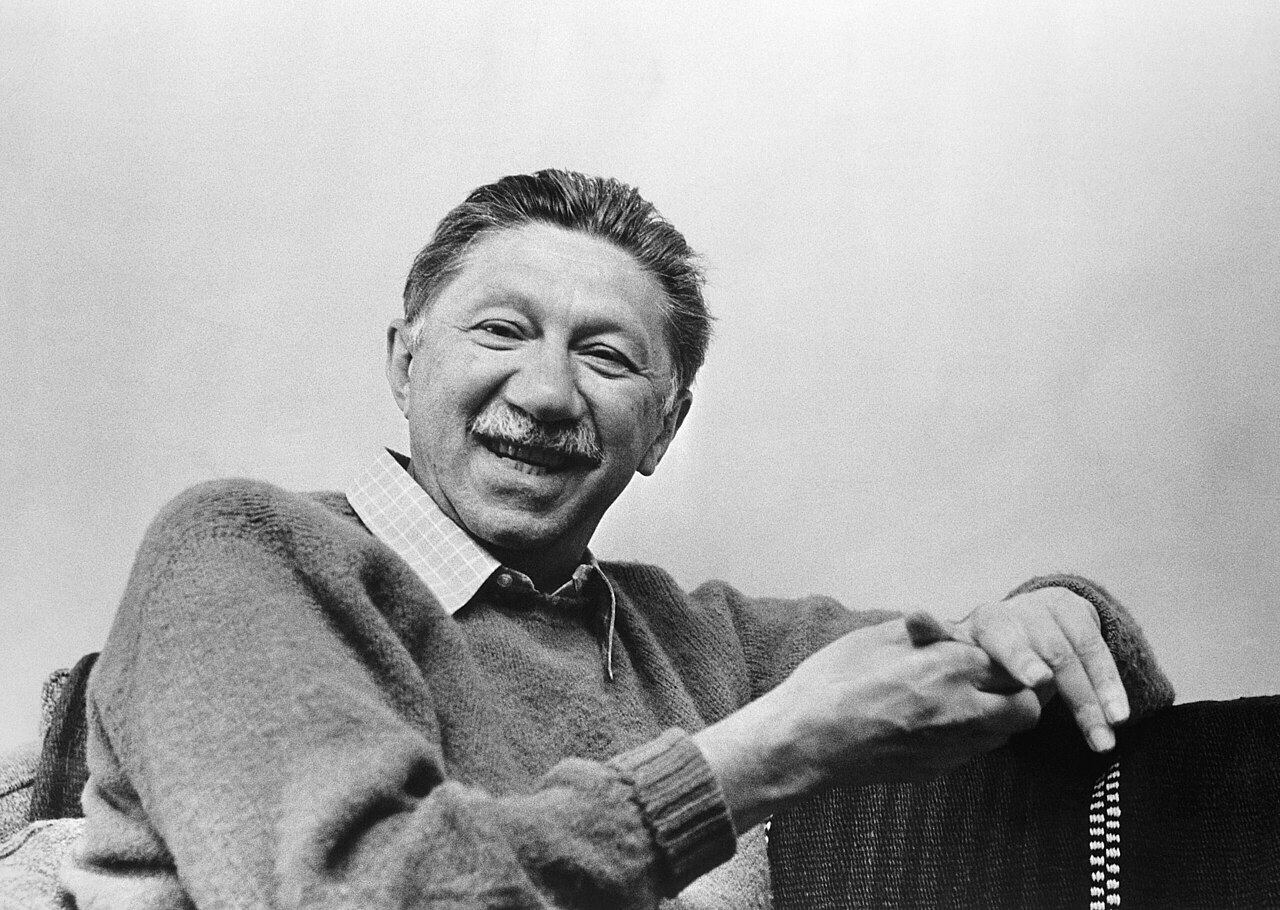
Photo of Abraham Harold Maslow by William Carter
William Carter
 Artifact
Secondary source
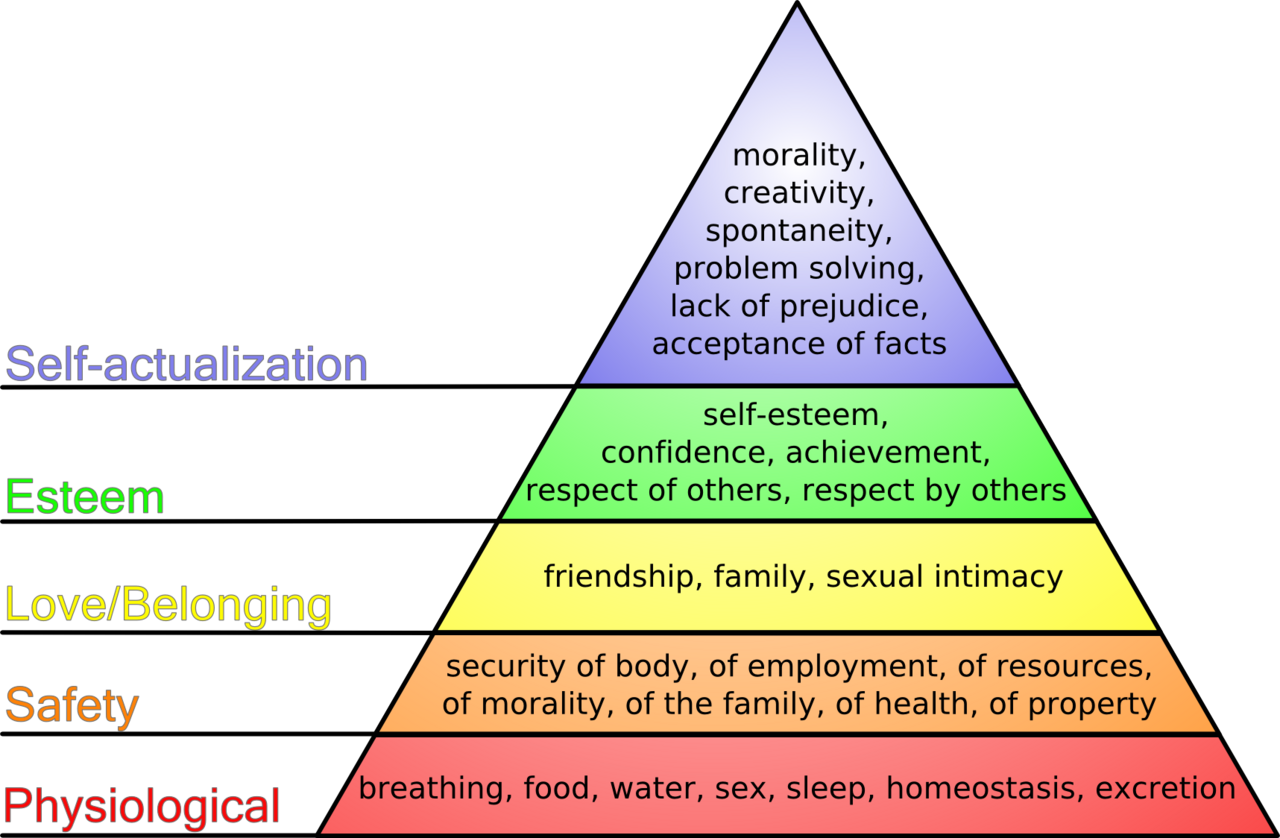
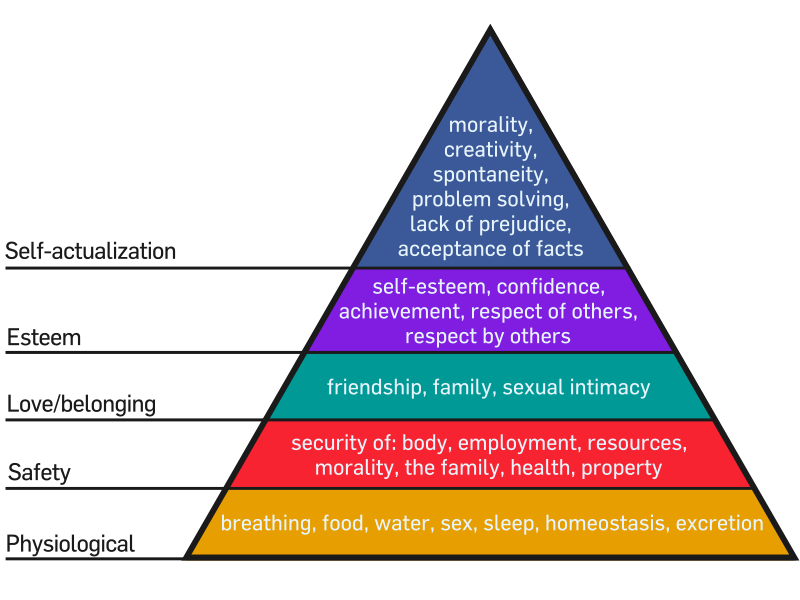
Diagram of Maslow's hierarchy of needs
J. Finkelstein · 27 October 2006
 Artifact
Secondary source
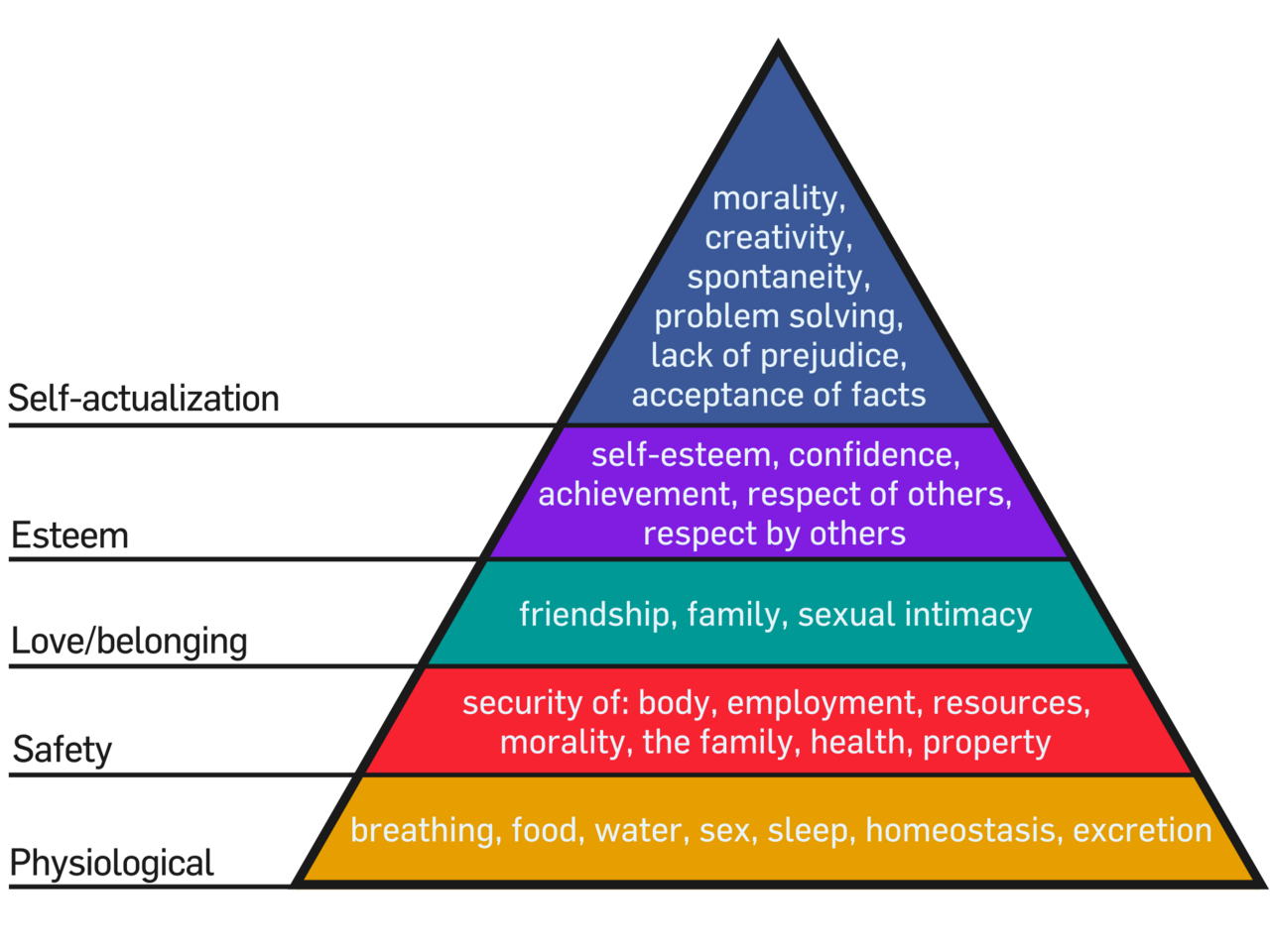
Figure showing Maslow's five levels of needs
Factoryjoe · 29 June 2009
Free account
Read every Abraham Maslow source
Sign up free →
Ready when you are
Start chatting with Abraham Maslow now.
20 messages free · No credit card · Available in 50+ languages.