


Primary sourceArtifactc. 1880-1890
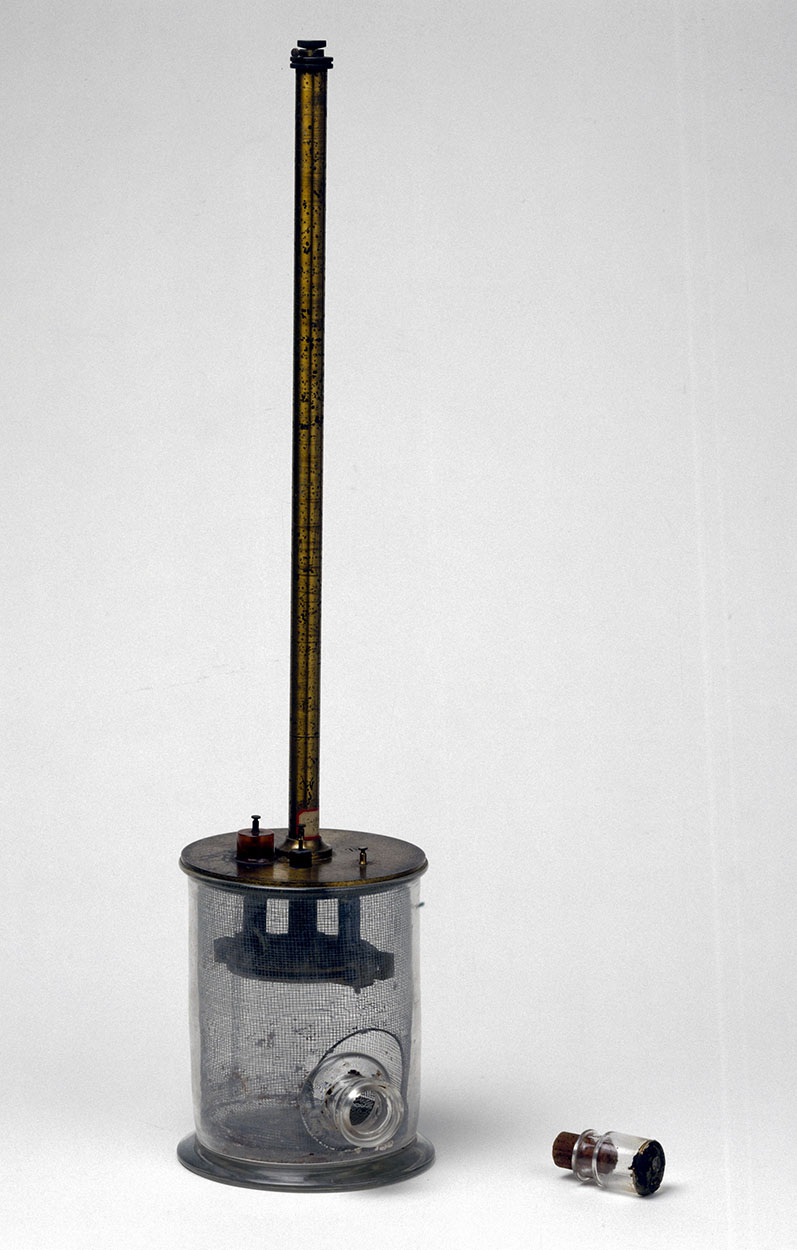
Quadrant Electrometer Built by Pierre Curie
Pierre Curie · c. 1880-1890
A brass-and-glass electrometer Pierre Curie built with his brother Jacques in the 1880s to measure small electrical charges using piezoelectricity.
Pierre Curie built this instrument himself with his brother Jacques, based on their joint discovery of piezoelectricity.
About this source
What it is
This is a quadrant electrometer, an instrument built between about 1880 and 1890 by Pierre Curie and his brother Jacques. It measures electrical potential without drawing current from the circuit being tested. It is held by the Science Museum, London.
Why it matters
In the 1880s, Pierre and Jacques Curie discovered piezoelectricity — the fact that certain crystals produce an electric current when squeezed. They used this discovery to build sensitive electrometers like this one. These instruments later became essential tools for measuring radioactivity, work Pierre would go on to share with his wife Marie Curie.
Look closer
- What materials and parts can you identify in the photograph?
- Why would scientists need an instrument that doesn't draw current from what it's measuring?
- How might a tool built for one purpose (studying crystals) end up useful for a completely different discovery (radioactivity)?
This artifact is part of the curated material that grounds the AI version of Pierre Curie on Humy.ai — when students ask about related events, the AI can quote it and cite it.
More Pierre Curie sources
Browse all 93 →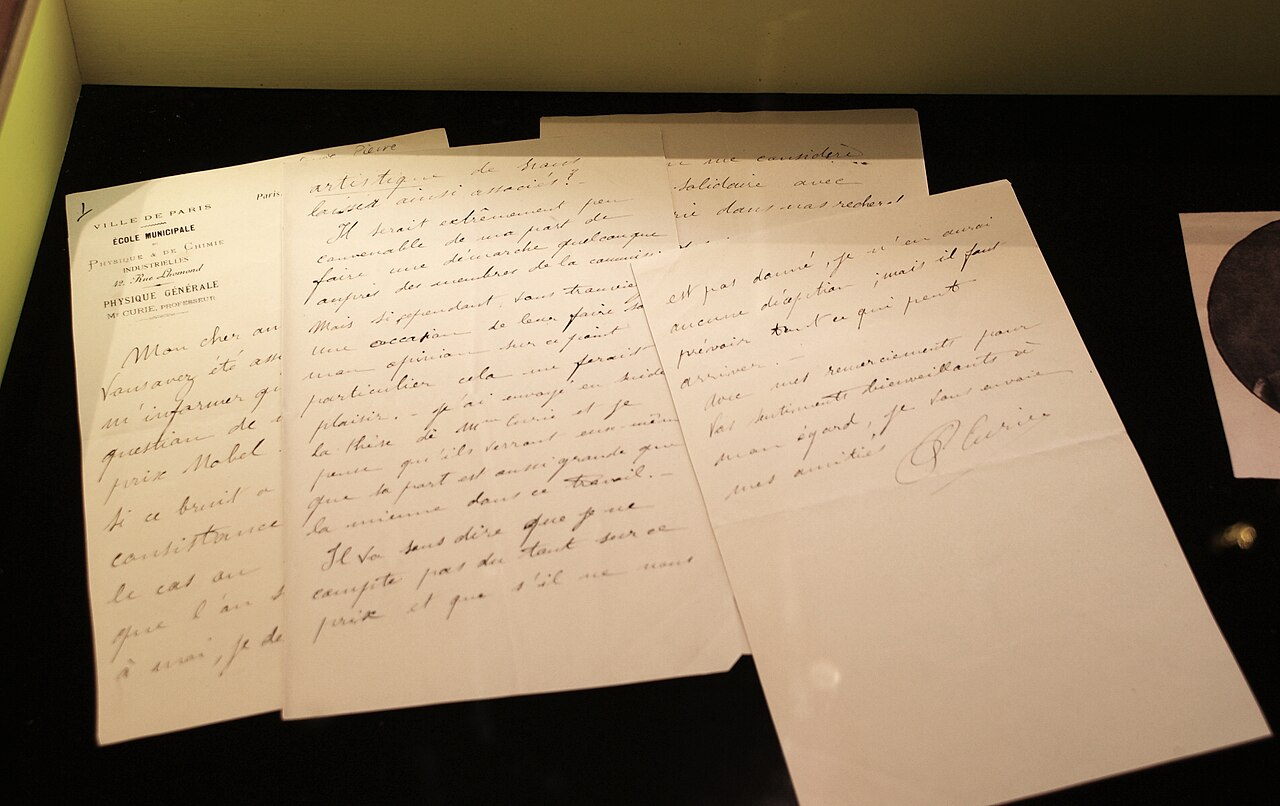 Letter
Primary source
Letter to Gösta Mittag-Leffler on the Nobel Prize
Pierre Curie · 6 August 1903
 Document
Primary source
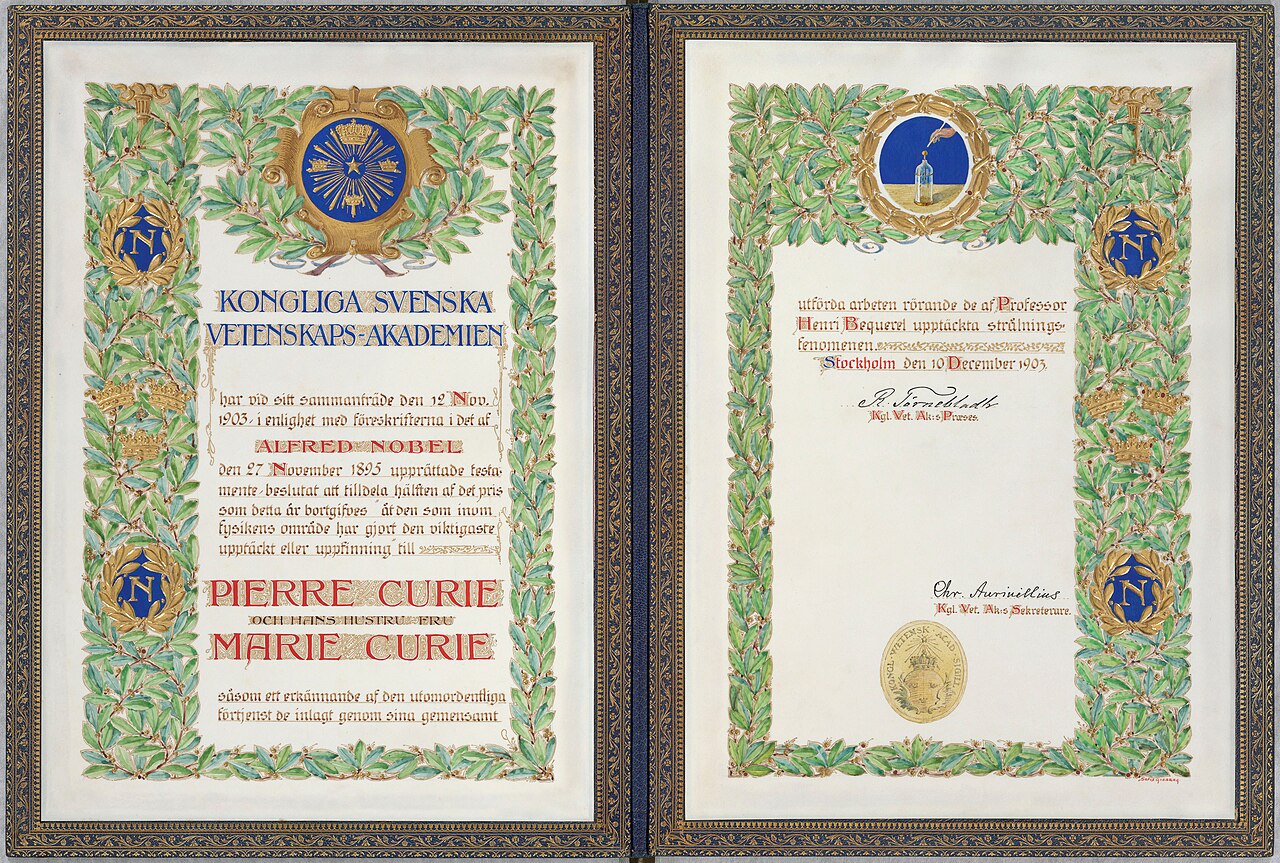
Nobel Prize in Physics Diploma, 1903
Sofia Gisberg · December 1903
 Photograph
Primary source
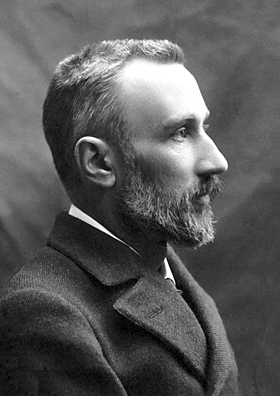
Pierre Curie Nobel Portrait
Nobel Foundation · c. 1903
 Photograph
Primary source
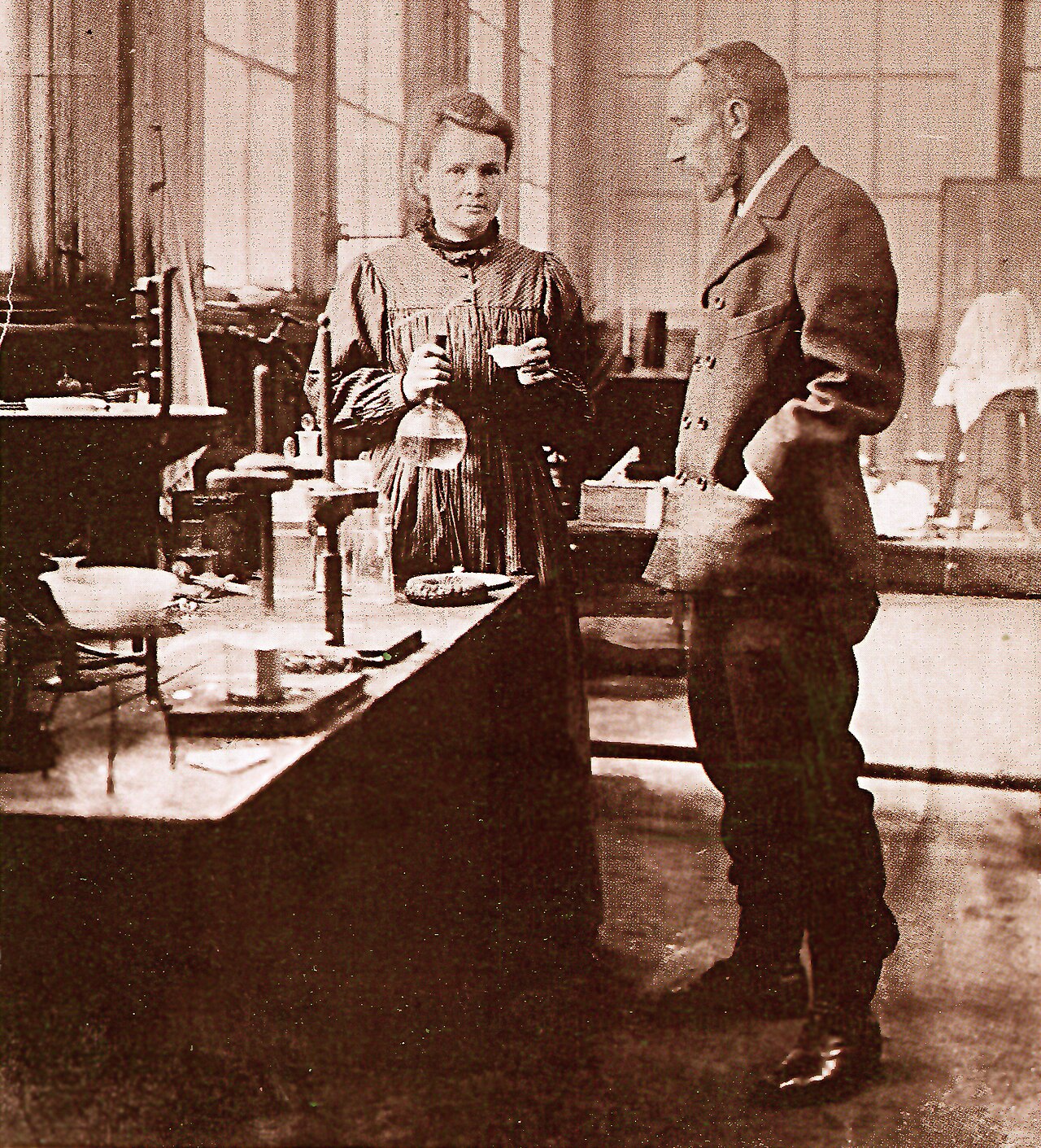
Marie et Pierre Curie in Their Laboratory
Unknown
Free account
Read every Pierre Curie source
Sign up free →
Ready when you are
Start chatting with Pierre Curie now.
20 messages free · No credit card · Available in 50+ languages.