


Secondary sourcePainting1603 (cycle begun)
Quadroni of St. Charles
Carlo Buzzi · 1603 (cycle begun)
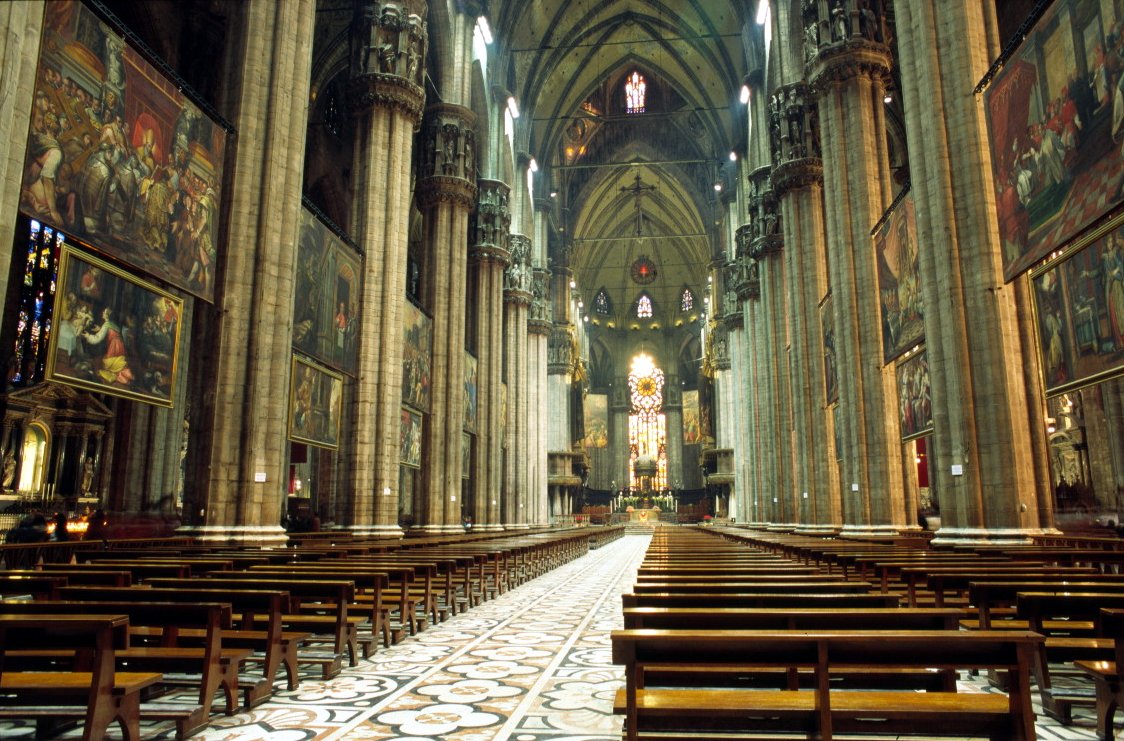
A huge cycle of paintings in Milan Cathedral depicting the life and miracles of Charles Borromeo, made for his beatification and canonization.
This cycle narrates and shaped the public memory of Borromeo's life and sainthood after his death.
About this source
What it is
The Quadroni are two large cycles of paintings showing the life and miracles of Charles Borromeo, displayed in Milan Cathedral. The first cycle, begun in 1602, shows scenes from his life as Archbishop of Milan; the second, painted between 1609 and 1610, shows his miracles. Several artists worked on them, including Carlo Buzzi.
Why it matters
Painted decades after Borromeo's death to support his beatification and canonization, these works show how the Church built his image as a saint of the Counter-Reformation. They reveal what later generations wanted people to remember about him.
Look closer
- Why were the miracle paintings only shown after Borromeo was officially made a saint?
- What might be left out of a painting designed to promote someone's sainthood?
- How does displaying these huge paintings in a cathedral shape how people see Borromeo today?
This painting is part of the curated material that grounds the AI version of Charles Borromeo on Humy.ai — when students ask about related events, the AI can quote it and cite it.
More Charles Borromeo sources
Browse all 91 →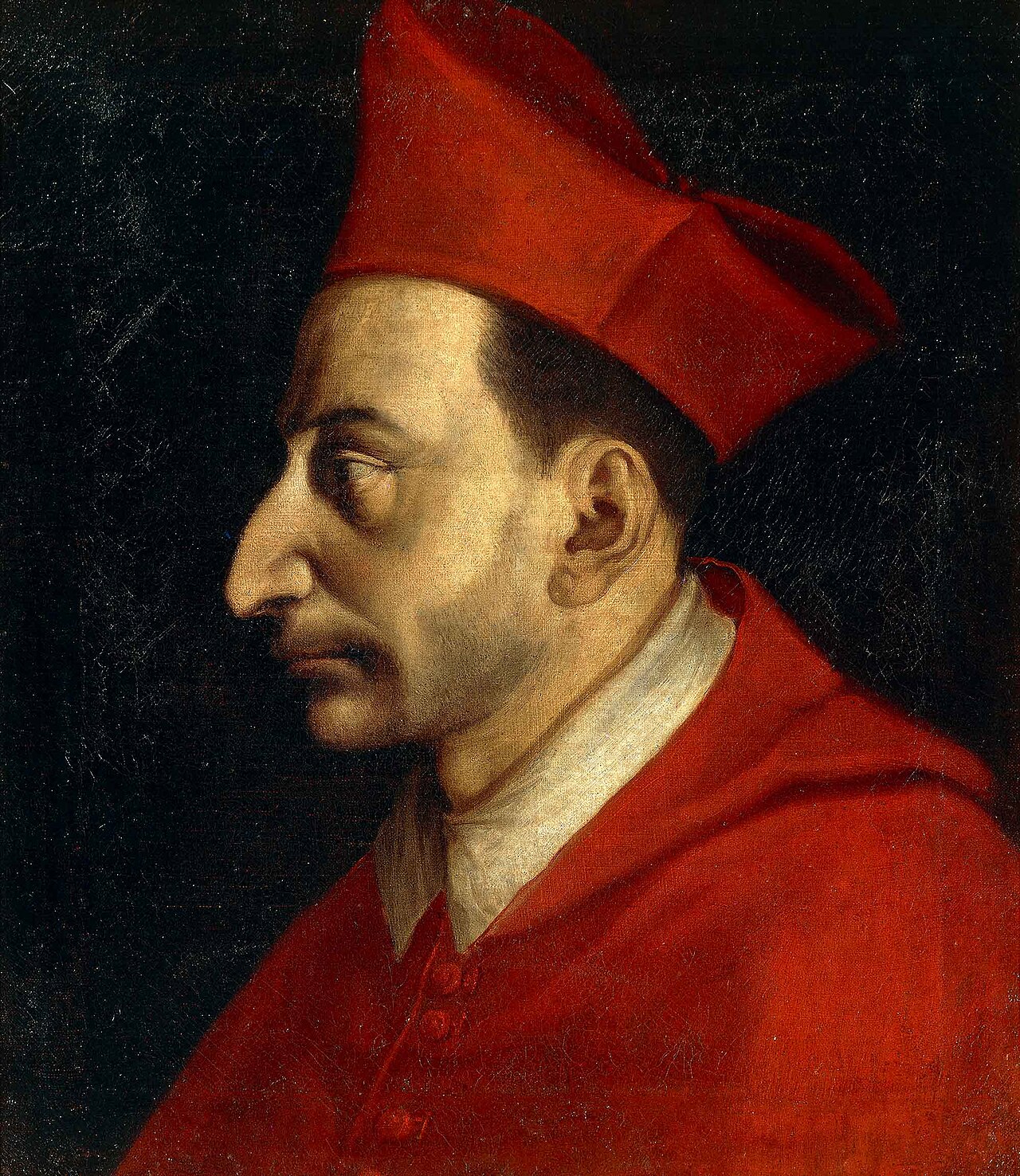 Painting
Primary source
Portrait of Carlo Borromeo
Giovanni Ambrogio Figino · 1587
 Artifact
Primary source
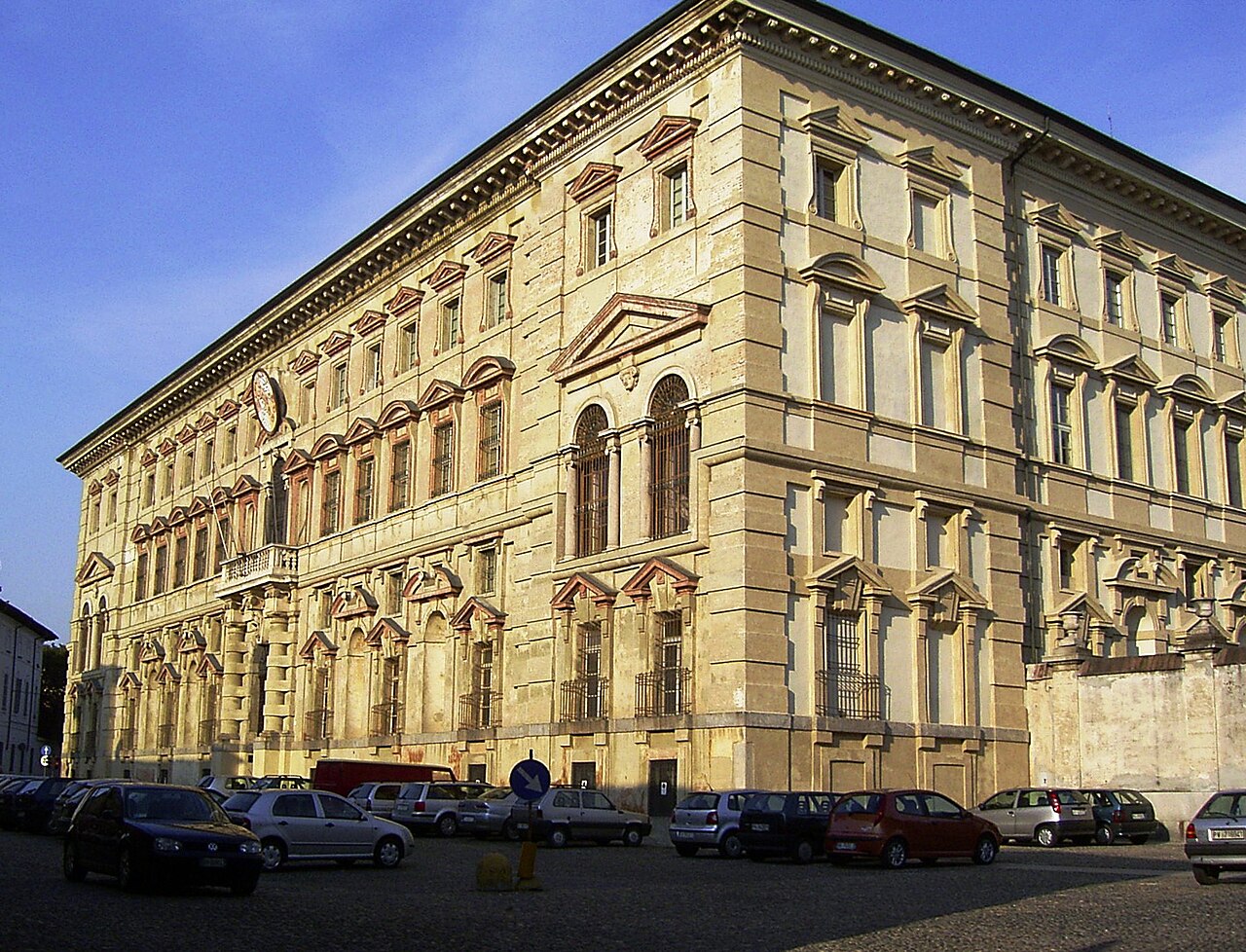
Collegio Borromeo
Pellegrino Tibaldi · 1561
Secondary source
Canons and Decrees of the Council of Trent
1545-1563 (council); 1851 (this translation)
Secondary source
Vita di San Carlo Borromeo
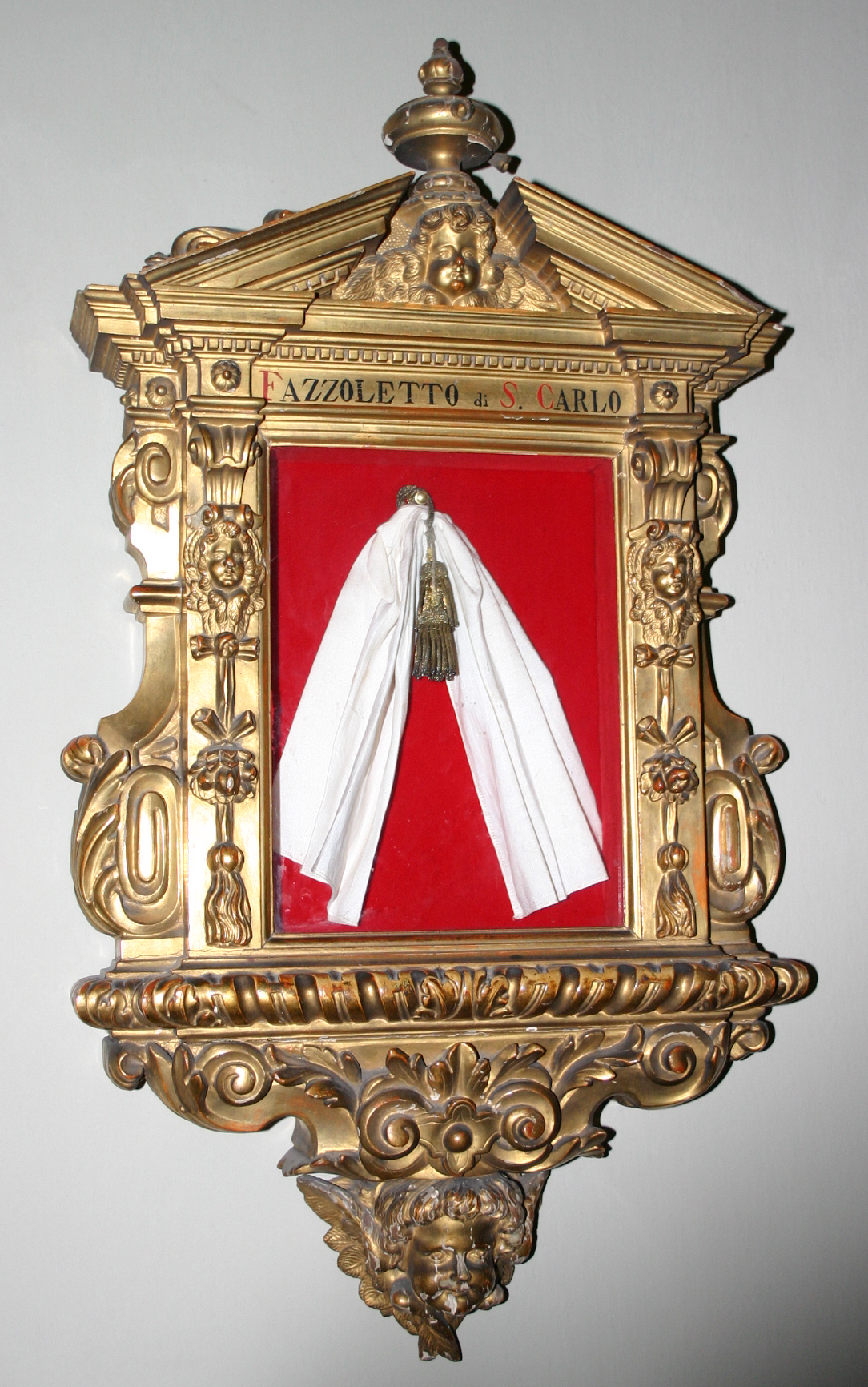
Giovanni Pietro Giussano · 1610
Free account
Read every Charles Borromeo source
Sign up free →
Ready when you are
Start chatting with Charles Borromeo now.
20 messages free · No credit card · Available in 50+ languages.