


Primary sourcePainting1654
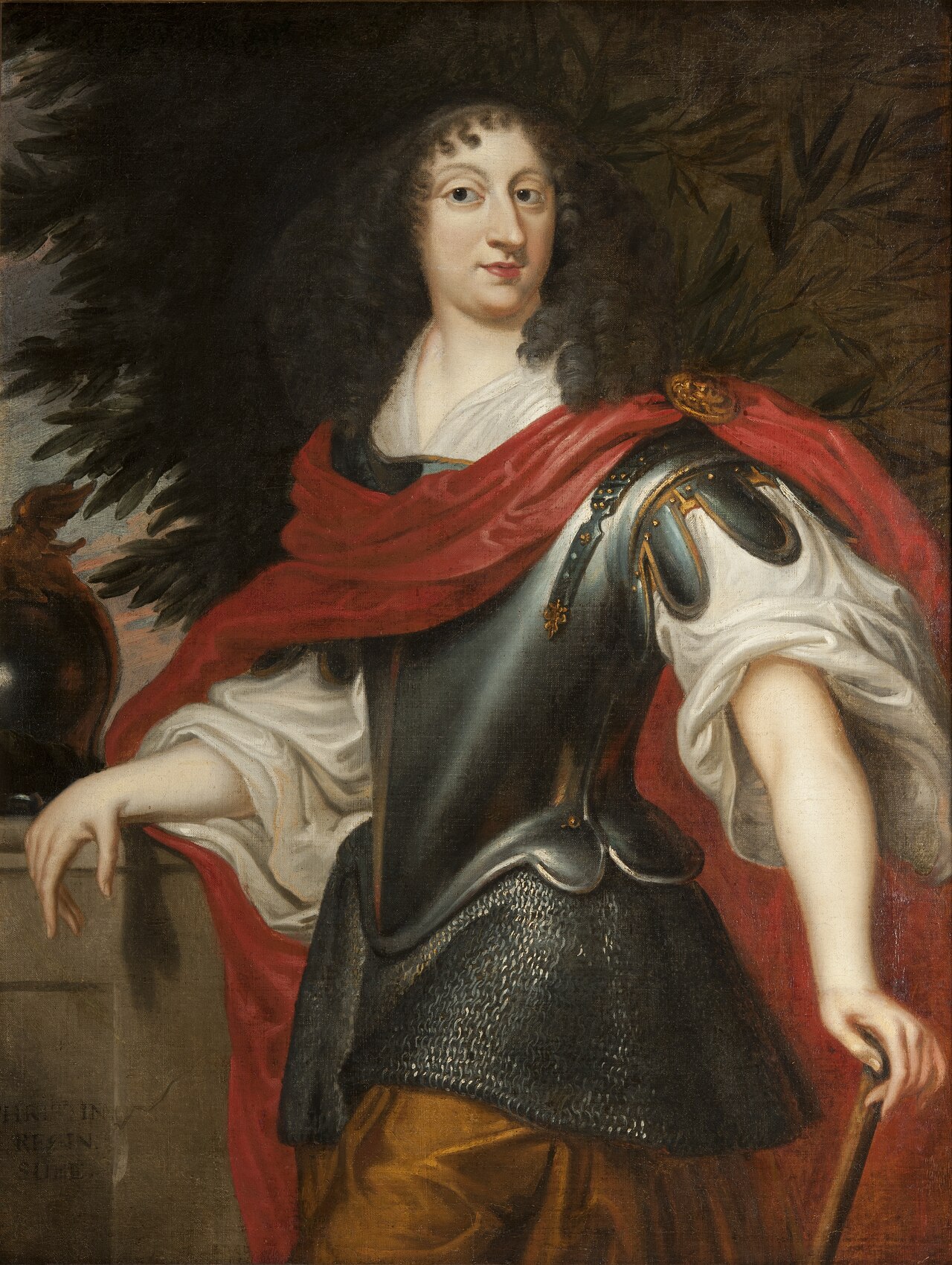
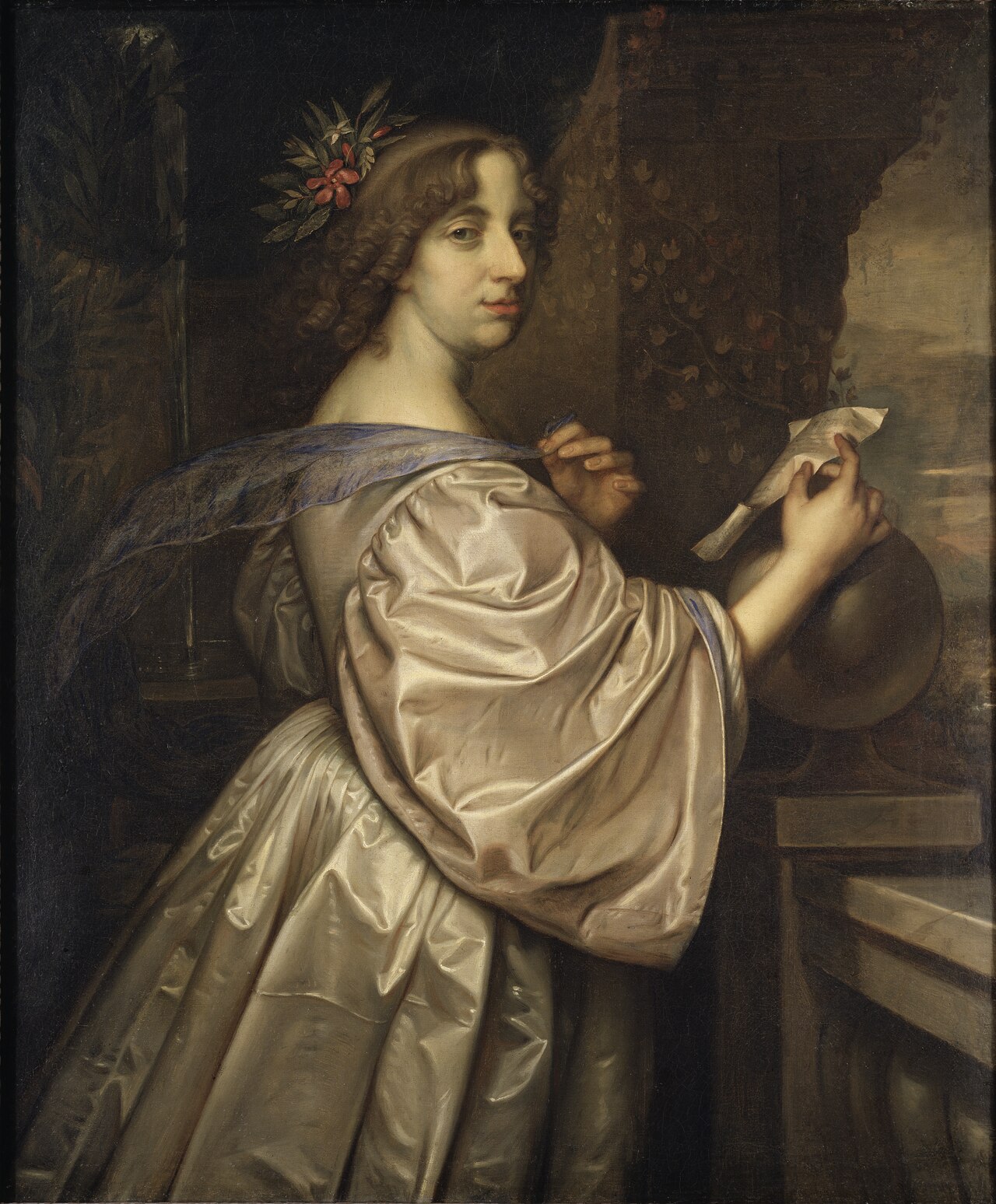
Queen Christina as Minerva
Justus van Egmont · 1654
An allegorical portrait of Christina as the Roman goddess Minerva, reflecting her image as a learned ruler.
This allegorical portrait depicts Christina herself as Minerva, promoting her self-image as a learned ruler.
About this source
What it is
This oil painting by Justus van Egmont, dated 1654, shows Queen Christina portrayed as Minerva, the Roman goddess of wisdom and war. It hangs in the National Portrait Gallery of Sweden.
Why it matters
The painting reflects the image Christina cultivated of herself as a learned ruler, sometimes called the 'Minerva of the North,' known for her interest in philosophy, science and the arts. Allegorical portraits like this one were a common way for rulers to shape how they were remembered, blending real identity with symbolic meaning.
Look closer
- What symbols in the painting connect Christina to Minerva, goddess of wisdom and war?
- Why might a ruler want to be shown as a goddess rather than simply as themselves?
- What does this portrait leave out about Christina's actual life and reign?
This painting is part of the curated material that grounds the AI version of Christina, Queen of Sweden on Humy.ai — when students ask about related events, the AI can quote it and cite it.
More Christina, Queen of Sweden sources
Browse all 84 →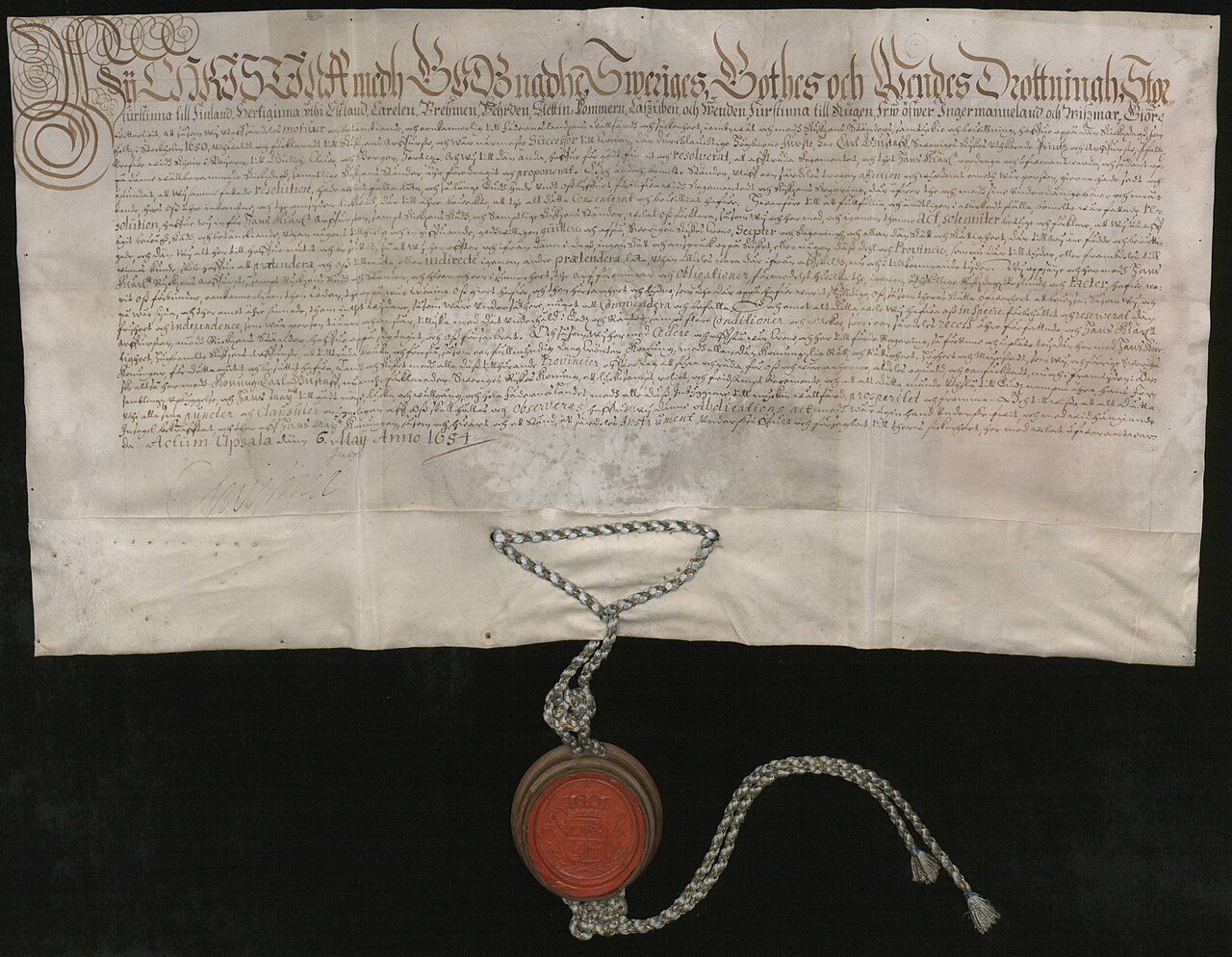 Document
Primary source
Act of Abdication of Christina, Queen of Sweden
Christina of Sweden · 6 May 1654
 Document
Primary source
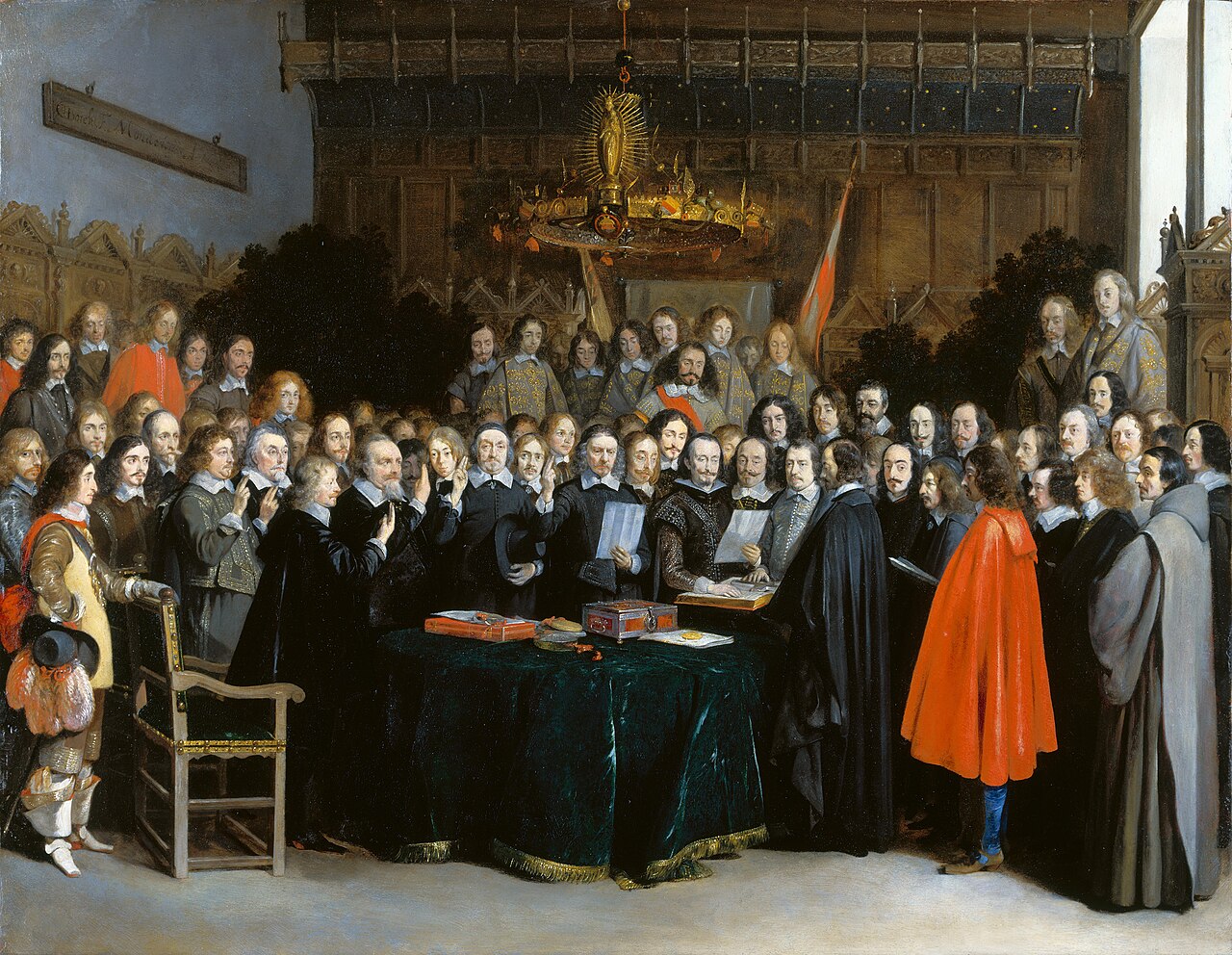
Peace of Westphalia
1648
 Painting
Primary source
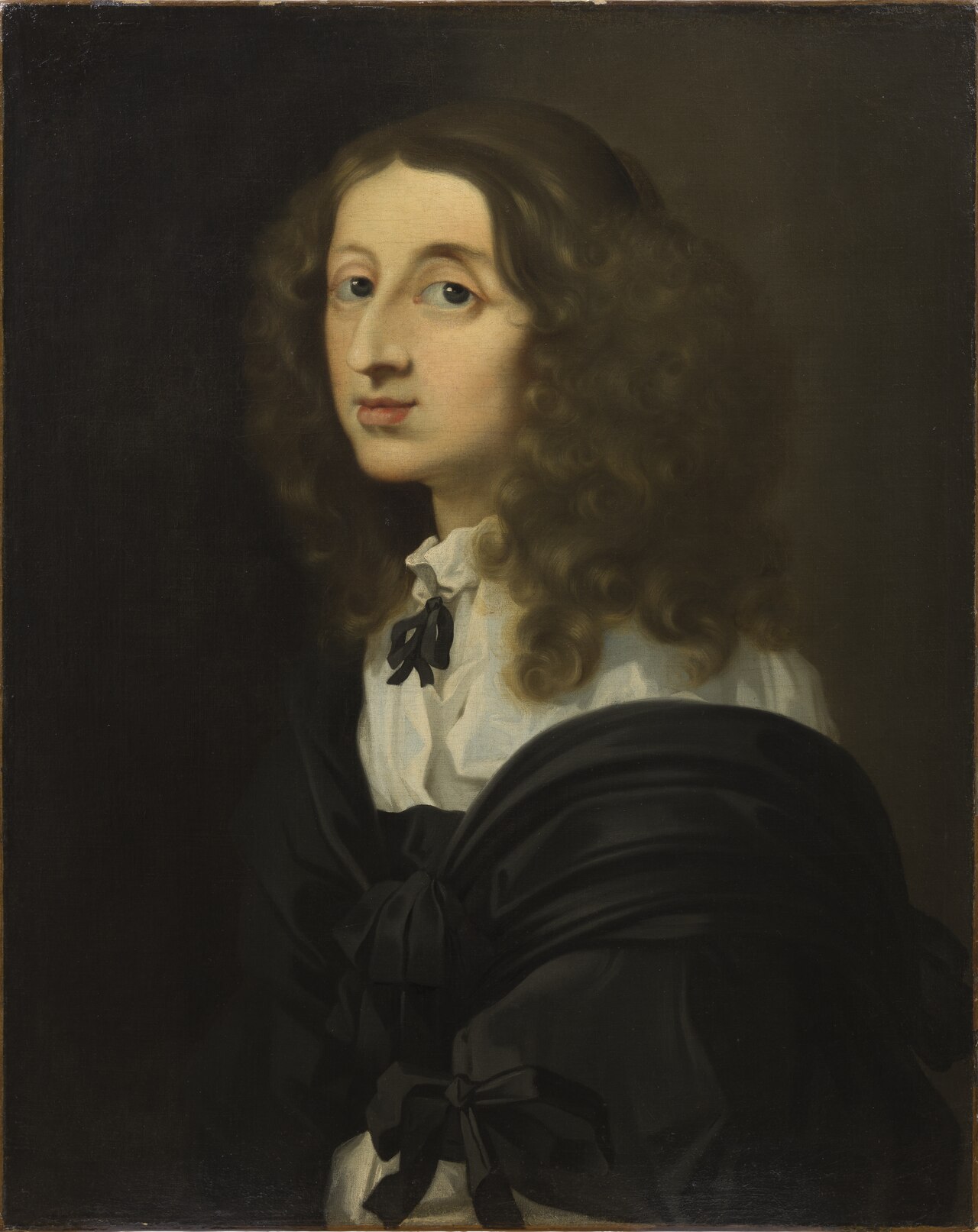
Queen Christina
Sébastien Bourdon · 1653
 Painting
Primary source
Queen Christina of Sweden
David Beck · 1650
Free account
Read every Christina, Queen of Sweden source
Sign up free →
Ready when you are
Start chatting with Christina, Queen of Sweden now.
20 messages free · No credit card · Available in 50+ languages.