


Primary sourcePainting1867
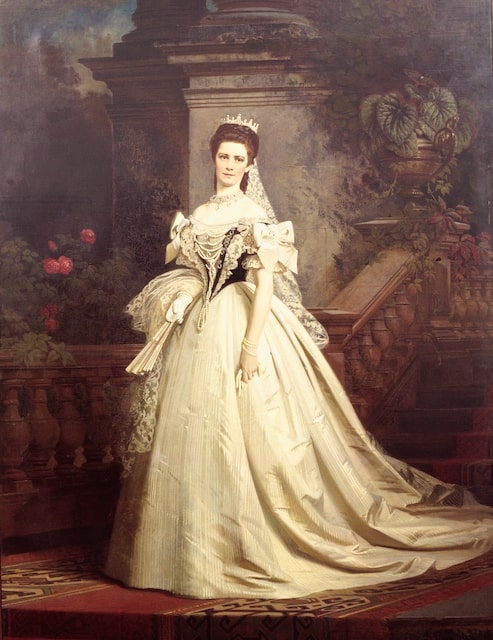
Queen Elisabeth in coronation dress
Alexander von Wagner · 1867
A painting by Alexander von Wagner showing Elisabeth in the robes worn at her 1867 coronation as Queen of Hungary.
Shows Elisabeth at her coronation as Queen of Hungary, a role she had actively worked to help bring about.
About this source
What it is
This painting by Alexander von Wagner, made in 1867, shows Elisabeth in her Hungarian coronation robes, with a tiara, veil, and long train. It is held at the Hungarian National Museum.
Why it matters
The image records the 1867 coronation of Franz Joseph and Elisabeth as King and Queen of Hungary, the ceremonial high point of the Austro-Hungarian Compromise that created the dual monarchy. Elisabeth was known for her sympathy toward Hungary and played a part in bringing about this political settlement, so the painting ties her directly to a major turning point in the empire's history.
Look closer
- What details of the dress and setting signal that this is a ceremonial, official occasion?
- Why would a painting of this coronation matter to both Austrians and Hungarians?
- What is left out of the picture that might also be important to the story of the Compromise?
This painting is part of the curated material that grounds the AI version of Empress Elisabeth of Austria on Humy.ai — when students ask about related events, the AI can quote it and cite it.
More Empress Elisabeth of Austria sources
Browse all 98 →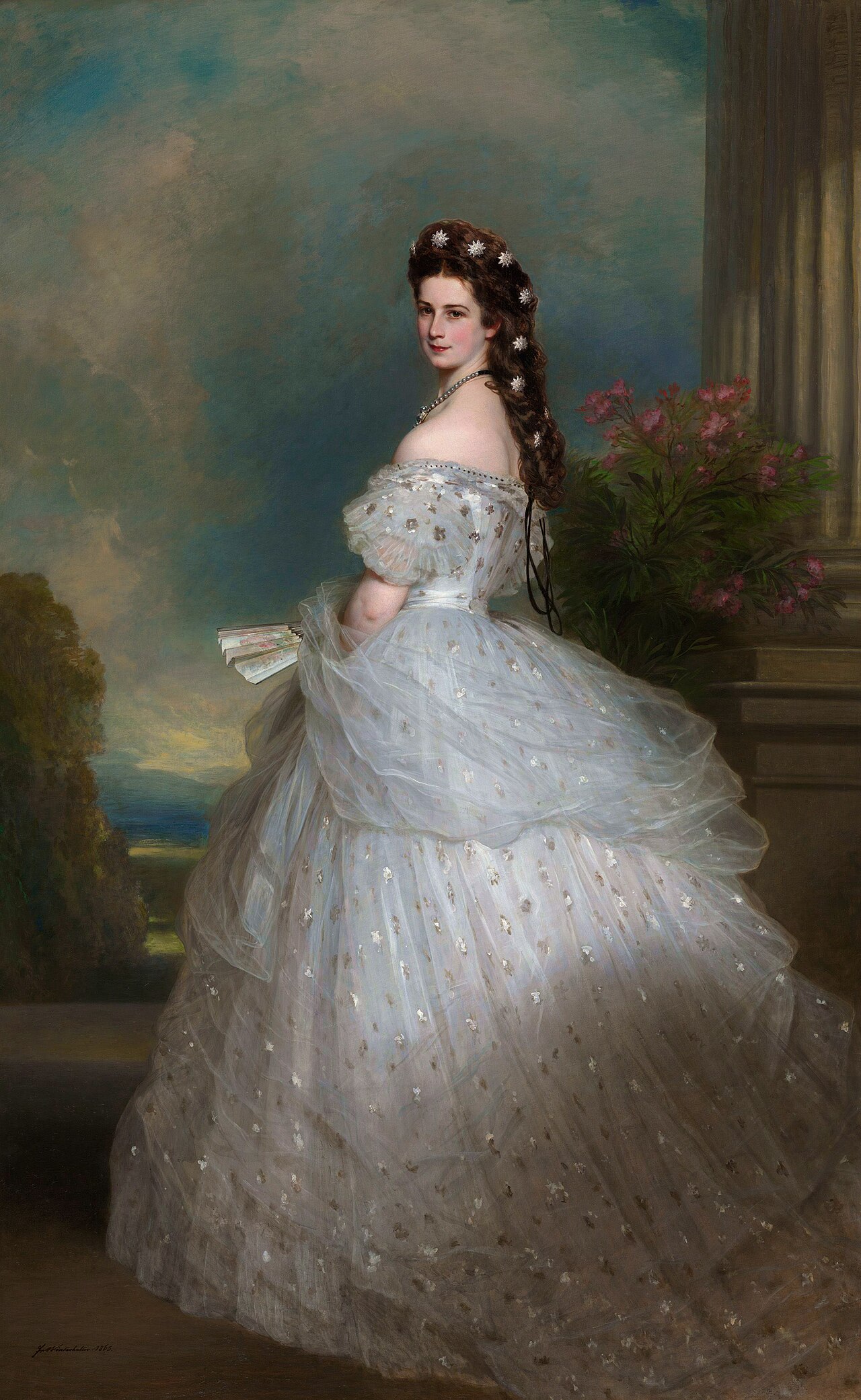 Painting
Primary source
Empress Elisabeth of Austria in Courtly Gala Dress with Diamond Stars
Franz Xaver Winterhalter · 1865
 Painting
Primary source
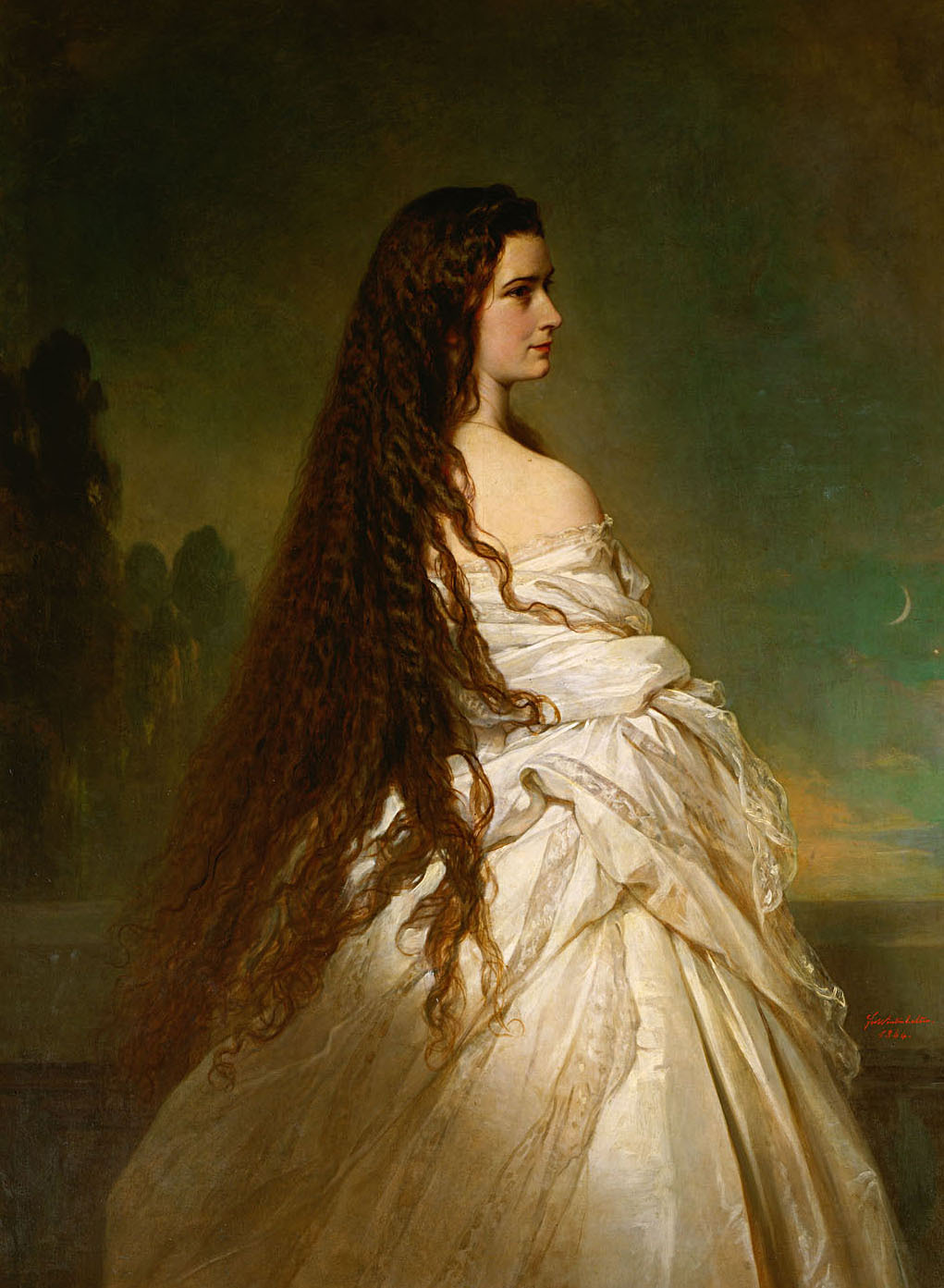
Empress Elisabeth of Austria with loosened hair, knee piece
Franz Xaver Winterhalter · 1864
 Artifact
Primary source
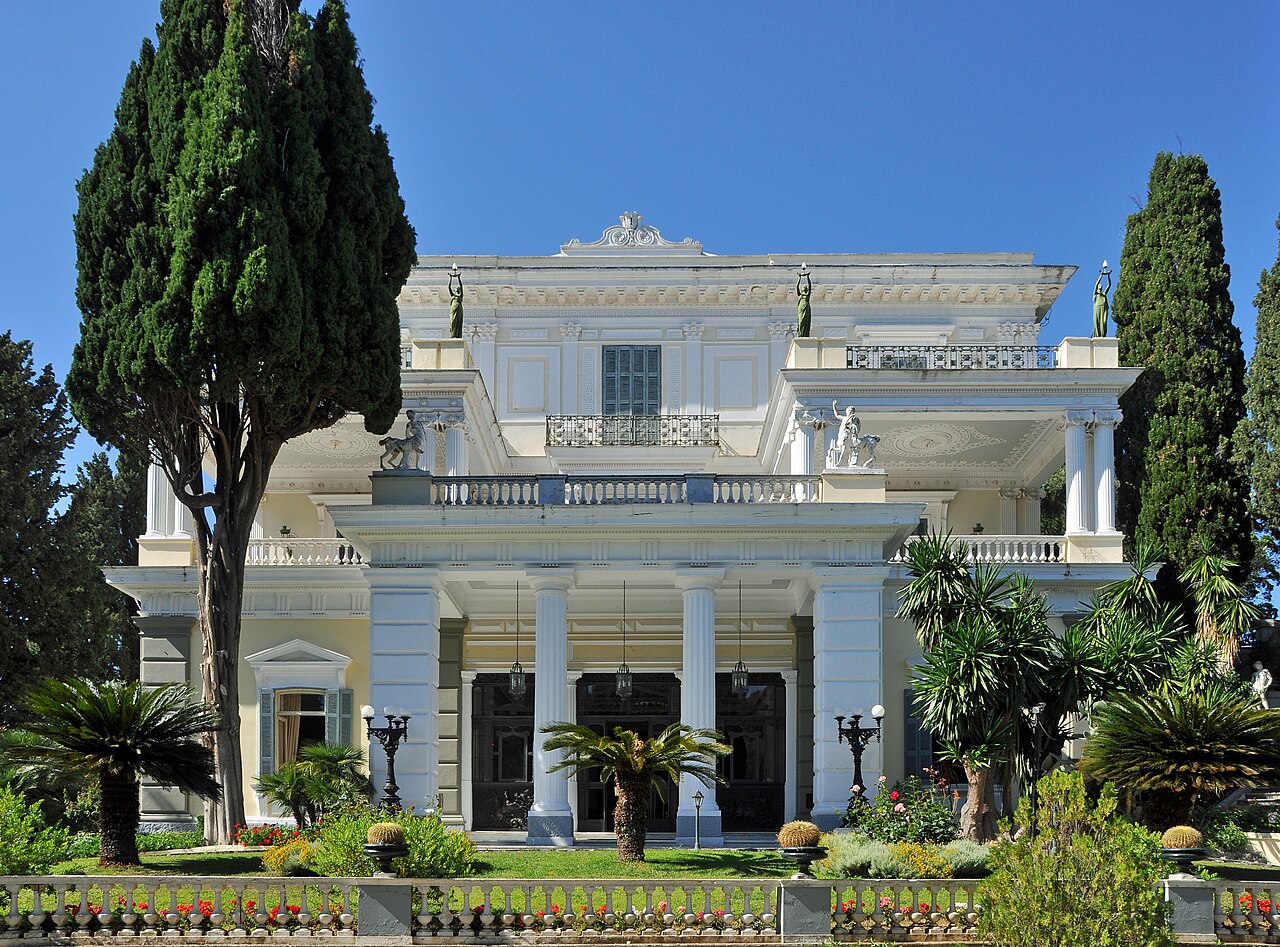
Achilleion
1890
 Photograph
Primary source
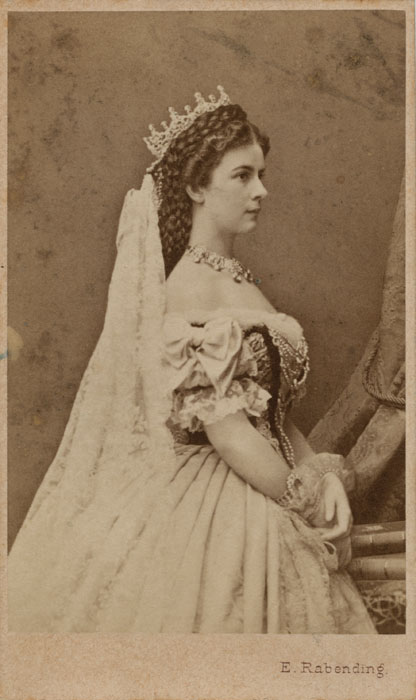
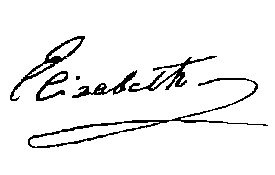
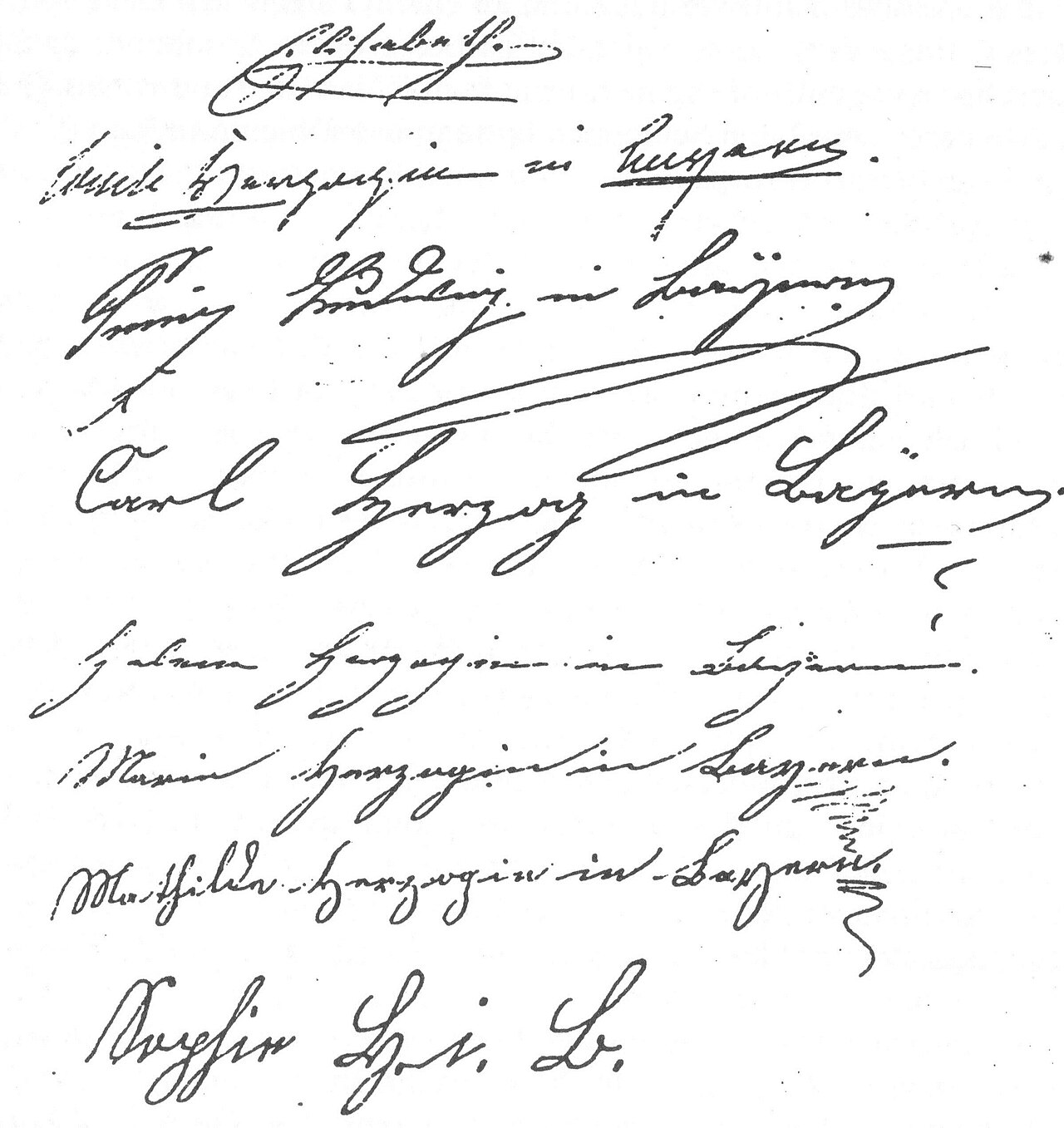
Photograph portraits of Empress Elisabeth by Emil Rabending
Emil Rabending · c. 1866–1867

Free account
Read every Empress Elisabeth of Austria source
Sign up free →
Ready when you are
Start chatting with Empress Elisabeth of Austria now.
20 messages free · No credit card · Available in 50+ languages.