


Primary sourcePaintingc. 1575
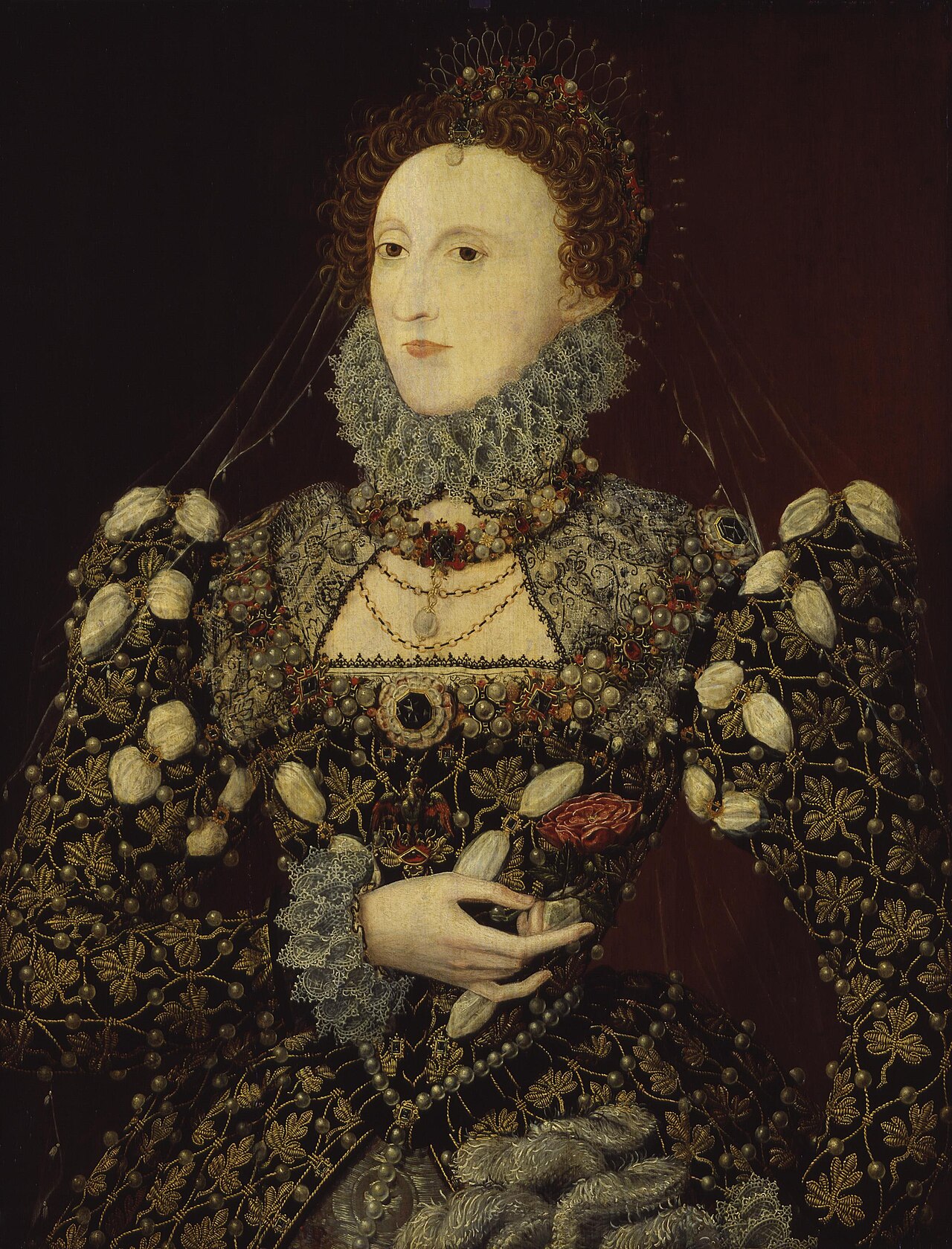
Queen Elizabeth I (Phoenix Portrait)
Nicholas Hilliard (associated) · c. 1575
A painting of Elizabeth I associated with Nicholas Hilliard, paired with the Pelican Portrait to present the Queen's uniqueness through symbolism.
A paired portrait with the Pelican Portrait, part of Hilliard's symbolic presentation of Elizabeth's unique status.
About this source
What it is
This portrait of Elizabeth I, dated around 1575 and associated with Nicholas Hilliard, is held by the National Portrait Gallery. It shows the Queen in a dark, richly embroidered gown studded with pearls, holding flowers at her waist.
Why it matters
The painting is known as the Phoenix Portrait and pairs with the Pelican Portrait. Technical analysis has shown the two were painted in the same workshop, on panels cut from the same oak trees, and share the exact same face pattern. Together they formed part of a deliberate programme to present Elizabeth as unique and self-sacrificing.
Look closer
- Compare this portrait with the Pelican Portrait — what is similar and what differs?
- Why might an artist reuse the same face pattern across different paintings?
- What does the choice of symbols tell us about how Elizabeth wanted to be seen?
This painting is part of the curated material that grounds the AI version of Elizabeth I on Humy.ai — when students ask about related events, the AI can quote it and cite it.
More Elizabeth I sources
Meet the AI Elizabeth I →Primary source
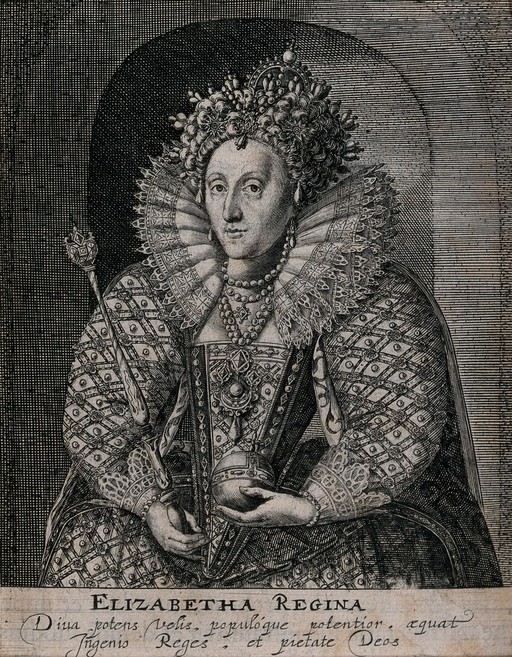
Speech to the Troops at Tilbury
Elizabeth I of England · 1588
 Painting
Secondary source
Queen Elizabeth I of England by Isaac Oliver
Isaac Oliver · 1620
 Painting
Primary source
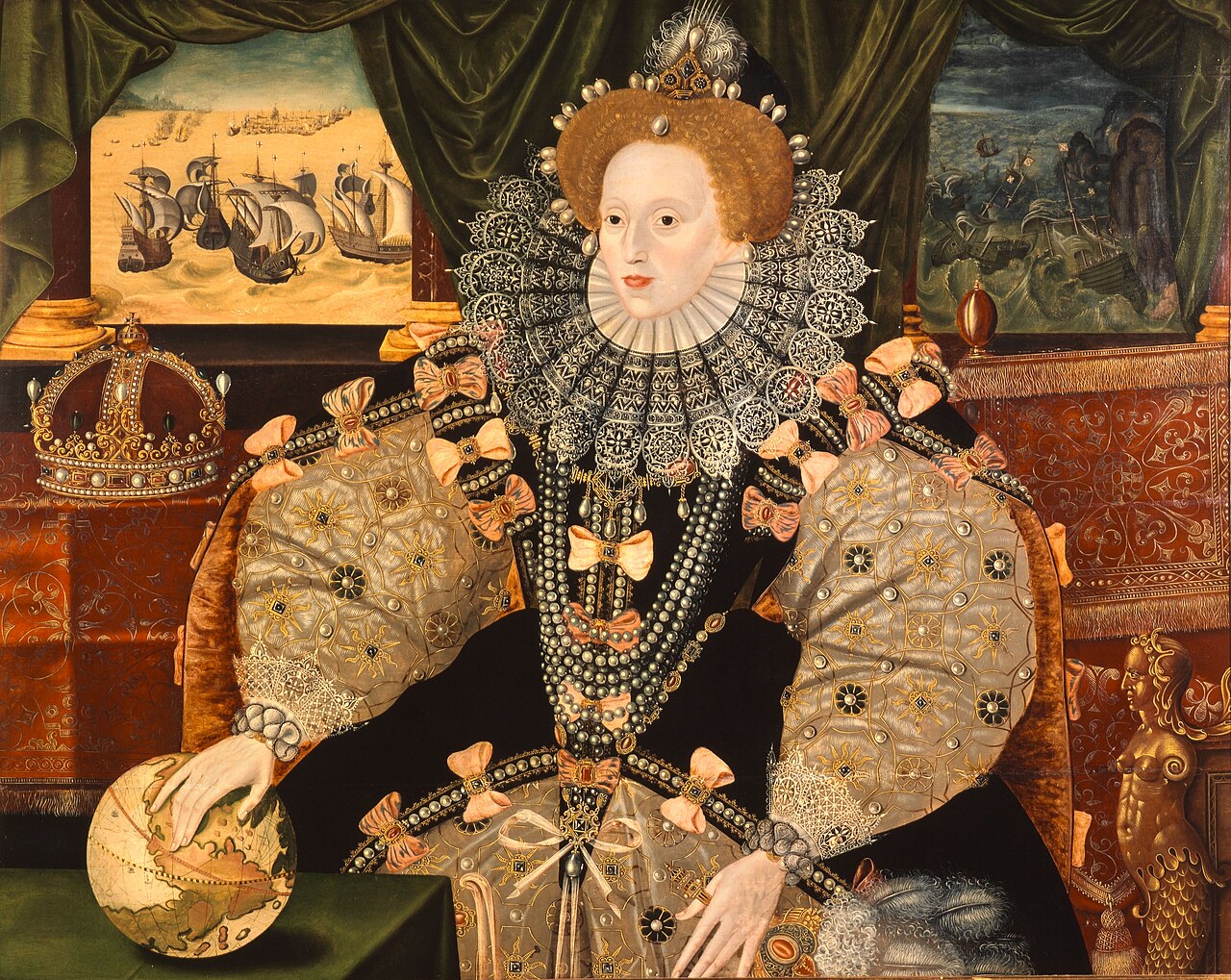
Armada Portrait
Unknown English artist · 1588
 Painting
Secondary source
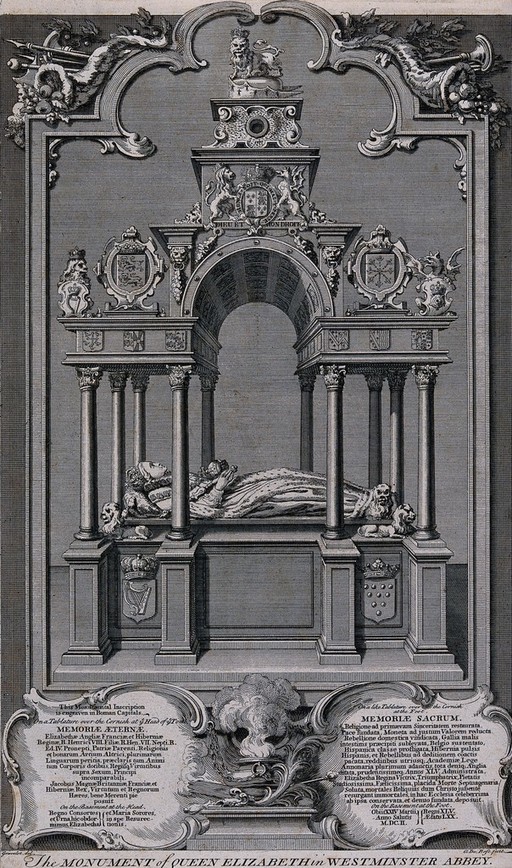
Monument to Queen Elizabeth I in Westminster Abbey
Hubert Francois Bourguignon d'Anville Gravelot
 Painting
Secondary source
Queen Elizabeth I in parliamentary robes
Isaac Oliver · 1600-1699
Ready when you are
Start chatting with Elizabeth I now.
20 messages free · No credit card · Available in 50+ languages.