


Primary sourcePainting1799
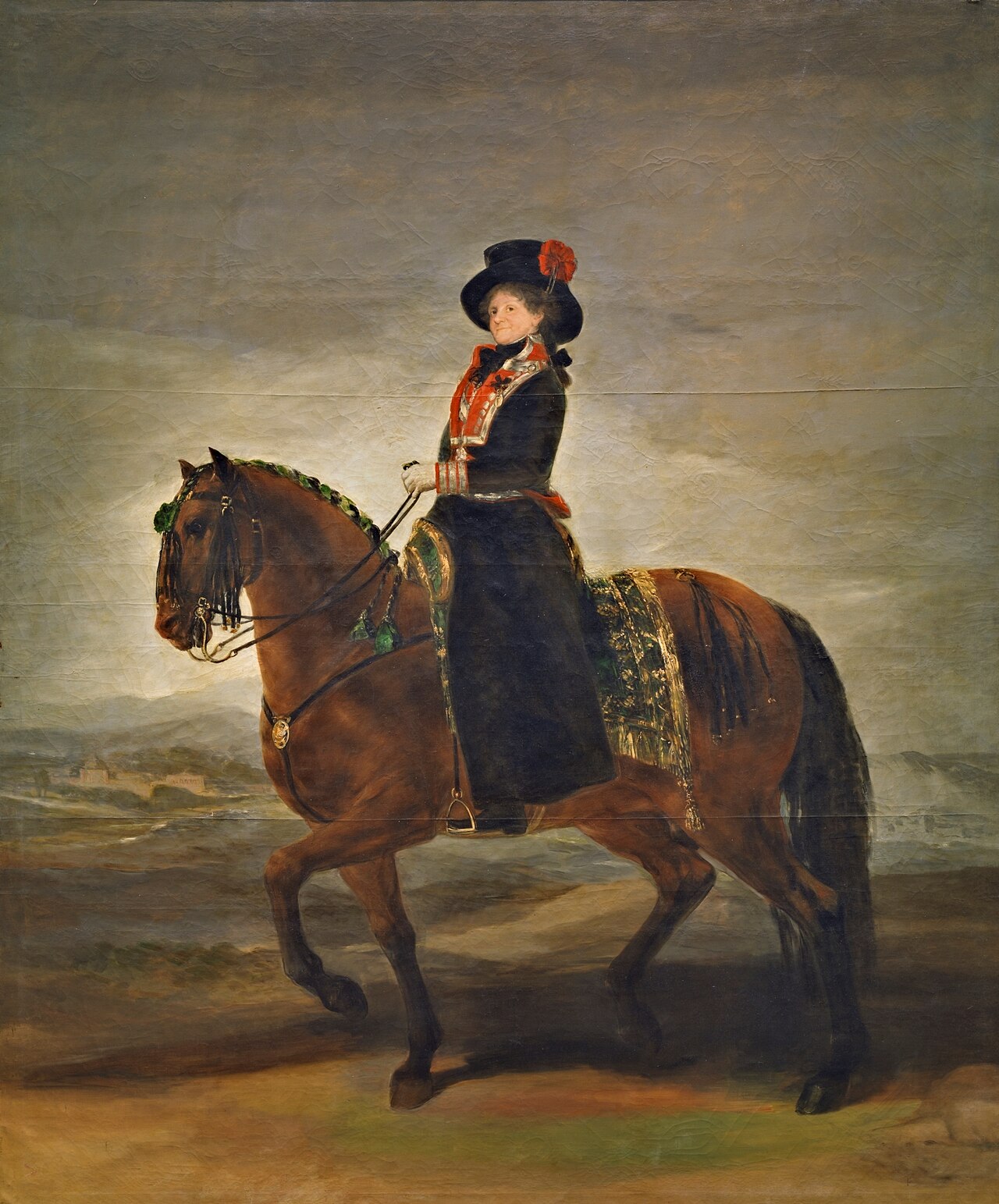
Queen María Luisa on horseback
Francisco Goya · 1799
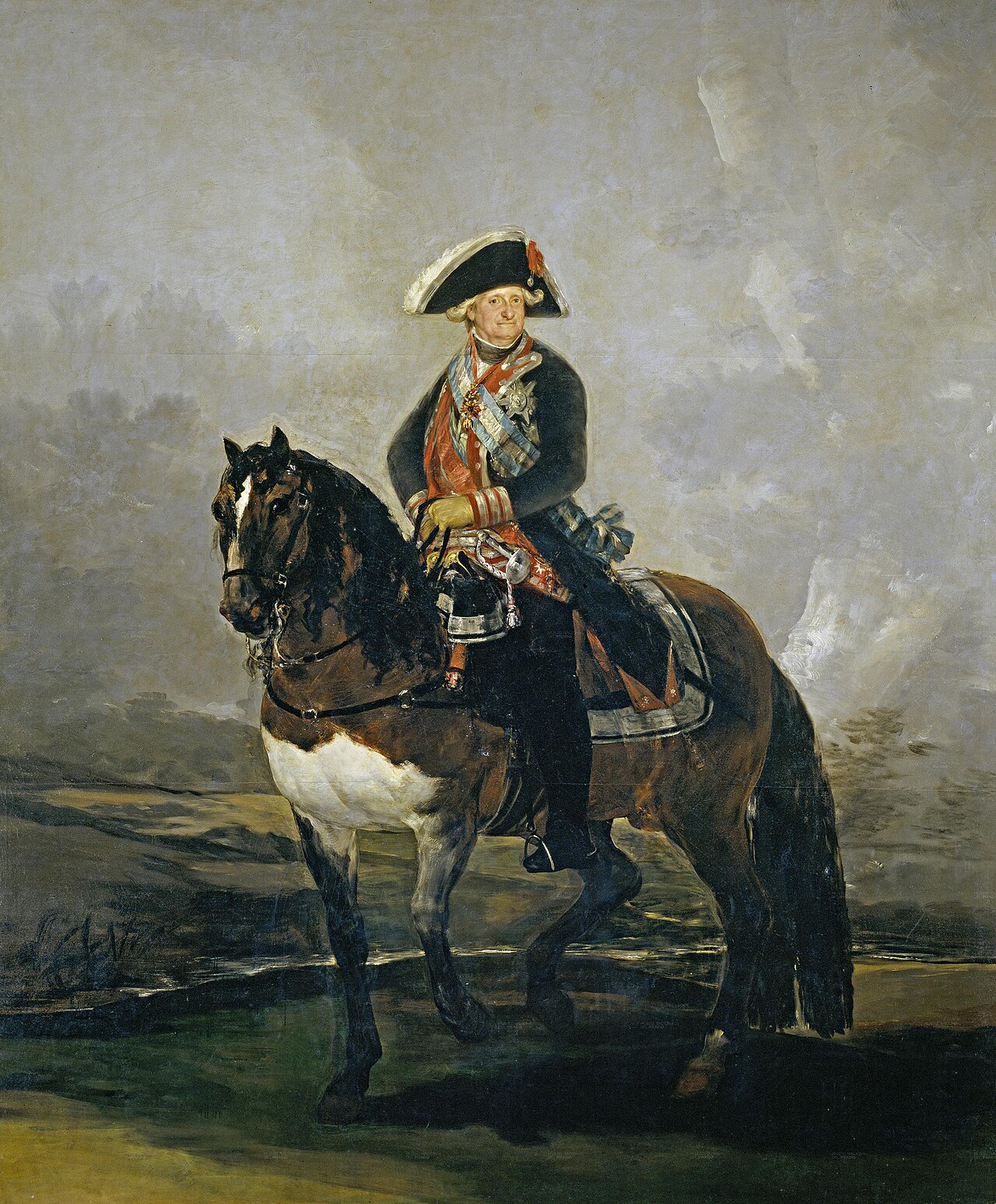
Goya's 1799 equestrian portrait of Queen María Luisa, wife of Charles IV, painted as a pair with the king's own equestrian portrait.
This is the companion portrait to Charles IV's own equestrian painting, showing his queen as an equal figure of royal authority.
Free Humy account · No credit card · 120,912 sources to read
About this source
What it is
This 1799 oil painting by Francisco de Goya shows Queen María Luisa of Parma riding side-saddle on horseback. It was made as a matching companion piece to an equestrian portrait of her husband, Charles IV. The painting is held at the Museo del Prado.
Why it matters
María Luisa was known to hold real influence at court, including over the favourite Manuel Godoy. Painting the queen on horseback, a pose usually used for rulers and military figures, placed her visually on equal footing with the king. The pairing of royal portraits reveals how the monarchy wanted to present its image to the public.
Look closer
- Why might the queen be shown on horseback rather than seated indoors?
- What does pairing the queen's portrait with the king's suggest about how royal power was displayed?
- What is left out of a formal portrait like this about the queen's actual role in politics?
This painting is part of the curated material that grounds the AI version of Charles IV of Spain on Humy.ai — when students ask about related events, the AI can quote it and cite it.
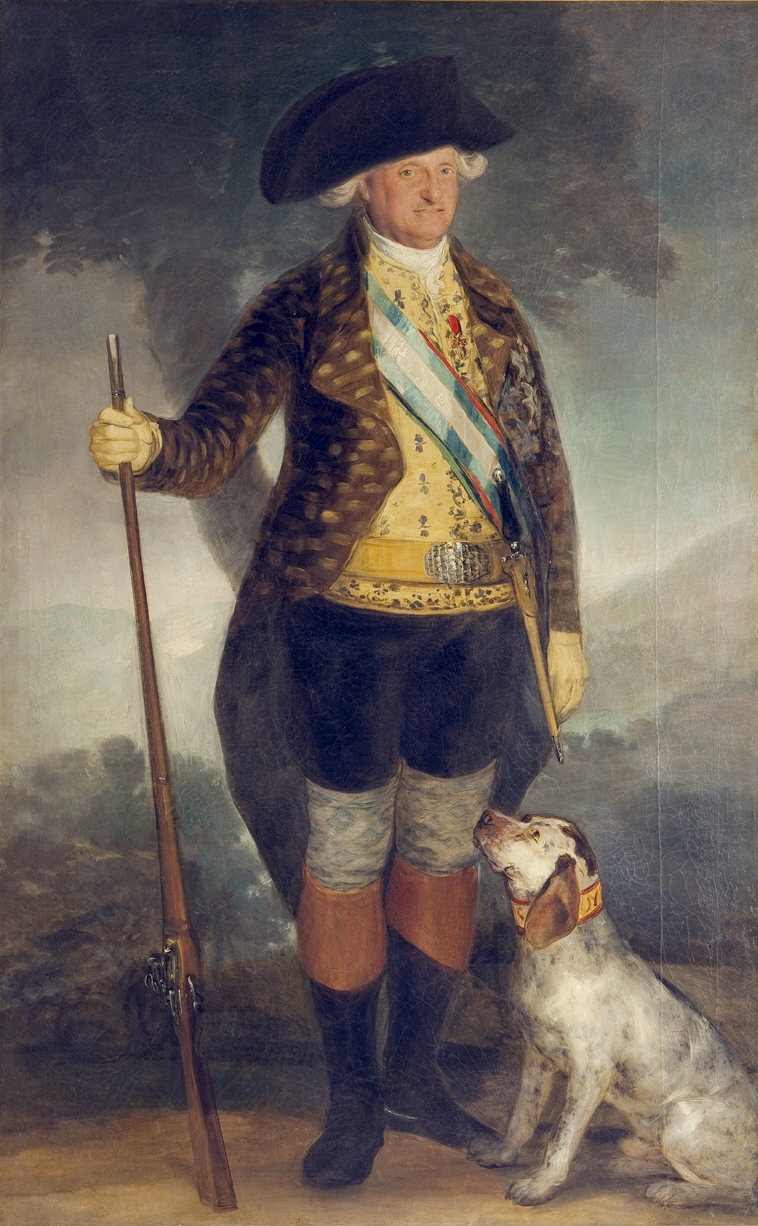
More Charles IV of Spain sources
Browse all 95 →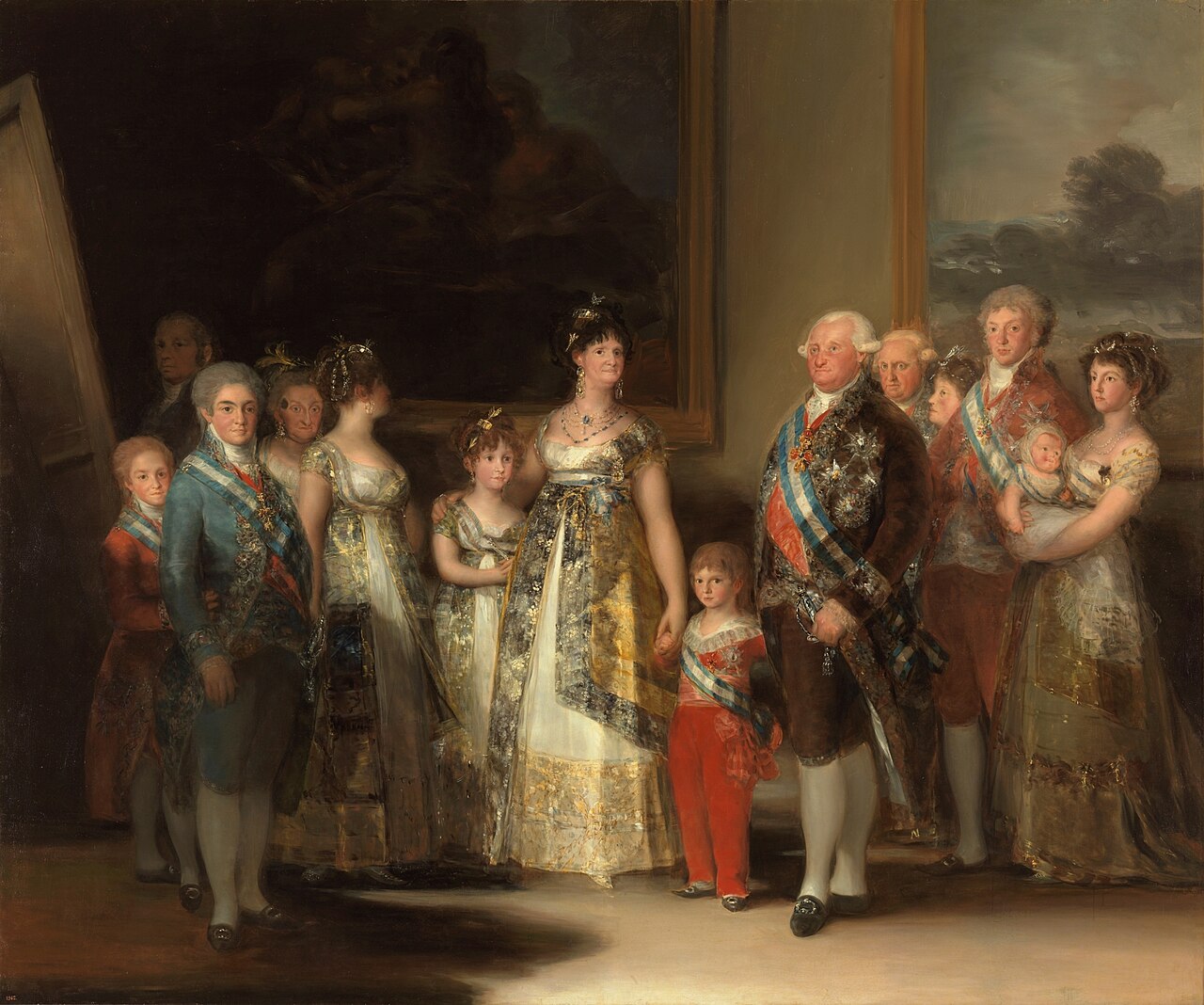 Painting
Primary source
Charles IV of Spain and His Family
Francisco Goya · 1800-1801
 Document
Primary source
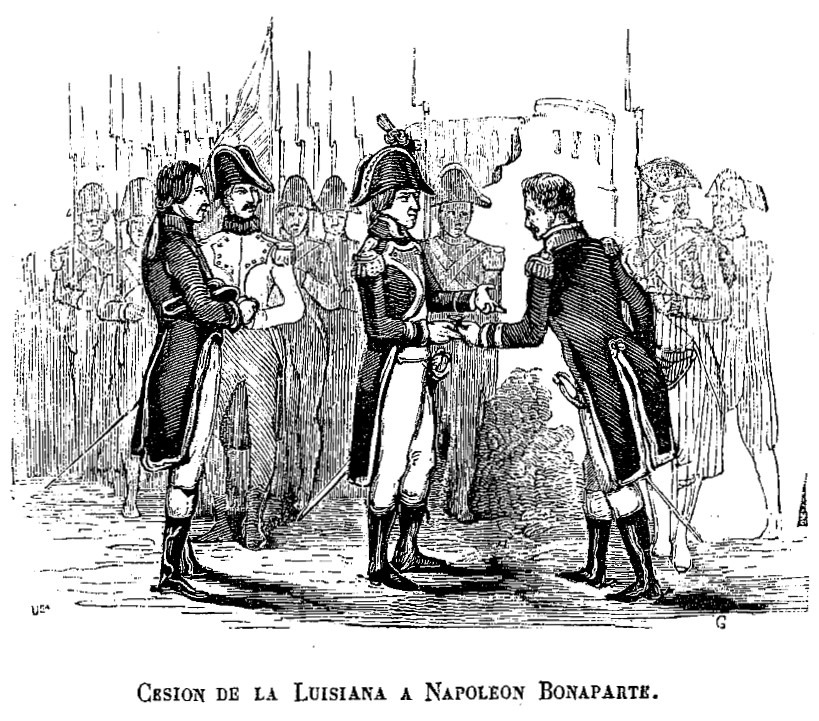
Treaty of San Ildefonso
1 October 1800
 Document
Primary source
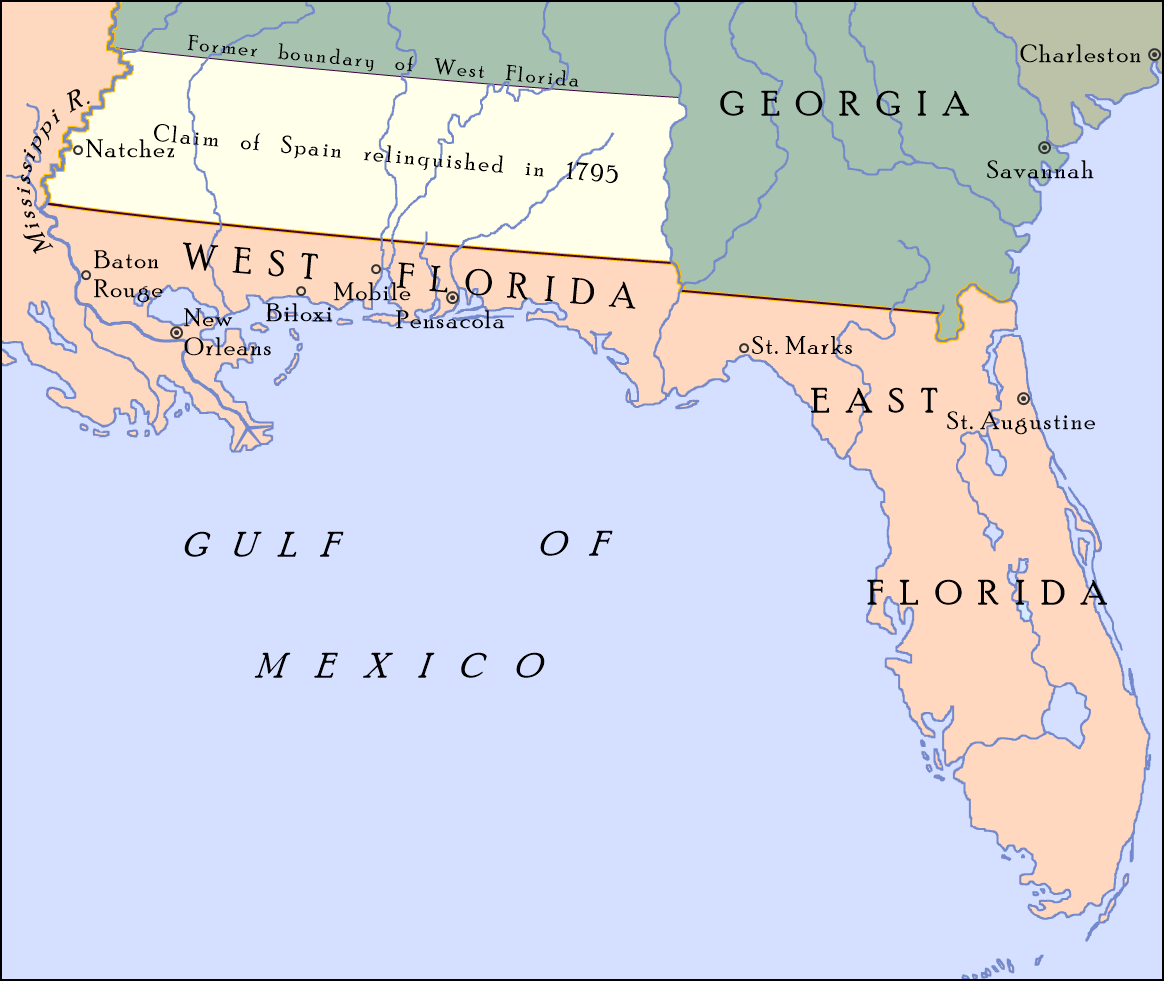
Pinckney's Treaty
27 October 1795
 Painting
Primary source
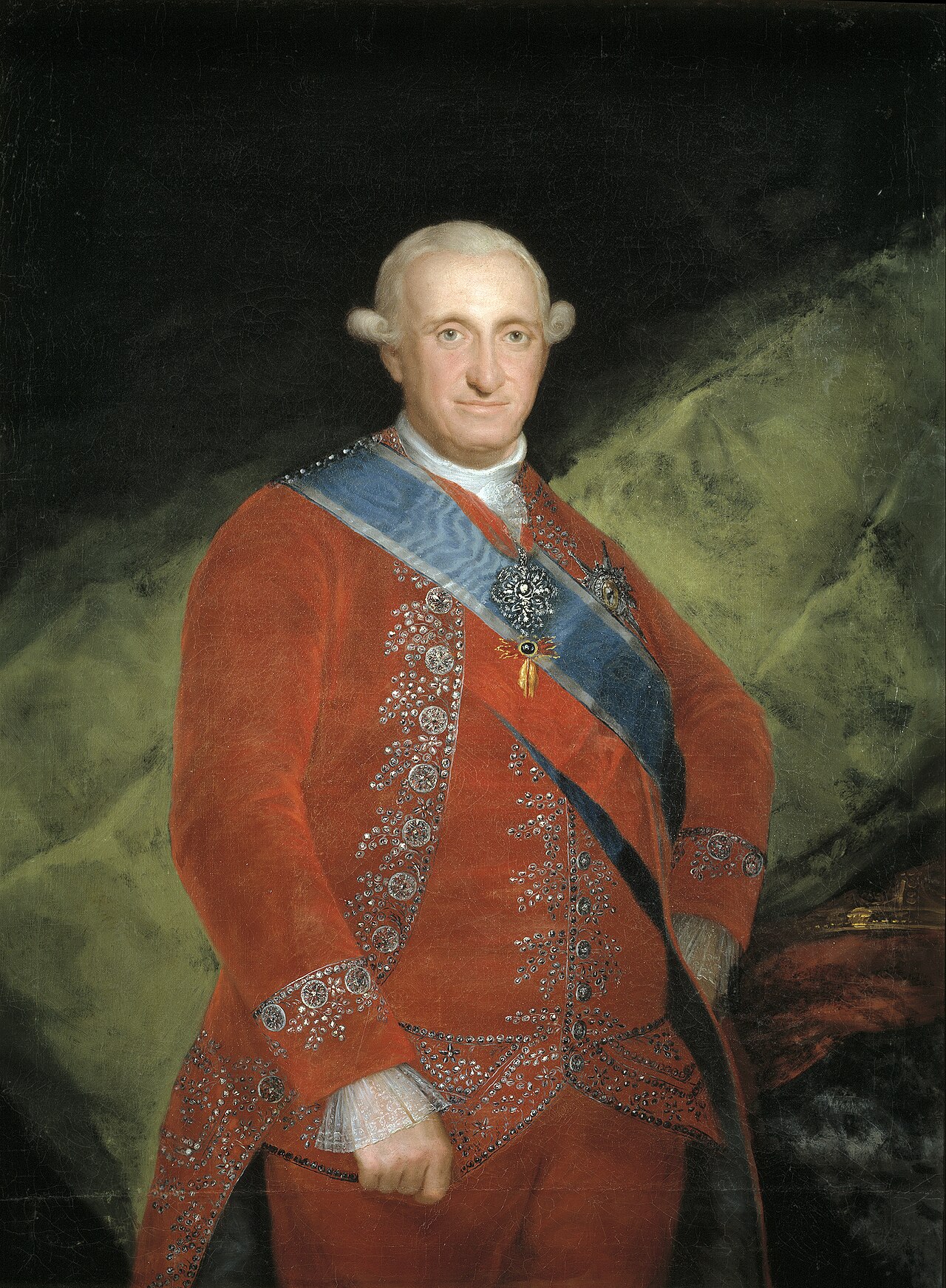
Charles IV in Red
Francisco Goya · 1789
Free account
Read every Charles IV of Spain source
Sign up free →
Ready when you are
Start chatting with Charles IV of Spain now.
20 messages free · No credit card · Available in 50+ languages.