


Primary sourceArtifact1957
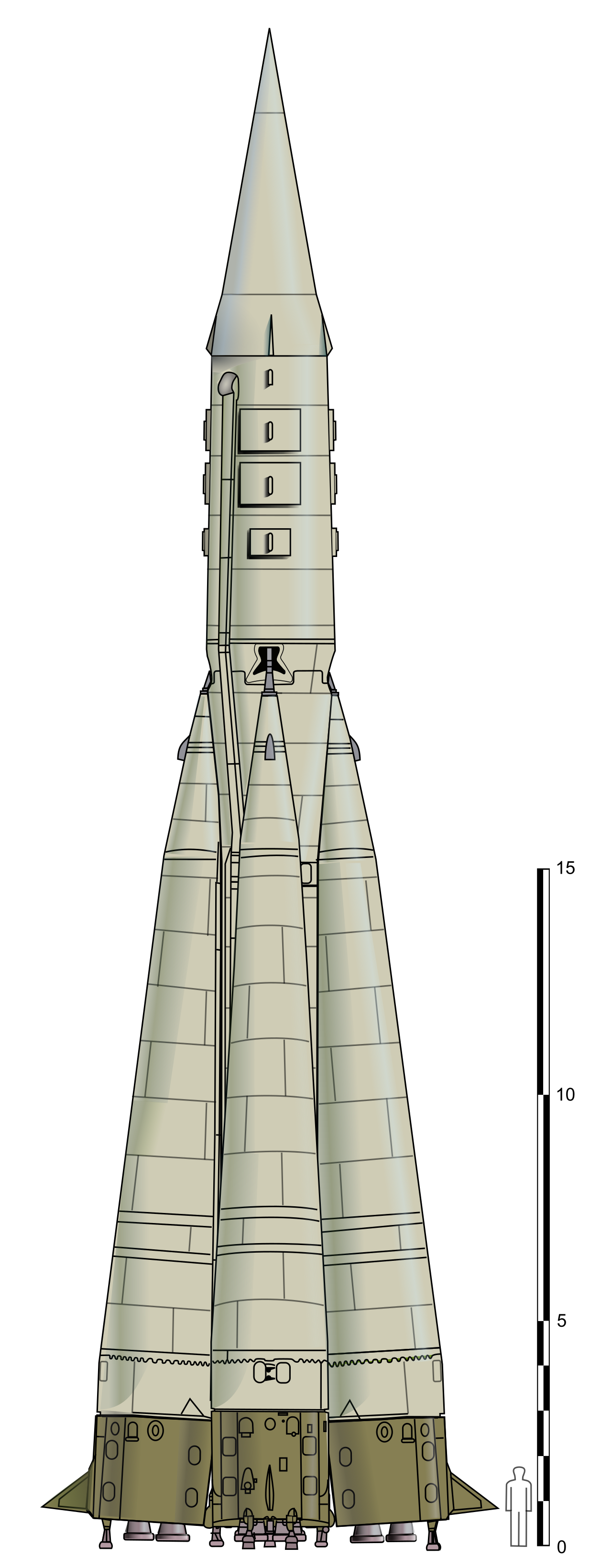
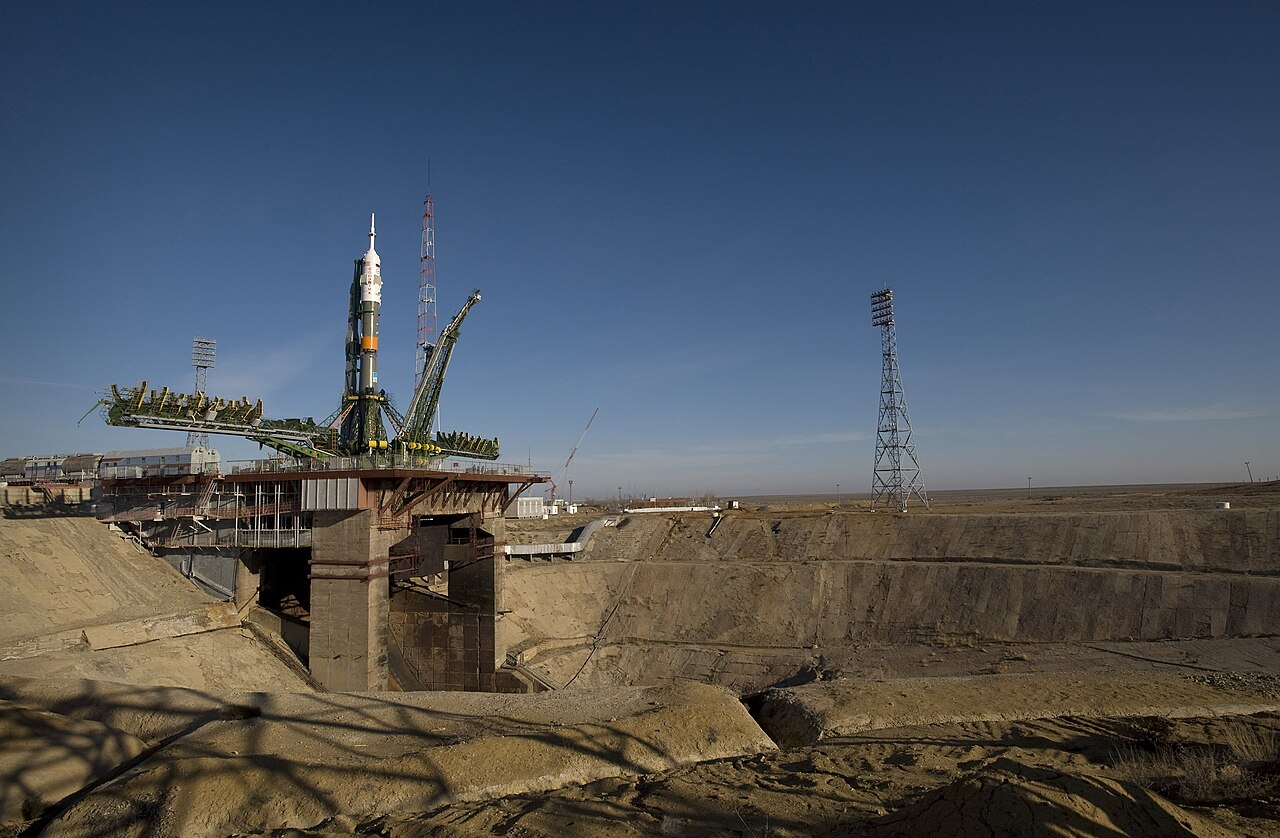
R-7 Rocket
OKB-1 under Sergei Korolev · 1957
The R-7 Semyorka, developed under Sergei Korolev as the first intercontinental ballistic missile, became the basis for Soviet space launches including Sputnik and Gagarin's flight.
The R-7 was Korolev's rocket design, used to launch Sputnik and later crewed missions he oversaw.
About this source
What it is
The R-7 is a family of rockets descended from the R-7 Semyorka, developed by OKB-1 under Sergei Korolev in the 1950s as the world's first intercontinental ballistic missile. It was first successfully tested in 1957.
Why it matters
Though it proved impractical as a weapon, the R-7's large payload capacity made it ideal for launching satellites and spacecraft, giving the Soviet Union an early lead in the space race. An unmodified R-7 launched Sputnik 1, and variants carried Yuri Gagarin into orbit and sent probes to the Moon. The rocket's design evolved into the Soyuz family still used today. The 'Korolev Cross' pattern formed by its booster separation is named after him.
Look closer
- Why would a weapon designed to carry nuclear warheads also be useful for launching satellites?
- What does the rocket's long service life tell us about the strength of its original design?
- How did military and scientific goals overlap in this one piece of technology?
This artifact is part of the curated material that grounds the AI version of Sergei Korolev on Humy.ai — when students ask about related events, the AI can quote it and cite it.
More Sergei Korolev sources
Browse all 81 →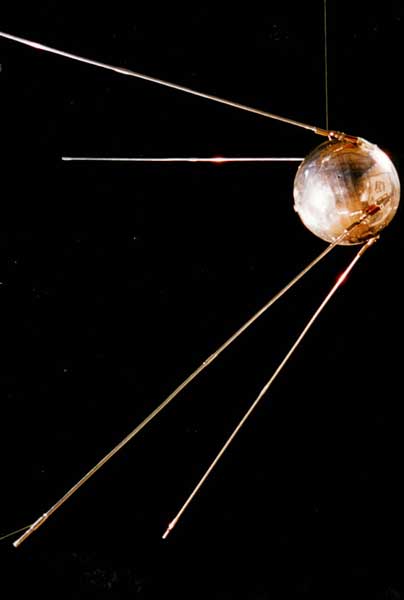 Artifact
Primary source
Sputnik 1
OKB-1 under Sergei Korolev · 1957
 Document
Primary source
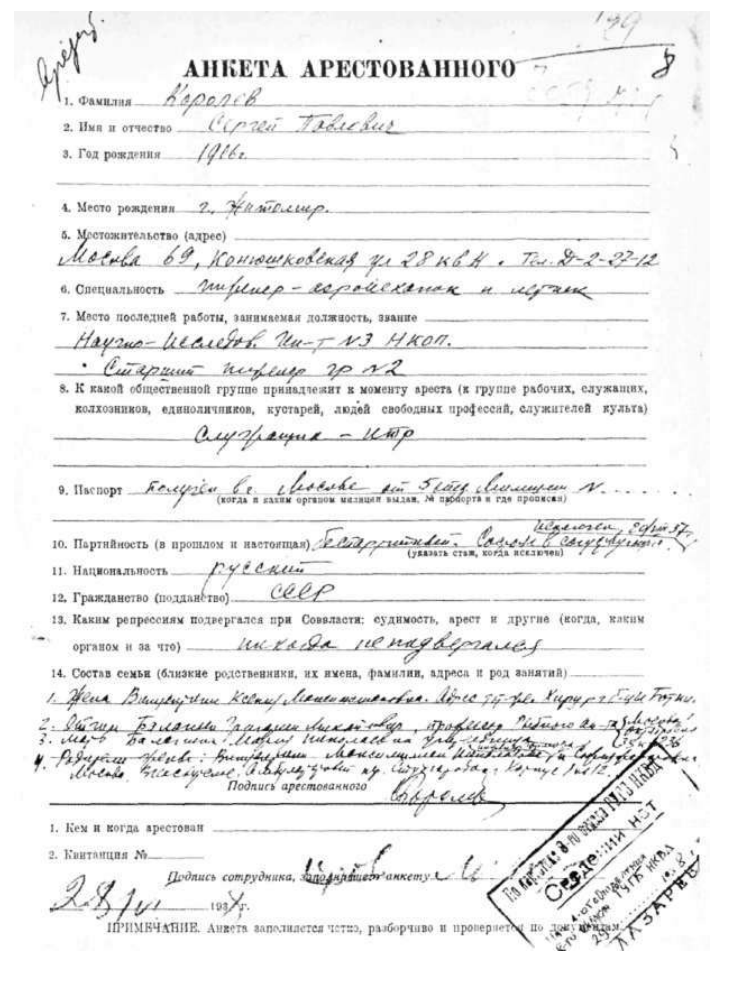
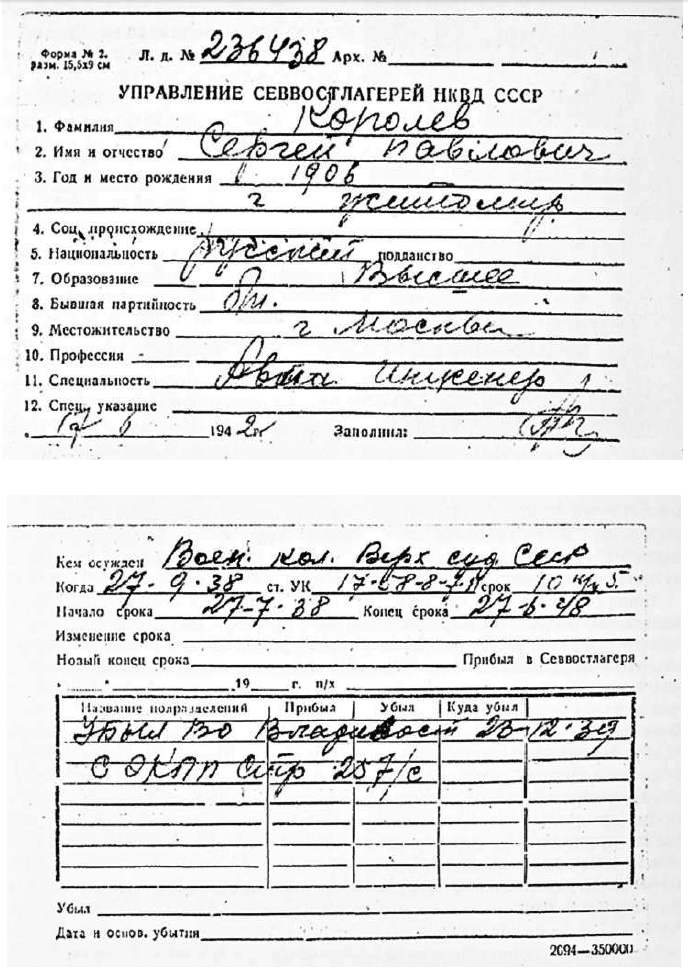
Arrest Questionnaire of S.P. Korolev
USSR · 28 June 1938
 Document
Primary source
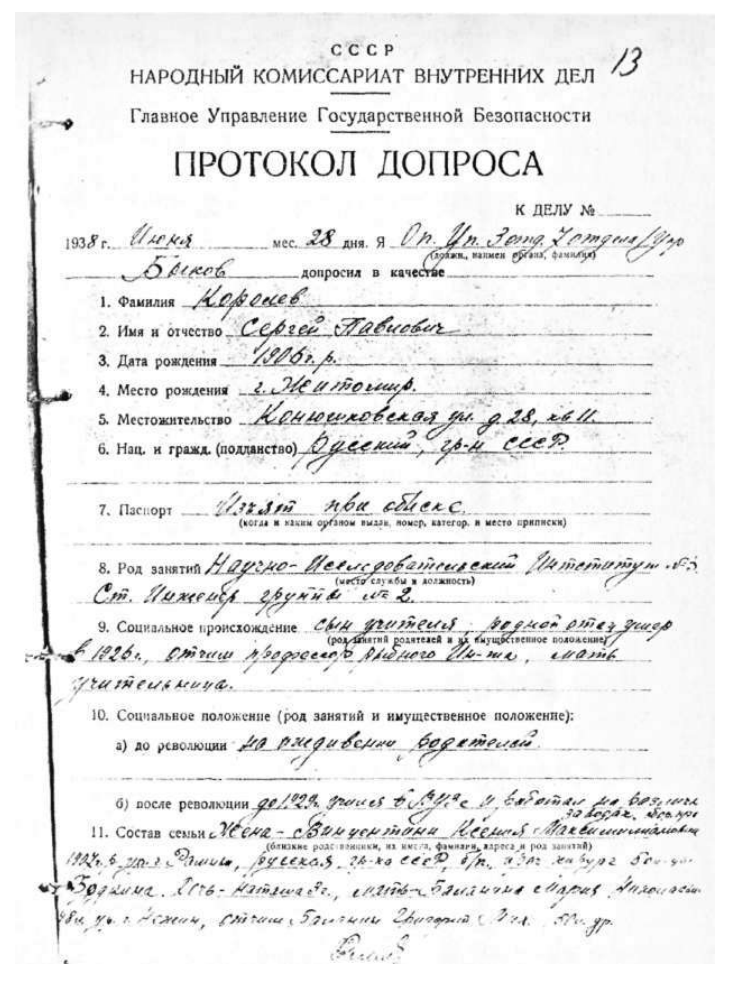
First Interrogation Protocol of S.P. Korolev
USSR · 28 June 1938
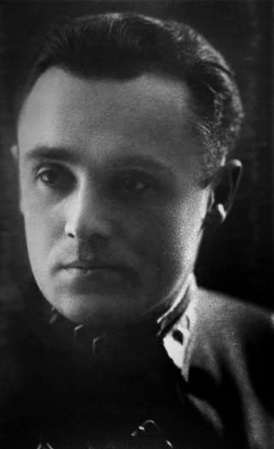 Photograph
Primary source
Portrait of Sergey Korolyov
Anonymous
Free account
Read every Sergei Korolev source
Sign up free →
Ready when you are
Start chatting with Sergei Korolev now.
20 messages free · No credit card · Available in 50+ languages.