


Secondary sourcePainting586
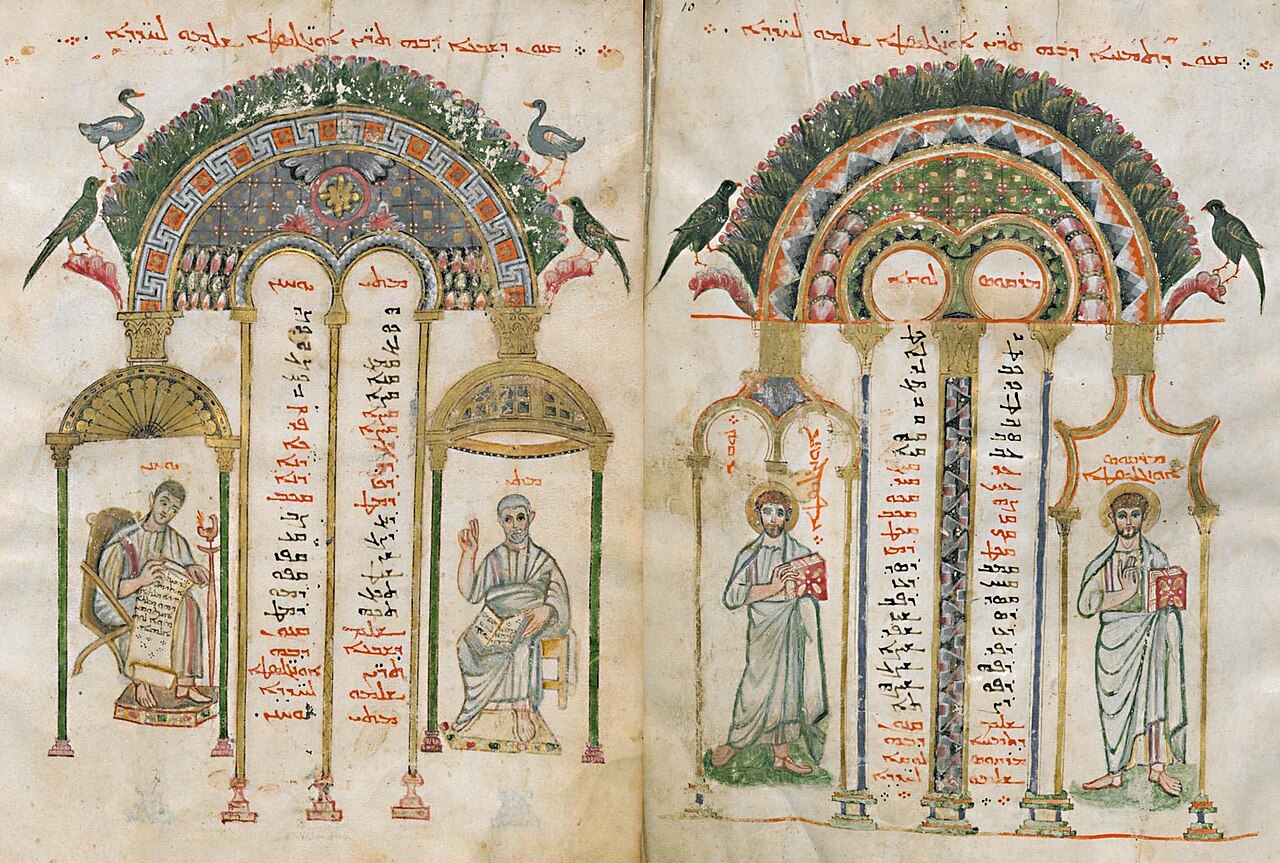
Rabbula Gospels
Rabbula (scribe) · 586
A 6th-century illuminated Syriac Gospel book whose miniatures show Mary Magdalene at Christ's tomb and crucifixion, among the earliest Eastern images of her.
Its miniature of the women at the tomb is an early Eastern image showing Mary Magdalene as witness to the resurrection.
About this source
What it is
The Rabbula Gospels is an illuminated Syriac Gospel book completed in 586, signed by the scribe Rabbula. It is now held at the Biblioteca Medicea Laurenziana in Florence. It contains full-page miniatures, including scenes of the Crucifixion and the women at the tomb.
Why it matters
Made in a period from which very little Christian art survives, it is an important source for how early Eastern Christians pictured biblical scenes. One of its miniatures shows the Three Marys, including Mary Magdalene, at Christ's tomb, an early example of how artists portrayed her role as witness to the resurrection. Scholars have debated whether the miniatures were bound with the text later, which shows how manuscripts can be reshaped over centuries.
Look closer
- What details in the miniature suggest how the artist imagined the scene at the tomb?
- Why might this manuscript's images be rare evidence for this period of art history?
- How might later rebinding change how we read the original intentions of the makers?
This painting is part of the curated material that grounds the AI version of Mary Magdalene on Humy.ai — when students ask about related events, the AI can quote it and cite it.
More Mary Magdalene sources
Browse all 96 →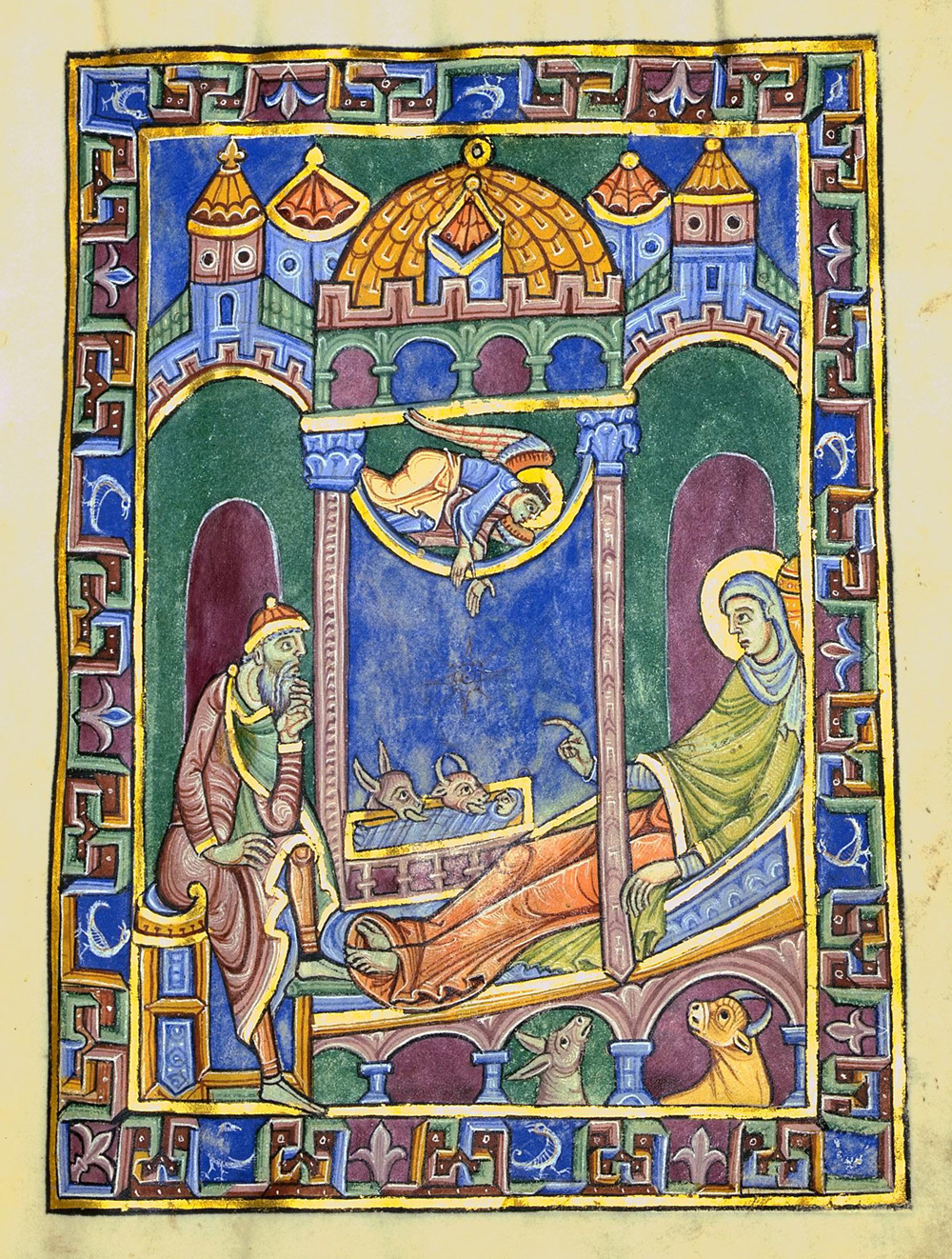 Painting
Secondary source
St Albans Psalter
12th century
 Book
Secondary source
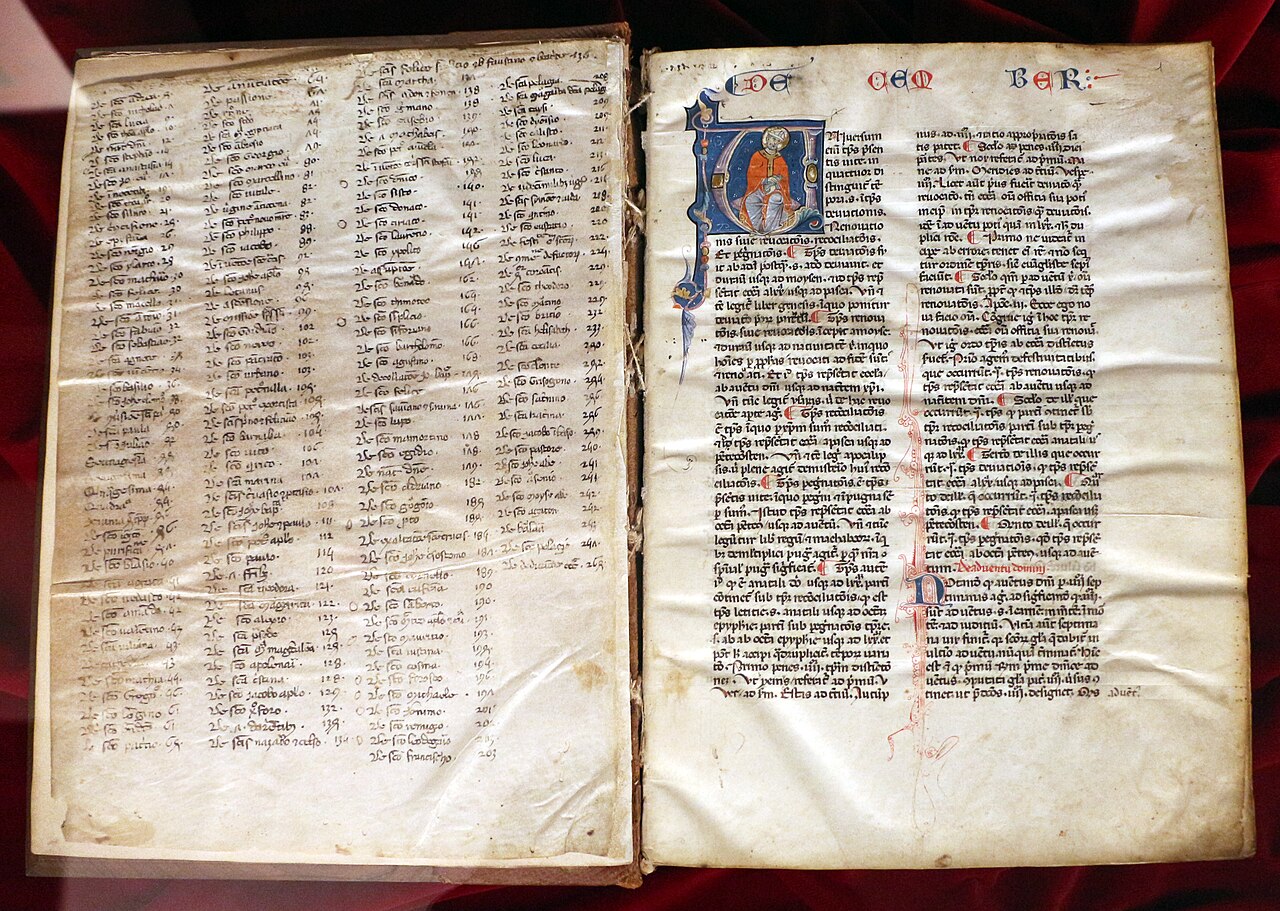
Golden Legend
Jacobus de Voragine · c. 1259–1266
 Artifact
Tertiary source
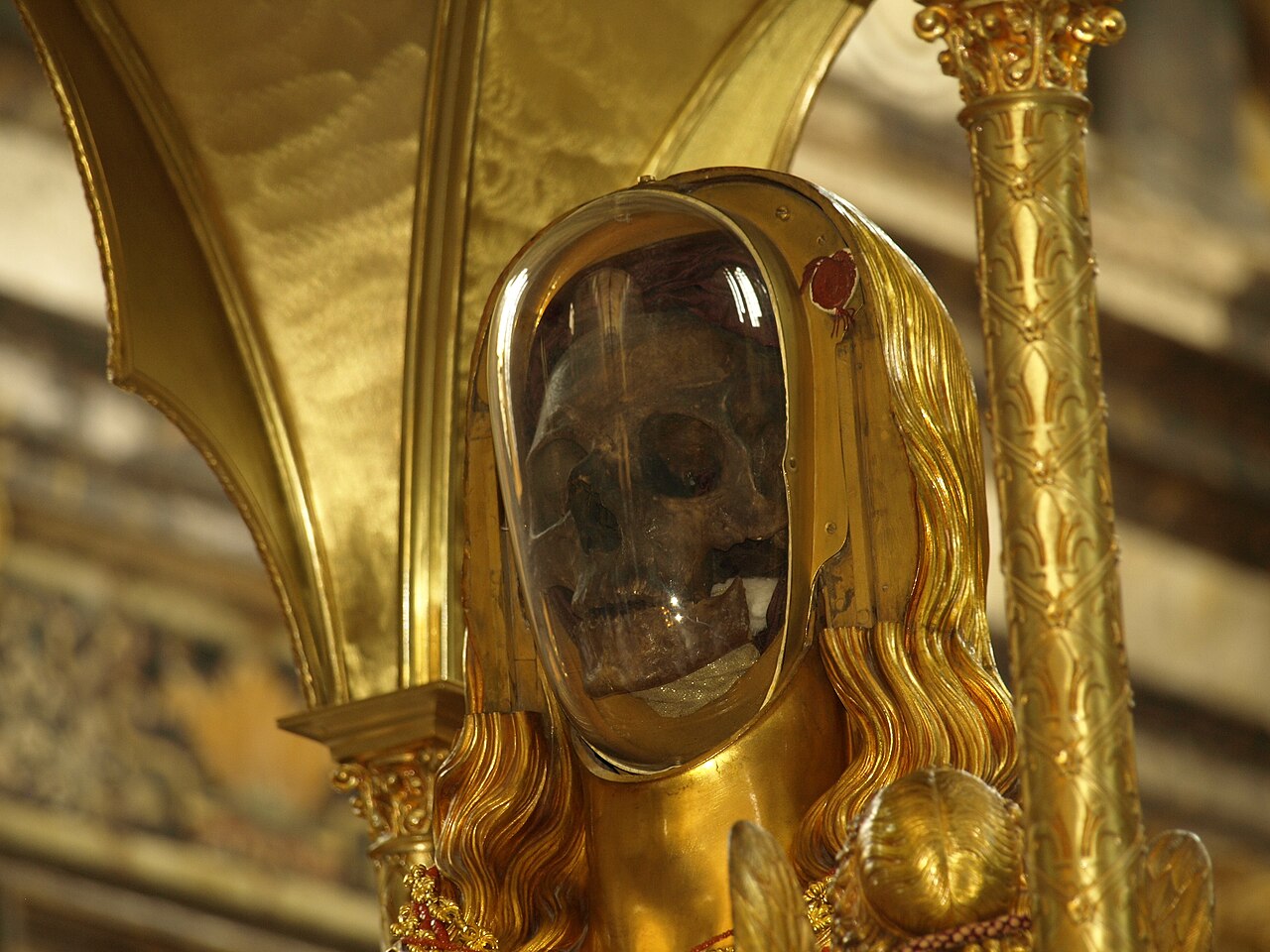
Skull Relic of Mary Magdalene
relic venerated from 1279; reliquary 19th century
 Painting
Secondary source
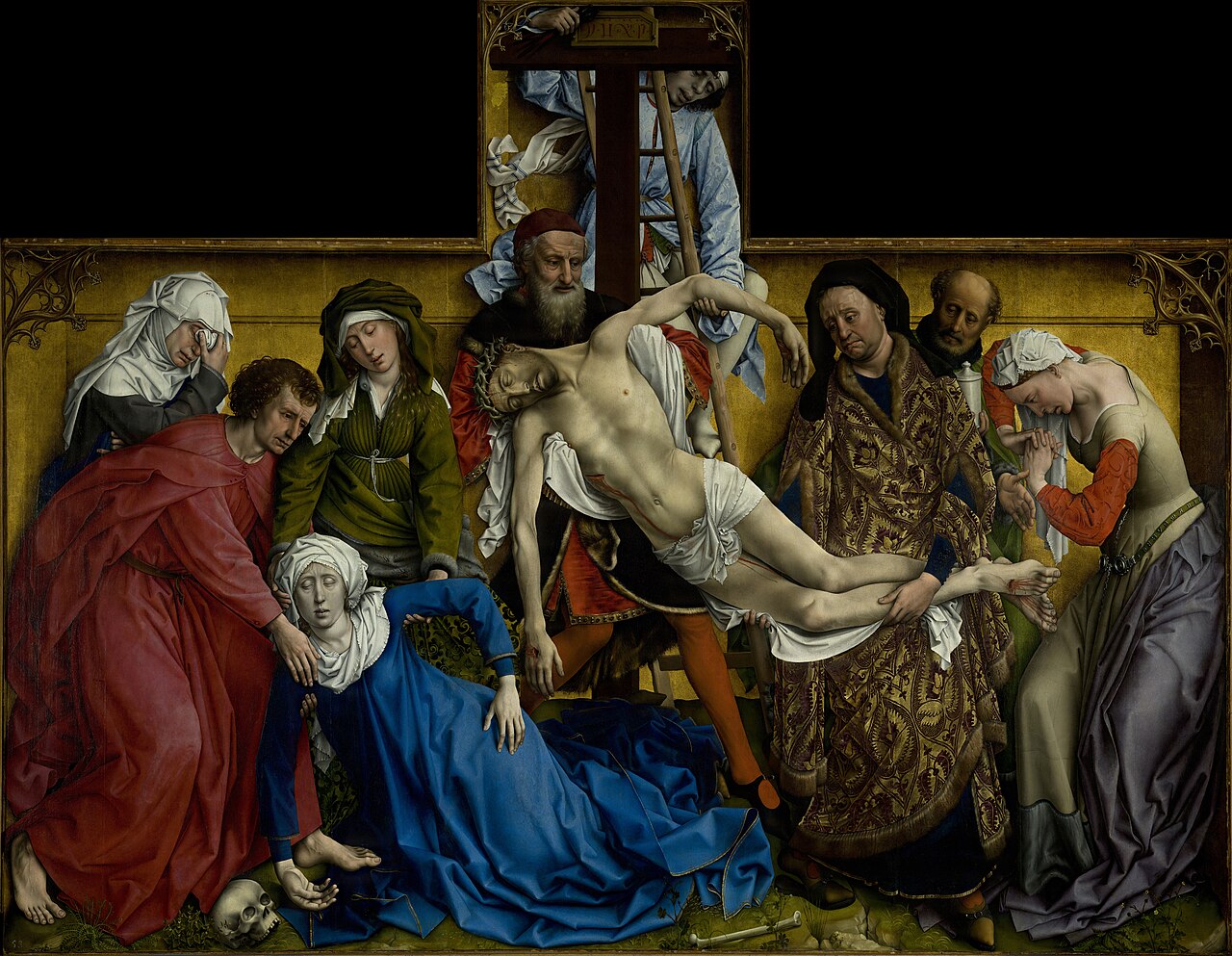
The Descent from the Cross
Rogier van der Weyden · c. 1435
Free account
Read every Mary Magdalene source
Sign up free →
Ready when you are
Start chatting with Mary Magdalene now.
20 messages free · No credit card · Available in 50+ languages.