


Secondary sourcePainting1910
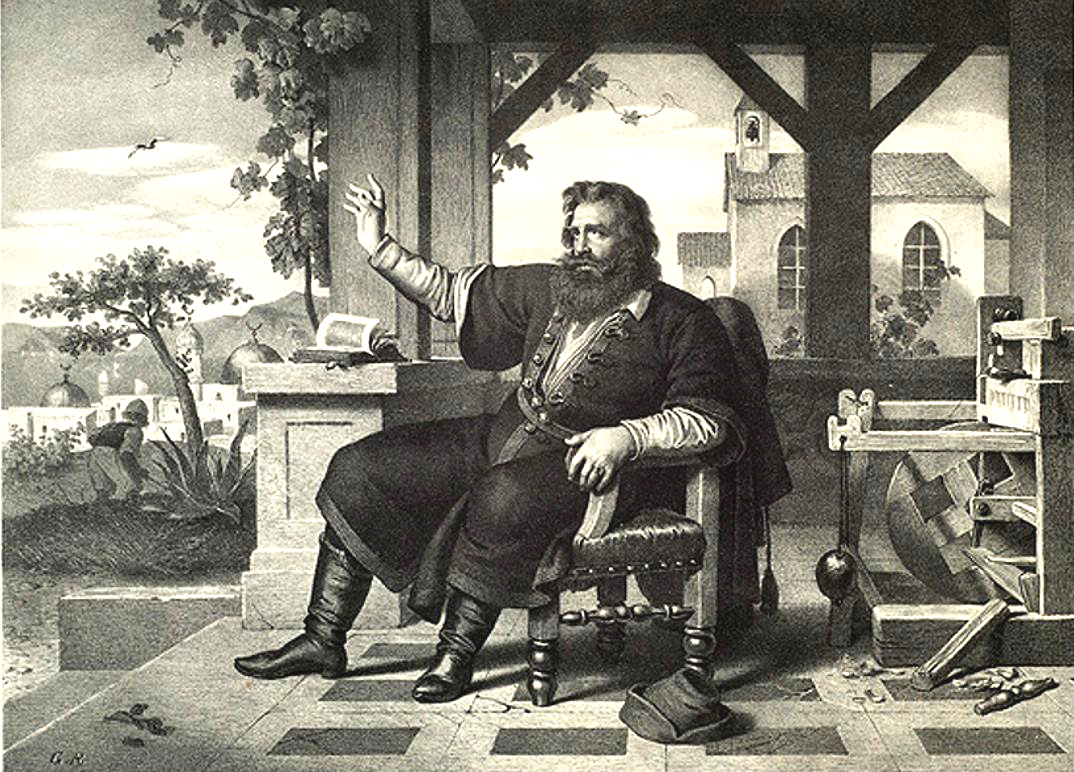
Rákóczi in Rodostó
Tolnai, after Rezső Grimm · 1910
A 1910 black-and-white print showing Rákóczi seated on a terrace during his exile at Rodostó. It is based on a 19th-century lithograph by Rezső Grimm, so it is a later reconstruction.
It shows Rákóczi in his exile at Rodostó, the final period of his life after the uprising, although the image is a later reconstruction.
About this source
What it is
This is a black-and-white print from 1910 titled Rákóczi in Rodostó. It was based on a 19th-century lithograph by Rezső Grimm, held by the Hungarian National Museum. It shows a bearded man with long hair seated on a tiled terrace in a dark coat with braided trim and tall boots. A table with an open book stands beside him, and a white church and a distant town with domes appear behind him. The Commons record also uses the title Rákóczi in Tekirdağ, which is the modern name of the town.
Why it matters
Rákóczi spent his last years in exile at Rodostó after the uprising he led against the Habsburgs ended. The print shows how people in the early 20th century pictured that exile, but it is a reconstruction made decades after the events and not a view from life.
Look closer
- What details suggest the setting is far from home, and what details suggest comfort or routine?
- Why might an artist in 1910 choose to show a lithograph from the 19th century rather than a new scene?
- What does the print leave out about the people who shared his exile?
This painting is part of the curated material that grounds the AI version of Francis II Rákóczi on Humy.ai — when students ask about related events, the AI can quote it and cite it.
More Francis II Rákóczi sources
Browse all 90 →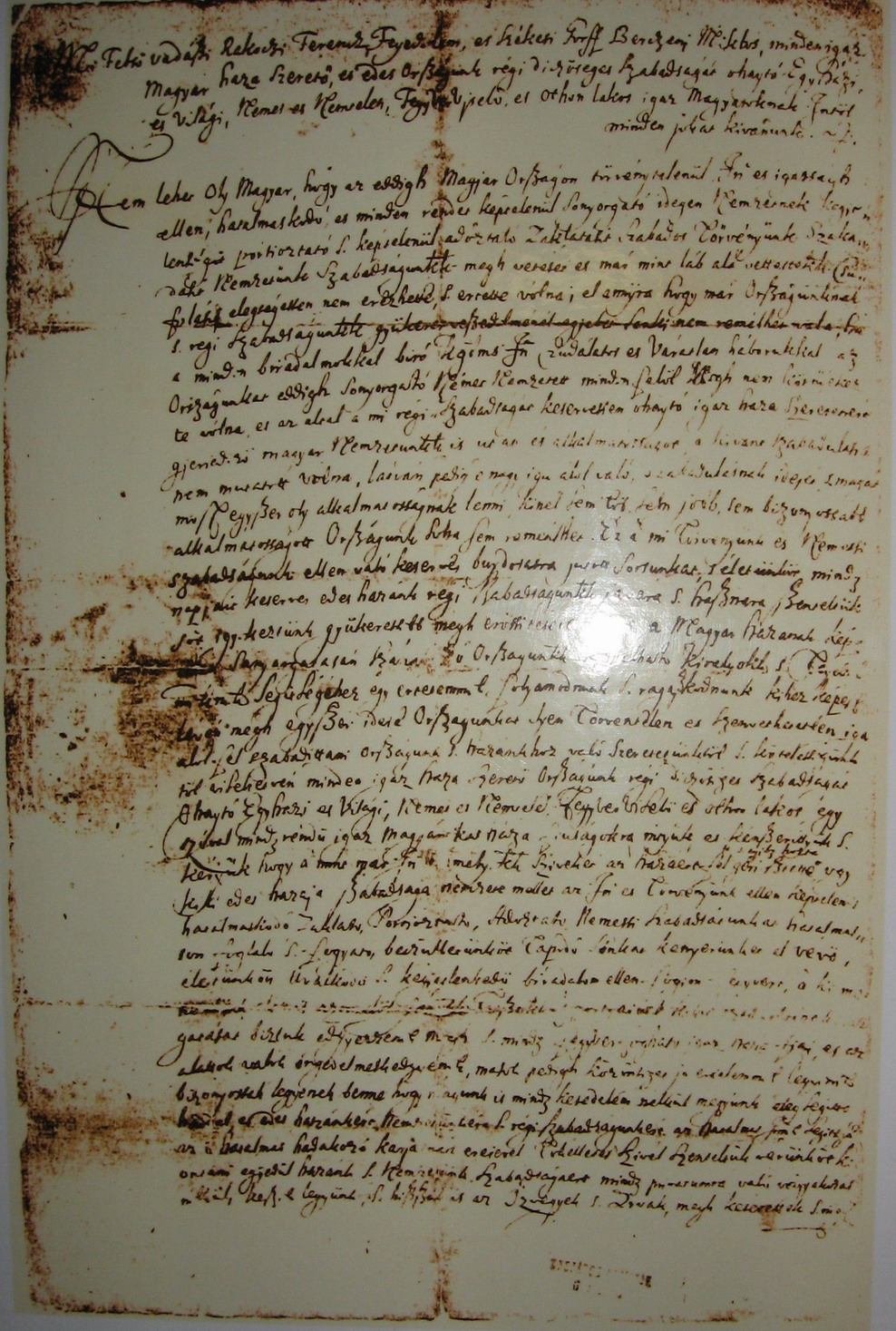 Document
Primary source
Manifesto of Berezhany
Francis II Rákóczi · 1703
 Painting
Primary source
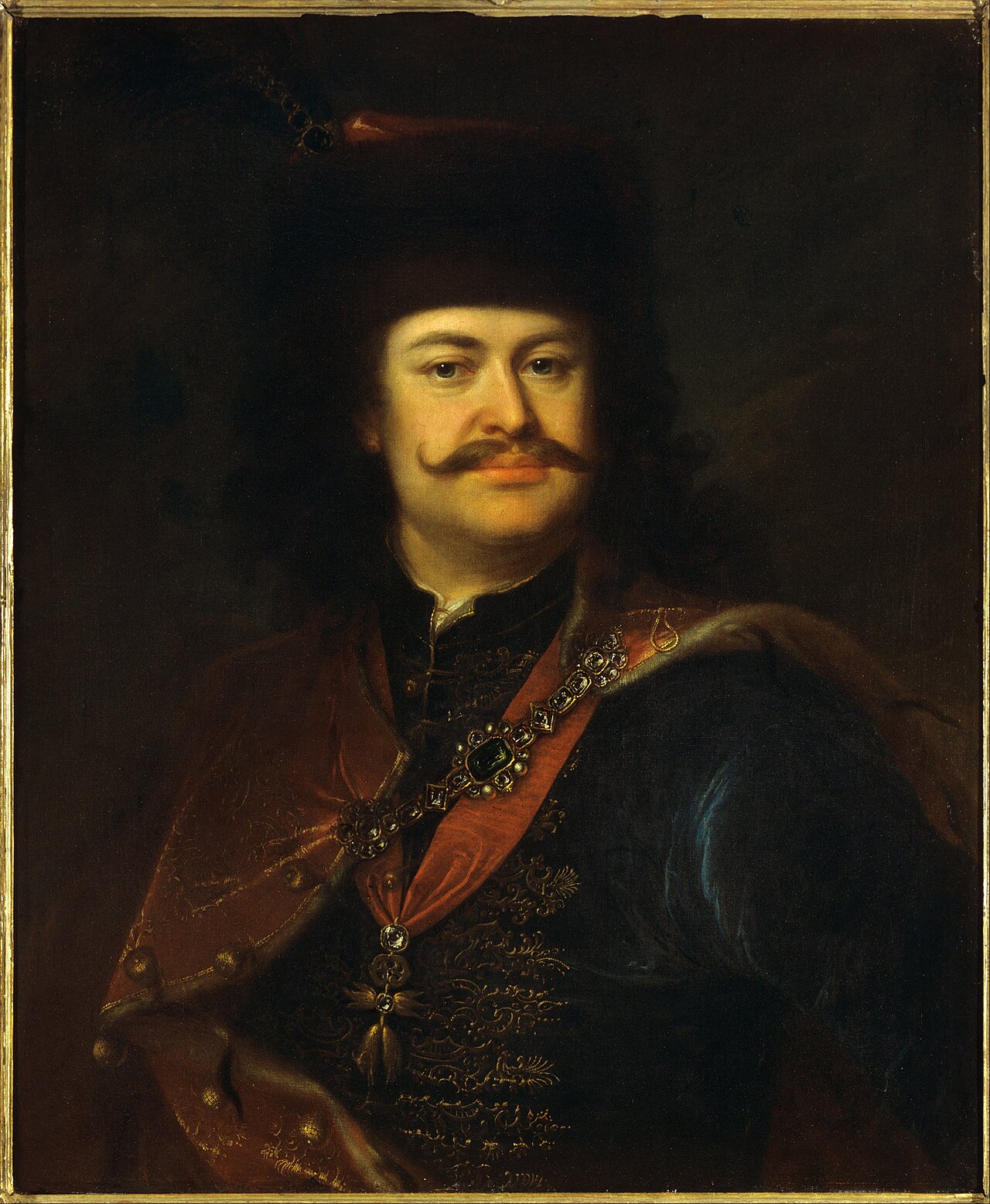
Portrait of Prince Ferenc Rákóczi II
Ádám Mányoki · 1712
 Newspaper article
Primary source
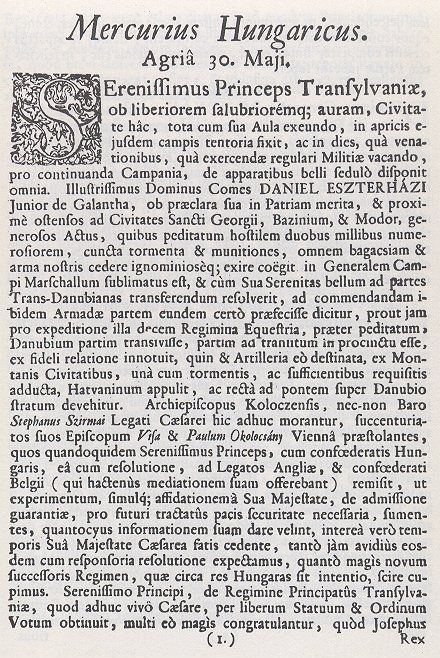
Mercurius Hungaricus
1705
 Artifact
Primary source
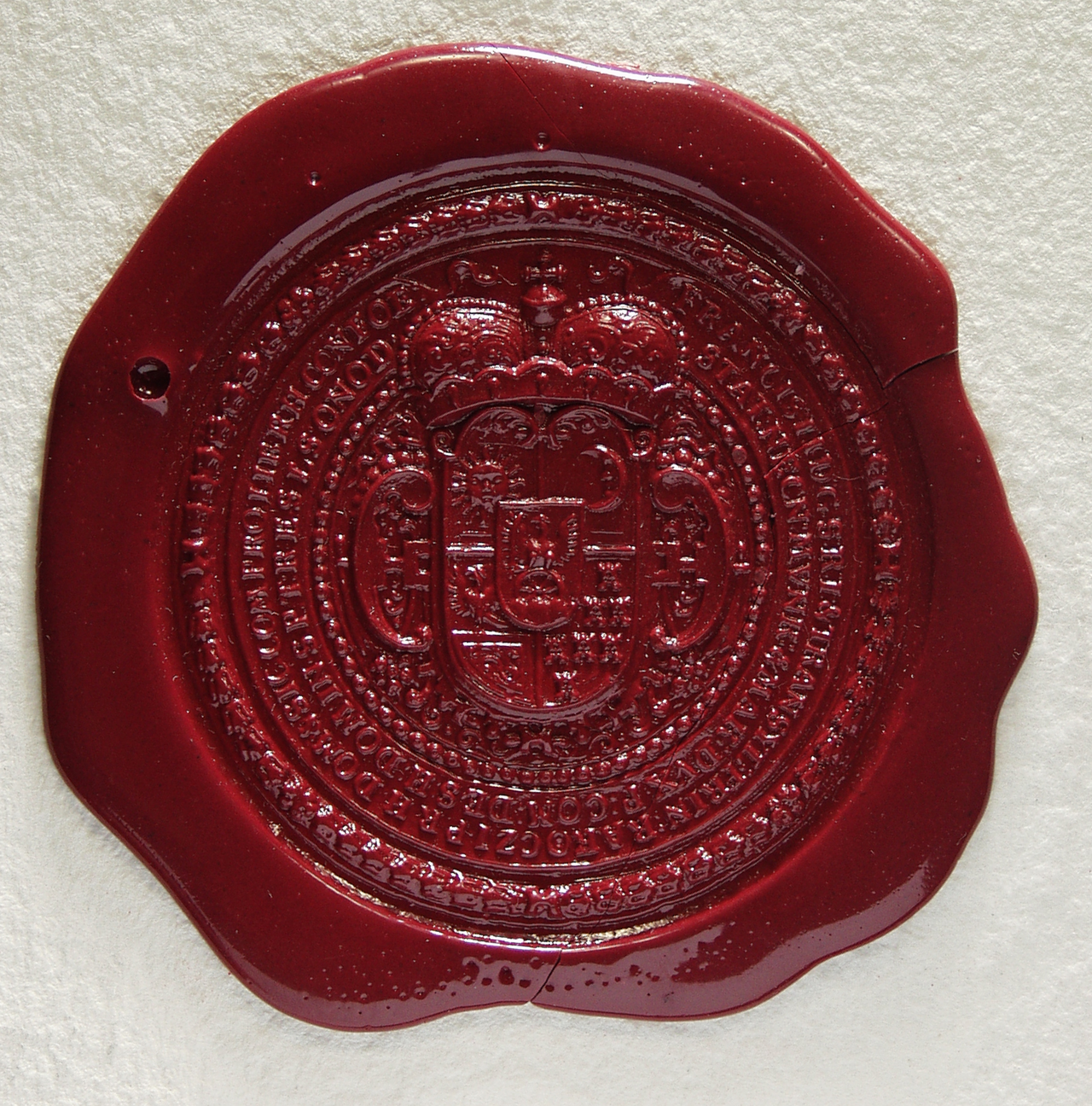
Great Seal of Francis II Rákóczi
Free account
Read every Francis II Rákóczi source
Sign up free →
Ready when you are
Start chatting with Francis II Rákóczi now.
20 messages free · No credit card · Available in 50+ languages.