


Secondary sourcePaintingc. 1850
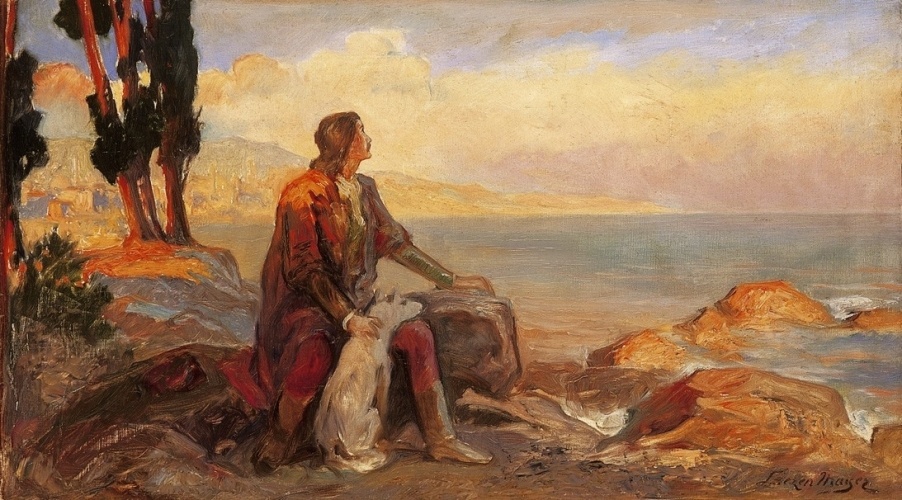
Rákóczi in Rodosto
Sándor Liezen-Mayer · c. 1850
A 19th-century painting imagining Rákóczi seated by the sea during his final exile in Ottoman Rodosto.
An imagined later portrait of Rákóczi during his exile in Ottoman Rodosto, shaping his memory as a tragic hero.
About this source
What it is
An oil painting by Sándor Liezen-Mayer, made around 1850, showing a man in a red coat seated on a rock by the sea with a dog beside him, cypress trees nearby, and a hazy coastal town in the distance.
Why it matters
The painting imagines Francis II Rákóczi during his exile in Rodosto in the Ottoman Empire, where he spent his final years after the failed uprising against the Habsburgs. Painted decades after his death, it reflects how 19th-century Hungarians remembered him as a solitary, dignified figure in exile rather than showing an actual witnessed moment.
Look closer
- What mood does the setting create, and how does it shape how we see Rákóczi?
- Why might an artist painting this scene over a century later choose this particular moment to depict?
- What does this image leave out about the reasons for his exile?
This painting is part of the curated material that grounds the AI version of Francis II Rákóczi on Humy.ai — when students ask about related events, the AI can quote it and cite it.
More Francis II Rákóczi sources
Browse all 90 →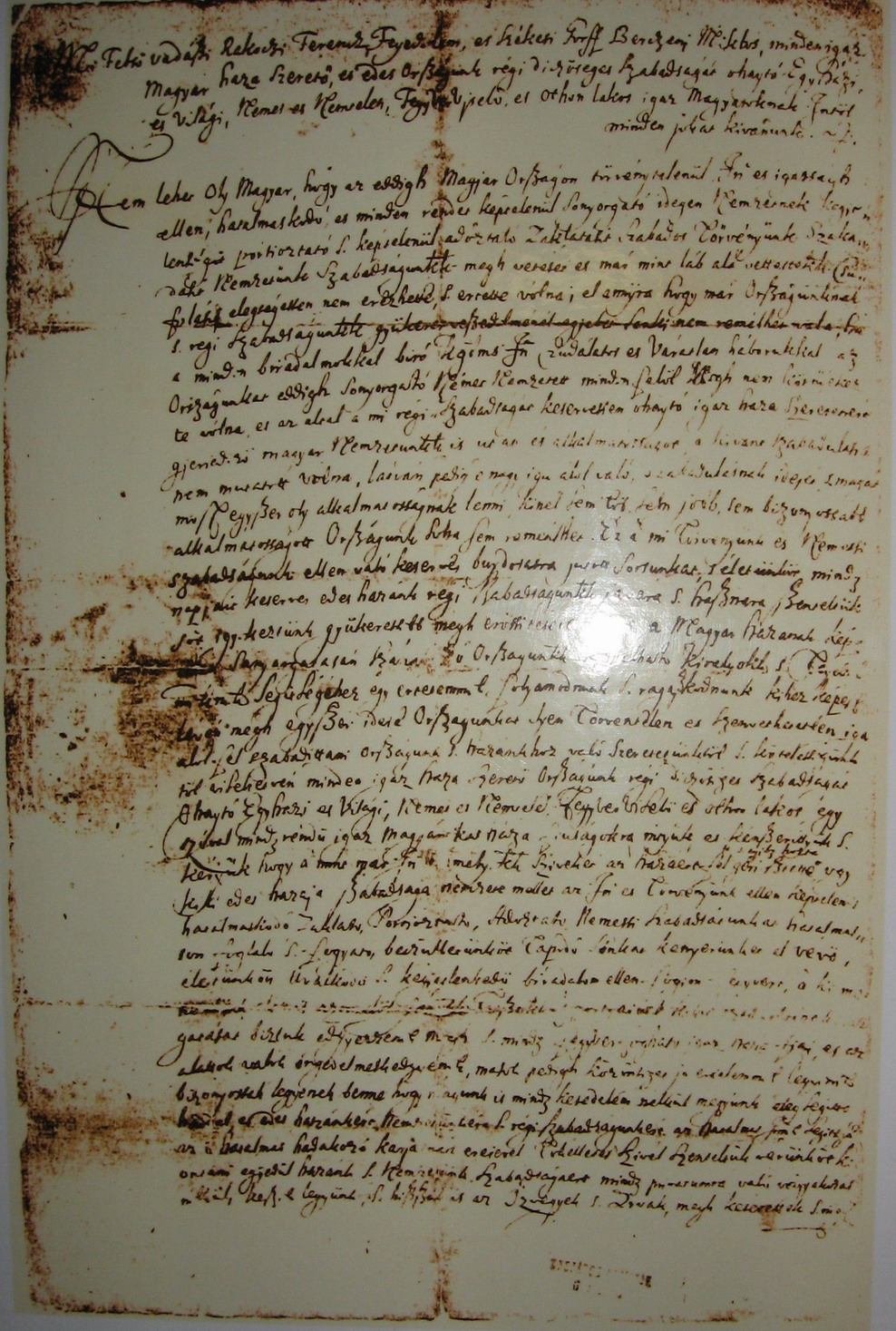 Document
Primary source
Manifesto of Berezhany
Francis II Rákóczi · 1703
 Painting
Primary source
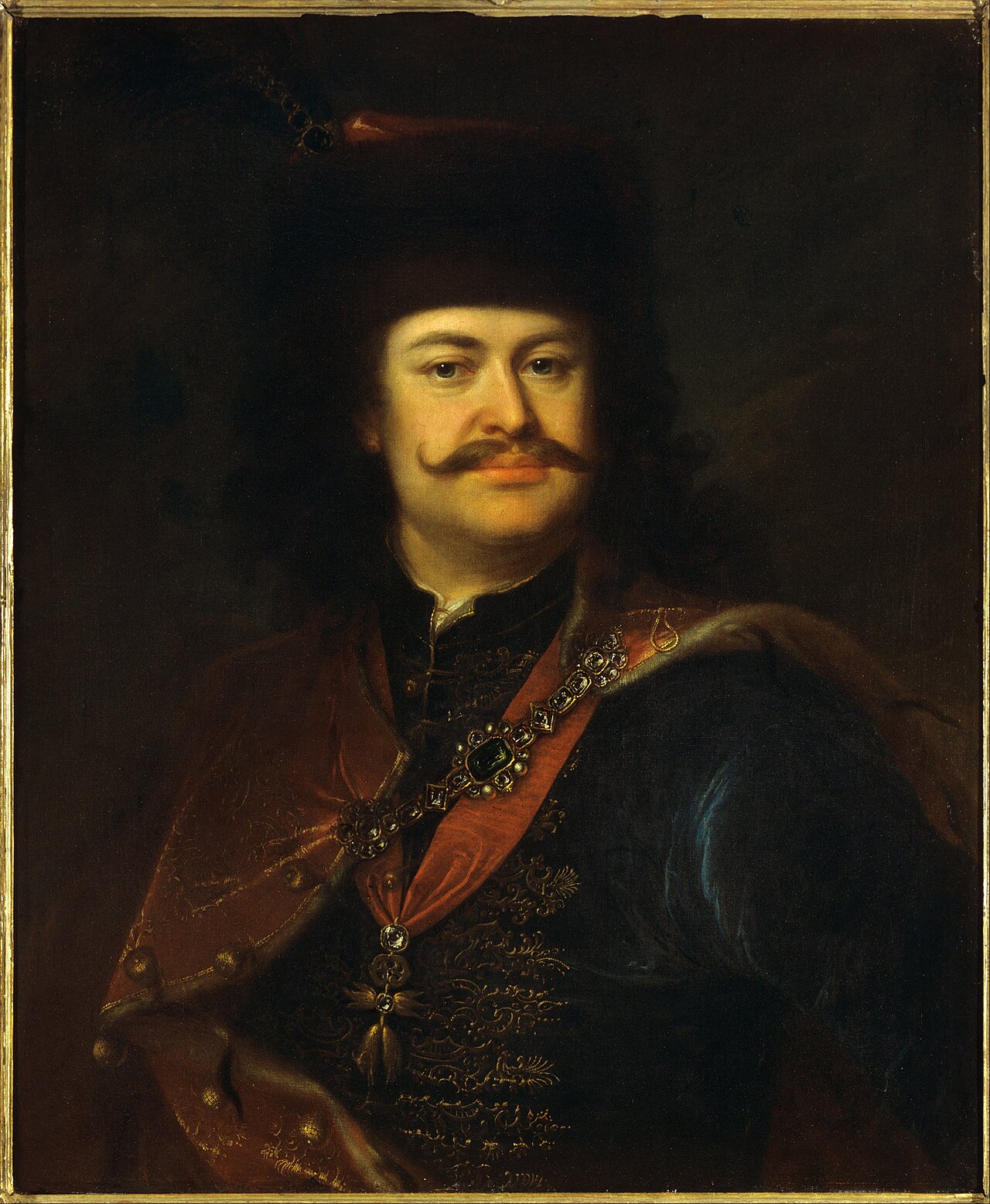
Portrait of Prince Ferenc Rákóczi II
Ádám Mányoki · 1712
 Newspaper article
Primary source
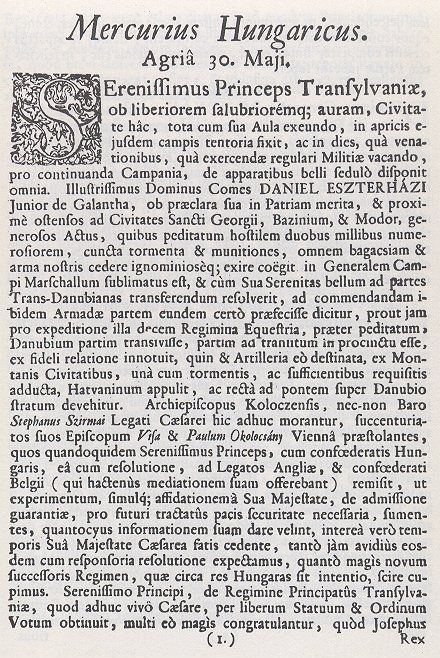
Mercurius Hungaricus
1705
 Artifact
Primary source
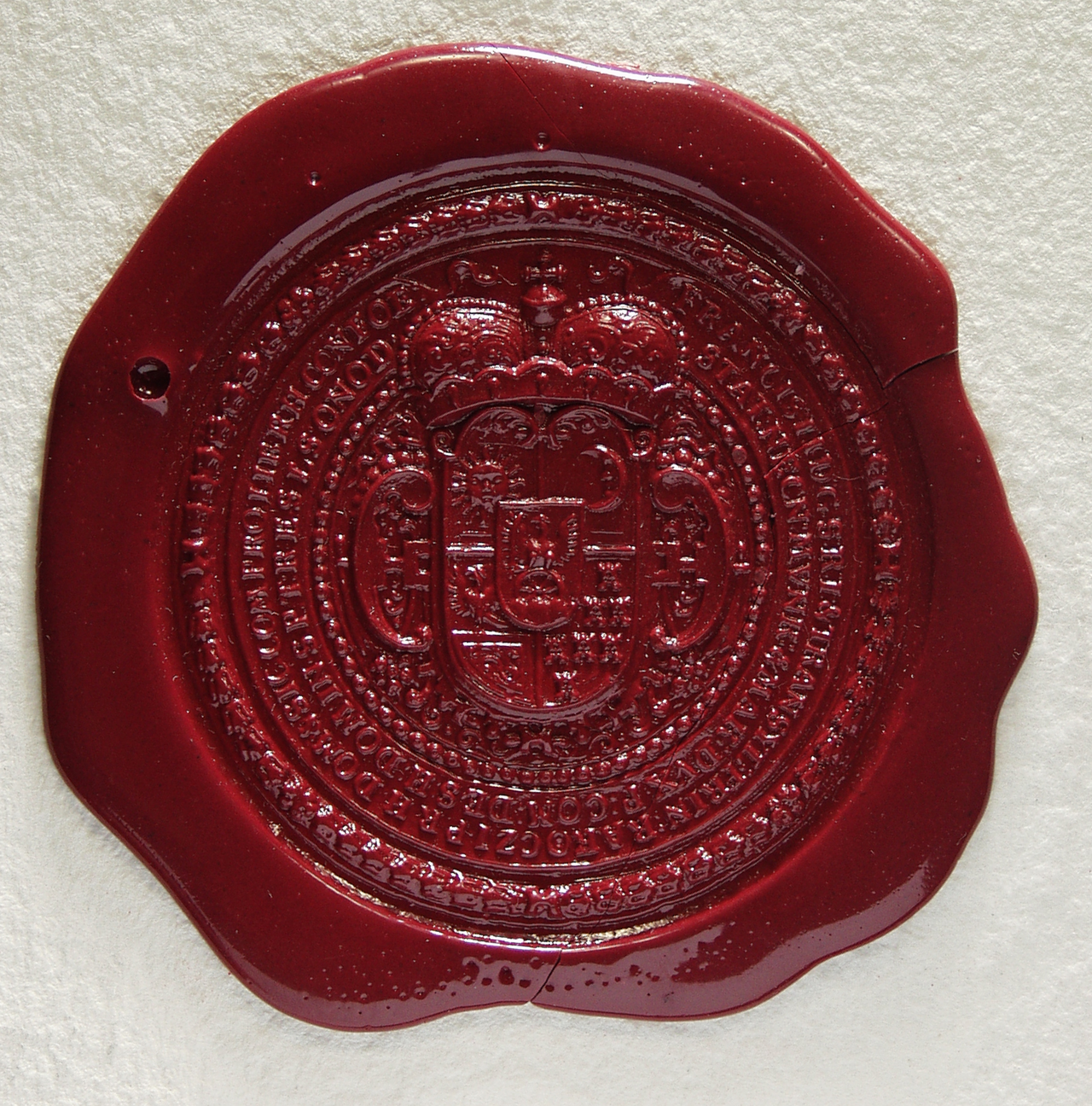
Great Seal of Francis II Rákóczi
Free account
Read every Francis II Rákóczi source
Sign up free →
Ready when you are
Start chatting with Francis II Rákóczi now.
20 messages free · No credit card · Available in 50+ languages.