


Primary sourceDocument17th century
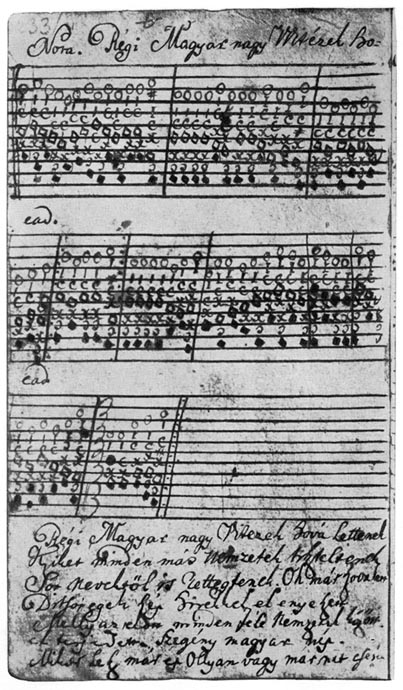
Rákóczi March Choral Arrangement in a Sárospatak Manuscript
17th century
A handwritten manuscript page containing a choral arrangement of the Rákóczi song, from the town of Sárospatak linked to Rákóczi's family seat.
This manuscript preserves the Rákóczi song, a cultural symbol of his uprising, from a town tied to his family's castle.
About this source
What it is
This is a manuscript page from the 17th or 18th century, containing a choral arrangement of the Rákóczi song written out in musical notation with Hungarian lyrics beneath. It comes from Sárospatak, a town closely tied to the Rákóczi family castle. The author of the manuscript is unknown.
Why it matters
The Rákóczi song became a lasting symbol of Hungarian resistance to Habsburg rule, and this manuscript shows how music and memory around Francis II Rákóczi were preserved and passed on by ordinary people, choirs, and communities long after his uprising. It reveals how a political and military struggle could be kept alive in cultural form, through song, rather than only in official records.
Look closer
- What can you tell about who used this manuscript from its handwriting and layout?
- Why might a song be a powerful way to keep a historical memory alive?
- What does this manuscript NOT tell us about Rákóczi himself or the events of the uprising?
This document is part of the curated material that grounds the AI version of Francis II Rákóczi on Humy.ai — when students ask about related events, the AI can quote it and cite it.
More Francis II Rákóczi sources
Browse all 90 →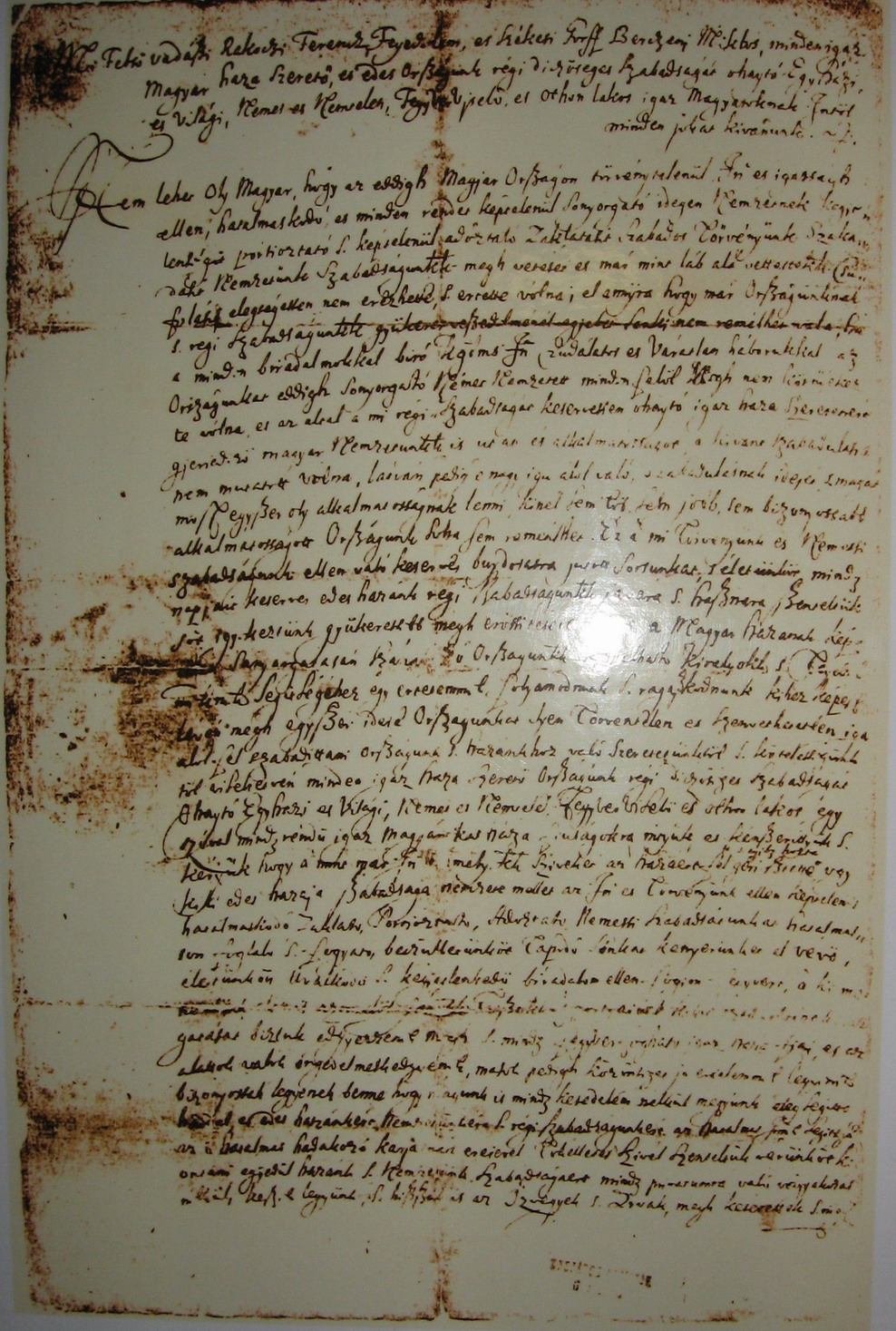 Document
Primary source
Manifesto of Berezhany
Francis II Rákóczi · 1703
 Painting
Primary source
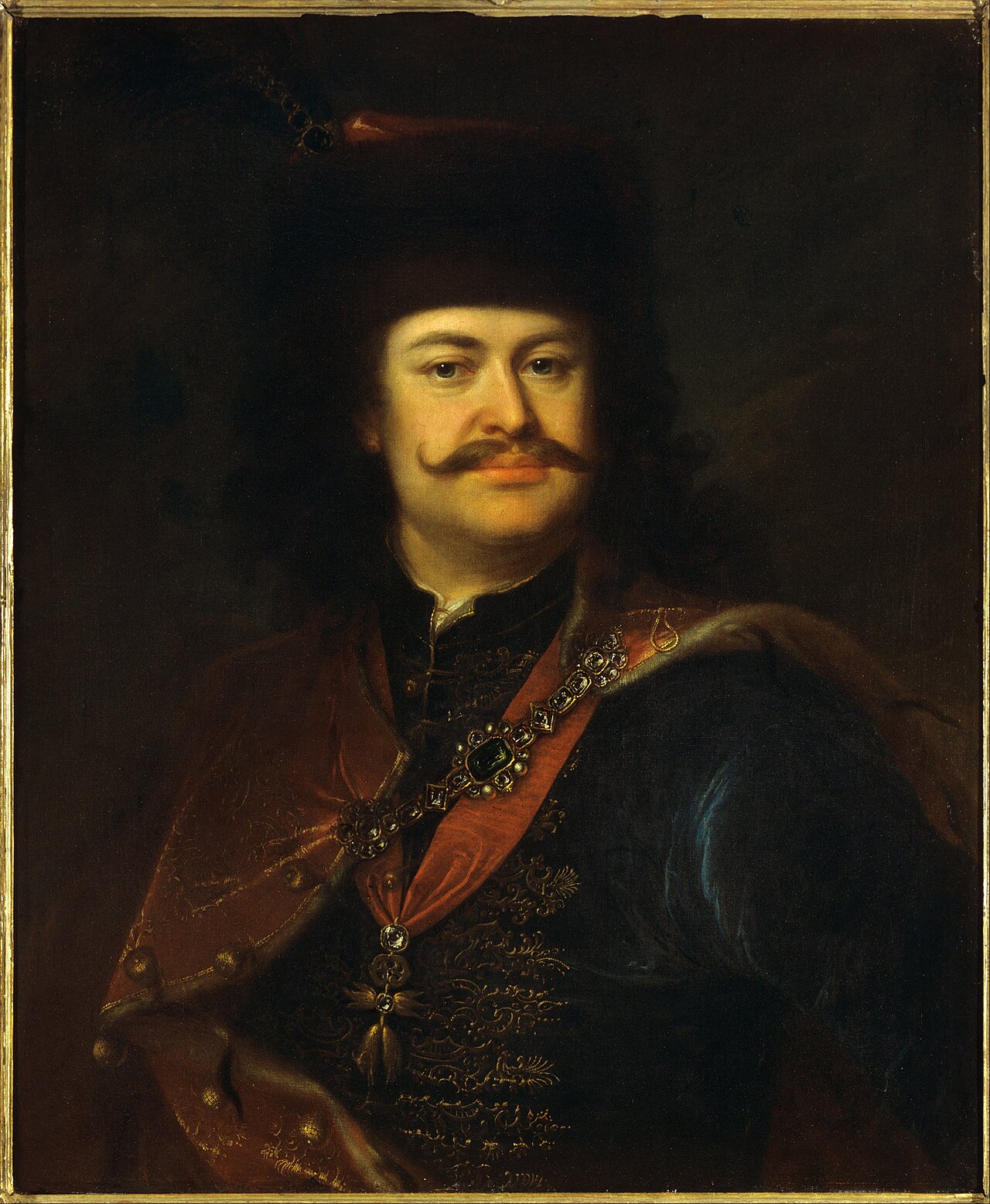
Portrait of Prince Ferenc Rákóczi II
Ádám Mányoki · 1712
 Newspaper article
Primary source
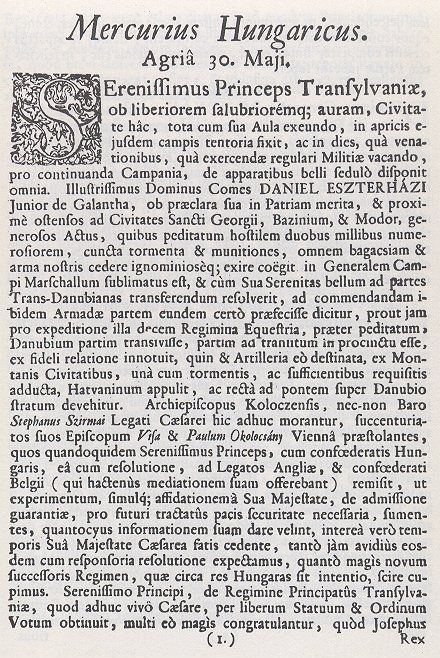
Mercurius Hungaricus
1705
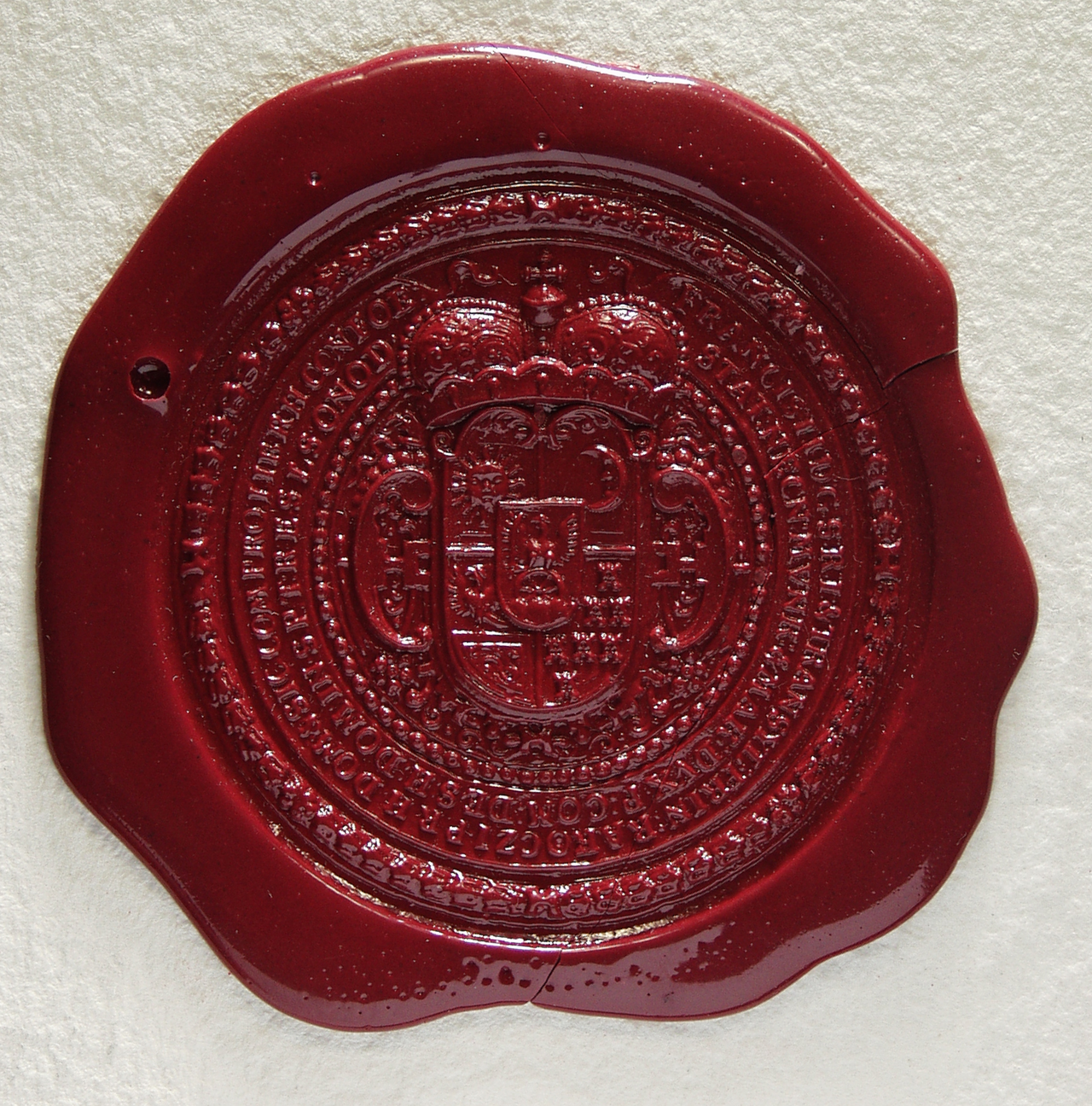 Artifact
Primary source
Great Seal of Francis II Rákóczi
Free account
Read every Francis II Rákóczi source
Sign up free →
Ready when you are
Start chatting with Francis II Rákóczi now.
20 messages free · No credit card · Available in 50+ languages.