


Secondary sourcePaintingc. 1846
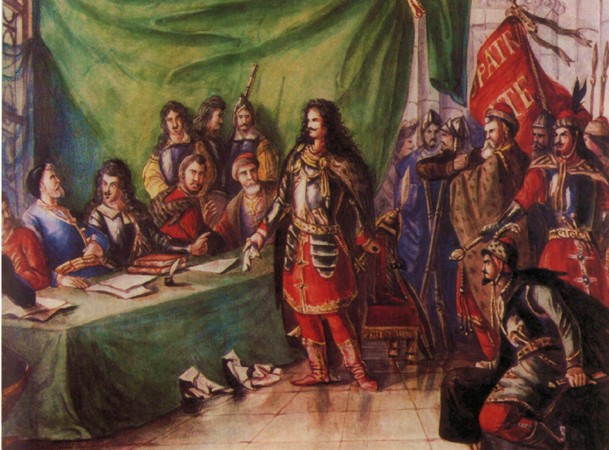
Rákóczi Refuses the Peace of Szatmár
Mór Than · c. 1846
A mid-19th-century painting showing Rákóczi rejecting the Habsburg peace offer that ended his uprising.
Depicts Rákóczi's refusal to accept the peace that ended his uprising against the Habsburgs.
About this source
What it is
A painting by Mór Than, made around 1846, showing a man in ornate red and gold armor standing before seated men at a table, with a banner and soldiers in the room.
Why it matters
The painting depicts Francis II Rákóczi's refusal of the Peace of Szatmár, the settlement that ended the uprising he led against the Habsburgs. His rejection of the peace, shown here, reflects his determination to resist submission even as the rebellion was collapsing.
Look closer
- What does Rákóczi's posture and clothing suggest about how the artist wanted viewers to see him?
- Why might this moment of refusal be chosen as a subject for a painting decades later?
- What does the scene leave out about the final outcome of the peace negotiations?
This painting is part of the curated material that grounds the AI version of Francis II Rákóczi on Humy.ai — when students ask about related events, the AI can quote it and cite it.
More Francis II Rákóczi sources
Browse all 90 →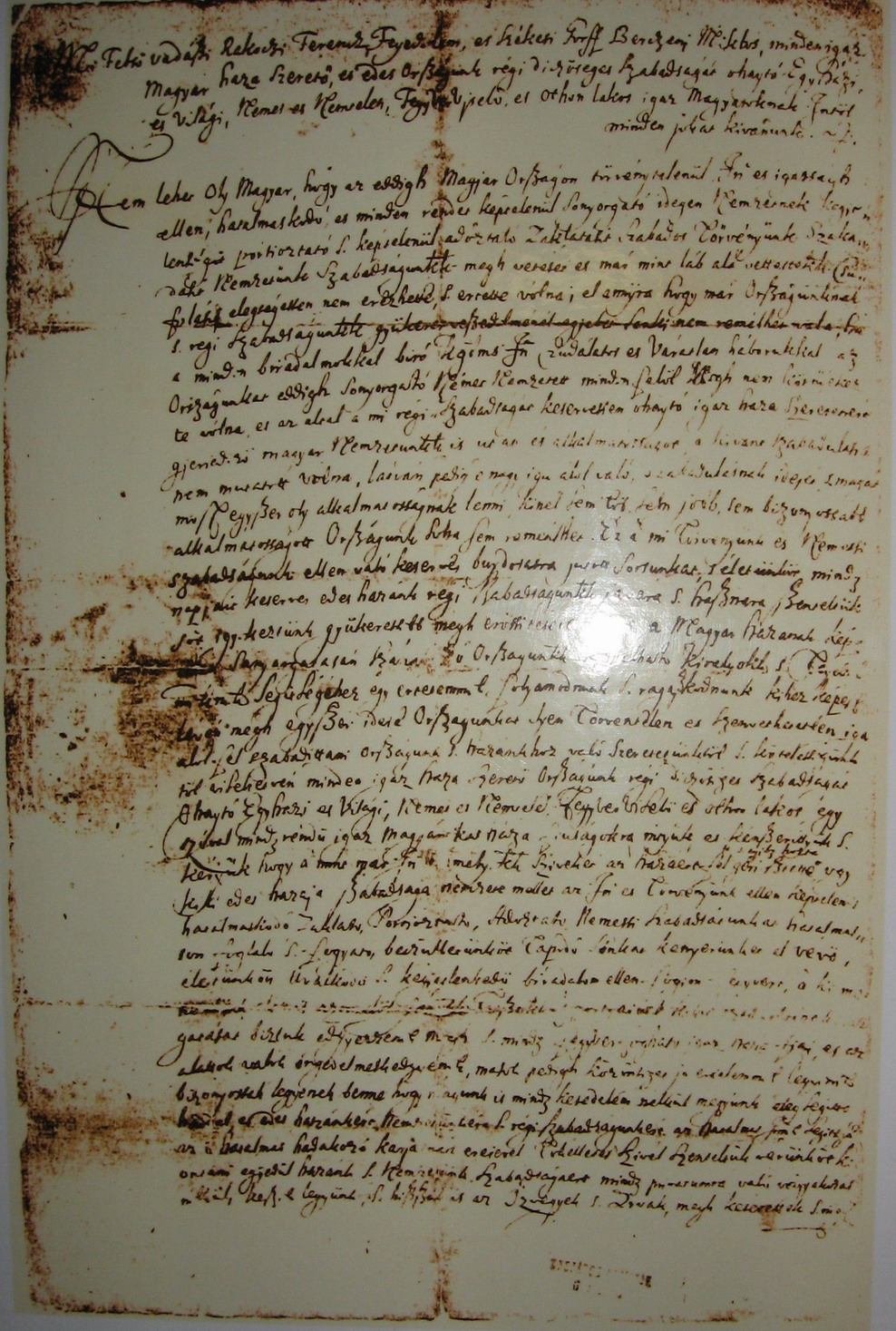 Document
Primary source
Manifesto of Berezhany
Francis II Rákóczi · 1703
 Painting
Primary source
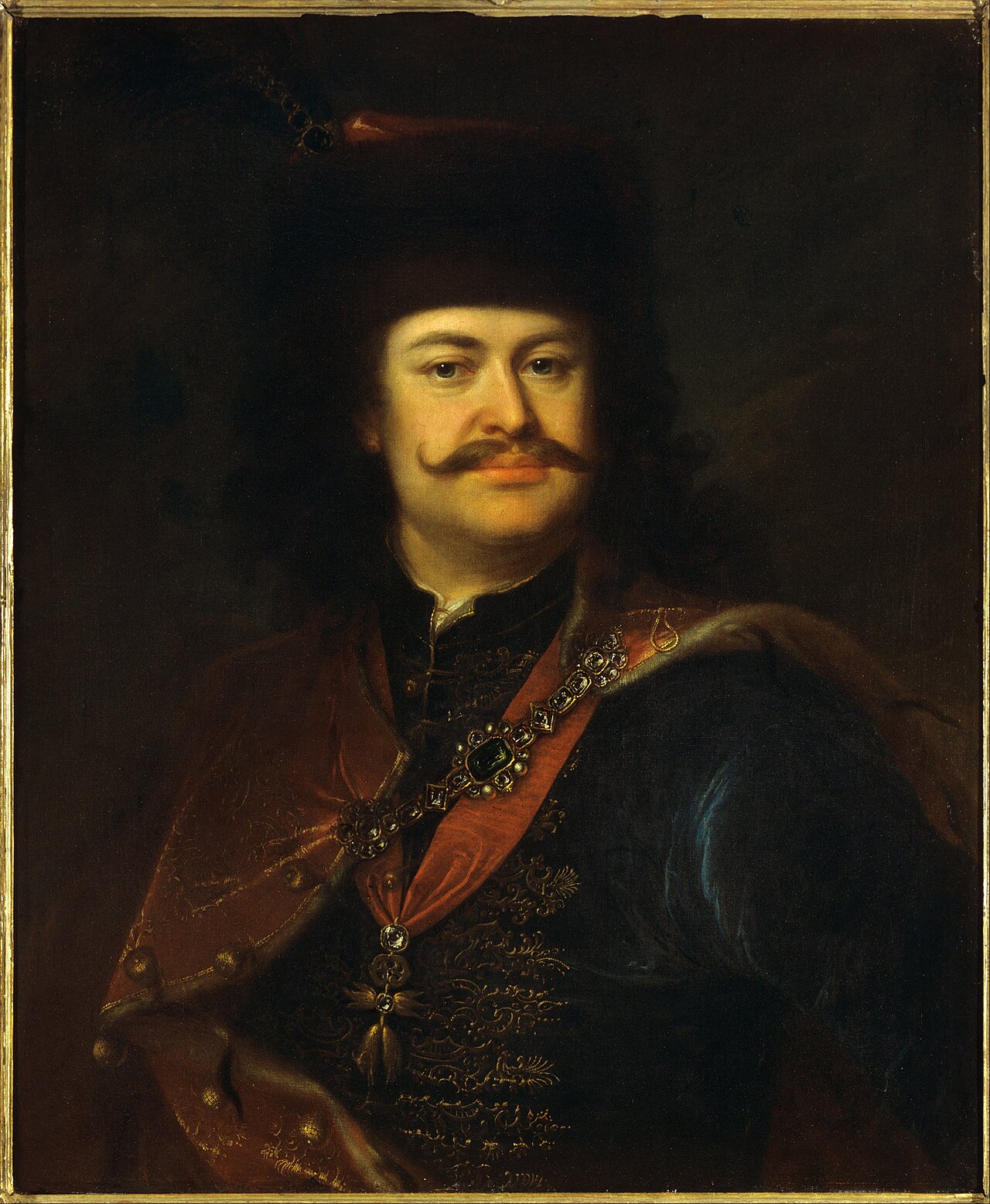
Portrait of Prince Ferenc Rákóczi II
Ádám Mányoki · 1712
 Newspaper article
Primary source
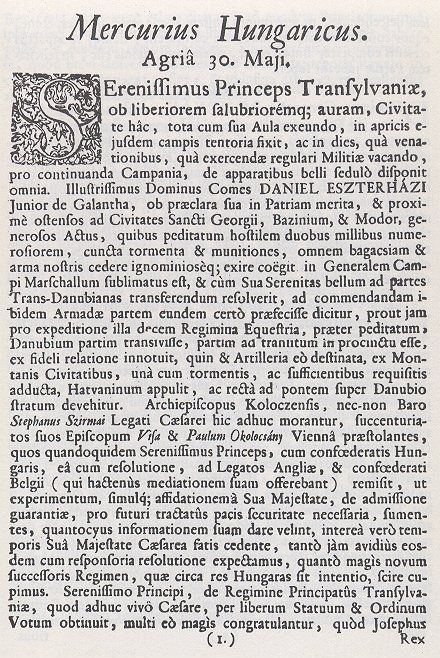
Mercurius Hungaricus
1705
 Artifact
Primary source
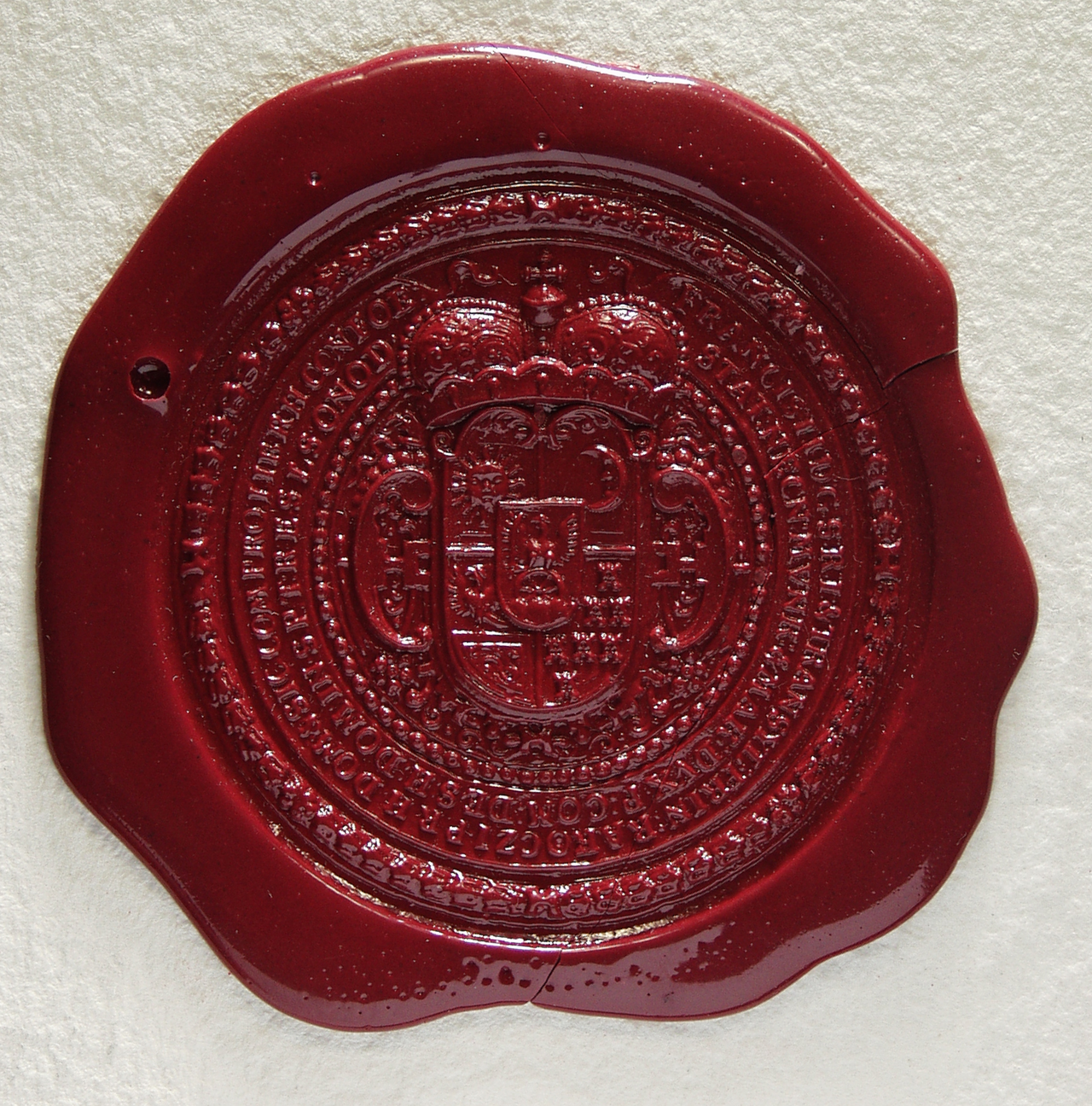
Great Seal of Francis II Rákóczi
Free account
Read every Francis II Rákóczi source
Sign up free →
Ready when you are
Start chatting with Francis II Rákóczi now.
20 messages free · No credit card · Available in 50+ languages.