


Secondary sourceSculpture2010 (statue); photographed 2014
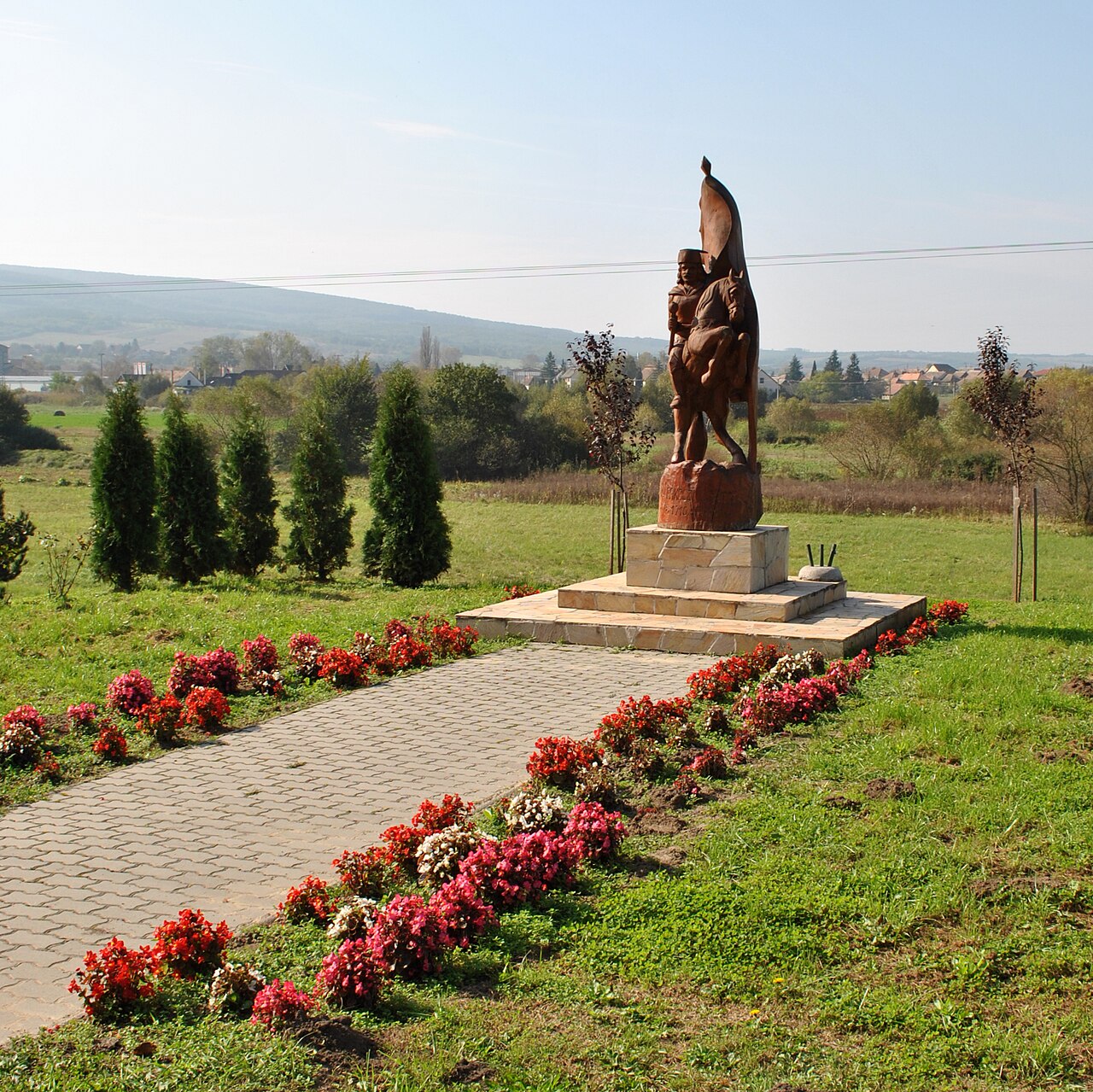
Rákóczi Statue by László Koltai, Kétbodony
László Koltai · 2010 (statue); photographed 2014
A 2010 wooden statue of Rákóczi on horseback, erected near Kétbodony, Hungary.
A modern equestrian statue of Rákóczi, showing how he continues to be honored as a national symbol.
About this source
What it is
This wooden statue shows a mounted rider in a flowing cape, standing on a stone pedestal beside a road near Kétbodony, Hungary. It was created by the sculptor László Koltai and erected in January 2010.
Why it matters
Statues like this, raised nearly three centuries after Rákóczi's uprising, show how he is still honored as a symbol of resistance and Hungarian identity in public spaces far from the sites of his original campaigns.
Look closer
- Why do you think the sculptor chose to depict Rákóczi on horseback?
- What does the choice of wood rather than bronze or stone suggest about this memorial?
- Why might a small village choose to erect a monument like this?
This sculpture is part of the curated material that grounds the AI version of Francis II Rákóczi on Humy.ai — when students ask about related events, the AI can quote it and cite it.
More Francis II Rákóczi sources
Browse all 90 →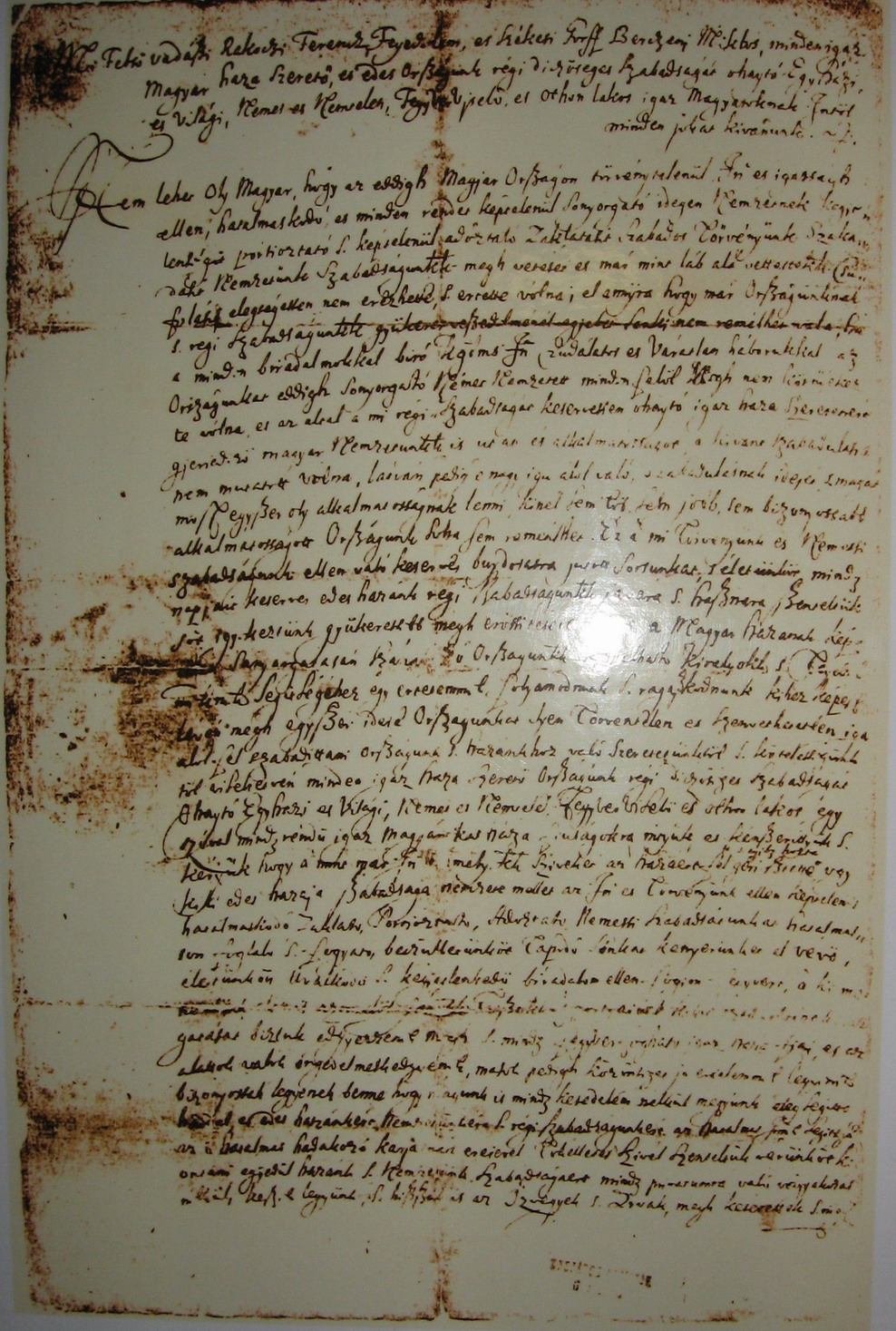 Document
Primary source
Manifesto of Berezhany
Francis II Rákóczi · 1703
 Painting
Primary source
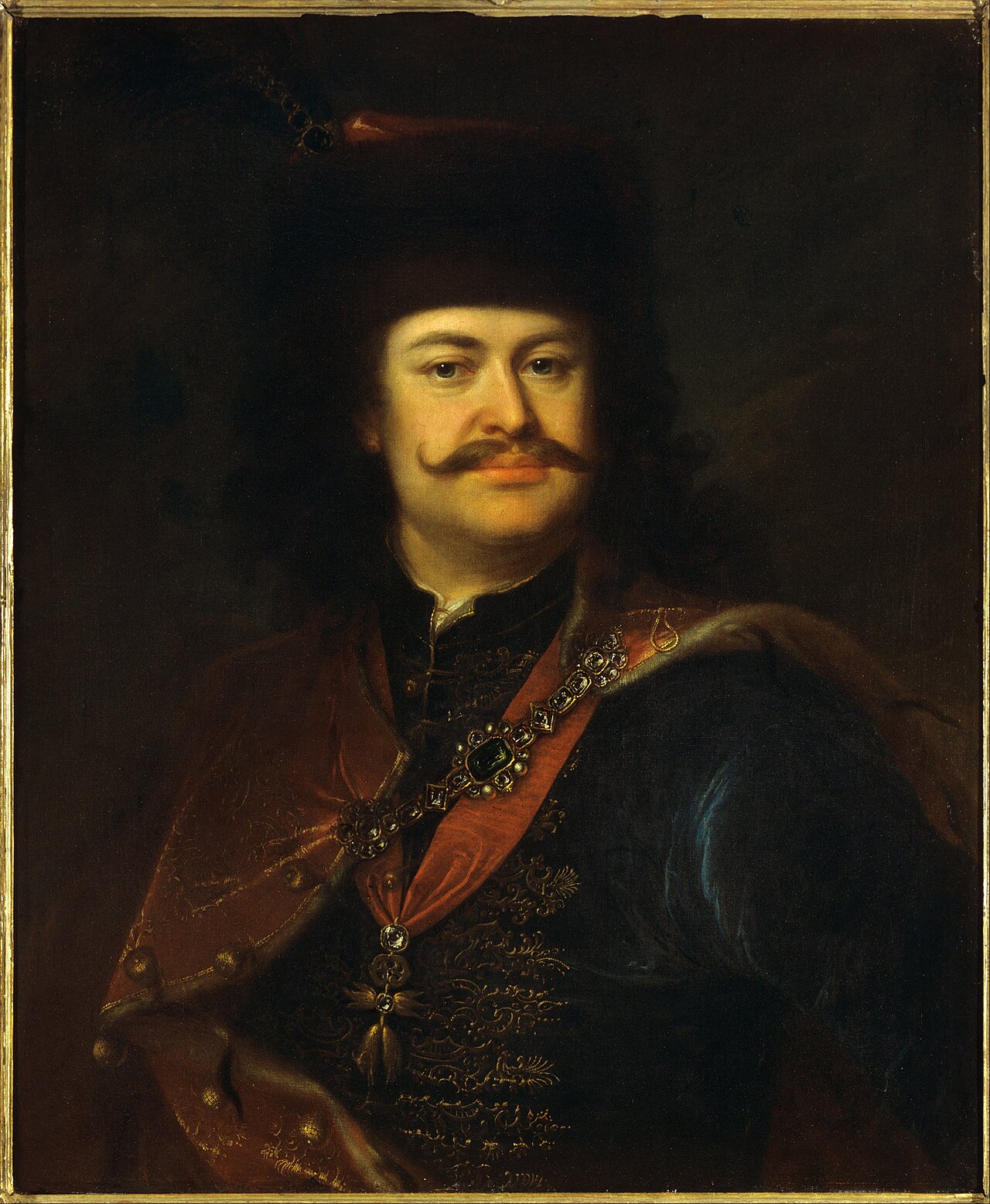
Portrait of Prince Ferenc Rákóczi II
Ádám Mányoki · 1712
 Newspaper article
Primary source
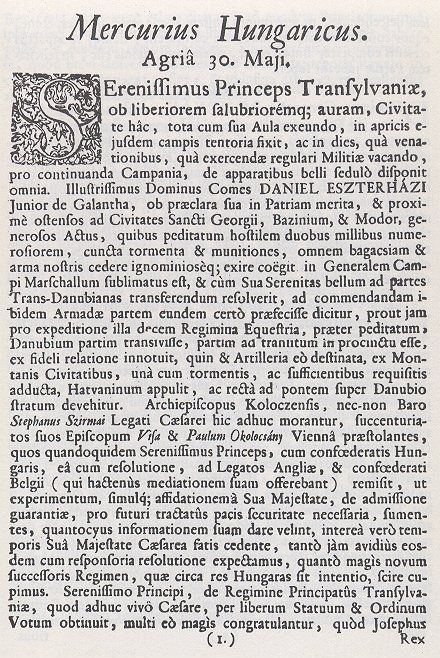
Mercurius Hungaricus
1705
 Artifact
Primary source
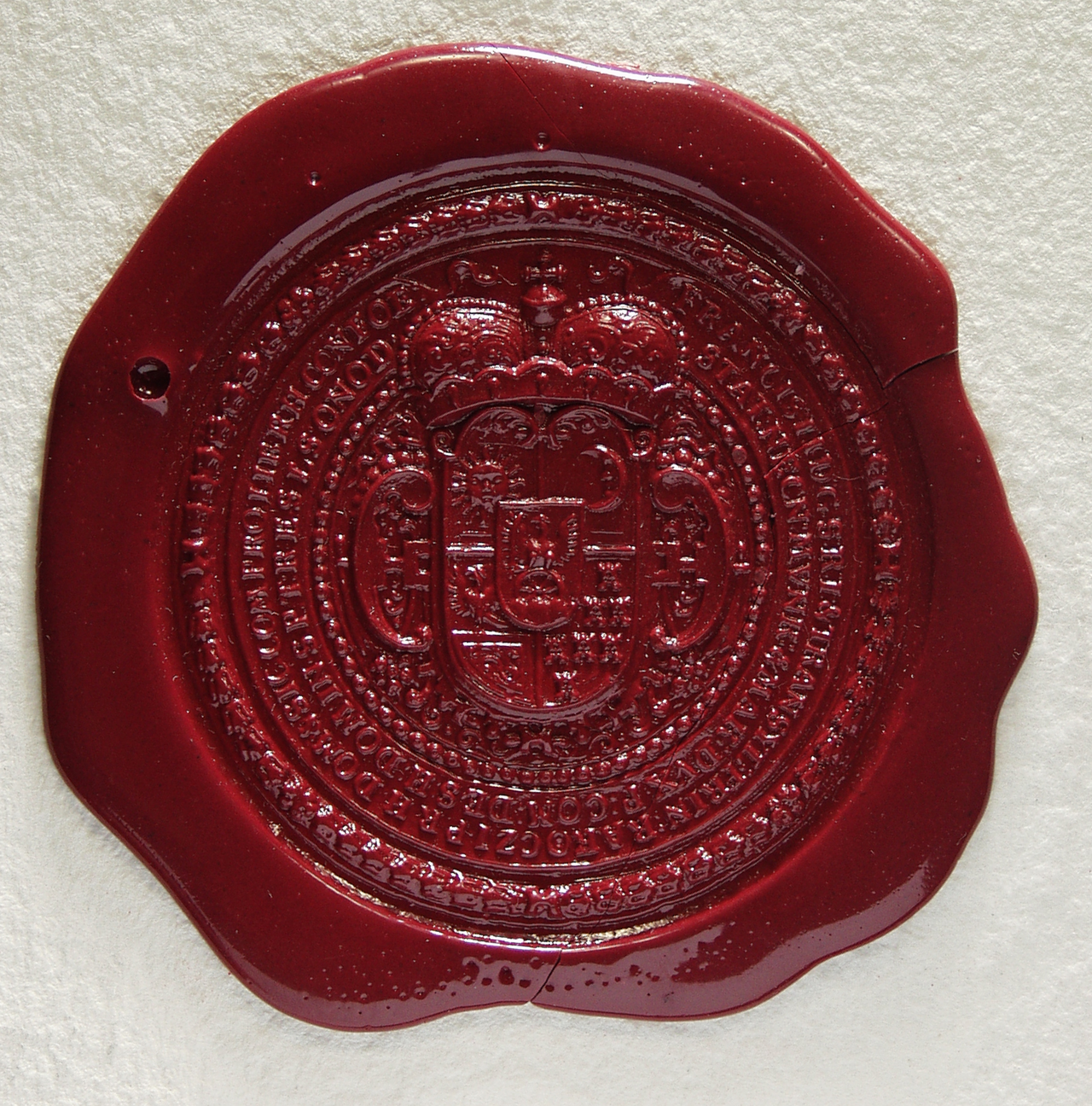
Great Seal of Francis II Rákóczi
Free account
Read every Francis II Rákóczi source
Sign up free →
Ready when you are
Start chatting with Francis II Rákóczi now.
20 messages free · No credit card · Available in 50+ languages.