


Primary sourceBookwritten c. 1761–1774, published 1805 (German), 1823 (French)
Rameau's Nephew
Denis Diderot · written c. 1761–1774, published 1805 (German), 1823 (French)
Diderot's philosophical dialogue between 'Me' and the cynical musician Rameau's nephew, left unpublished in French during his lifetime.
Diderot wrote this dialogue, kept secret in his lifetime, exploring his own moral ambivalence through invented characters.
Free Humy account · No credit card · 120,288 sources to read
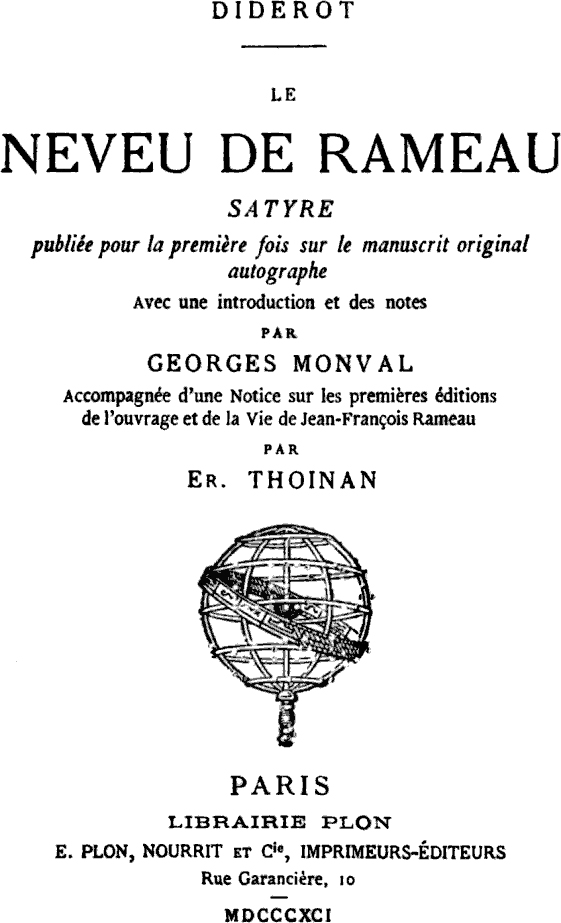
About this source
What it is
Rameau's Nephew, or the Second Satire is an imagined philosophical conversation written by Denis Diderot, probably between 1761 and 1774. It was first published in 1805 in a German translation by Goethe; the original French manuscript in Diderot's own hand was later found in 1890 and is now held at the Pierpont Morgan Library in New York.
Why it matters
The dialogue, set in a Paris café, pits the narrator 'Moi' against 'Lui', based on the real nephew of composer Jean-Philippe Rameau, who argues for cynicism and self-interest. According to scholar Andrew S. Curran, Diderot did not dare publish it in his lifetime because its mockery of real musicians, politicians and financiers could have led to his arrest. It reveals Diderot's willingness to explore uncomfortable, contradictory ideas through fiction rather than direct argument.
Look closer
- Why might Diderot have chosen a dialogue, rather than an essay, to explore these ideas?
- What risks might explain why Diderot kept this work hidden during his lifetime?
- How does the unreliable, self-contradicting character of Lui challenge the reader?
This book is part of the curated material that grounds the AI version of Denis Diderot on Humy.ai — when students ask about related events, the AI can quote it and cite it.
More Denis Diderot sources
Browse all 95 →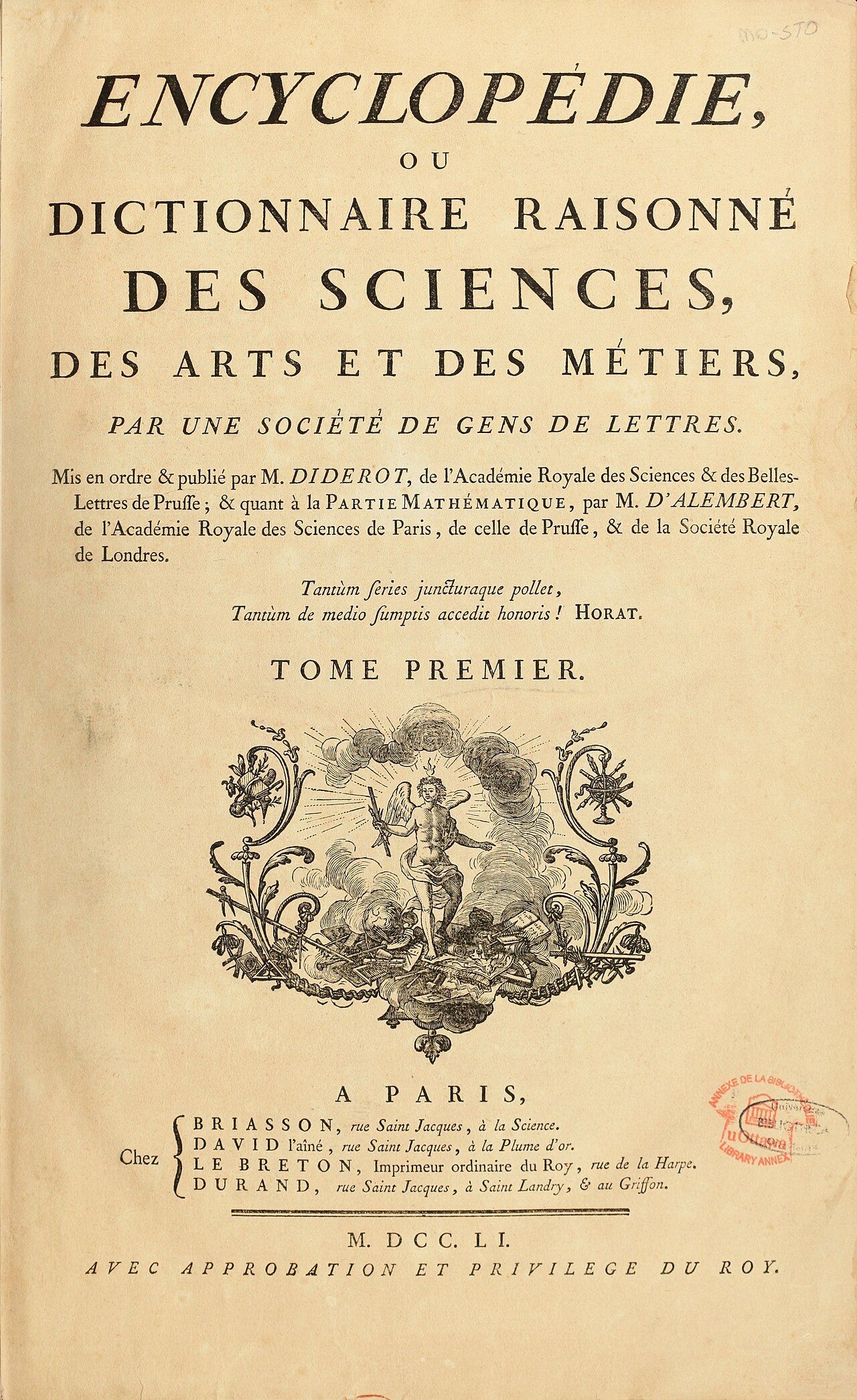 Book
Primary source
Encyclopédie
Denis Diderot · 1751
 Artifact
Primary source
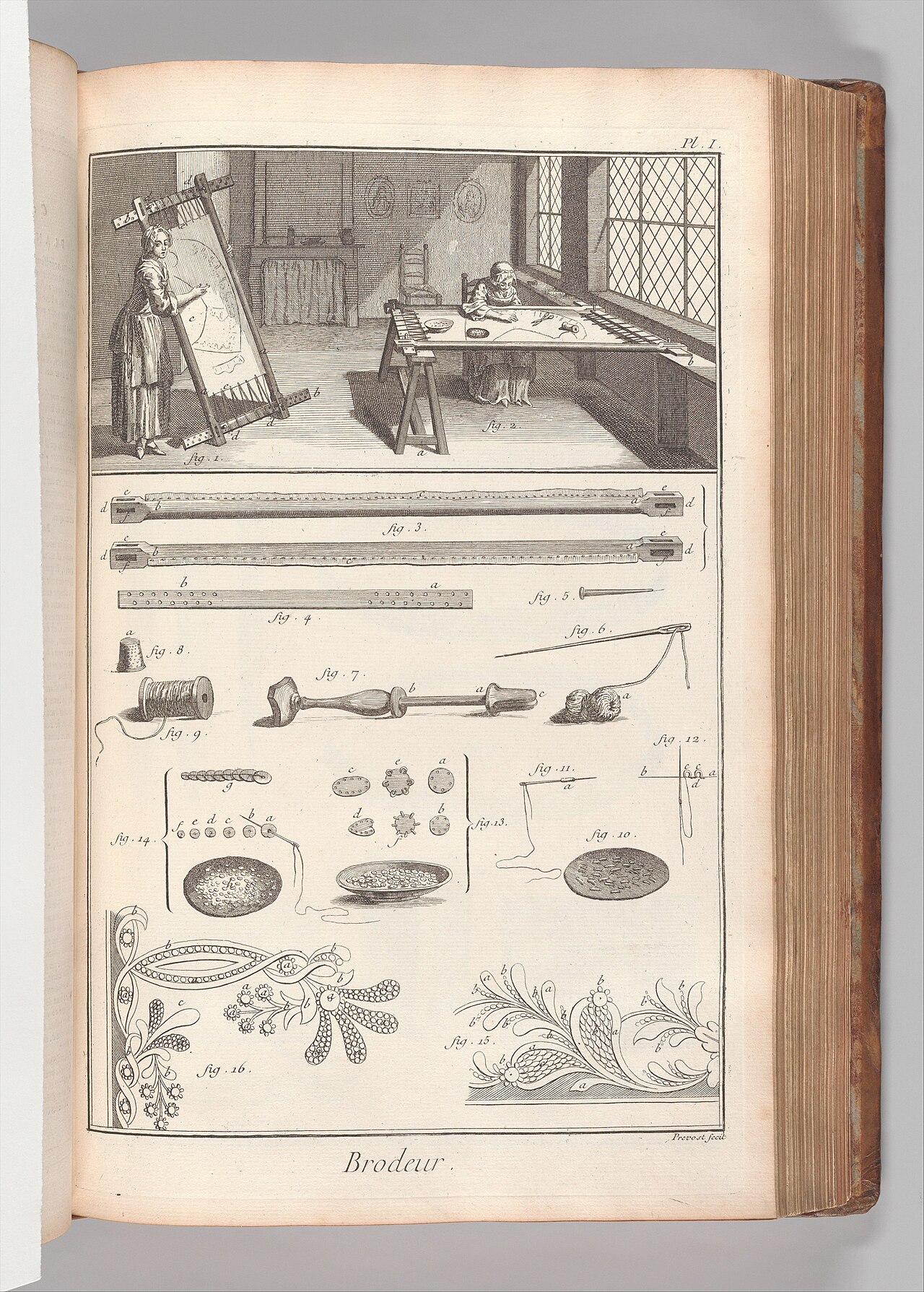
Recueil de planches, sur les sciences, les arts libéraux, et les arts méchaniques
Denis Diderot · 1767
 Painting
Primary source
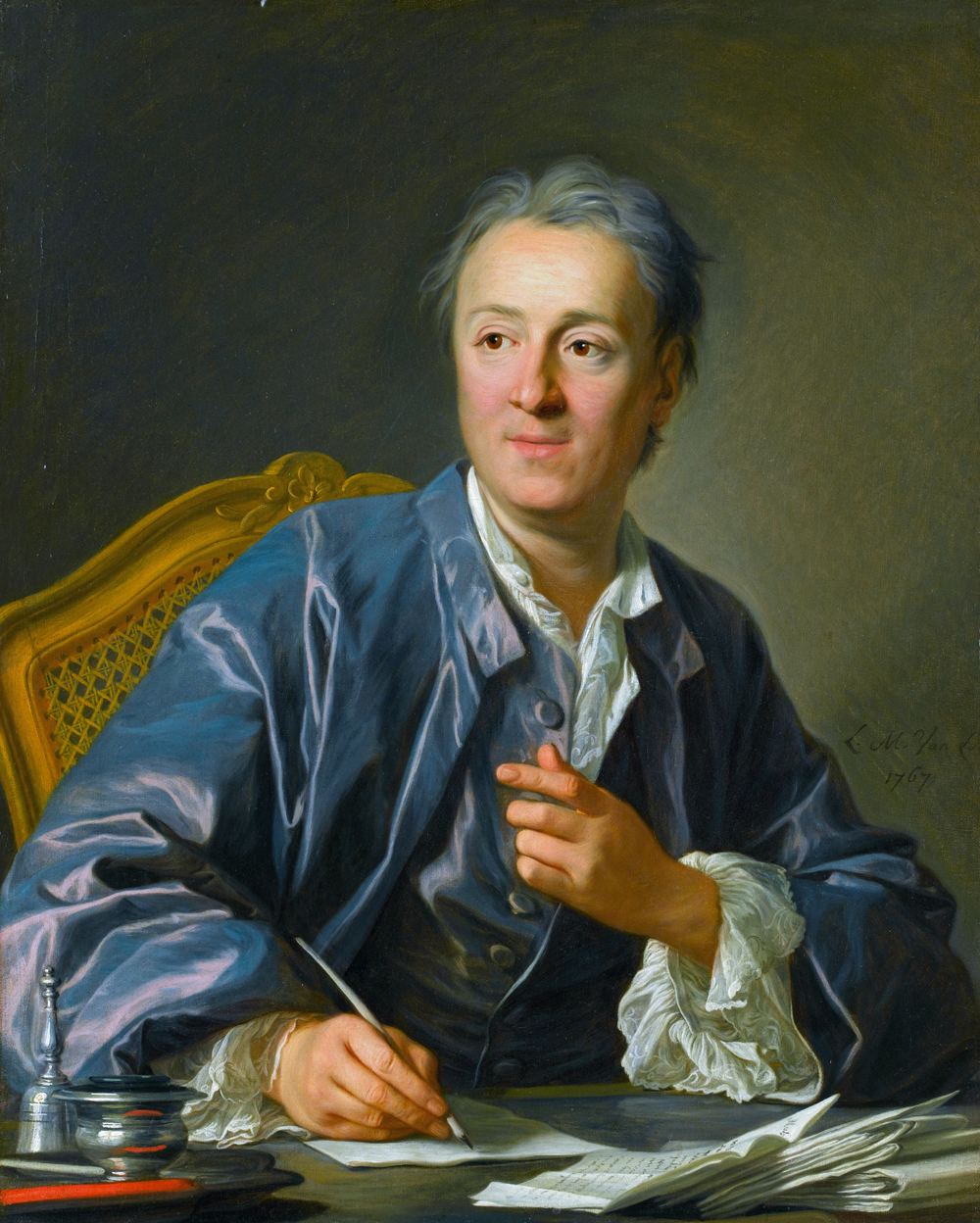
Portrait of Denis Diderot
Louis-Michel van Loo · 1767
 Book
Primary source
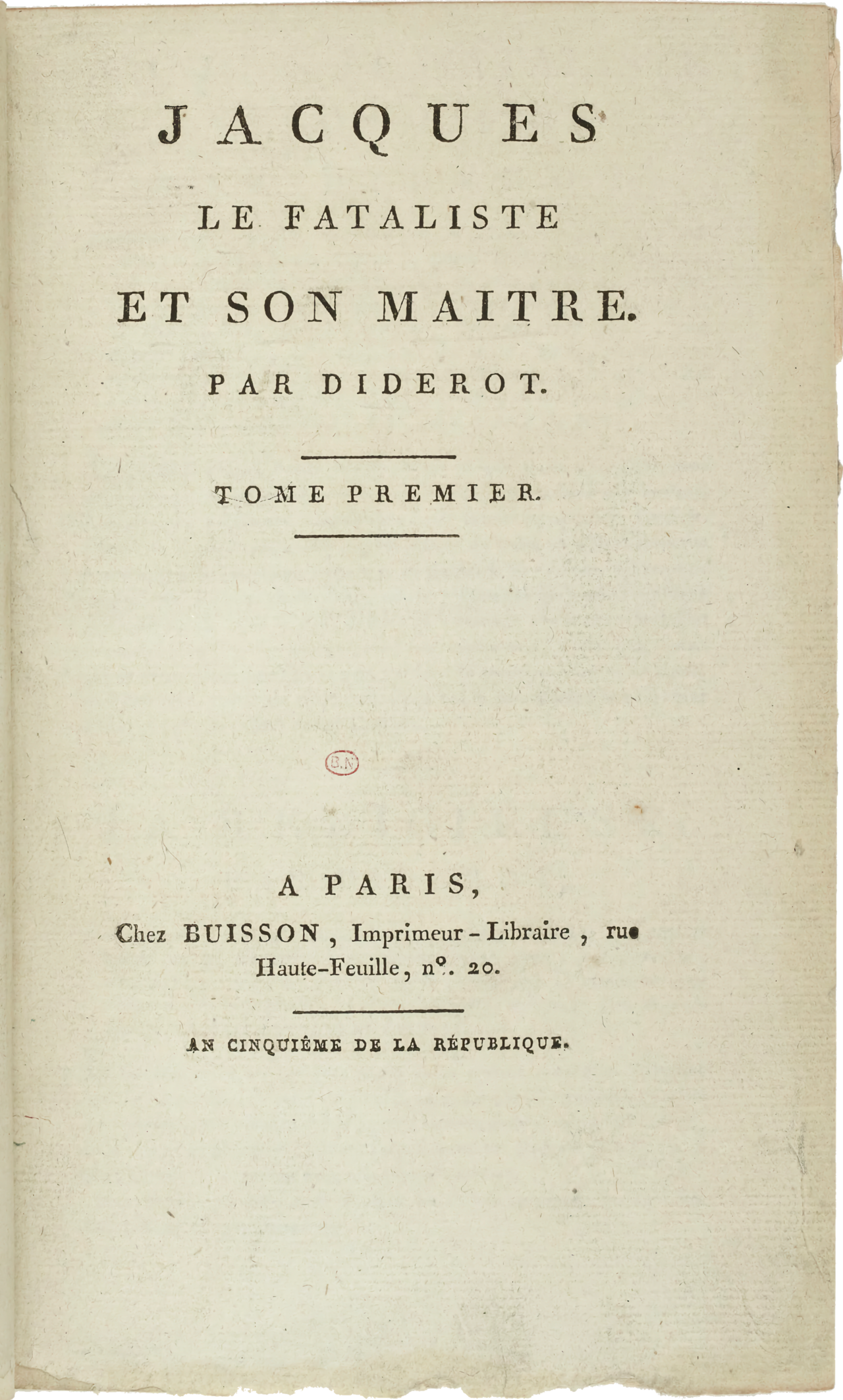
Jacques the Fatalist and his Master
Denis Diderot · written c. 1765–1780, published 1796
Free account
Read every Denis Diderot source
Sign up free →
Ready when you are
Start chatting with Denis Diderot now.
20 messages free · No credit card · Available in 50+ languages.