


Primary sourceArtifactNara period; photograph 1908
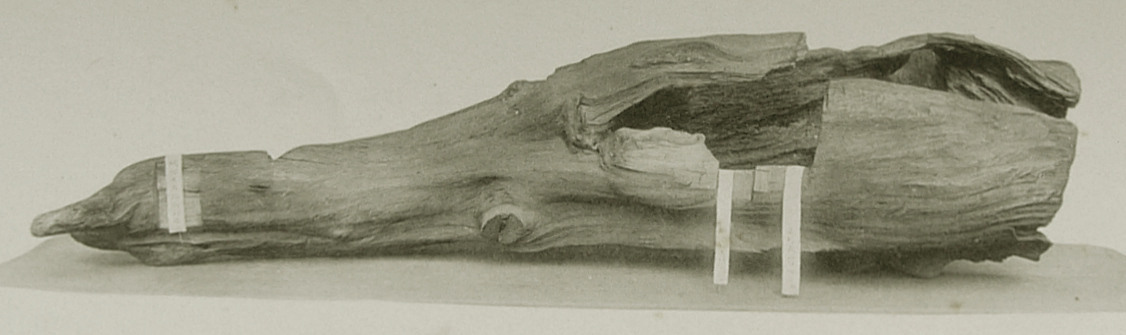
Ranjatai
Nara period; photograph 1908
A famous log of fragrant agarwood kept at the Shōsōin repository, from which Nobunaga cut a piece in 1574 as a sign of his power.
Nobunaga cut a piece from this sacred wood in 1574, a privilege of the highest rulers, to display his status.
About this source
What it is
The Ranjatai is a large log of agarwood, a fragrant resin-filled wood, kept in the Shōsōin repository at Tōdai-ji in Nara. It arrived in Japan long before Nobunaga's time and has been treasured for centuries as imperial property.
Why it matters
Only a few of the most powerful rulers in Japanese history were allowed to cut a piece from this log. In 1574, with imperial permission, Oda Nobunaga had a piece cut off, following earlier shoguns who had done the same. This act showed everyone that Nobunaga now held power comparable to the greatest lords of Japan, even though he was not shogun himself. Afterwards he celebrated with a tea ceremony attended by famous tea masters, linking political power to cultural prestige.
Look closer
- Why would cutting a piece of wood be seen as a political statement rather than just taking incense?
- What does it tell us that this privilege had only been used by a handful of rulers before Nobunaga?
- What does the labelling of the cuts tell us about how later generations tracked power and prestige?
This artifact is part of the curated material that grounds the AI version of Oda Nobunaga on Humy.ai — when students ask about related events, the AI can quote it and cite it.
More Oda Nobunaga sources
Browse all 89 →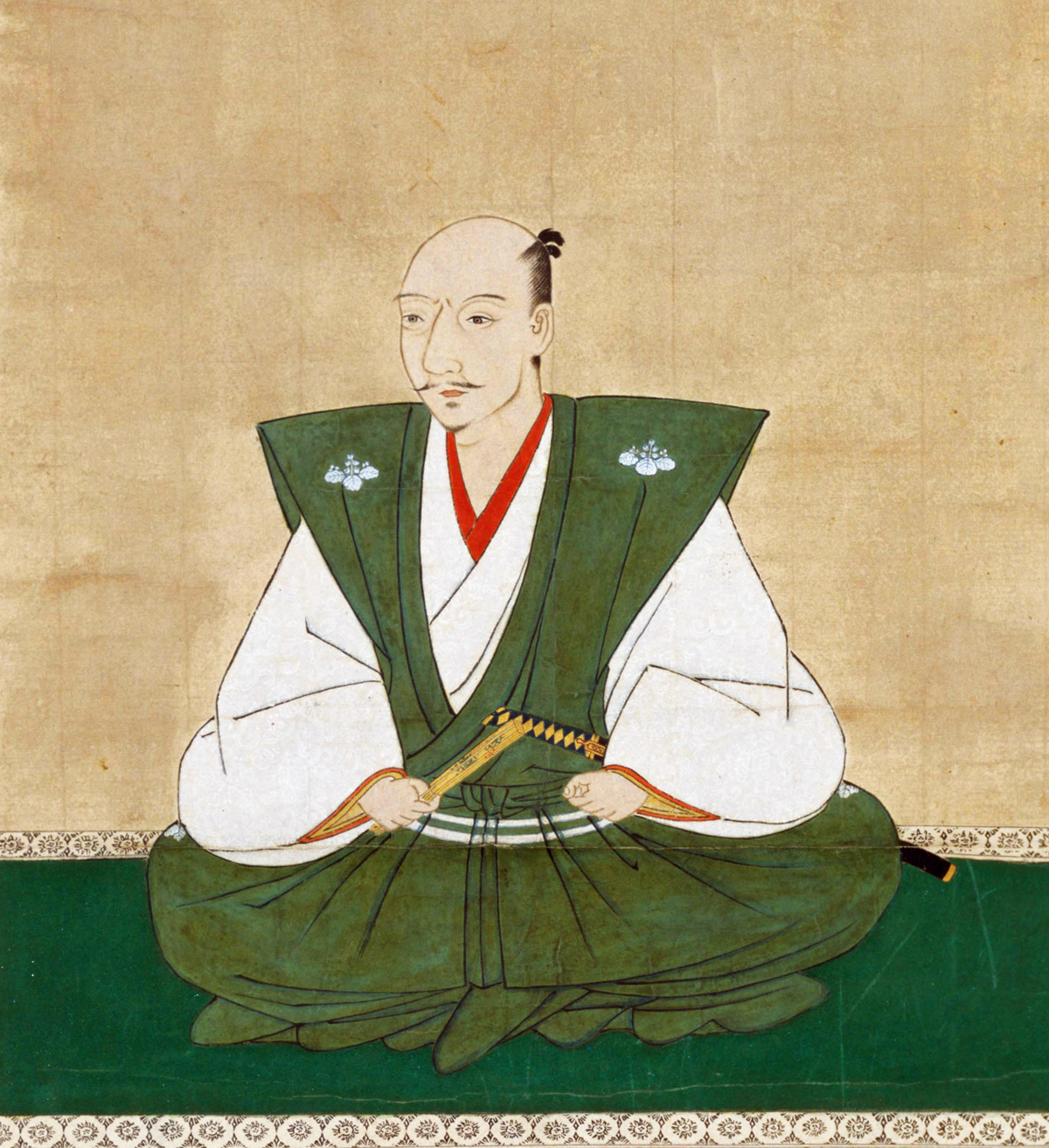 Painting
Secondary source
Portrait of Oda Nobunaga
Kanō school
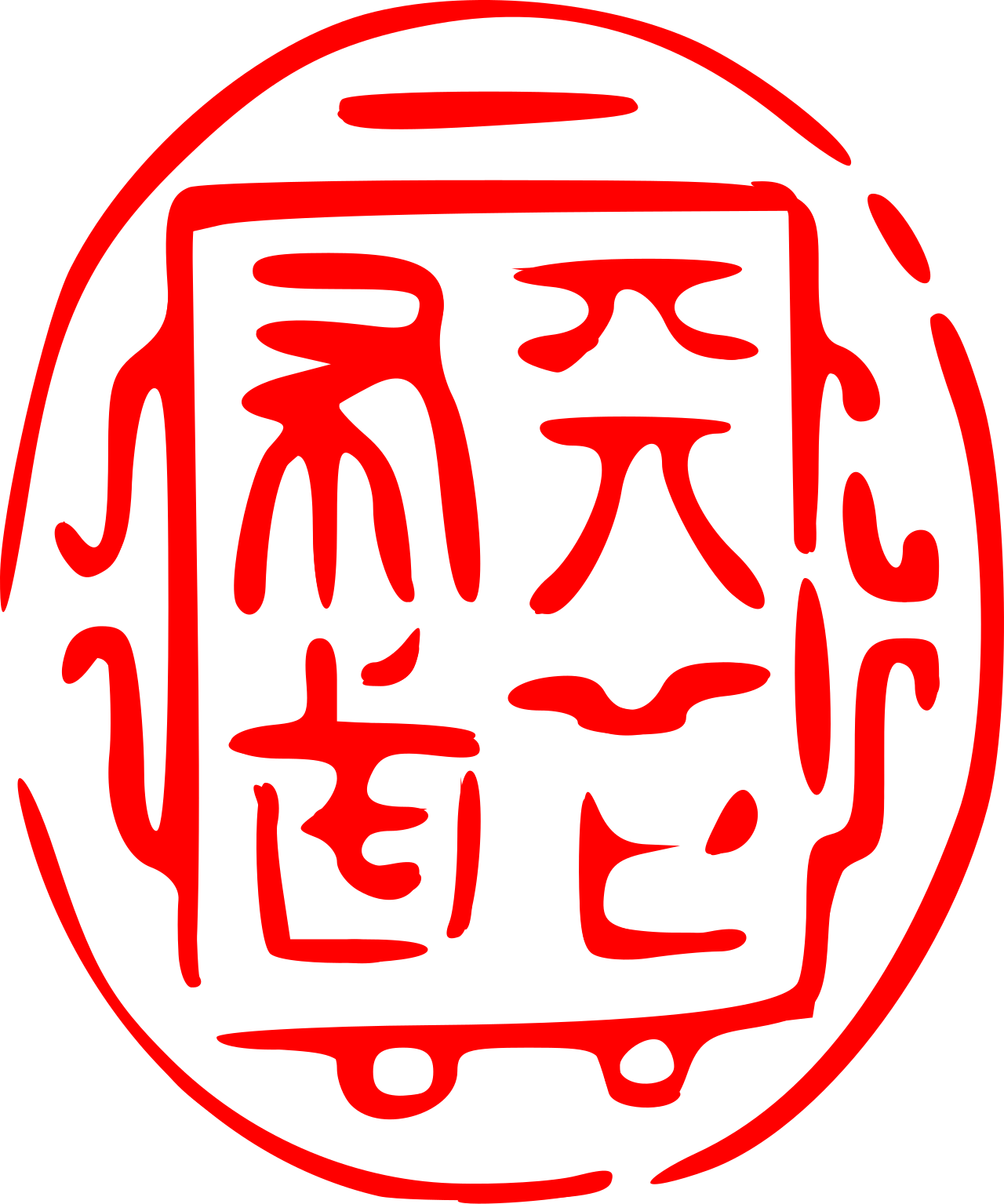 Artifact
Primary source
Tenka Fubu Seal
Oda Nobunaga · after 1567
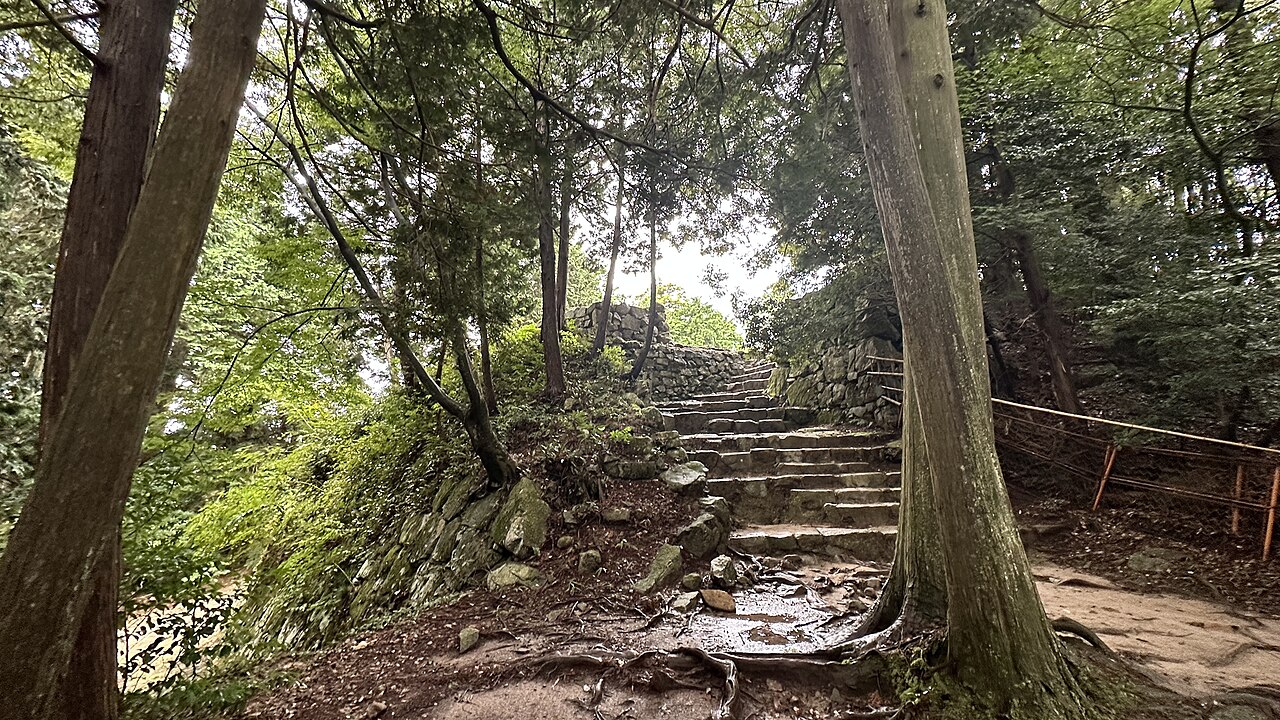 Artifact
Primary source
Azuchi Castle
1576-1579
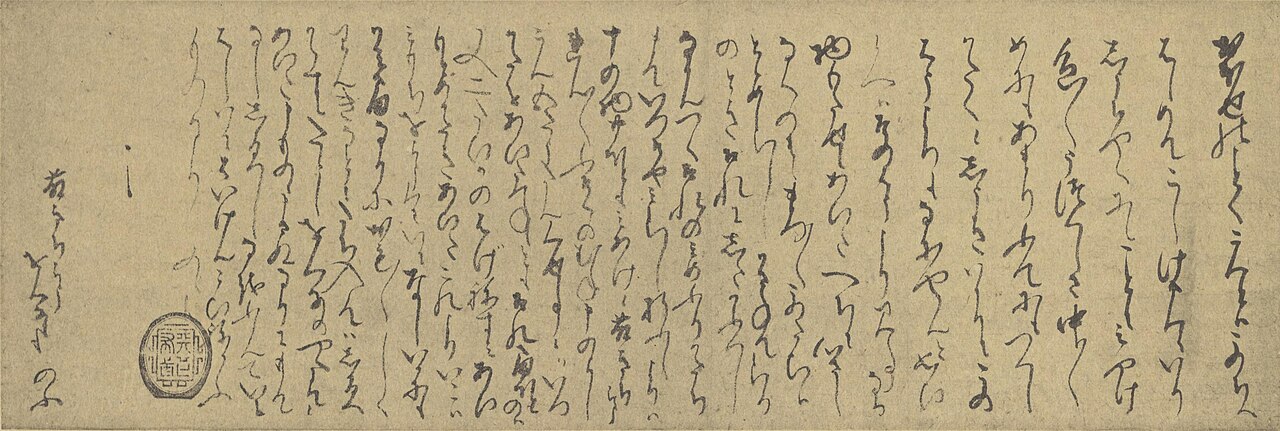 Letter
Primary source
Letter from Oda Nobunaga to Nene
Oda Nobunaga
Free account
Read every Oda Nobunaga source
Sign up free →
Ready when you are
Start chatting with Oda Nobunaga now.
20 messages free · No credit card · Available in 50+ languages.