


Primary sourceBookDecember 1844
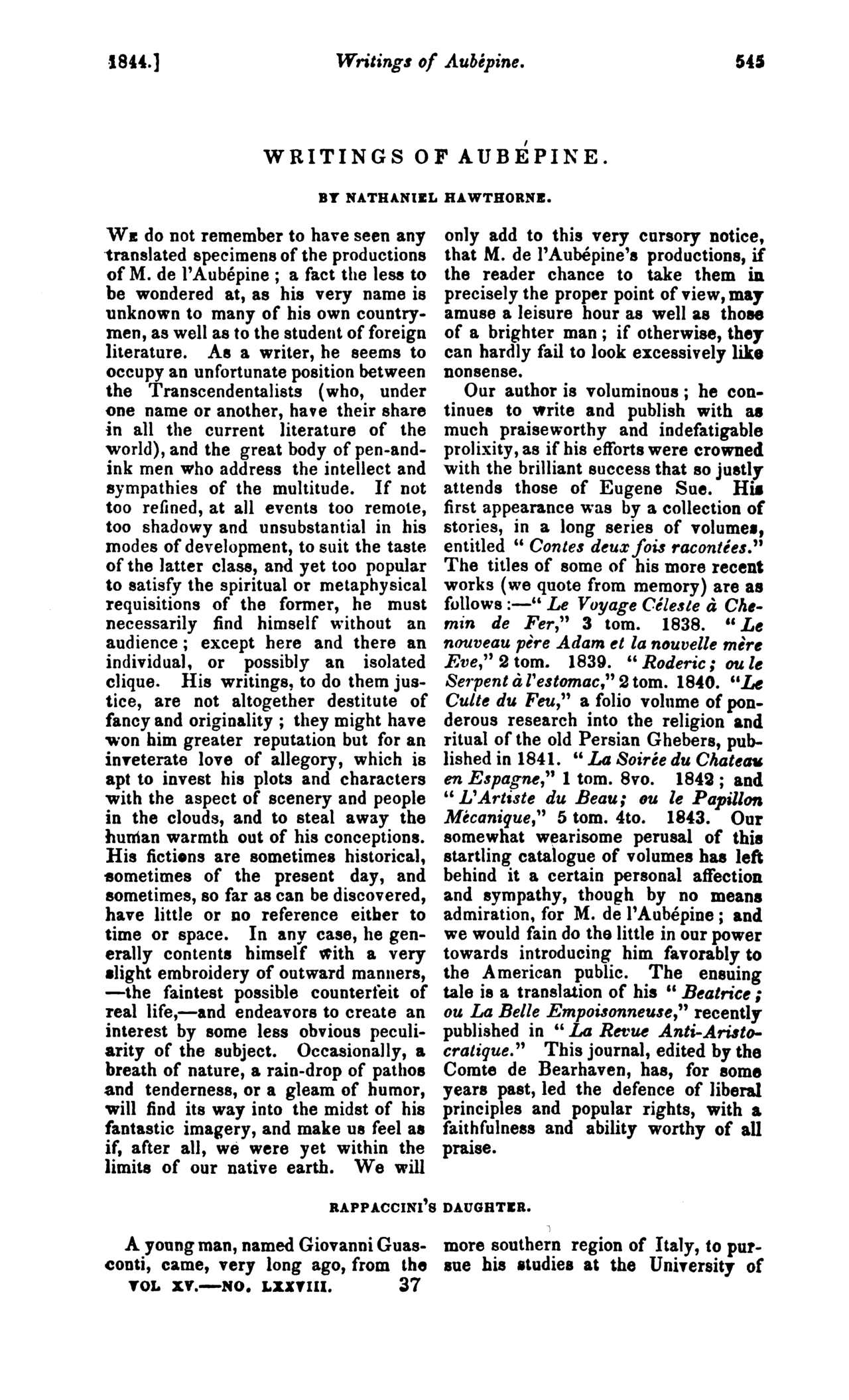
Rappaccini's Daughter
Nathaniel Hawthorne · December 1844
A gothic short story by Hawthorne about a scientist's poisonous daughter, first published in 1844.
Hawthorne wrote this gothic tale during his years at the Old Manse, reflecting his interest in science and morality.
Free Humy account · No credit card · 118,535 sources to read
About this source
What it is
This is a short story written by Nathaniel Hawthorne, first published in December 1844 in The United States Magazine and Democratic Review. It tells of a scientist, Dr. Rappaccini, whose daughter Beatrice becomes poisonous from growing up among his dangerous plants.
Why it matters
The tale reflects Hawthorne's fascination with science, sin, and the dangers of tampering with nature, themes common in his work. It was published under a fictional French persona, "M. de l'Aubépine," showing how Hawthorne sometimes distanced himself playfully from his own writing.
Look closer
- Why might Hawthorne have invented a fictional author for this story?
- What does the story suggest about the dangers of scientific experimentation?
- How does the story use the garden as a symbol?
This book is part of the curated material that grounds the AI version of Nathaniel Hawthorne on Humy.ai — when students ask about related events, the AI can quote it and cite it.
More Nathaniel Hawthorne sources
Browse all 95 →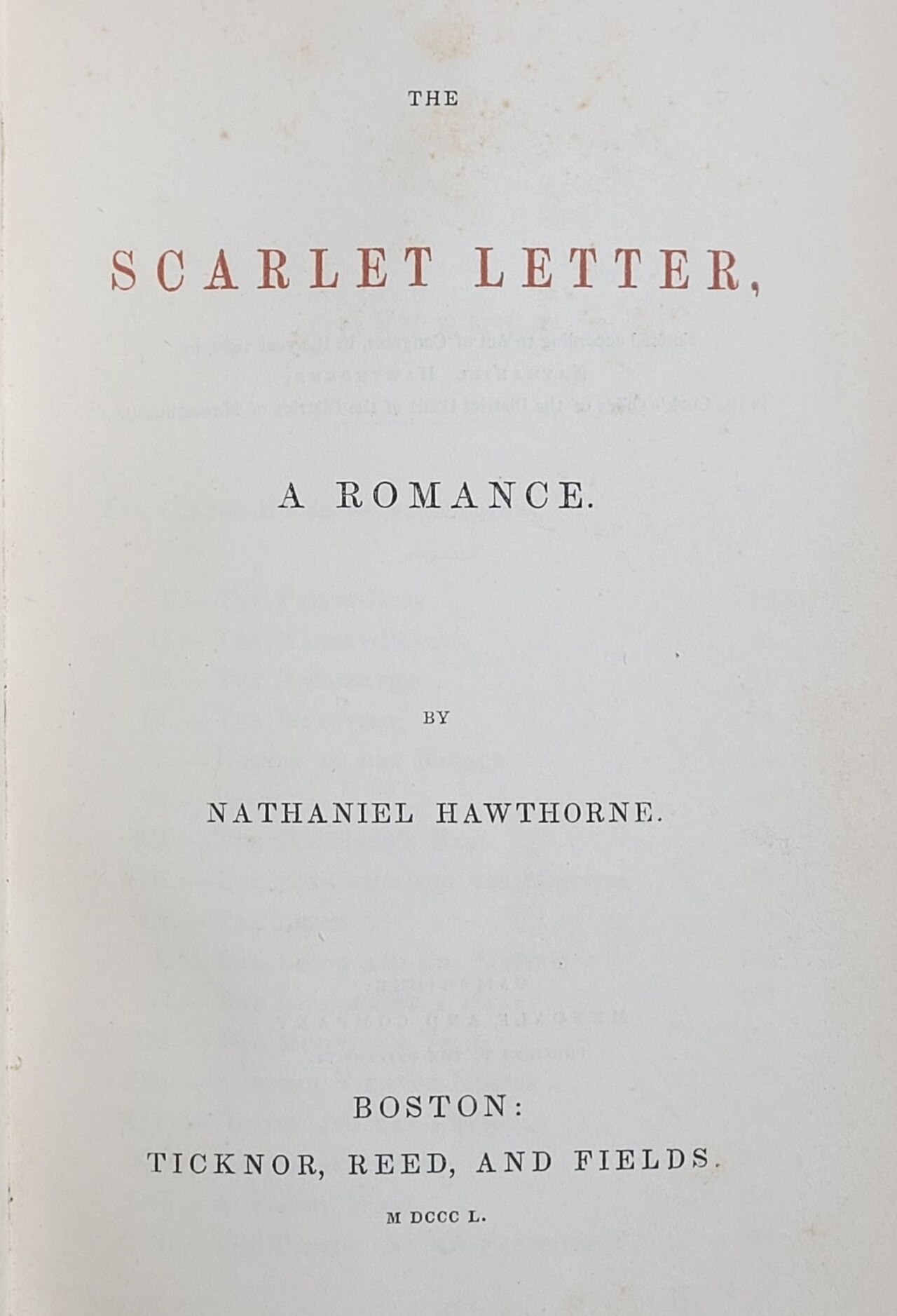 Book
Primary source
The Scarlet Letter
Nathaniel Hawthorne · 1850
 Book
Primary source
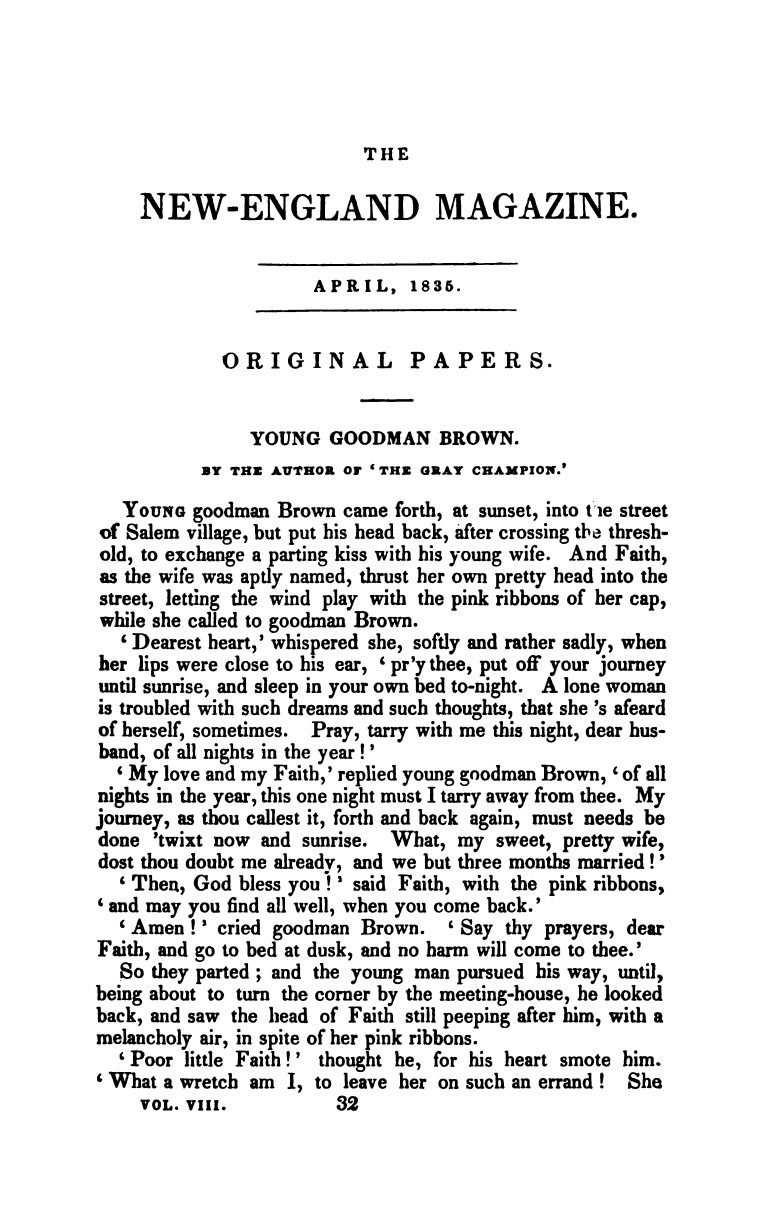
Young Goodman Brown
Nathaniel Hawthorne · 1835
 Book
Primary source
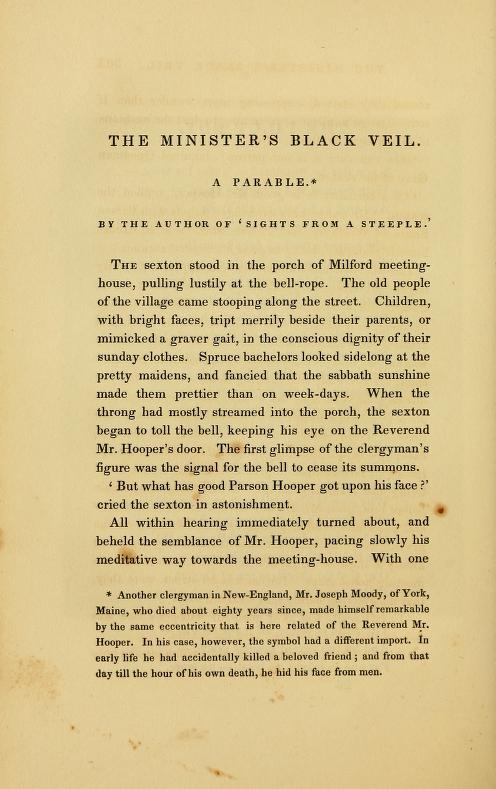
The Minister's Black Veil
Nathaniel Hawthorne · 1836
 Book
Primary source
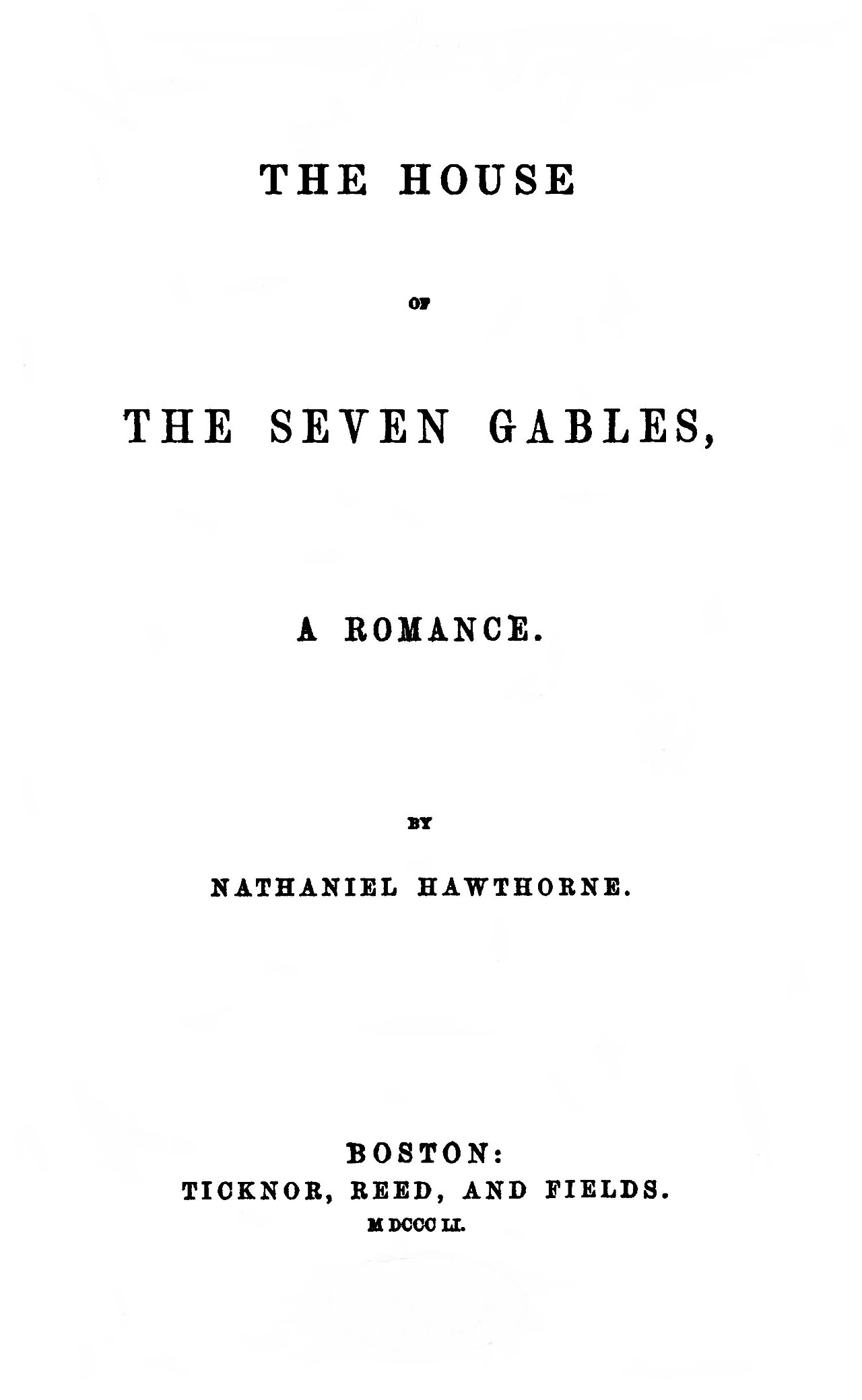
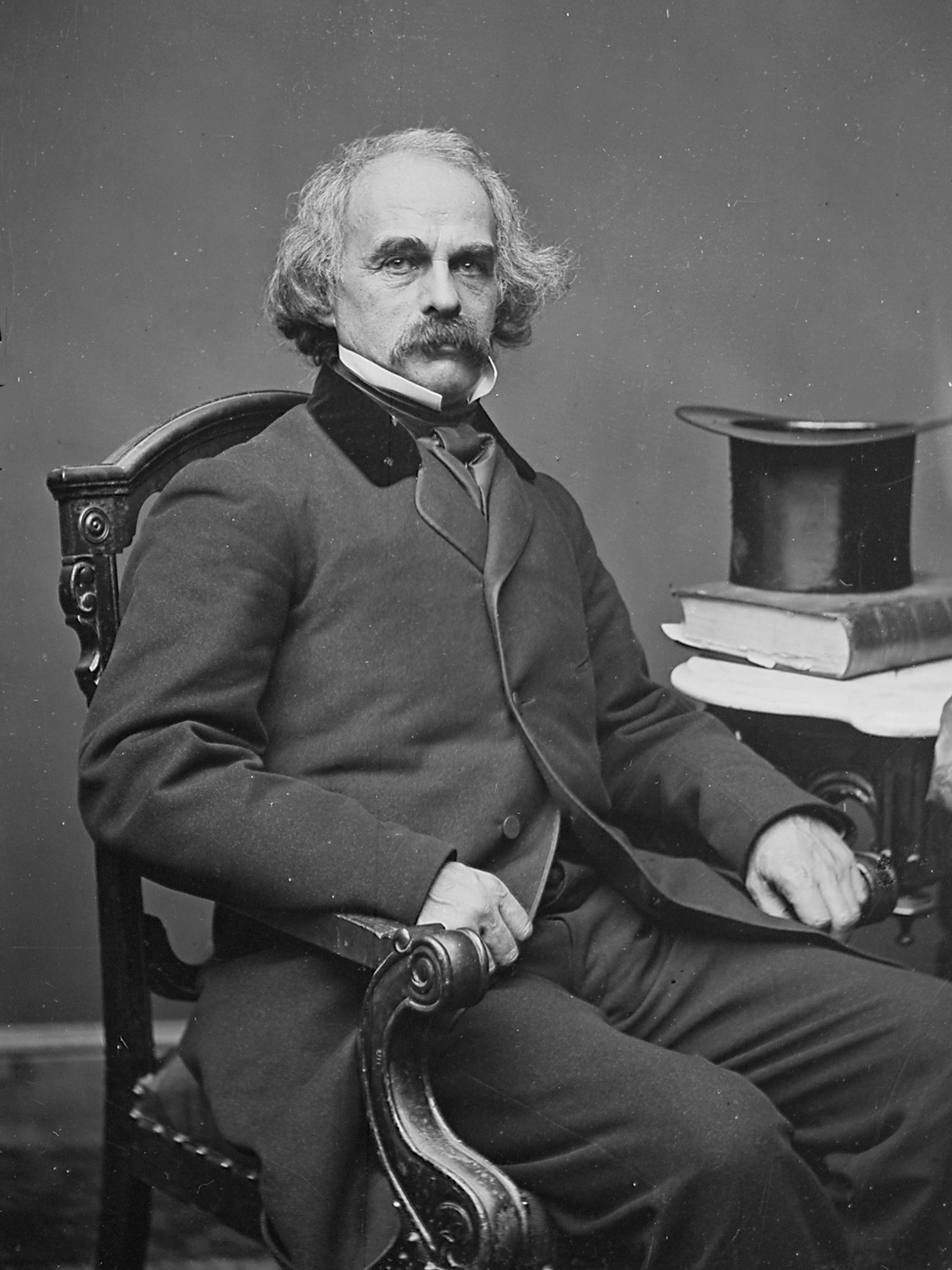
The House of the Seven Gables
Nathaniel Hawthorne · 1851
Free account
Read every Nathaniel Hawthorne source
Sign up free →
Ready when you are
Start chatting with Nathaniel Hawthorne now.
20 messages free · No credit card · Available in 50+ languages.