


Primary sourcePainting1919
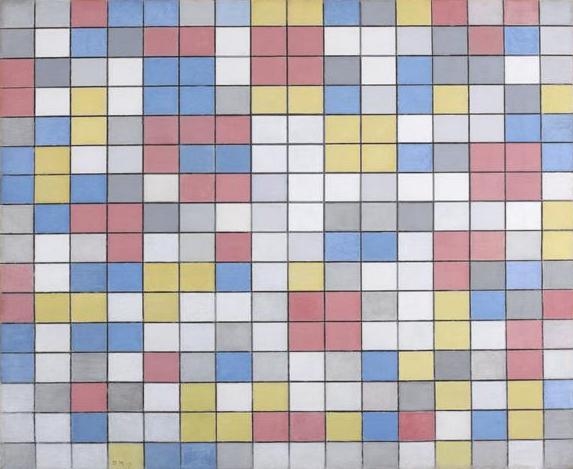
Rastercompositie 9: dambordcompositie heldere kleuren
Piet Mondrian · 1919
A 1919 checkerboard-style grid painting by Piet Mondrian, part of his experiments with a systematic modular structure.
Painted by Mondrian during his 1919 experiments with grid-based composition.
About this source
What it is
This is a painting made in 1919 by Piet Mondrian, held at the Kunstmuseum Den Haag.
It shows many small rectangular cells in pale red, pale blue, yellow, grey and white, separated by thin black lines, scattered irregularly across a white and grey field in a checkerboard-like pattern.
Why it matters
This work is one of Mondrian's 1919 experiments with a regular modular grid as a structure for his paintings. It shows an artist searching for a systematic, almost mathematical way of organizing colour and form, a step on the path toward his later, more reduced style.
Look closer
- Why might an artist build a painting on a regular grid instead of painting freely?
- How are the colours distributed across the grid — evenly or in clusters?
- What does this checkerboard pattern suggest about Mondrian's interest in order and system?
This painting is part of the curated material that grounds the AI version of Piet Mondrian on Humy.ai — when students ask about related events, the AI can quote it and cite it.
More Piet Mondrian sources
Browse all 93 →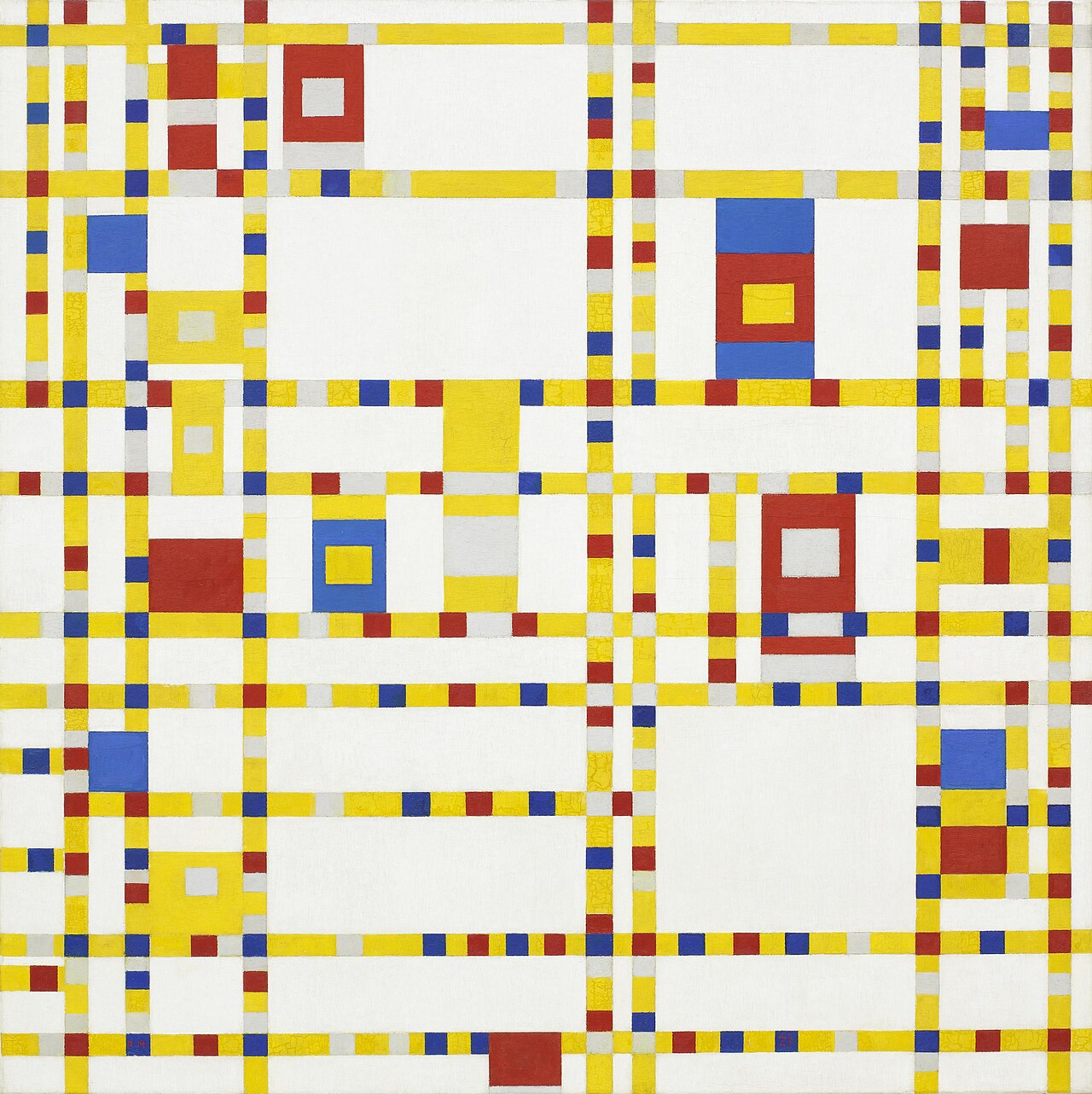 Painting
Primary source
Broadway Boogie Woogie
Piet Mondrian · 1942-1943
 Painting
Primary source
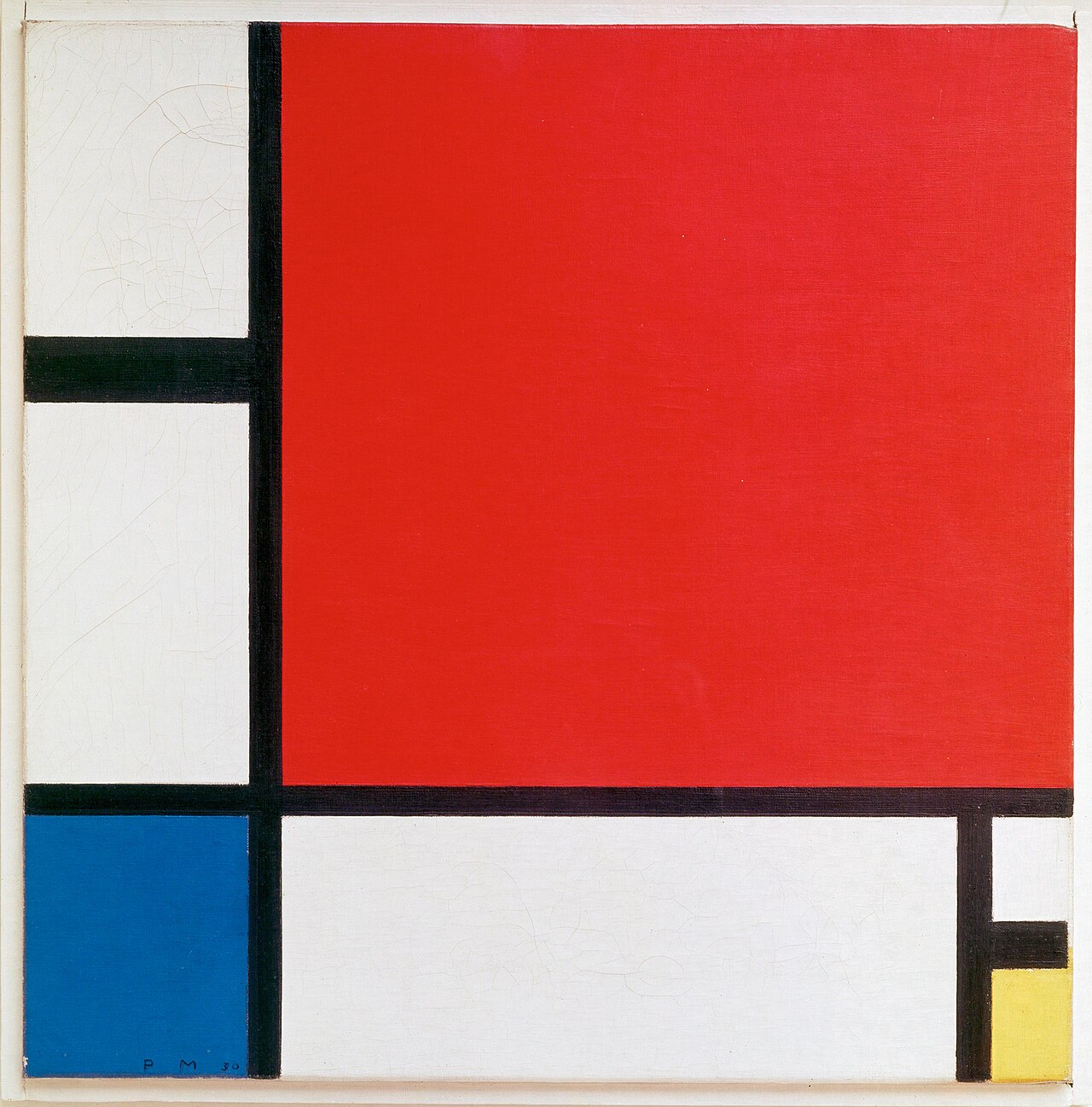
Composition with Red, Blue and Yellow
Piet Mondrian · 1930
 Painting
Primary source
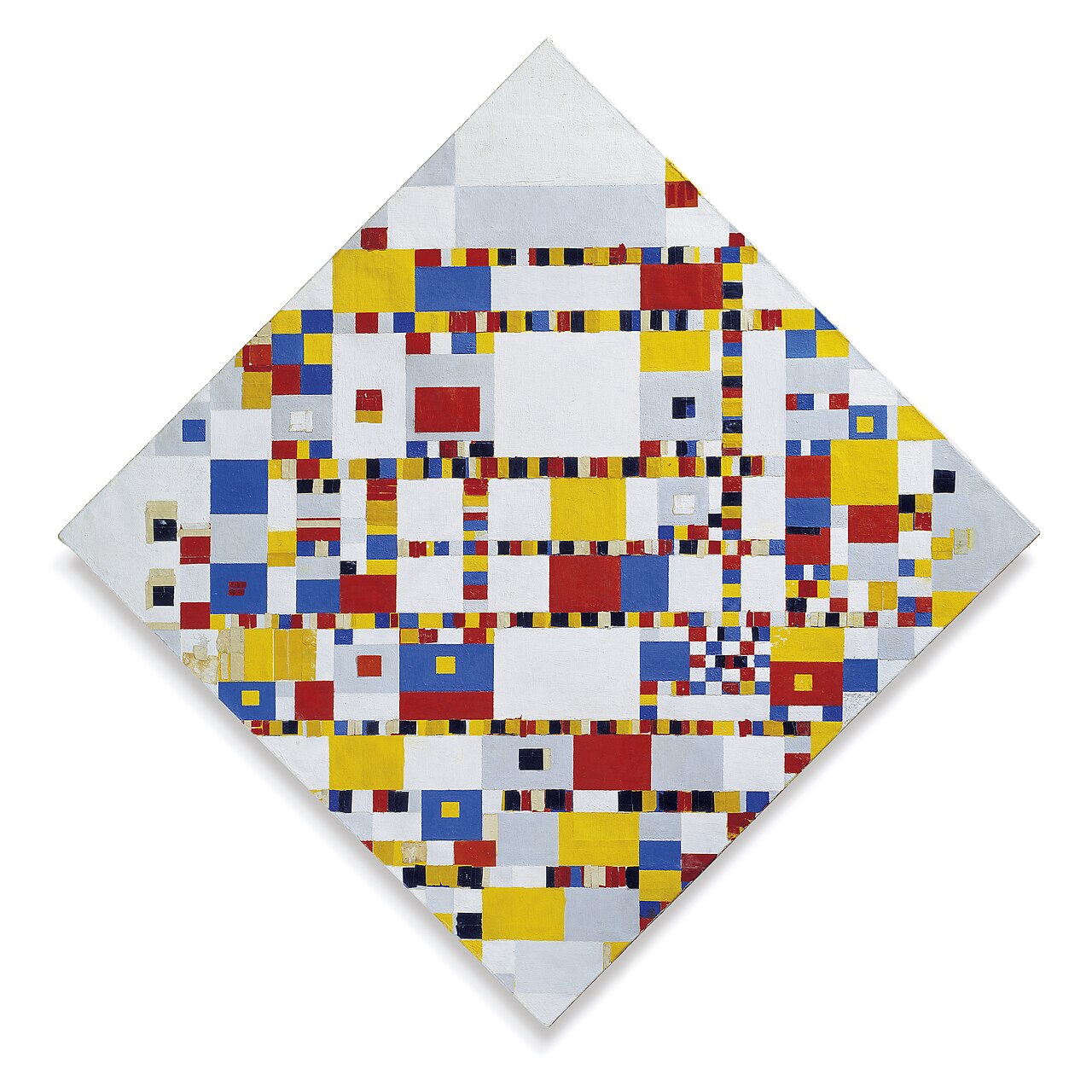
Victory Boogie Woogie
Piet Mondrian · 1942-1944
 Painting
Primary source
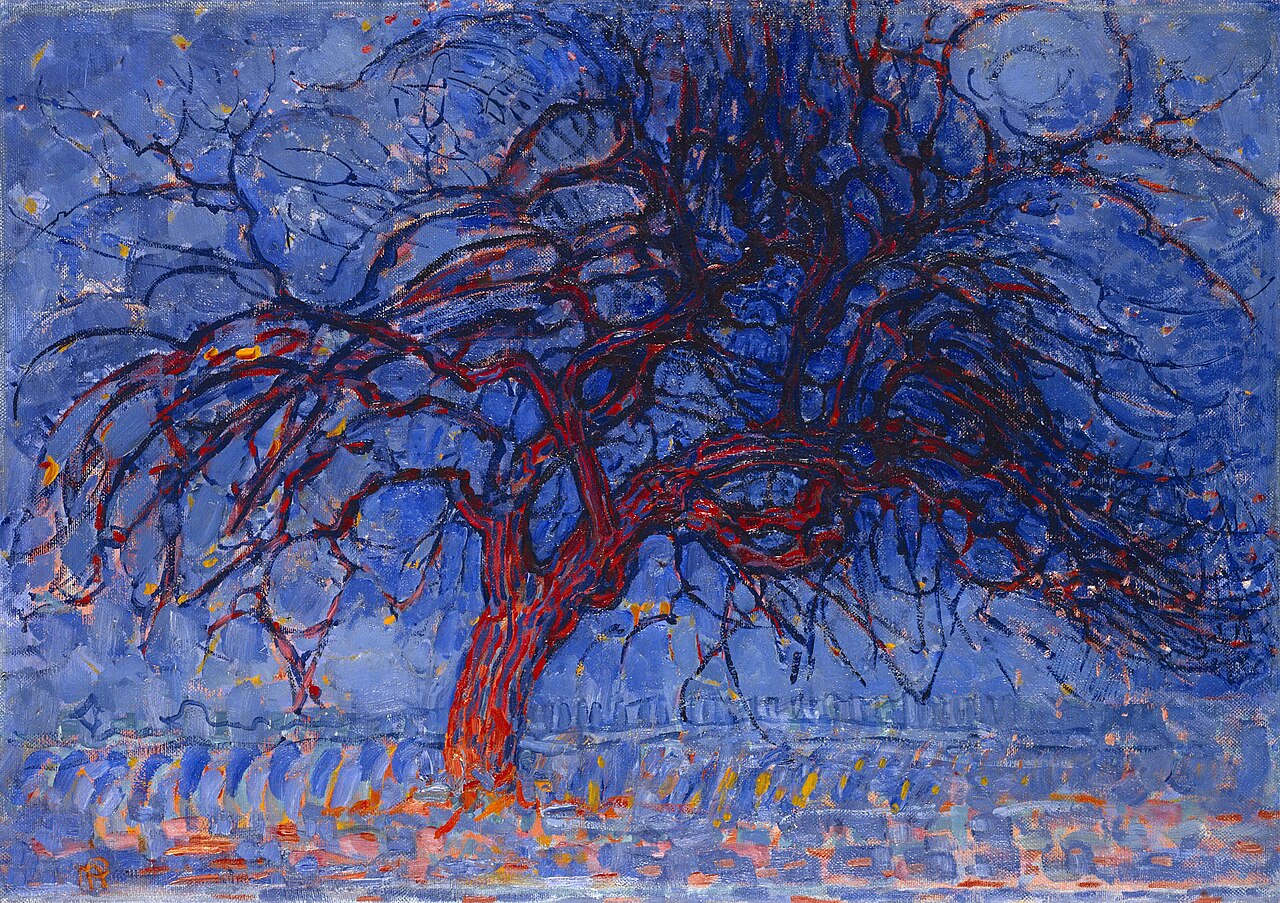
The Red Tree
Piet Mondrian · 1908
Free account
Read every Piet Mondrian source
Sign up free →
Ready when you are
Start chatting with Piet Mondrian now.
20 messages free · No credit card · Available in 50+ languages.