


Primary sourceBook1713
Reasons Against the Succession of the House of Hanover
Daniel Defoe · 1713
An ironic 1713 pamphlet by Defoe that was taken literally by opponents, leading to his arrest.
Defoe's ironic pamphlet led to his arrest, illustrating the political risks he took as a satirical writer.
Free Humy account · No credit card · 124,282 sources to read
About this source
What it is
Written by Daniel Defoe in 1713, this pamphlet argues, with deliberate irony, against the succession of the House of Hanover to the English throne.
Why it matters
Whig opponents misread Defoe's satire as a genuine call to support a rival claimant, and he was arrested as a result. This was not the first time Defoe's use of irony got him into legal trouble, showing both the risks of political satire in his era and his persistent willingness to provoke through writing.
Look closer
- How can irony in writing be misunderstood, and what might that cost a writer?
- Why might Defoe have chosen irony instead of stating his views directly?
- What does his repeated legal trouble over satire tell you about free speech at the time?
This book is part of the curated material that grounds the AI version of Daniel Defoe on Humy.ai — when students ask about related events, the AI can quote it and cite it.
More Daniel Defoe sources
Browse all 86 →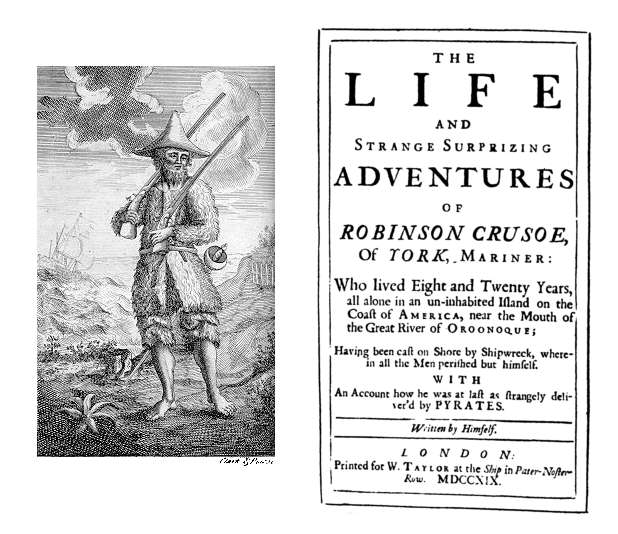 Book
Primary source
Robinson Crusoe
Daniel Defoe · 1719
 Book
Secondary source
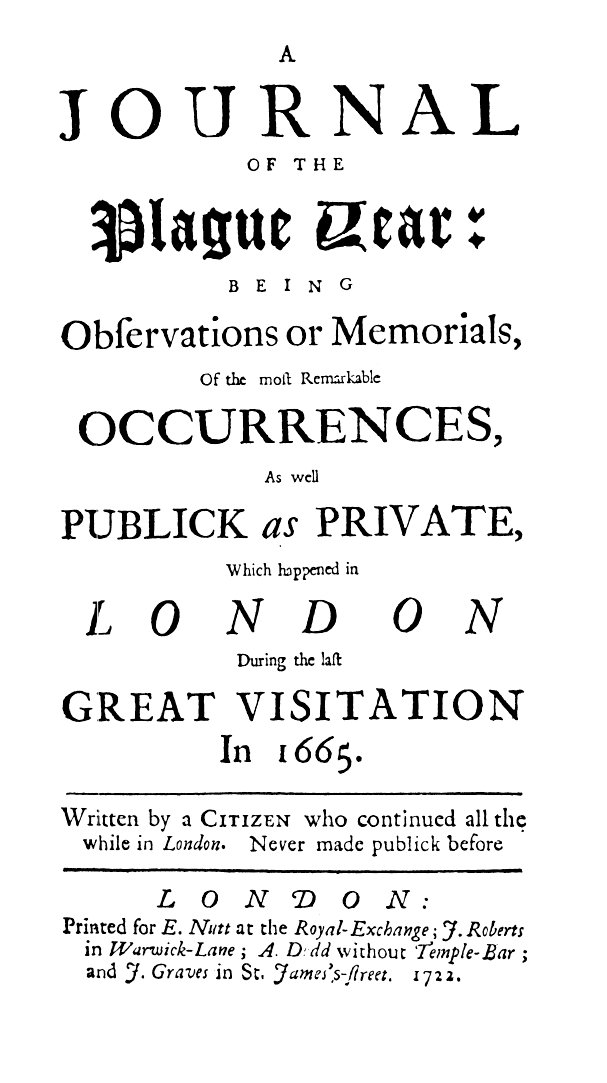
A Journal of the Plague Year
Daniel Defoe · 1722
Primary source
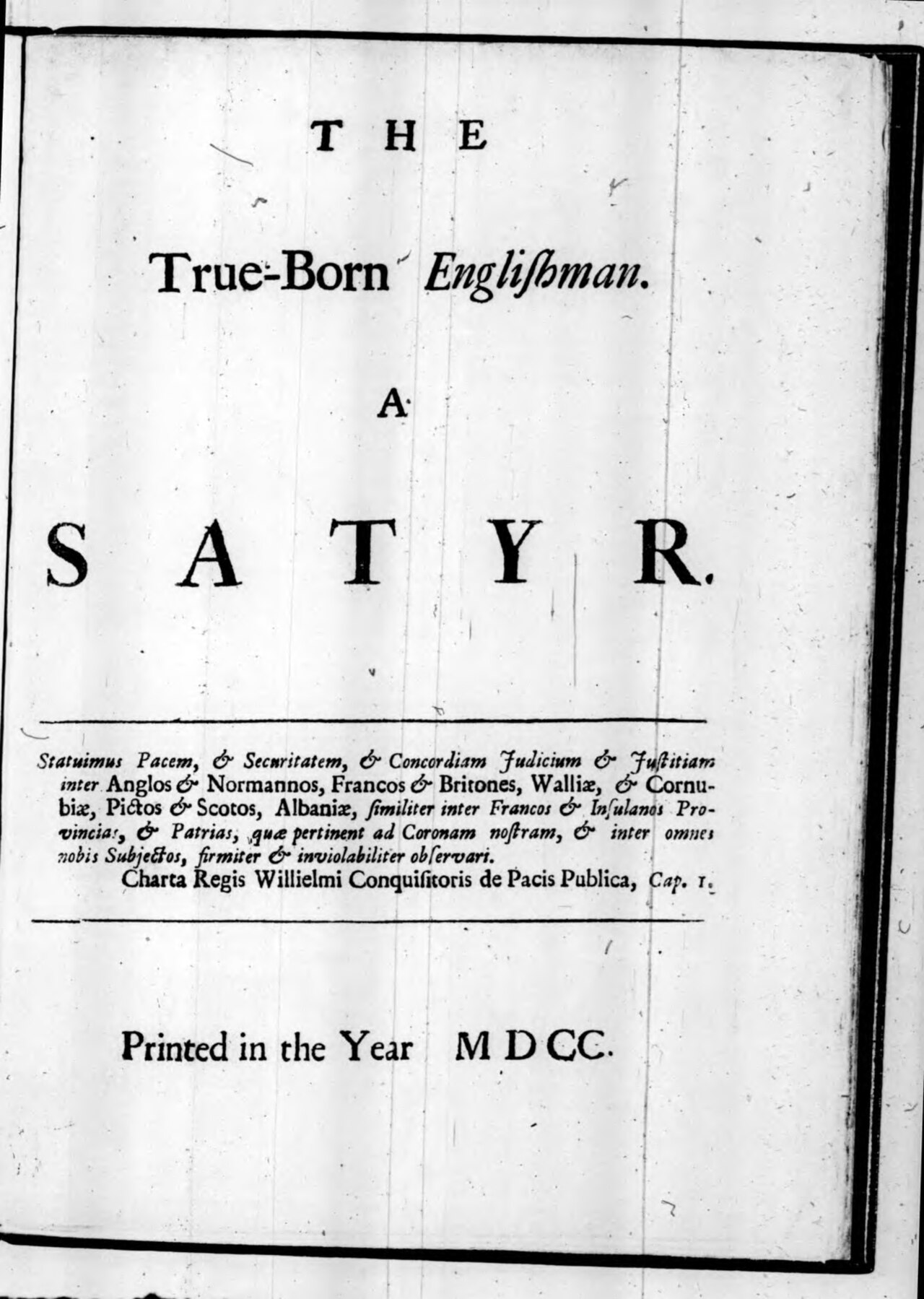
The Shortest Way with the Dissenters
Daniel Defoe · 1702
 Book
Secondary source
Moll Flanders
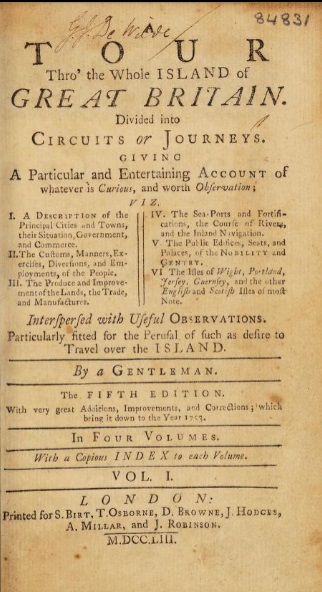
Daniel Defoe · 1722
Free account
Read every Daniel Defoe source
Sign up free →
Ready when you are
Start chatting with Daniel Defoe now.
20 messages free · No credit card · Available in 50+ languages.